
I am the kind of person who reads the entire playbill before the curtain rises and stays through every last line of credits, partly out of love and partly because credits are their own little storytelling language. On TV, those labels you hear tossed around in casting talk or see on IMDb and call sheets, like series regular or guest star, are not just informal shorthand. They are categories that shape how an actor is hired, how the role is presented on screen, and how the production plans around that performer.
Let’s decode the most common on-camera series credit tiers you will run into: series regular, recurring, guest star, and co-star. We will also clear up the frequent confusion between these labels and a one-day principal contract, which is a different kind of classification entirely.
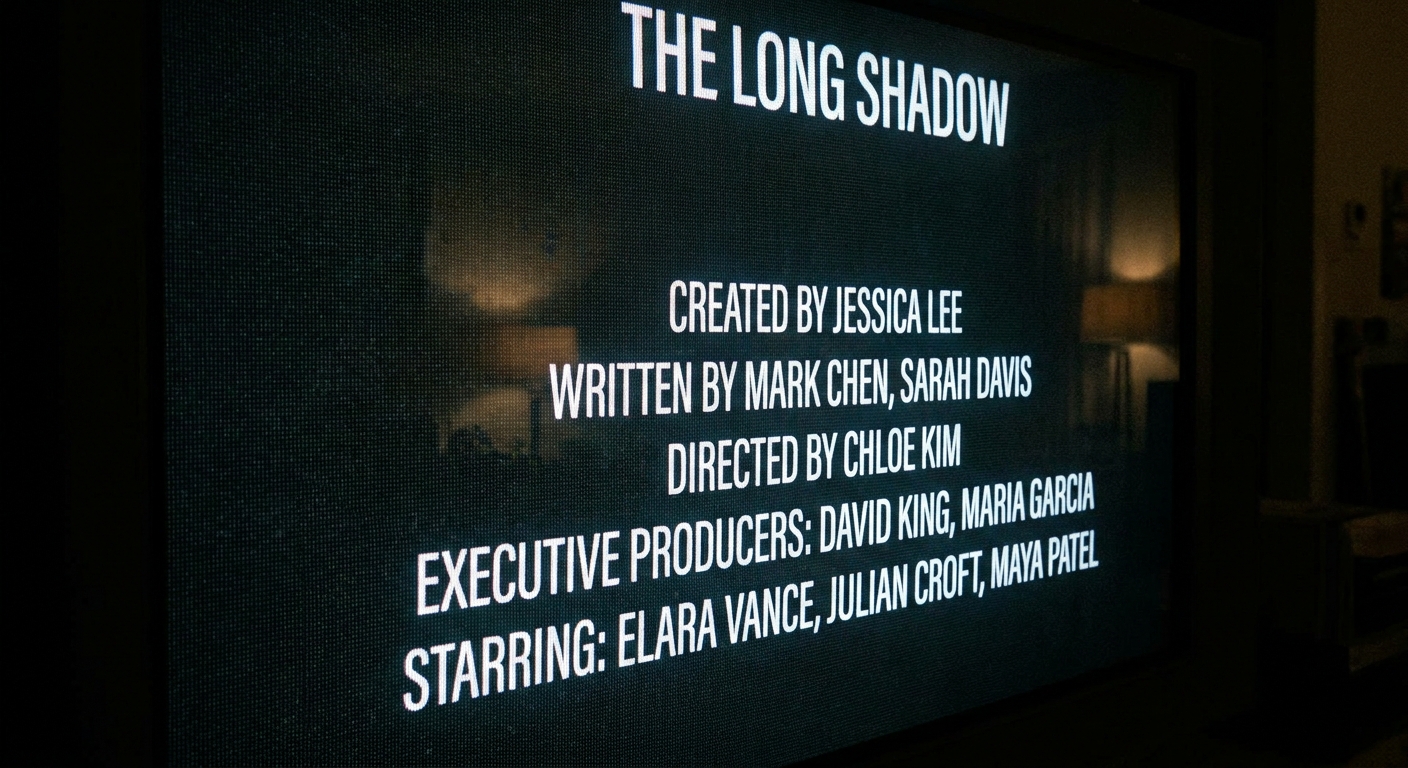
Credit tiers vs contracts
People tend to mash these concepts together, but they are related, not identical. Also, a quick reality check from the land of negotiations: credit placement is not perfectly standardized. It can vary by production, platform, union agreement, and plain old bargaining power.
- Credit tier is how the role is categorized and generally discussed in the industry, and often how it is presented in credits. It tends to correlate with prominence, billing, and sometimes pay minimums, but it is not identical to the paperwork or the exact on-screen card you see.
- Contract length is how long the actor is hired for and under what terms (episodic, multiple episodes, season options, etc.).
- Work days are simply how many days the actor is scheduled to shoot. A performer can work one day and still land a higher credit tier, and someone can work several days as a smaller tier if the role is structured that way.
When someone says “They were hired as a guest star,” they are usually describing a credit level that often comes with a certain type of deal structure. When someone says “It was a one-day principal,” they are describing how many days the job covered, not whether it is a co-star or guest star part.
Series regular
What it means on screen
A series regular is a main cast member. In the credit sequence, they are typically listed in the opening titles or in a prominent “starring” block. This is the show telling you, upfront, “These are our pillars.”
How long they are usually hired
Series regular deals are generally structured around a season, often with options that allow the production to continue the relationship if the show is renewed. Practically, a regular is hired with the expectation they will be available as needed across the season, even if they do not appear in every single episode.
What it signals creatively
- The character is part of the show’s core engine.
- The writers can build long arcs with the assumption the actor is “on the team.”
- The production schedules and budgets with that regular availability in mind.

Recurring
What it means on screen
Recurring is the category people talk about constantly, yet it is the one that is most slippery on screen. A recurring character may be credited as a guest star in episodes they appear in, or they may simply be listed in an “also starring” section or in the end-credit cast list without a dedicated “guest starring” card. In plain English: recurring usually describes frequency across a season, not necessarily the exact wording in the credits.
How long they are usually hired
A recurring performer is typically hired on an episodic basis, often with the intention of appearing in multiple episodes. The production is not always committing to a full-season guarantee the way it might with a series regular, but it is also not treating the performer as a one-off.
What it signals creatively
- The character matters to ongoing storylines but is not one of the show’s primary anchors.
- The writers want the freedom to bring the character in and out as plot needs shift.
- The role can grow. Many beloved series regulars started life as recurring because the chemistry was undeniable.
Guest star
What it means on screen
A guest star is a prominent role in a particular episode, or a short run of episodes, that is billed above smaller parts. You will often see “Guest Starring” or “Special Guest Star” in the end credits, and sometimes a guest star receives a featured credit placement.
Guest stars can also recur. Someone might appear in four episodes across a season and still be billed as a guest star each time, depending on the deal and the show’s credit style.
As for the “special” in Special Guest Star: it is often used for prestige billing, marketing emphasis, or contractual credit language. Sometimes it signals a particularly notable performer, and sometimes it is simply how the production chooses to frame the role’s importance.
How long they are usually hired
Guest star hiring is typically episode-to-episode or for a clearly defined limited arc. The character is not assumed to be continually available throughout the season the way a series regular is, even if the guest returns later.
What it signals creatively
- The character drives a major plotline in that episode.
- The role often carries significant dialogue and emotional weight.
- Sometimes it is used for stunt casting or a buzzy cameo, but plenty of guest stars are pure craft hires: the right actor for a meaty, self-contained story.

Co-star
What it means on screen
A co-star is a smaller speaking role in an episode, usually supporting a main story beat. Co-stars are often credited after guest stars, and their characters may have fewer scenes and fewer lines.
In everyday TV casting language, co-stars are generally considered principal in the sense that they are speaking, on-camera roles. (Union definitions and paperwork terminology can be more specific and can vary by country, agreement, and production.)
How long they are usually hired
Co-star roles are commonly hired for one episode. Sometimes the work itself may be only a day or two of shooting, but the co-star label is about the role size and credit tier within the episode, not strictly the number of days worked.
What it signals creatively
- The character supports the plot rather than steering it.
- The role may be procedural by design: the barista with key information, the rookie officer who opens the scene, the nurse who delivers a crucial line.
- It is often a foundational rung for emerging TV actors, because it tests on-set professionalism at real speed.
One-day principal
This is the part that trips people up. A one-day principal is about duration of employment, not the on-screen credit tier.
Often, if an actor is hired to work only one day on a production and they are a speaking performer, people will casually call it a “one-day principal.” The important nuance is that paperwork terminology varies by union, region, and contract, and the word “principal” can carry technical meanings beyond the casual shorthand.
The credit an actor receives could be co-star, guest star, or something else depending on how the role is categorized and negotiated. The same is true in reverse: a co-star might shoot over multiple days due to scheduling, locations, or stunts, yet remain a co-star credit because the role is still structured as a smaller supporting part.
In other words, think of it like this:
- One-day principal answers: “How long was this hire?”
- Co-star vs guest star vs series regular answers: “How is this role billed and positioned within the episode or series?”
How credits usually look
Every show has its own credit style, and billing can be negotiated, but common patterns look like this:
- Series regulars: in the main title sequence or top “Starring” card.
- Guest stars: featured “Guest Starring” or “Special Guest Star” placement, often before smaller roles.
- Co-stars: listed later in the end credits, typically after guest stars.
- Recurring: may show up as guest star credits in episodes where they appear, while the “recurring” label is used more in casting and industry language to describe their multi-episode presence.
And because I cannot help myself: if you are ever unsure, watch the end credits carefully. Television tells you exactly how it wants you to understand a performer’s presence, if you let it.
Why the labels matter
Beyond prestige or bragging rights, the tiers help productions manage real, practical realities:
- Scheduling: A series regular’s availability can shape the whole calendar. Guest stars are often built around a smaller, more targeted window.
- Story planning: Writers rooms build arcs differently depending on whether a performer is a regular anchor or an episodic catalyst.
- Budgeting: Casting categories often align with different budget assumptions, including pay minimums and episodic fees. (The specifics depend on the production’s union status and the agreement in play, for example SAG-AFTRA terms in the US.)
- Audience expectations: Viewers read “special guest star” as a promise: pay attention, this person matters in this hour.
Cheat sheet
- Series regular: main cast, hired with season-level expectations and ongoing availability.
- Recurring: appears in multiple episodes, generally episodic hiring, not always a distinct on-screen label.
- Guest star: prominent episodic or short-arc role, often with featured billing in that episode.
- Co-star: smaller speaking role within an episode, typically one-off, credited below guest stars.
- One-day principal: a short-duration hire descriptor that can overlap with different credit tiers, and whose exact meaning can vary by contract.
FAQ
Can a recurring character be a guest star?
Yes. “Recurring” describes a pattern across episodes. “Guest star” is a credit tier often used for prominent roles within an episode. A recurring performer may be credited as a guest star each time they appear, depending on the show and the deal.
Is a co-star the same thing as a day player?
Not necessarily. “Day player” commonly refers to a principal performer hired for a very short period, often a day. “Co-star” refers to the size and placement of the role within the episode’s credit tiers. You can have a co-star who works one day, and you can have a one-day principal whose role is categorized differently.
Does guest star always mean famous?
No. Sometimes the casting is high-profile, but often guest star simply means the role is substantial and featured in that episode, regardless of how recognizable the actor is to the general public.
Why do some actors not appear in an episode but still feel like main cast?
Because series regular status is about being part of the show’s core cast and contract structure, not appearing in every episode. Storylines rotate, production schedules shift, and shows sometimes hold characters for later arcs.