I grew up in Chicago with family members who built sets and tuned instruments for a living, so I learned early that live performance has its own secret language. “Encore” is one of those words that sounds glamorous and spontaneous, but it is also a practical part of how concerts are paced, produced, and remembered.
Encore meaning, in plain terms
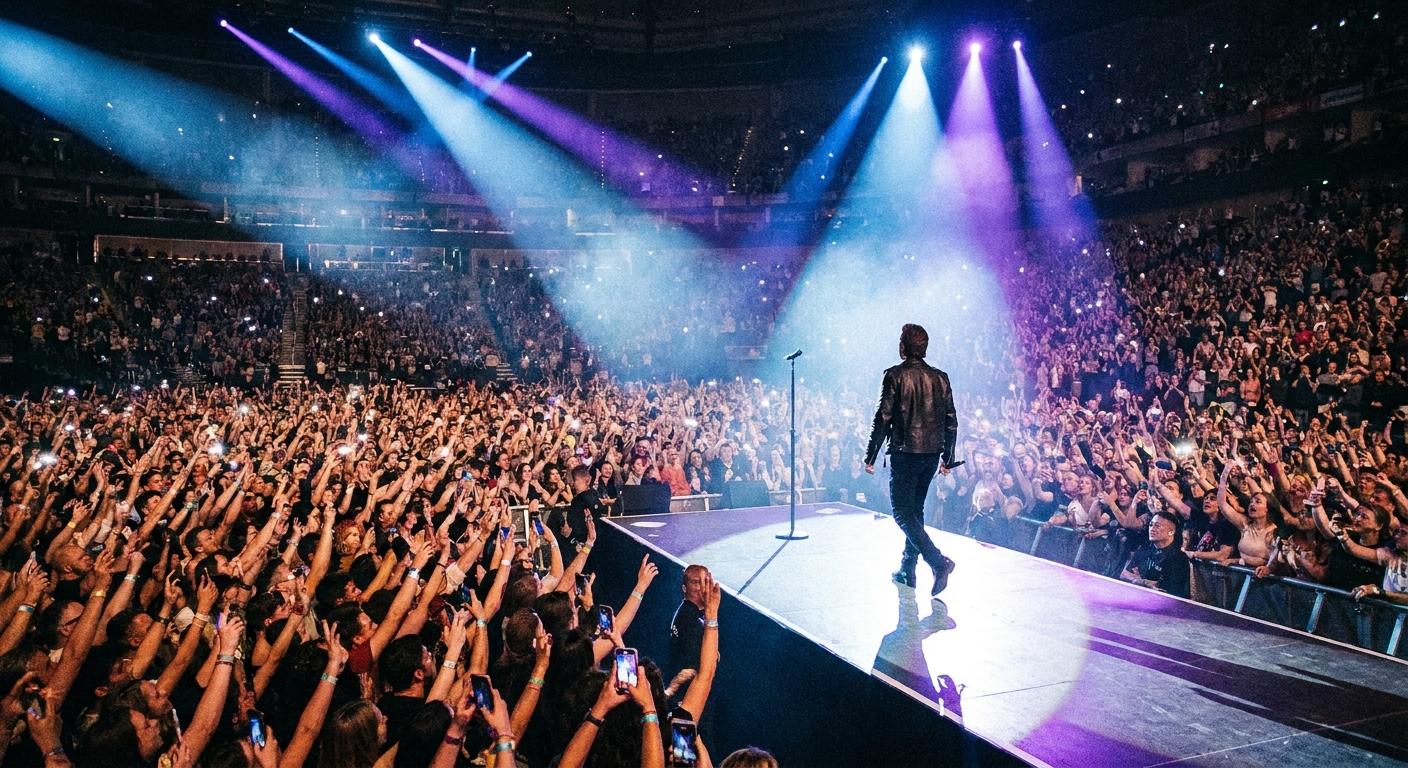
An encore at a concert is an additional song or short set of songs performed after the main set ends. Typically, the artist finishes what looks like the final song, leaves the stage, and then returns a minute or two later to play one or more extra songs.
The word comes from French for “again,” and in a live music context it is basically the performer saying, “Okay, one more.” Sometimes it is tender and acoustic. Sometimes it is the biggest hit, saved like a firework for last. Either way, an encore is the show’s final chapter.
Why artists leave and return
From the audience, the walk off can feel like a tease. From backstage, it is doing several jobs at once.
- It creates a natural ending, then a “second ending.” Concerts are emotional. An encore gives everyone a breath between the main-set finale and the final goodbye.
- It lets the biggest songs land harder. Saving a signature hit for the encore builds anticipation and makes the final moments feel eventful, even if you know it is coming.
- It helps with pacing and stamina. That short break is real. Artists may take water, swap guitars, change wardrobe pieces, reset in-ear monitors, or coordinate with stage crew.
- It allows a controlled exit. Lighting, confetti, pyro, video walls, and even house lights are cues. An encore helps production land the plane cleanly.
Think of it like the final scene after the credits begin to roll. Not always necessary, but when it works, it feels like a gift.
Planned or spontaneous?
Both can be true, depending on the artist and the type of show.
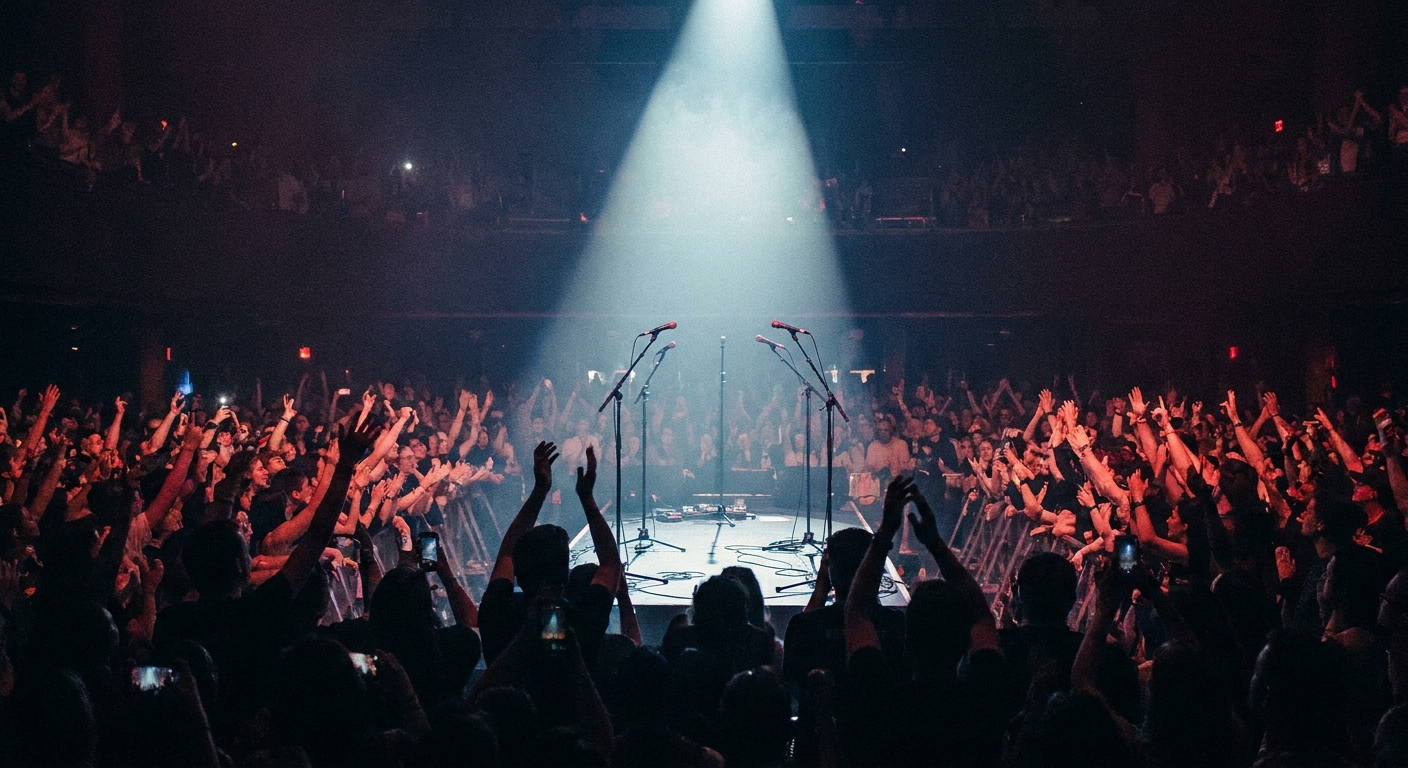
Most arena and theater concerts plan for an encore
On many major tours, the encore is built into the setlist, lighting design, and timing. Venues have curfews, crews have union schedules, and tours run like moving cities. That level of coordination does not love surprises.
Some encores are flexible
Even on tightly produced tours, artists sometimes keep options open, like choosing between two songs based on the crowd’s energy or swapping in a special guest when schedules align.
Some encores are truly audience-driven
At smaller club gigs, jazz sets, or certain indie shows, an encore can be more negotiable. If the room is electric and the venue clock allows it, a band might genuinely decide to do “one more.”
In other words, the encore can be planned and still feel earned. The planning is infrastructure. The feeling is the point.
Is an encore guaranteed?
No, an encore is common but not guaranteed. A few reasons you might not get one:
- Venue curfews or strict time limits. Many cities and venues enforce end times, especially on weeknights.
- Festival sets. Festivals run on tight changeovers. Headliners might still do an “encore,” but it is often just the last scheduled songs presented as a mini return.
- Artist intent. Some performers prefer a single, definitive ending and skip the tradition entirely.
- Unexpected issues. Technical problems, health concerns, weather, or safety considerations can cut a show short.
If an encore does not happen, it is not always a snub. Sometimes it is simply the reality of time, logistics, or limits.
How long an encore lasts
Most encores are short, especially on big tours:
- 1 song: common for artists with long, high-production sets or strict curfews
- 2 to 3 songs: the most typical range for headliners
- 4+ songs: more common for jam bands, legacy acts stretching the night, or special hometown shows
As a rough time window, an encore often runs 5 to 15 minutes. The walk-off and crowd reaction adds a couple more minutes, so the “encore moment” can feel longer than the actual music.
Encore vs. opening act
An opening act happens before the headliner. It is a separate artist or band warming up the room, setting the tone, and giving the crowd a chance to discover someone new.
An encore happens after the headliner’s main set. It is not a different performer. It is the same artist returning for extra songs, usually the emotional victory lap of the night.
If you want it in one line: an opener starts the evening, an encore ends it.
Encore vs. curtain call
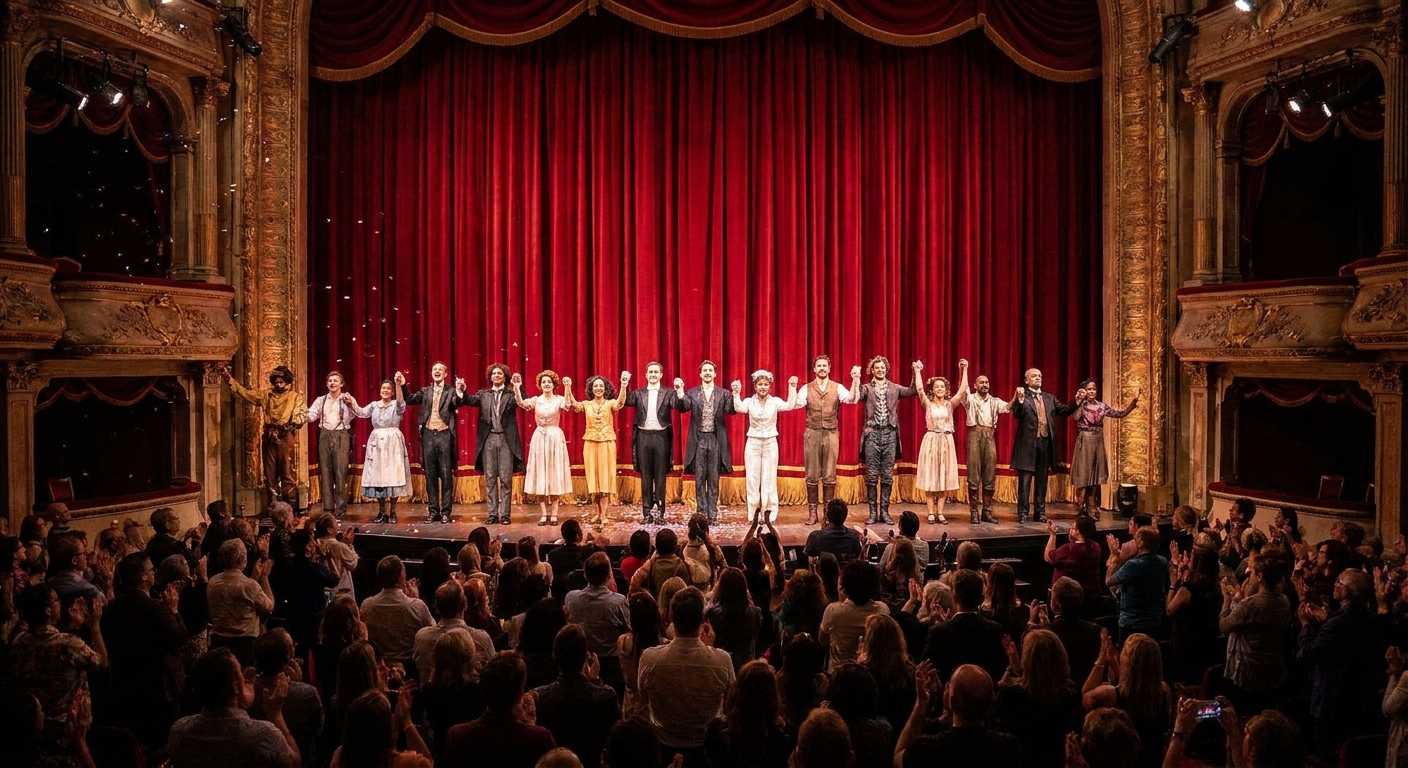
If you are more of a theatergoer, the closest cousin to a concert encore is the curtain call, when actors return to the stage to take bows after the final scene.
- Curtain call: acknowledgement and applause, typically no additional scenes
- Encore: additional performance content, usually more songs
There are crossover moments, of course. Some stage musicals have megamix style finales or reprise sequences that feel like an encore, and some concert tours incorporate theatrical bows. But traditionally, curtain calls are about recognition, while encores are about more material.
What to do during an encore
If you are new to concerts, the encore is where a little etiquette and a little strategy go a long way.
- Do not bolt at the first goodbye. If you leave as soon as the artist walks off, you will miss the most likely encore window.
- Watch for house lights. If the venue turns on full house lights and roadies start tearing down, that is usually the real ending.
- Expect phones, but stay present. Grab a quick clip if you want, then let yourself actually hear the room. An encore is one of the rare moments where a crowd often sings as one.
- Plan your exit after. If you are trying to beat traffic, move toward the aisle near the end of the encore, not before it starts.
The encore is the night’s final shared breath. If you can, stay for it. I have watched a “one more song” become the moment people talk about for years.
Encore FAQs
Why do some artists say “we do not do encores” and then do one?
Sometimes it is playful tradition, sometimes it is showmanship, and sometimes it is a way to keep the energy high. Even when an encore is planned, performers may still frame it as a response to the crowd.
Can there be more than one encore?
Yes. Some artists do a double encore, meaning they leave and return twice. It is less common on tightly scheduled tours, but it happens, especially for acts known for long nights.
Is the encore always the biggest hit?
Not always, but often. Many artists place their most recognizable song in the encore because it sends people out on a high. Others prefer a deep cut, a cover, or a quieter piece as a final signature.
What is an “encore break” on a setlist?
It is the short pause between the main set and the encore. On printed or posted setlists, it is often marked as “Encore:” followed by the final song or songs.