The first time I stage-doored as a kid in Chicago, I remember the sudden switch in energy: inside the theater, everyone is hushed and reverent, watching a world unfold. Outside, near a plain, hardworking door that looks like it leads to a supply closet, the night turns into something else entirely, part sidewalk, part celebration, part logistics. It is less “glamour” and more “we just did a two-and-a-half-hour sprint and now we have to get home,” which is exactly why it can feel so special when performers choose to stop and say hello.
So what is a stage door, really, and what should you expect if you decide to wait?
What a stage door is
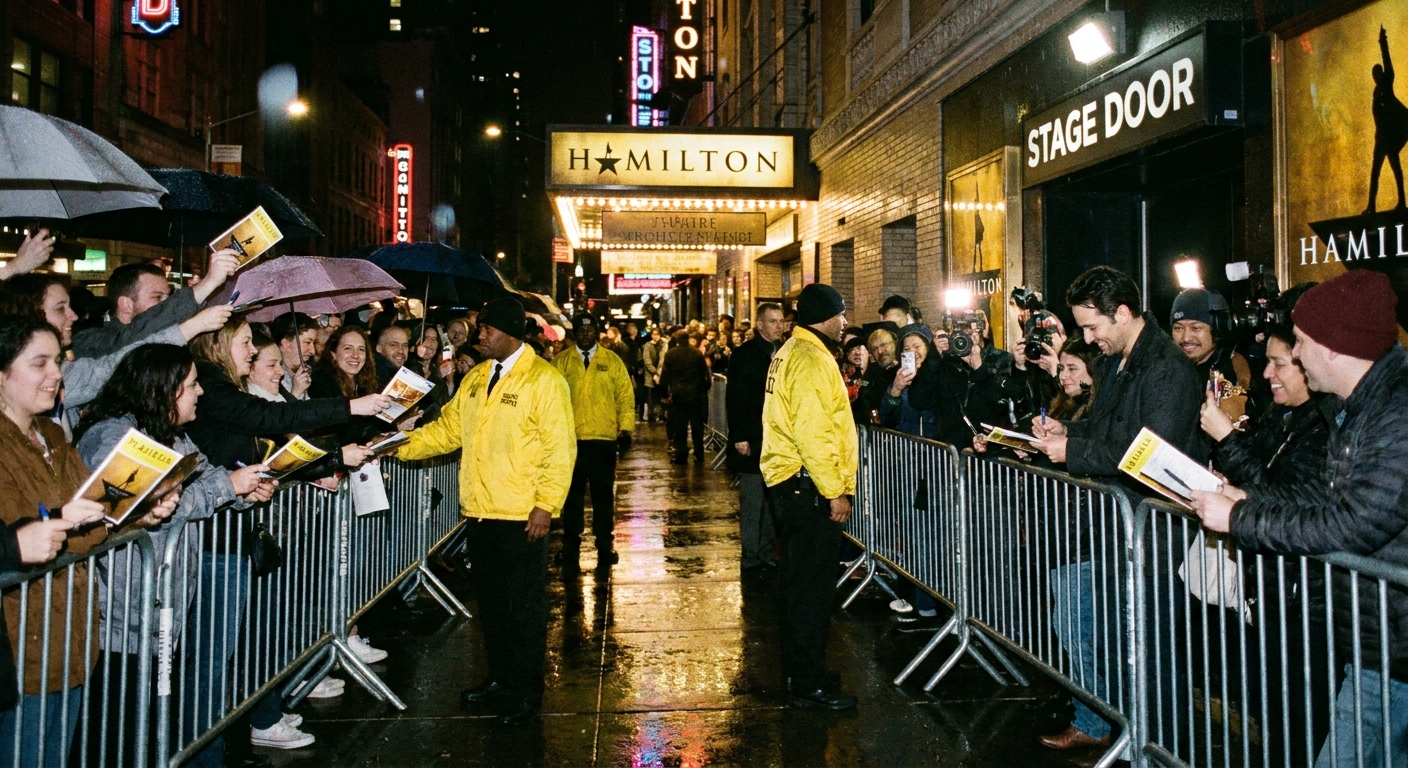
A stage door is the performers’ and crew’s practical entrance and exit, separate from the main lobby doors the audience uses. It is where actors, musicians, stage managers, dressers, swings, and technicians come and go for work. In many theaters, it is on a side street or alley, often with a small sign or a light and very little ceremony. In others, it may be less obvious, unmarked, or routed through an adjacent building depending on how the venue is laid out.
Over time, “stage door” also became shorthand for a post-show tradition: audience members waiting near that door to greet cast members as they leave, sometimes collecting autographs, taking photos, or offering a quick thank-you.
What stage dooring looks like
After curtain call, most of the audience exits, and the people who want to stage-door head toward the designated area outside. Depending on the venue, you might see:
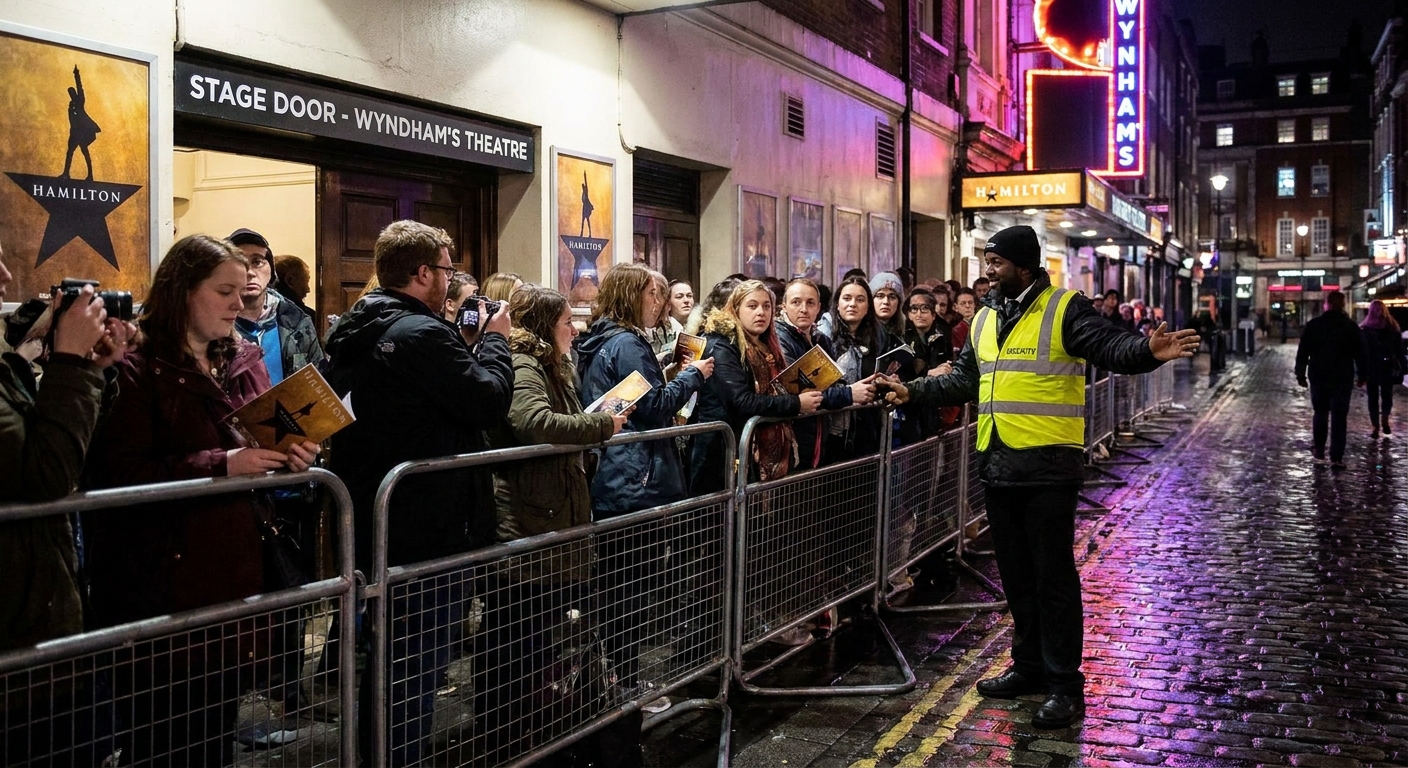
- Metal barricades forming a corridor from the door to the street.
- Security staff managing crowd flow and keeping an exit path open.
- Playbills, posters, and programs held up with markers ready.
- A mix of locals and visitors, including first-timers who are not sure where to stand.
If performers participate, they often come out in waves, not all at once. Some will stop for a few minutes, some will sign quickly while walking, and some will head straight out or leave from a different exit altogether.
How long you might wait
Wait times vary a lot, even for the same show. In general, here is what’s typical:
- 10 to 20 minutes: Common for cast members who can change quickly and have a straightforward exit.
- 20 to 45 minutes: Very normal when someone needs time to de-costume, remove makeup or hair, shower, or get post-show notes from the stage manager or creative team.
- 45 to 90 minutes: Possible on busy nights, during high-demand runs, when a large crowd slows movement, or when a performer has additional backstage responsibilities.
And then there are outliers. Talkbacks, special events, press, security holds, injury checks, or a performer leaving from a different route can stretch the timeline or end the waiting entirely.
If you are on a tight schedule, set a personal cutoff before you start waiting. You can always try again another night, and you will enjoy the memory more if it is not attached to a missed train.
Why performers may skip
Even when a show has a strong stage door culture, no performer is obligated to participate. There are plenty of good, human reasons someone might head out without stopping, including:
- Health and vocal care: Performing eight shows a week is athletic. Protecting your voice and immune system matters.
- Safety concerns: If crowds get too dense or behavior turns aggressive, stage dooring may be limited or canceled.
- Time constraints: A performer might be rushing to childcare pickup, travel, a second job, a late-night rehearsal, or simply sleep.
- Personal boundaries: Not everyone wants to be “on” after they just finished being “on” for hours.
- Production policy: Some productions restrict stage dooring on certain nights or during specific periods.
It can be disappointing, especially if you traveled, but it helps to remember: the gift you already received was the performance itself.
Rules can change
This is the part people do not always realize until they are standing outside with a marker in their hand: stage dooring is not guaranteed, and it is often shaped by the venue. Some theaters do not allow crowds to gather at all. Others move the waiting area across the street, limit photos, or pause the whole practice during heightened health or security periods.
If you want to save yourself some frustration, a quick check helps. Scan the venue’s website, look for posted signs near the exit, and listen to what ushers and security are telling people as the house empties.
Stage door etiquette
The best stage doors feel like a quick, respectful exchange. The worst feel like a scrum. If you want the former, a little etiquette goes a long way.
Do
- Follow security instructions immediately. They are trying to keep a safe passage, not ruin your night.
- Have your item and marker ready before anyone comes out. Fumbling slows the whole line.
- Keep your ask short: a signature, a quick photo, or a brief “thank you.”
- Say the simple thing you genuinely mean. “Your performance made my week” beats a five-minute plot recap.
- Keep walkways clear, including curb cuts, driveways, loading lanes, and the actual door itself.
- Be mindful of accessibility. Leave room for wheelchairs and mobility devices, and if you need an accessible spot, ask security where you can safely wait.
Don’t
- Grab, pull, or touch performers to get attention. Ever.
- Shove items over someone’s shoulder or force your way forward.
- Ask deeply personal questions or bring gossip into the moment. Keep it about the work.
- Demand a selfie. You can ask politely, but accept “no” with grace.
- Film people without consent at close range. A crowded stage door is not a content farm.
Photos and autographs
Stage door rules are mostly unwritten, but there are norms.
Photos
- Ask first, and ask quickly: “May I get a photo?”
- Be ready with your camera open and set. If you need three takes, skip it.
- Respect the flow. If the performer is signing for a moving line, photos may not be possible.
Autographs
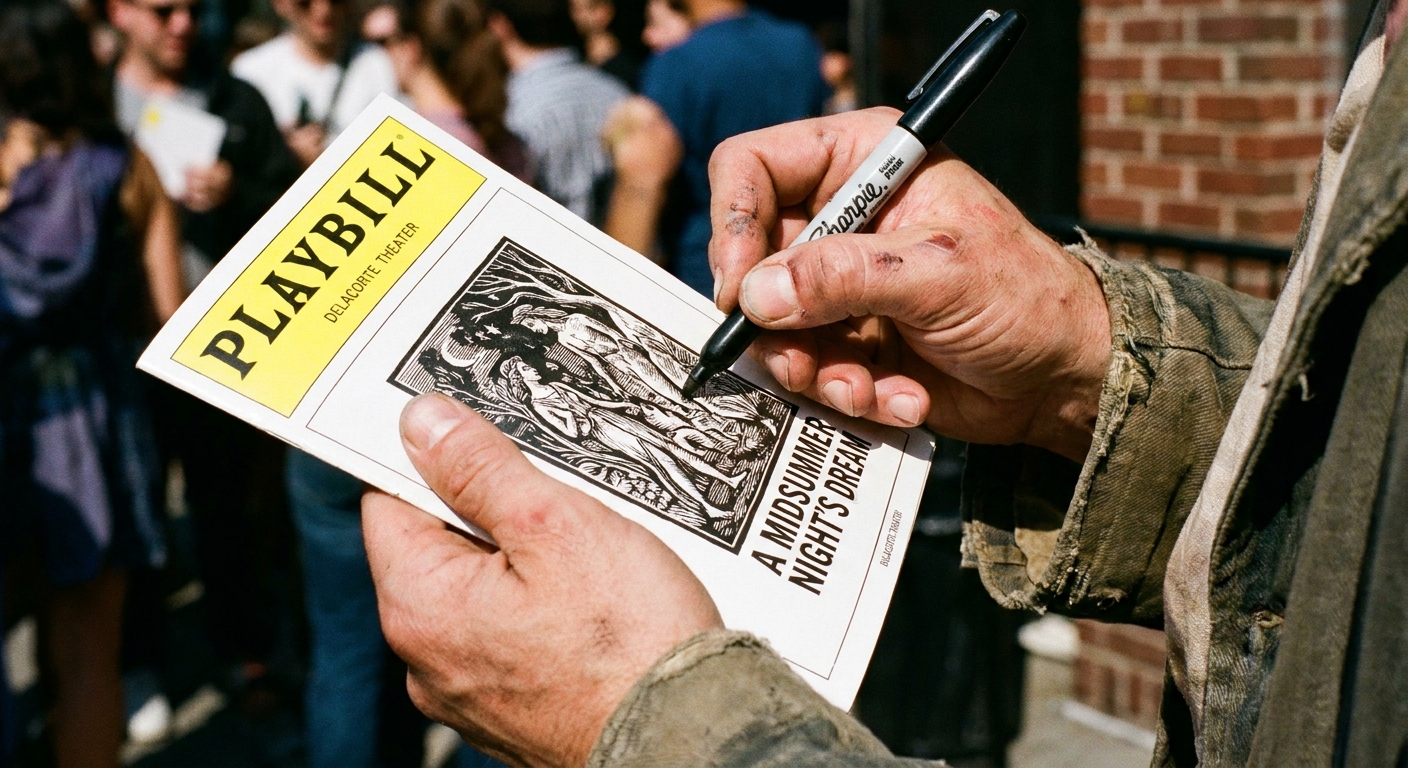
- Bring something appropriate: a playbill, program, or poster you already have.
- One item is a good standard when the crowd is large. Multiple items can clog the line and feel unfair to others.
- A thick marker (like a black permanent marker) is usually easiest on glossy programs.
If someone cannot sign or chooses not to, a smile and “thank you anyway” keeps the moment kind. People remember how you made them feel.
Crowds and kids
Stage door crowds can be intense, especially for a buzzy show, a holiday week, or a cast with major name recognition. If you are going with kids or you are new to it:
- Prioritize safety and comfort. Stand where you have space to step back if the crowd compresses.
- Set expectations. Meeting someone is a “maybe,” not a promise.
- Consider an early exit if it feels overwhelming. There is no prize for enduring a stressful scrum.
A good alternative is to simply watch for a few minutes, soak up the excitement, and leave before the crowd peaks.
Matinees and talkbacks
If you are stage-dooring after a matinee, the vibe can be different. People are often trying to get to dinner plans, trains, or a second show, and the crowd can either be lighter or weirdly rushed. Talkbacks, post-show Q&As, and special events can also change everything. Sometimes the cast exits later. Sometimes they exit elsewhere. Sometimes they do not exit to the stage door at all.
Waiting for a star
It is normal for audiences to hope to see a specific performer, especially on Broadway or the West End. The key is behavior. Waiting quietly and respectfully is one thing. Treating the stage door like a red carpet, shouting names, or pressuring someone who is clearly trying to leave is another.
In some productions, the most recognized cast members may stage-door less often, particularly when security is tighter or schedules are packed. If you do see them, your best bet is to be calm, brief, and courteous.
How to find the stage door
Many theaters have a primary “work door” where staff and cast enter, but some venues have multiple exits or different nightly routes. If you are unsure:
- Look down the side street rather than the main entrance.
- Follow the gentle migration of other audience members after curtain call.
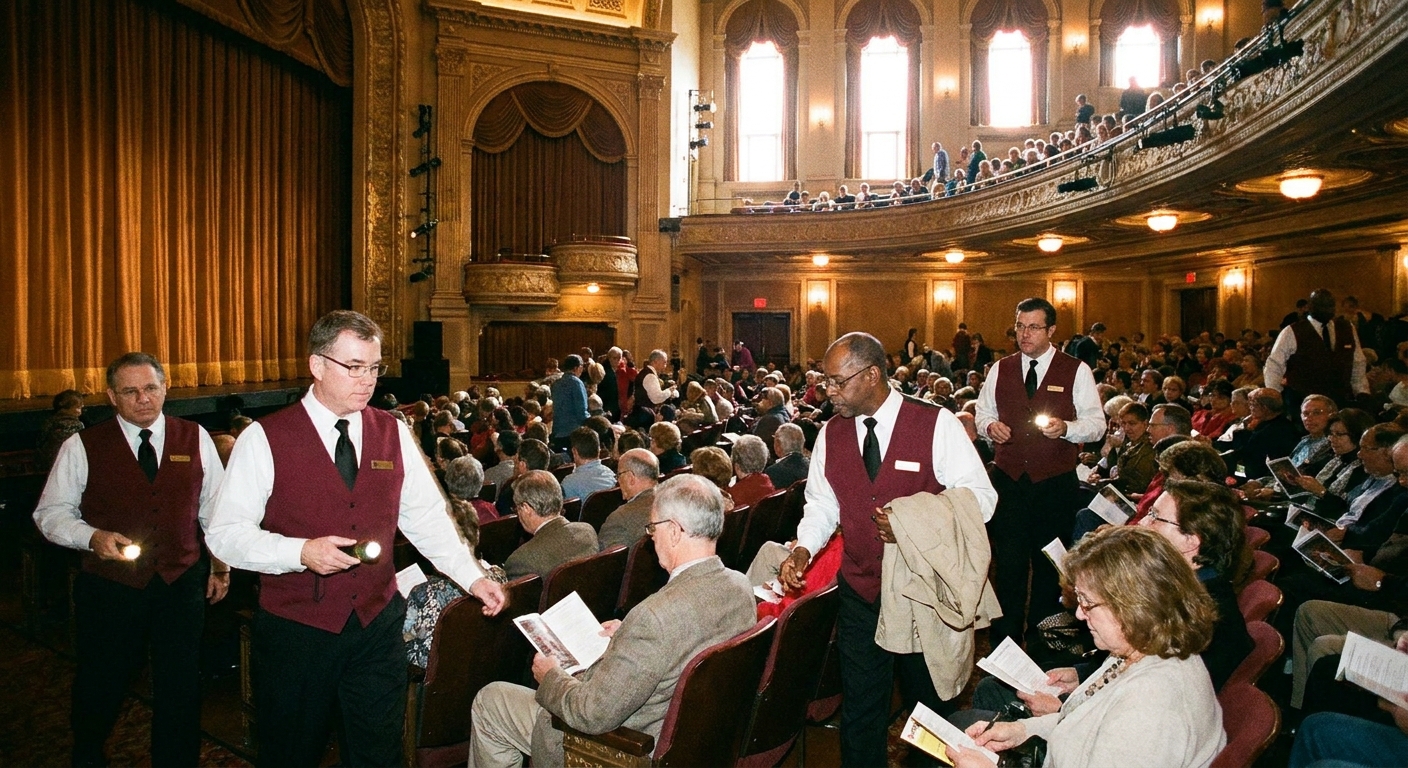
- Ask an usher politely on your way out where the stage door is and where you are allowed to stand.
Remember that not every venue supports stage dooring, and some have policies that limit where crowds can gather.
FAQ
Do all performers come out?
No. Some do, some do not, and it can change night to night. Participation is voluntary, and sometimes restricted for safety or scheduling reasons.
Is stage dooring only for Broadway?
Not at all. You will find stage door traditions at regional theaters, tours, opera houses, dance venues, and festivals. The size of the crowd and the level of access vary widely.
Can I bring gifts?
Small, thoughtful notes are sometimes appreciated, but gifts can be complicated for performers to carry, store, or accept. When in doubt, skip it and offer a sincere compliment about the work.
What if someone says no?
Take it as a complete answer. A polite “thank you” is the most professional response you can give, and it keeps the space comfortable for everyone.
The takeaway
The stage door is not part of the show, but it is part of theater culture: a small, sometimes chaotic, often lovely meeting point between the artistry onstage and the humans who made it happen. If you choose to wait, do it with patience, courtesy, and realistic expectations. The best stage door moments are the ones where everyone gets to leave feeling respected.