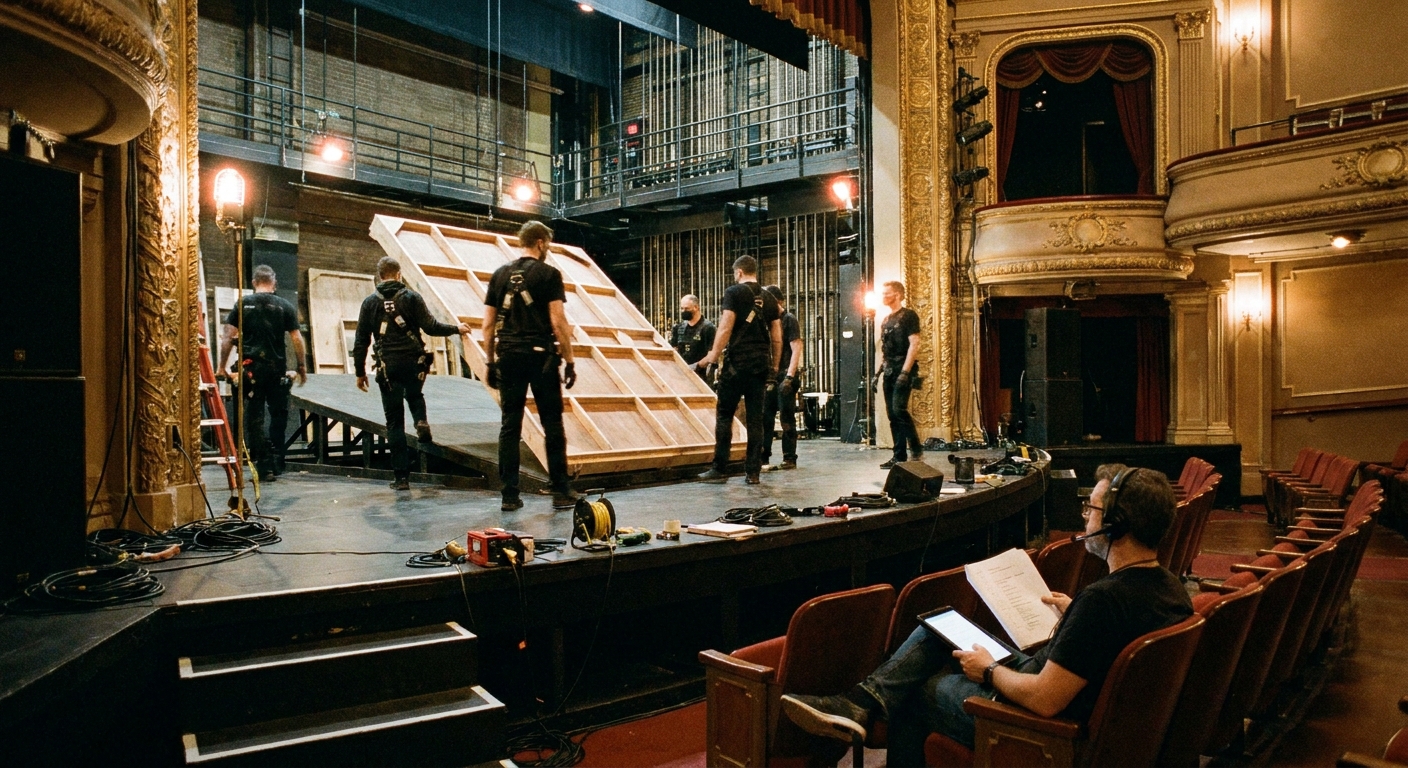
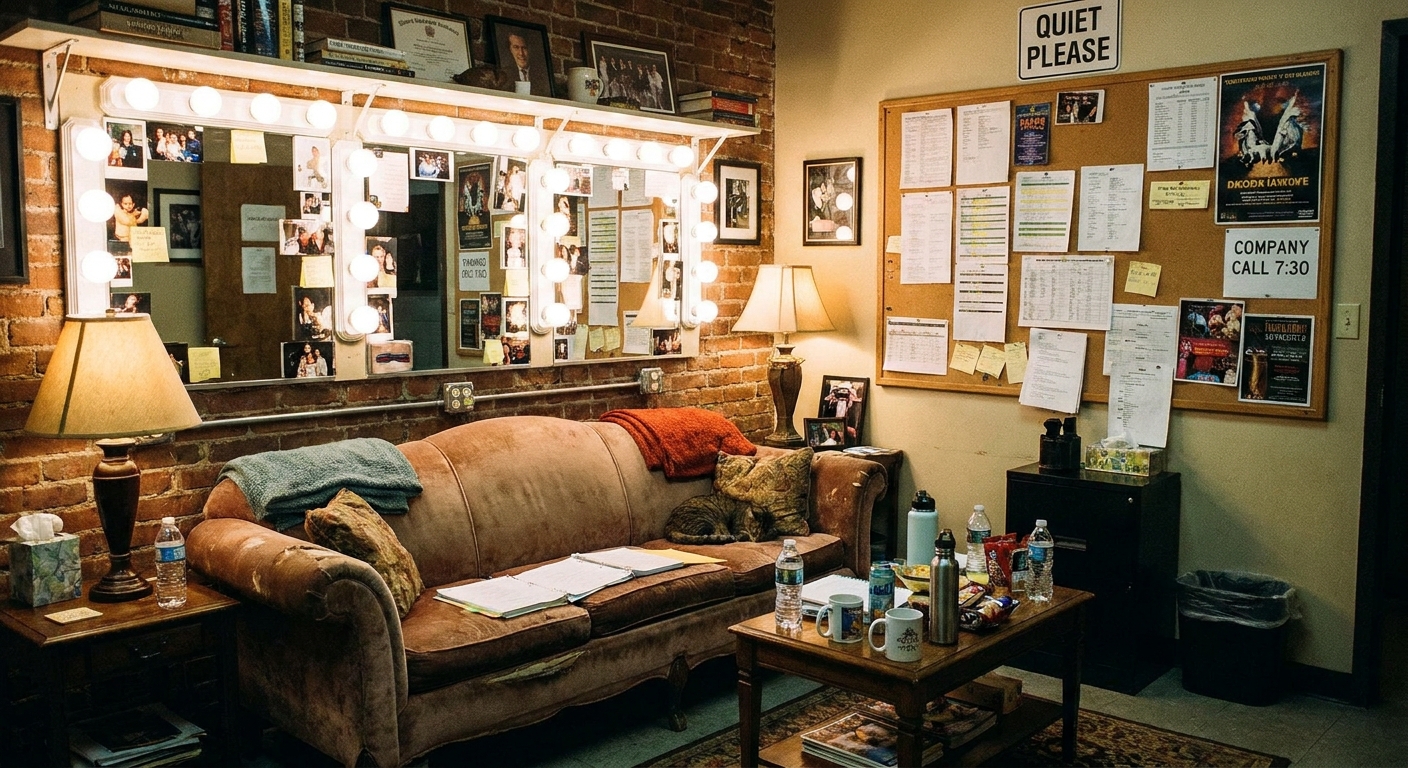
The first time I was allowed into a real green room, I was a kid in Chicago trailing my mom through a regional theater where she was helping paint flats. I remember thinking it would be, well, green. Like a literal room dipped in mint paint. It was not. It was a slightly battered lounge with a sofa that had seen a thousand quick costume changes and a bulletin board covered in call times, handwritten notes, and the kind of snack offerings that could get you through a matinee and an evening show without losing the will to sing.
That mix of the ordinary and the magical is kind of the point. A green room is where performers look the most human right before they have to look otherworldly under lights.
Green room definition
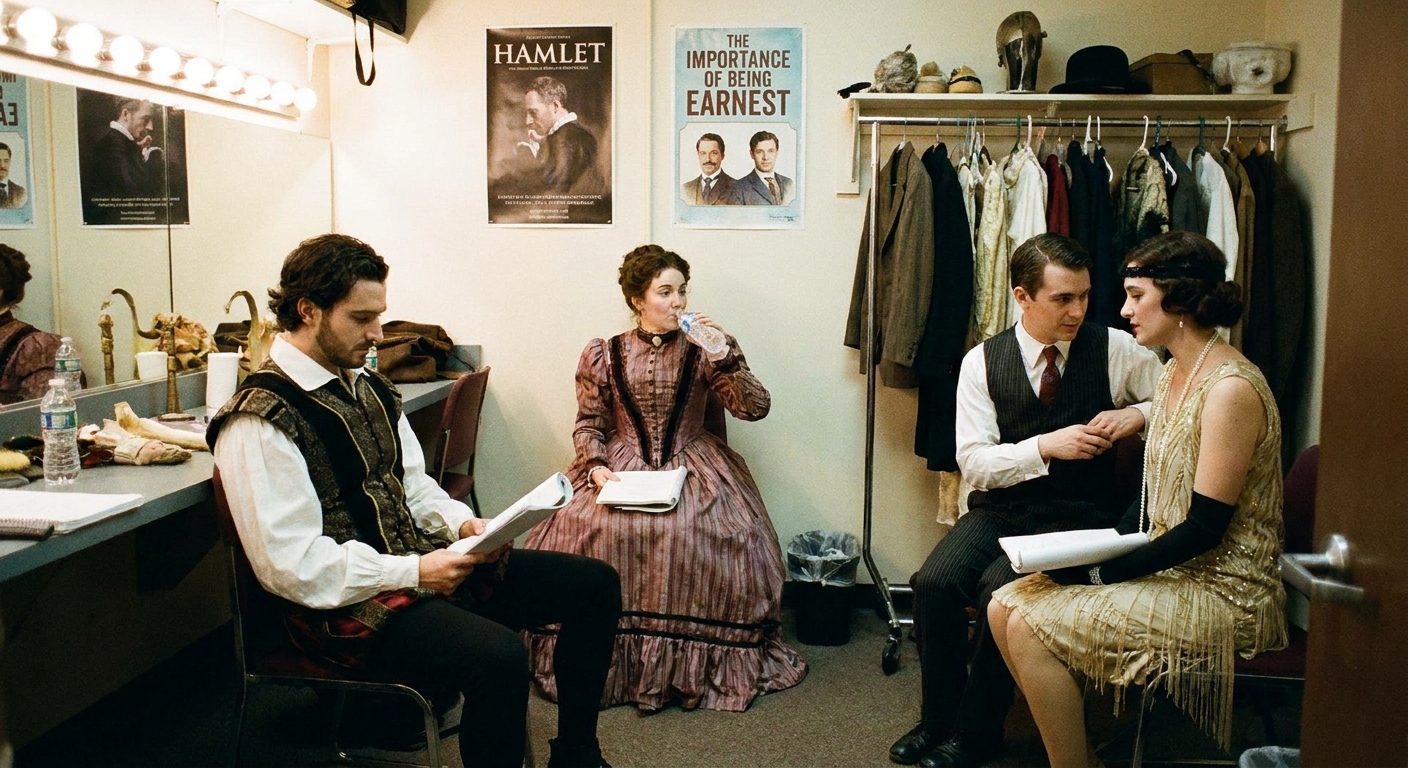
In theater, a green room is a backstage waiting area where performers and sometimes special guests hang out when they are not onstage. It is often located in or near the backstage area so actors can be reached quickly when it is time for an entrance, though in some buildings it ends up farther away simply because that is where the space is.
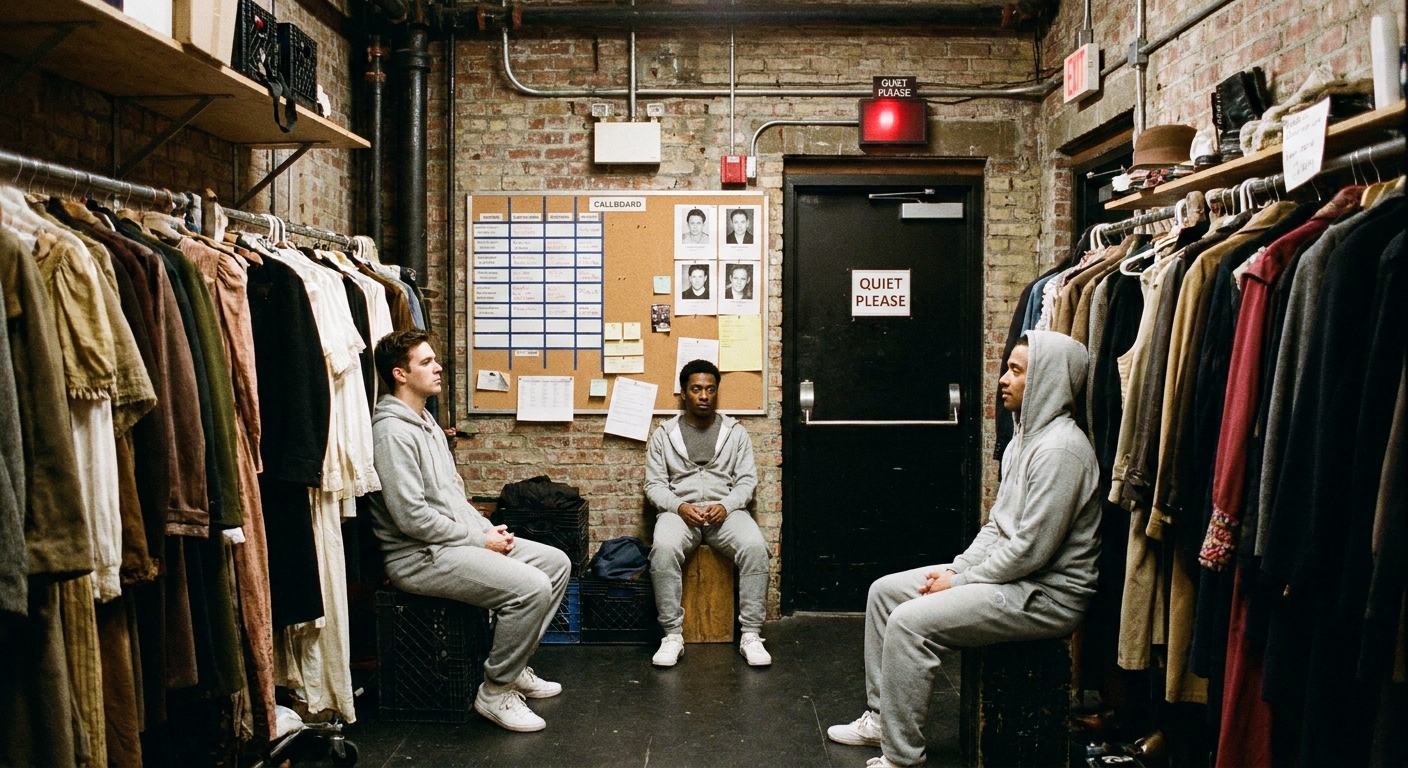
Think of it as a cross between a lounge and a staging zone: a place to breathe, focus, warm up quietly, grab water, and get last-minute notes before stepping into the story.
What happens in a green room
The green room’s vibe changes depending on the production, the building, and the moment in the schedule. During rehearsals, it can feel like a study hall. During a run, it can feel like a locker room right before a championship game, except everyone is trying not to jinx anything.
During rehearsals
- Waiting between calls: Actors may be on deck for a scene later and need to stay nearby.
- Quiet line work: Reviewing lines, lyrics, or choreography notes, especially during tech-heavy periods.
- Notes and quick regrouping: Directors, stage managers, and assistants may pop in to relay schedule updates or staging adjustments.
- Community building: The green room is where casts often start to feel like a company, not just individuals doing a job.
During performances
- “On deck” waiting: When you are close to going onstage, you may wait in the green room or nearby corridors so you can be reached fast.
- Hydrating and fueling: Water, tea, cough drops, quick snacks, and the occasional emergency safety pin situation.
- Staying warm and ready: Gentle vocal warmups, stretching, shaking out nerves. Usually nothing too loud, because other actors are listening for cues.
- Quick costume fixes: Not full changes, which tend to happen in dressing rooms, but last-minute adjustments are common.
One thing you do not usually do in a green room: perform at full volume. A well-run backstage area is all about protecting focus. If the stage manager says “quiet backstage,” the green room becomes a temple.
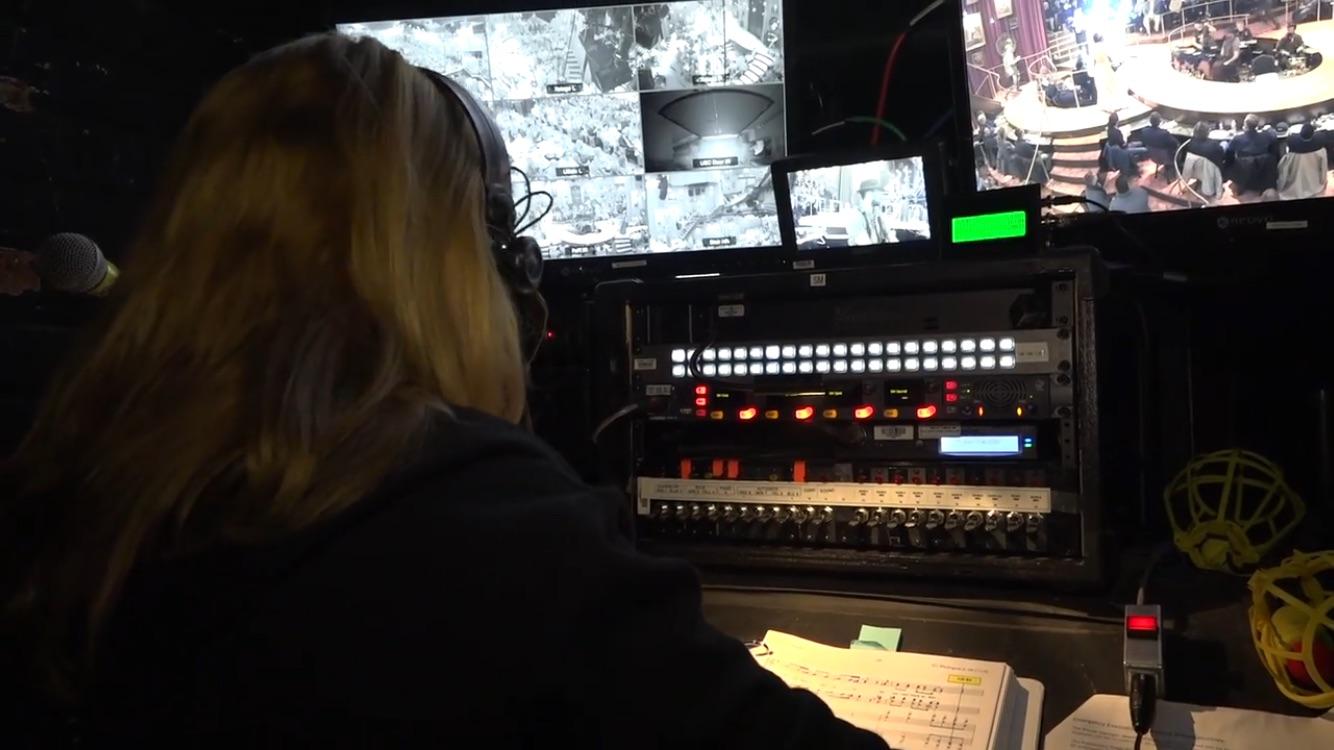
As for what you will actually find in there, it ranges from humble to surprisingly well-equipped. Common green room staples include a callboard with the day’s schedule, a backstage monitor feed so you can follow the show, cue lights or paging, a place to sit, and some version of the eternal snack table. Restroom proximity is its own kind of luxury, and not every building has it.
Why is it called a green room?
Theater history is full of origin stories that sound like folklore, and the green room is no exception. There is no single universally proven explanation, but a few theories show up again and again, often without definitive documentation:
- It used to be painted green: Some venues reportedly painted backstage waiting rooms green because the color was considered calming for the eyes and nerves.
- “Green” as in “fresh” or “new”: A sometimes-suggested idea is that “green” once meant inexperienced, so the “green room” could have implied a place performers waited before going on. This one gets repeated a lot, even though hard evidence is thin.
- Connections to “the green” in older theaters: In some British theater traditions, “the green” referred to a common area near the stage where actors gathered.
What matters in practice is less the paint color and more the function: it is the room that cushions the jump between real life and performance life.
Green room vs. lobby, dressing rooms, and the stage door
If you are new to theater layouts, it is easy to mix up the backstage map. Here is how the green room differs from other common spaces.
Green room vs. the lobby
The lobby is for the audience. It is where you enter, grab a drink, scan your ticket, and talk about what you hope the show will be. The green room is for performers and staff. If you are in the lobby, you are in the world of patrons. If you are in the green room, you are in the world of cues.
Green room vs. dressing room
Dressing rooms are where performers change clothes, do hair and makeup, store personal items, and often have assigned stations. A green room is more communal and more transient. You might visit it for ten minutes between scenes or sit there for an hour if you have a long gap.
Some theaters combine these functions, especially smaller venues. You may see a space that acts like a green room and a shared dressing room at the same time. In larger houses, they are usually distinct.
Green room vs. stage door
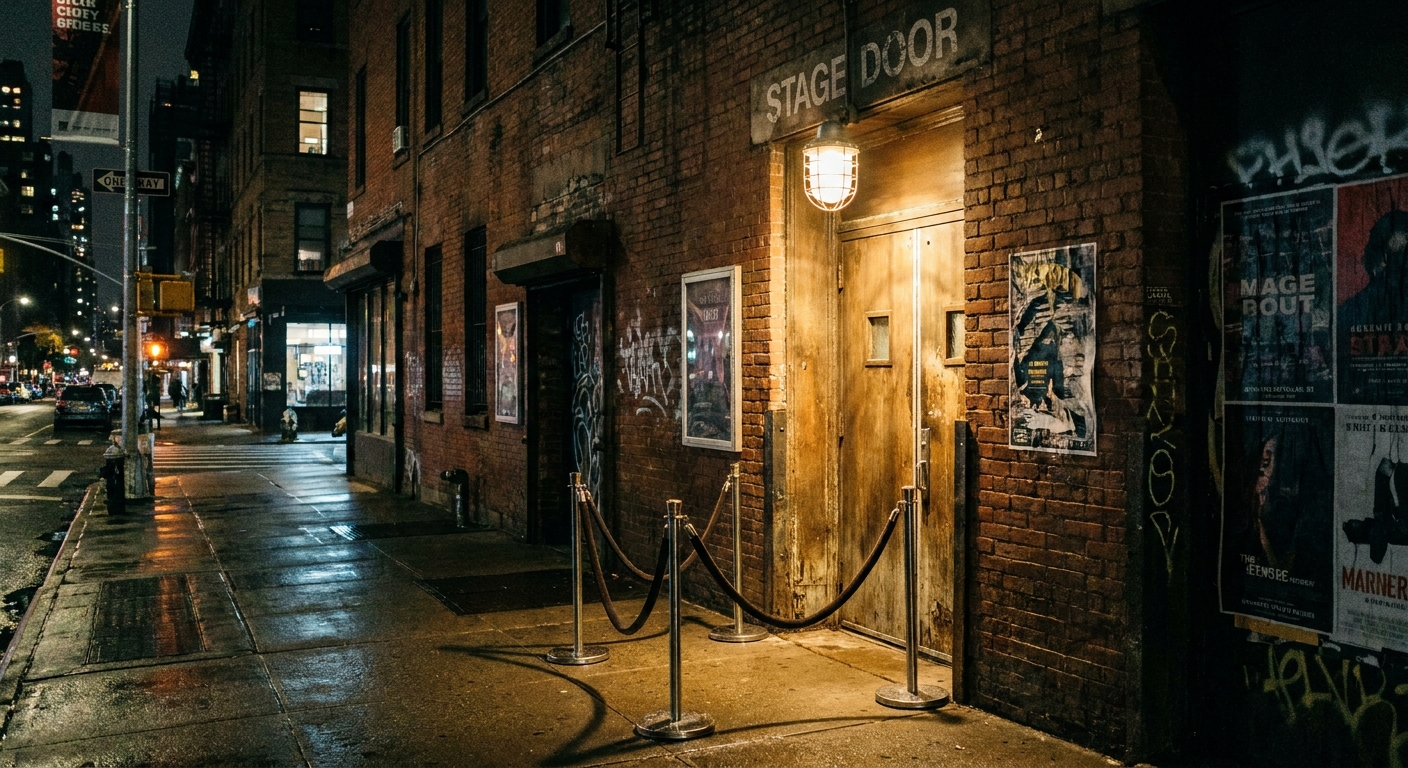
The stage door is a specific entrance used by cast and crew, typically at the side or back of the building. It is also the place audiences associate with post-show greetings, autographs, and quick hellos when that is allowed and safe. Many productions prohibit stagedooring entirely or limit it, depending on policy and the moment. The green room is inside the backstage area, and it is not generally a public meet-and-greet spot.
If you have ever wondered why performers do not just pop out to the lobby after a big moment, the green room is one answer: they are often required to stay in a controlled backstage flow so the show can run smoothly.
Who uses the green room?
It is not only actors. Depending on the production and venue, a green room may be used by:
- Performers: actors, dancers, singers, understudies, swings.
- Stage management: especially to check in quickly or relay updates.
- Musicians: in some houses, especially if the orchestra or band area is nearby.
- Guest artists and presenters: for special appearances, talkbacks, or events.
- TV and press guests: occasionally, in televised or recorded settings, the “green room” can be a holding lounge for interview subjects.
Access is controlled for good reason. Backstage is a working environment with moving scenery, quick changes, and safety concerns. Even when the energy feels relaxed, it is still part of the machine that makes the show possible.
Green rooms outside theater
Depending on the venue, you might also hear “green room” used more broadly to mean a VIP or guest lounge for speakers, comedians, musicians, or event presenters. The function is similar: a private place to wait, reset, and get cued in before going out in front of a crowd.
What a green room is like in TV tapings
In television, the term green room is used similarly but with a slightly different rhythm. It is often a holding area for guests who are about to appear on camera, like interview subjects on a talk show, performers on a variety program, or contestants on a competition show.
In that context, the green room can include:
- Pre-interview conversations with producers
- Wardrobe and mic checks
- Hair and makeup touchups
- Briefing on timing, entrances, and what to expect on set
Theater green rooms tend to be about repeated entrances and exits across a live performance. TV green rooms tend to be about preparing for a scheduled on-camera moment, sometimes with more formal production steps before someone is brought to set.
Green room etiquette
Every company has its own culture, but a few basics show up in most green rooms:
- Keep it low-volume: save big energy for the stage.
- Respect focus: if someone is running lines or centering themselves, do not make them socialize.
- Do not block pathways: backstage traffic patterns matter, especially during quick changes and scene shifts.
- Food boundaries: avoid strong smells, messy snacks, and anything that could stain costumes.
- Leave it better than you found it: the green room is shared, which means tidying is a form of kindness.
My favorite green room moments are never glamorous. They are the quiet ones: someone lending a spare bobby pin, someone sharing a throat lozenge, someone sitting very still with their eyes closed as if listening to the show from behind the walls.
FAQ
Is a green room always green?
No. Many green rooms are not painted green at all. The name is traditional, and the purpose matters more than the color.
Do audience members ever go into the green room?
Typically, no. It is a backstage working space. Some theaters offer backstage tours at specific times, and a tour may include a quick look at the green room, but that is the exception rather than the rule.
Is the green room the same as “backstage”?
Not exactly. “Backstage” refers to the whole behind-the-scenes area. The green room is one specific room within that backstage ecosystem.
Do small theaters have green rooms?
Sometimes. In smaller venues, the green room might be a corner of the backstage area, a repurposed office, or a shared lounge that also functions as a dressing space. The label is flexible, but the need for a nearby waiting area is real in almost any live production.