I still get a little thrill when a program says Preview. It feels like being invited into the workshop, not just the showroom. You are watching a real, ticketed performance with a real audience, but you are also catching the production in that electric in-between state where the storytelling is alive enough to soar and flexible enough to be reshaped.
Preview performance, defined
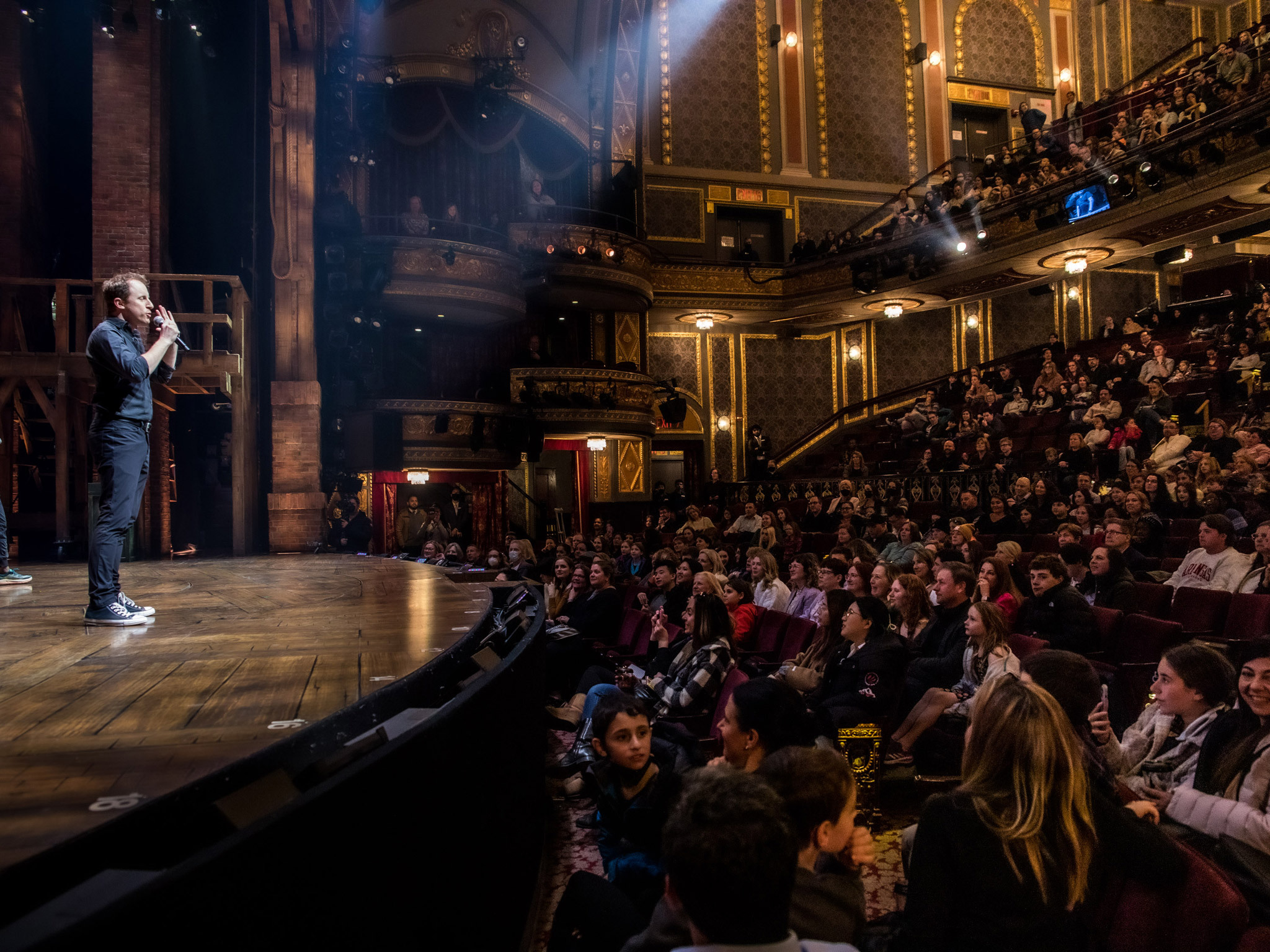
A preview performance is a public, paid performance that happens before a show’s official opening night. In many productions, previews are already on the calendar as part of the run, meaning you buy a ticket, take your seat, and watch the piece performed in front of an audience much as you would after opening.
The key difference is that during previews, the creative team is still actively evaluating the show in front of an audience and may make changes from night to night.
What can change during previews?
Previews exist because theater is a living art form. A show behaves differently once it meets an audience. Laughs land in unexpected places. A dramatic beat needs more air. A transition drags. Previews give the team time to respond.
Common changes
- Script adjustments: jokes rewritten, scenes tightened, lines cut or added.
- Song and music tweaks (in musicals): new underscoring, altered tempos, changed keys, cuts or additions.
- Staging and choreography refinements: cleaner traffic patterns, re-blocking a scene, simplifying a dance break for clarity or safety.
- Pacing: trimming pauses, rethinking scene changes, reordering moments so the story builds more smoothly.
- Design calibrations: lighting levels, sound balance, projections, costume quick-change solutions, prop substitutions.
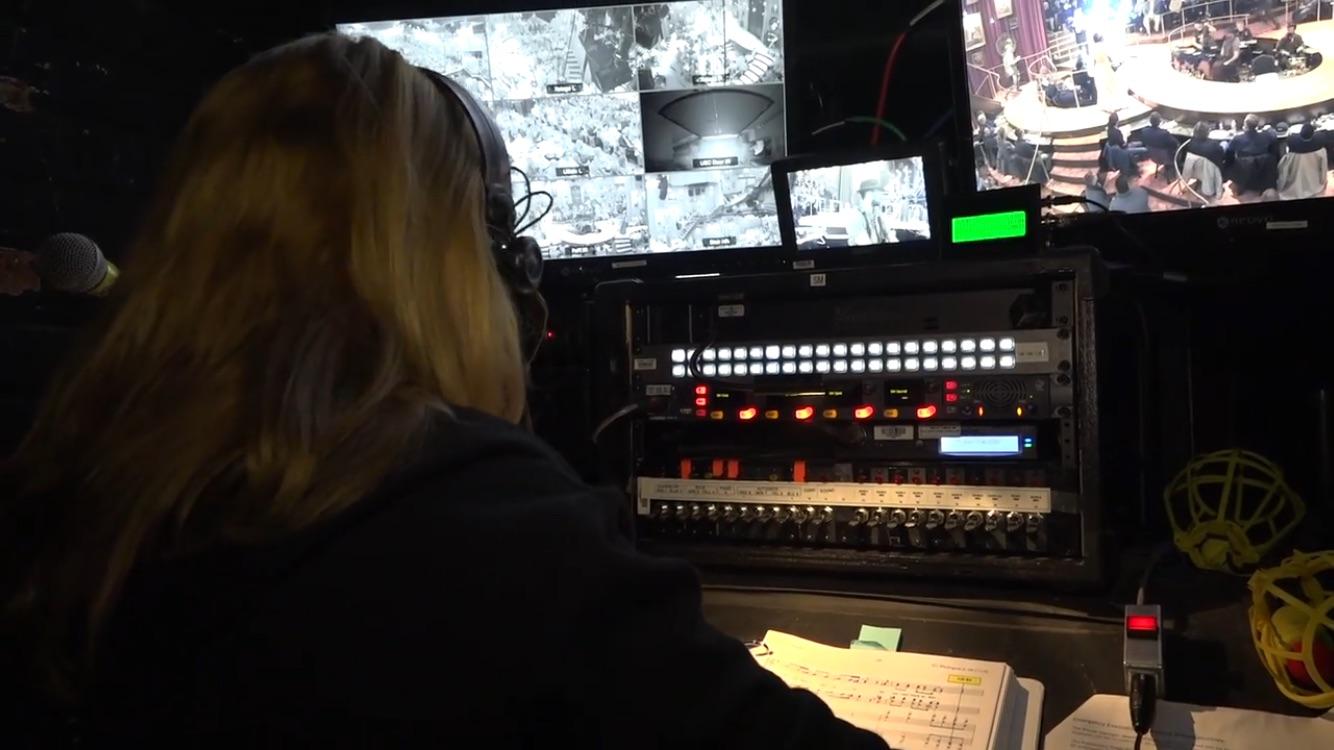
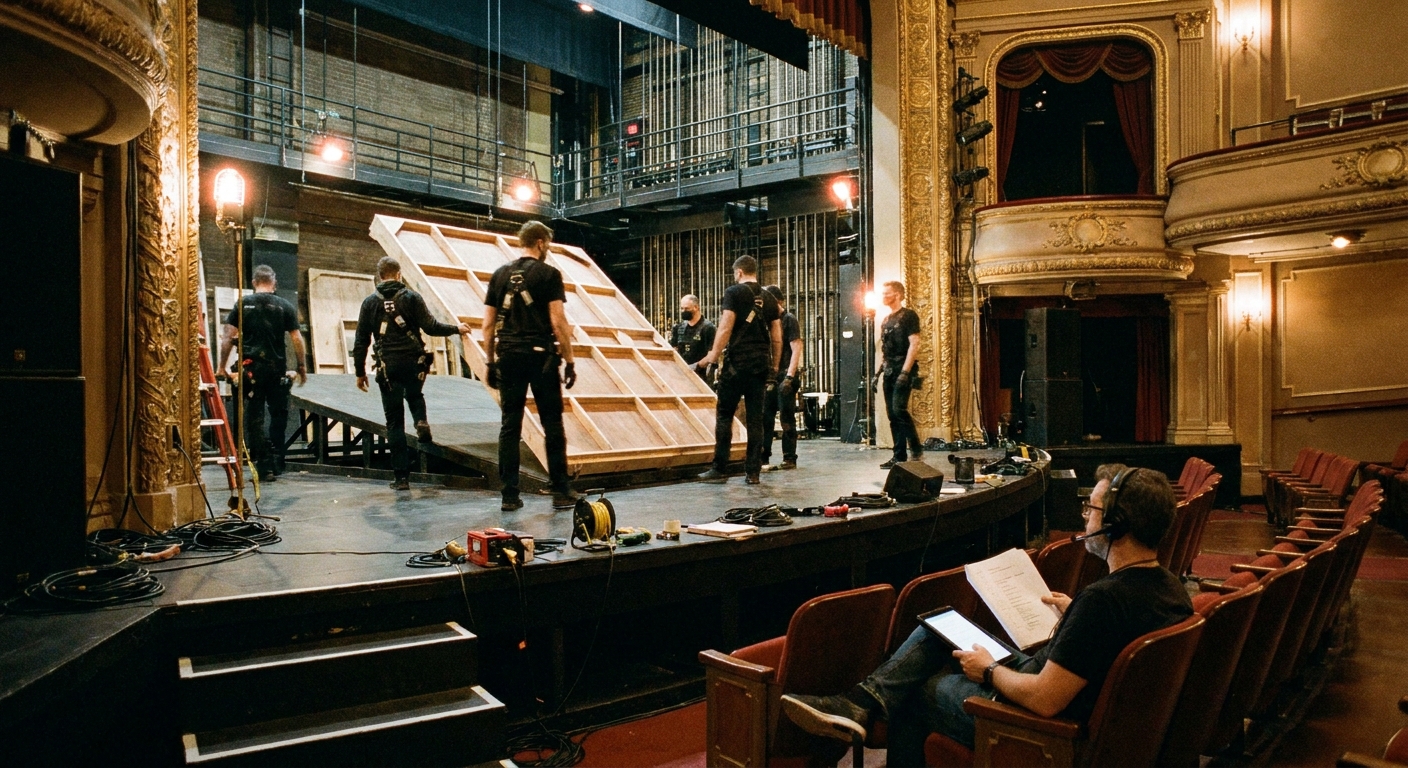
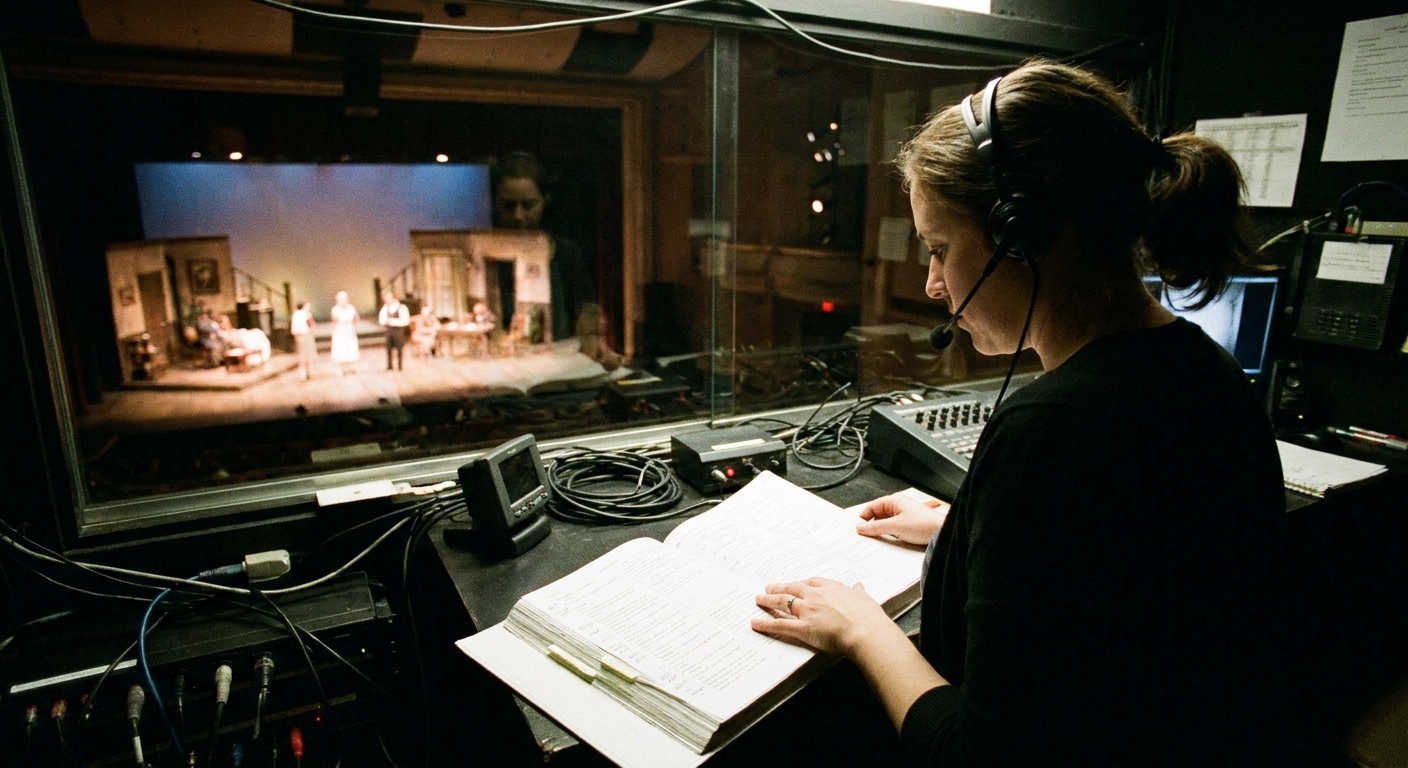
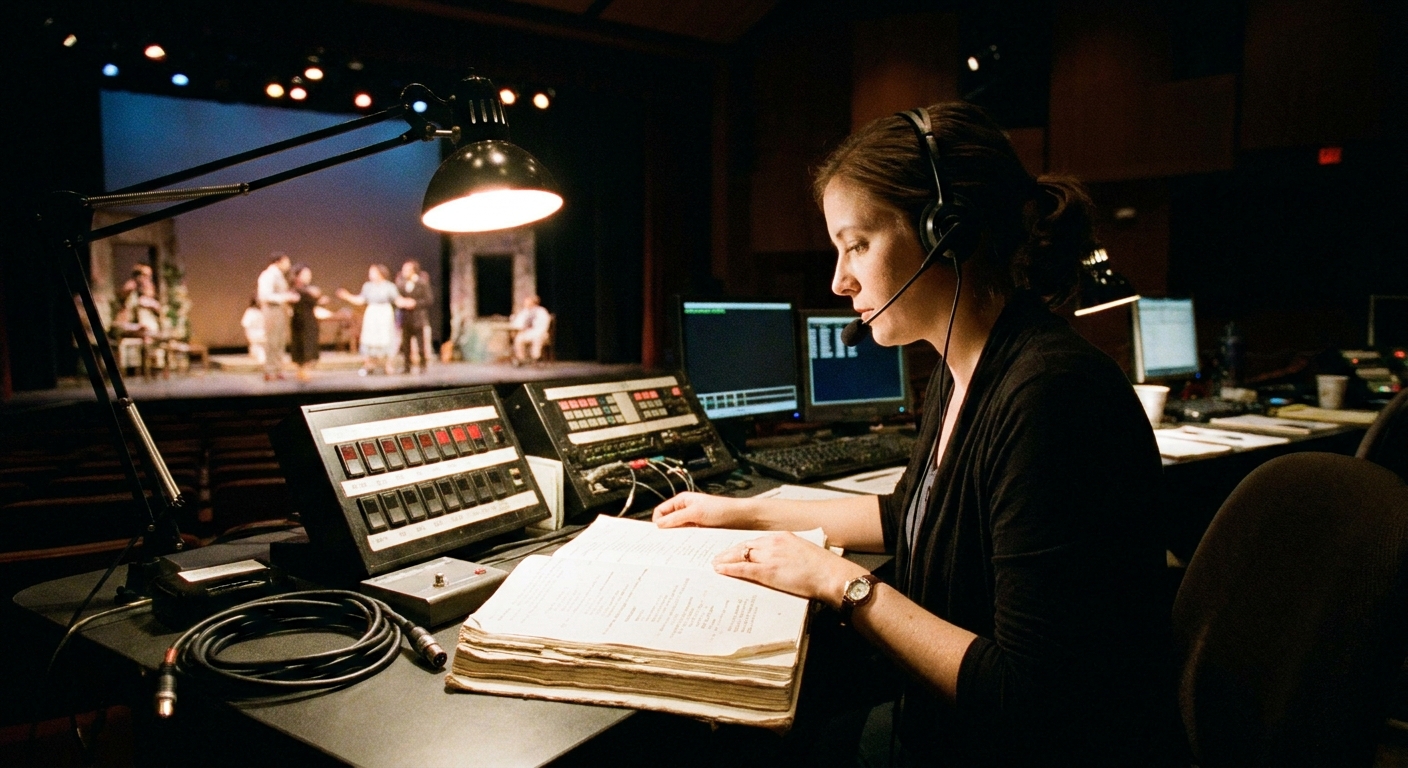
- Technical problem-solving: cue timing, automation reliability, backstage choreography, microphone placement.
Most of these changes are small and invisible if you do not know what to look for. Occasionally, they are significant. A character entrance moves. A scene disappears. A new ending is tested. None of this changes your job as an audience member, but it can change what you see from night to night.
Are previews less polished?
They can be, but they are not meant to feel unfinished. In many commercial productions, by the time a show reaches previews it is essentially fully staged, costumed, and lit. The cast is performing for an audience, not walking through.
That said, previews can sometimes include:
- Slightly rougher edges: transitions still smoothing out, timing still finding its groove.
- Longer notes sessions afterward: you will not see that part, but it is happening.
- Occasional technical hiccups: a cue a fraction late, a sound level that needs rebalancing.
If you love witnessing the craft in motion, previews can feel like front-row access to the creative process. If you want the show at maximum consistency, opening and beyond is the safer bet.
Are preview tickets cheaper?
Sometimes, but not always. Pricing varies by production and venue, and demand-based pricing can narrow the gap quickly. Some shows discount early performances to build word of mouth and fill the house. Others price previews close to regular performances, especially when interest is high or the run is limited.
Preview vs dress rehearsal
This is the confusion I hear most often, and it makes sense. Both happen before opening, and both can look like the finished product. But they serve different purposes and usually have different audiences.
Key differences
- Preview: Public and ticketed. Played for a full audience. Often part of the scheduled performance calendar, though early dates can be more changeable than later ones. Changes are still expected.
- Dress rehearsal: Typically not a standard public ticketed performance. It is the company running the show in full performance conditions to test timing, costumes, makeup, and technical elements. Depending on the production, it may be closed or have an invited audience.
In other words, a dress rehearsal is primarily for the production team to rehearse under performance conditions. A preview is the show meeting its audience while still being tuned.
What it feels like
From the seat, a preview usually feels like a normal performance. You arrive, you watch, you applaud, you leave humming the melody or replaying the monologue in your head. The differences are more about context than experience.
You might notice:
- A different energy in the room: audiences often arrive curious and a little more forgiving.
- Creative team presence: writers, directors, and producers are frequently in the house, watching carefully.
- Minor variations night to night: if you see multiple previews, you can sometimes track the evolution like chapters being revised in real time.
One small reassurance, because people sometimes overthink it: you are not there to participate in a focus group. React like you normally would, laugh when you laugh, sit in the silence when it is quiet, and keep the same theater etiquette you would at any performance, including no phones and no recording.
Should you go to a preview?
It depends on what you want out of the night.
Previews are a great choice if you want:
- A glimpse behind the curtain of how theater gets shaped.
- The excitement of discovery, especially with new work.
- Potentially lower prices, depending on the production.
You might prefer after opening night if you want:
- Maximum consistency from performance to performance.
- The version that reviewers saw (reviews typically begin after opening, depending on the market and outlet).
- Peak technical precision, once the team has had more reps with an audience.
If you are traveling specifically for a show, it is also worth double-checking the performance notice and the ticket exchange or refund policy. Early in a run, schedules can be a little more fluid than they look on paper.
Preview performance FAQ
Can critics review a preview?
In many major markets, reviews are traditionally pegged to opening night rather than previews, because the show is still changing. That said, some outlets will attend previews for background, publish “first look” features, or review earlier depending on their policies and the production’s press access.
Does the cast hold back?
In a professional production, no. The expectation is a full performance. What changes is not the effort, it is the ongoing refinement around the effort.
Will the show stop if something goes wrong?
Usually a preview plays straight through, just like any other performance. Rarely, if a major technical issue affects safety or makes the show impossible to continue, the performance may pause. That is uncommon, but previews are where systems are still being stress-tested.
Is a preview the same as a first performance?
A show’s first preview is often its first public performance in that venue, but a production may have had earlier runs elsewhere, like out-of-town tryouts or earlier engagements, before arriving for previews in a new house.
What about accessibility services during previews?
Many theaters offer the same accessibility services during previews as they do after opening, but because technical elements are still being dialed in, it is smart to confirm in advance if you are relying on a specific service such as captions, audio description, or assistive listening.