The first time singers and a full orchestra meet each other in the same room, something shifts. Tempos become real, colors bloom, and the show starts sounding like the show. In musical theater, that moment has a name: the sitzprobe (often pronounced zits-PROH-buh or sits-PROH-buh).
Definition: What a sitzprobe is
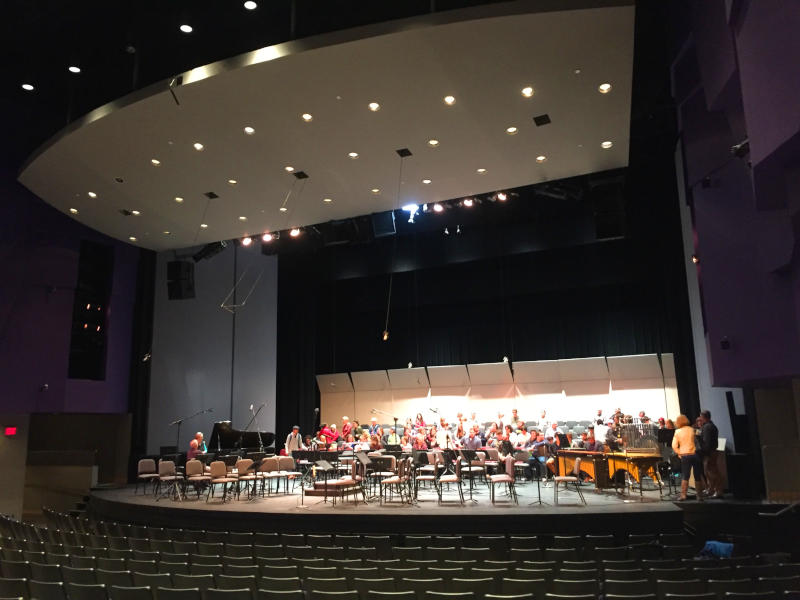
A sitzprobe is a seated rehearsal where a musical’s cast sings the score with the orchestra, typically for the first time. The cast usually sits in chairs with their music, pencils, and water, while the orchestra is set up as it would be in the theater pit or onstage.
The goal is not staging. It is not costumes. It is not lighting. It is the sound of the musical coming together: voices plus full orchestration, under a conductor, with the music director shaping phrasing, dynamics, and pacing in real time.
Depending on the production, microphones may be part of the day or not. Some sitzprobes are fully acoustic. Others include mics for balance checks, especially if the sitzprobe is paired with an early sound call.
Why it’s called a sitzprobe
The word comes from German: sitzen (to sit) and Probe (rehearsal). Theater folks adopted it because it describes the literal setup. Everyone is seated, everyone is focused, and everyone is listening like their life depends on it.
And honestly, for two or three hours, it kind of does. A sitzprobe is where a performer learns whether a breath plan survives the tempo, where an orchestration reveals its emotional punch, and where a conductor discovers the precise moment a ritardando becomes either heartbreak or melodrama.
Who’s in the room
A sitzprobe is one of the few rehearsals where the musical’s worlds fully overlap. Depending on the production, you will often see:
- The cast (principals and ensemble)
- The orchestra (sometimes reduced earlier, then full)
- The conductor/music director, leading the run
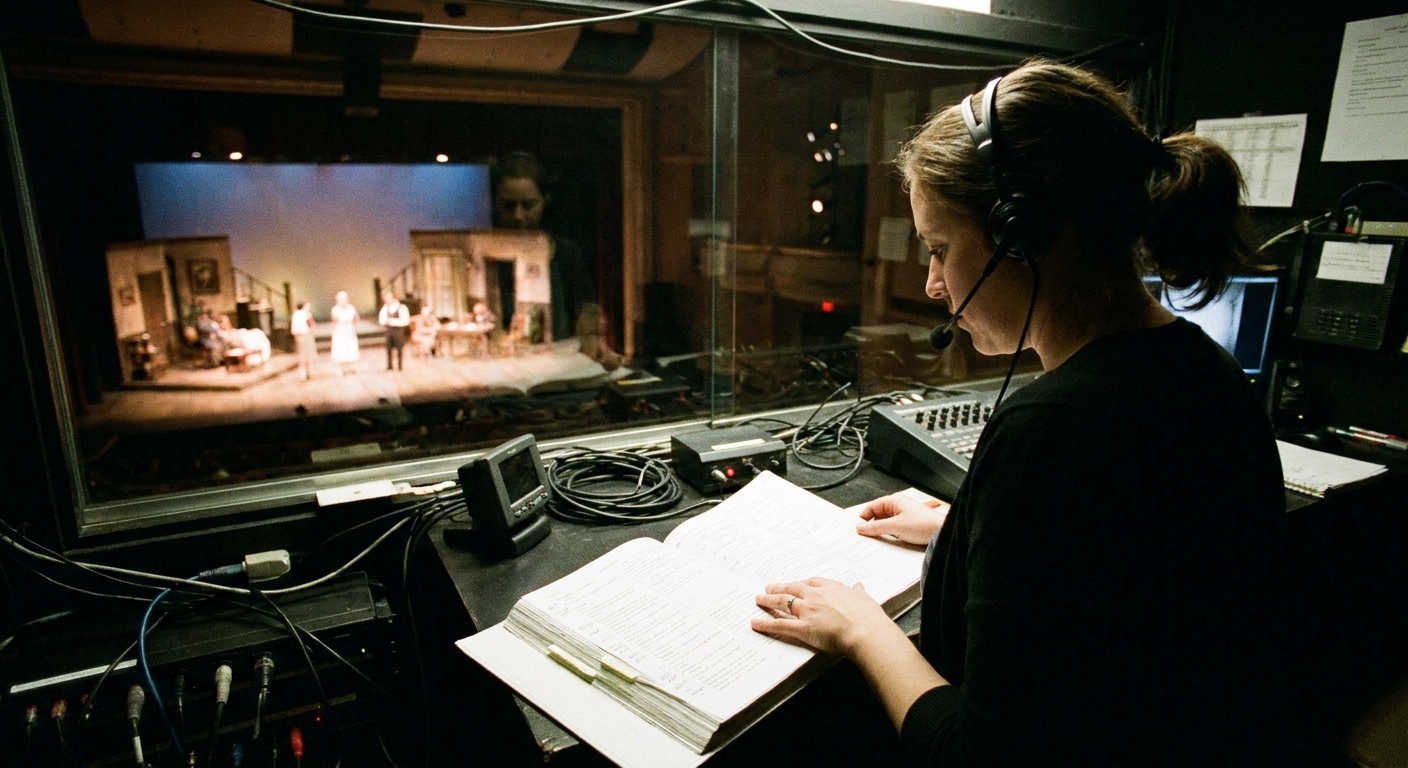
- The stage manager, tracking notes and the flow of the rehearsal
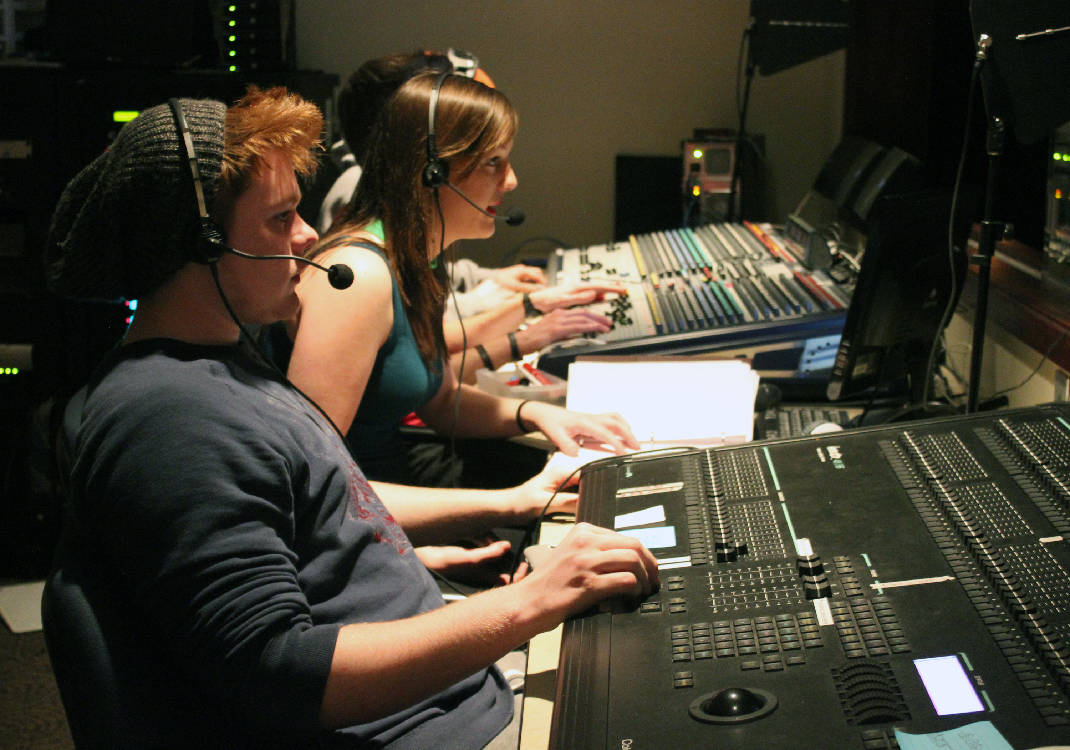
- The sound team, if the show uses microphones and levels need checking
- The composer, lyricist, orchestrator, and arrangers, especially for new musicals
- The director and choreographer, often observing to make sure storytelling intentions survive the musical reality
- Associate and assistant directors, music staff, and swings, for coverage and continuity
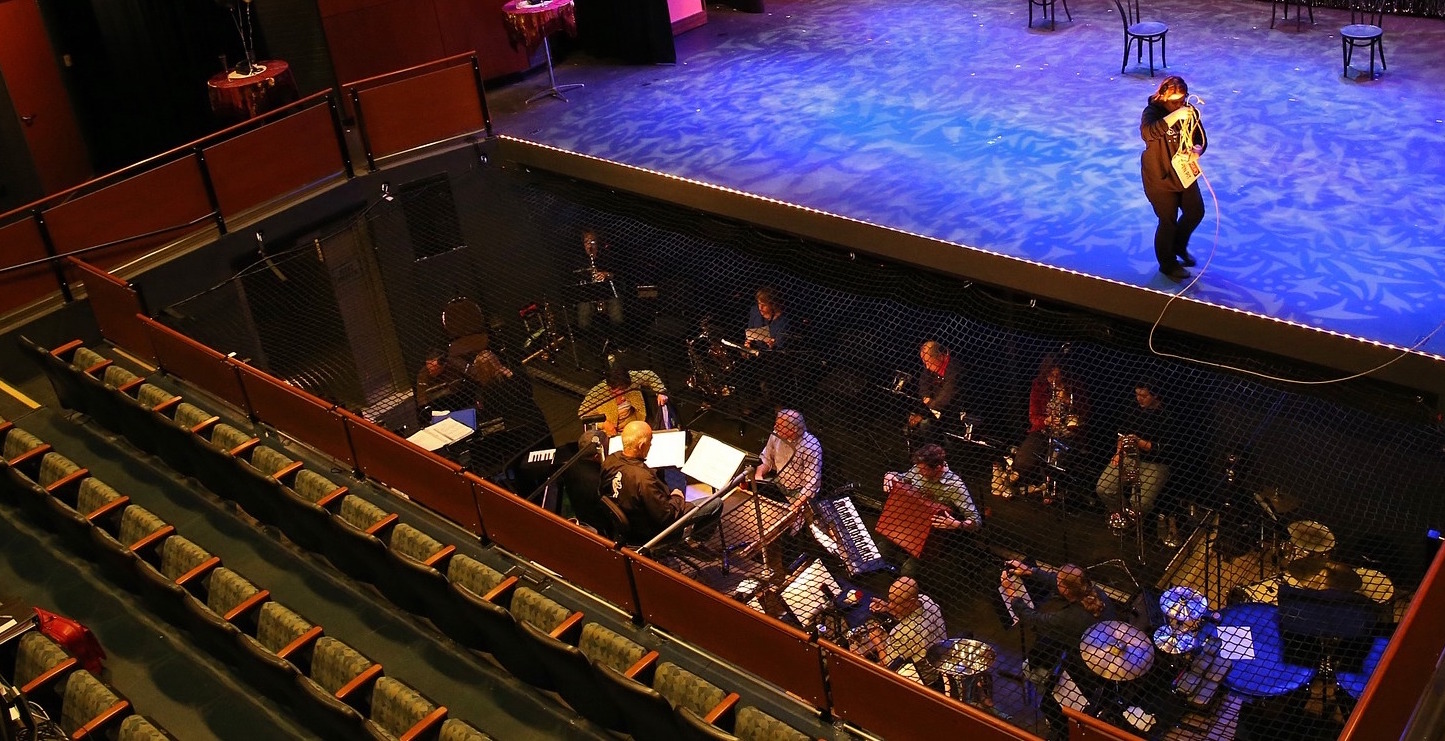
What happens during a sitzprobe
Every sitzprobe has its own personality, but the bones are consistent. Expect a mix of running, stopping, refining, and ecstatic little moments when everyone realizes a number finally sounds the way it should.
1) The show is run by music, not blocking
The cast is typically seated, sometimes standing for breath support or musical entrances. If anyone moves, it is usually minimal. The priority is clean musical storytelling, not choreography or stage pictures.
2) Tempos get clarified
A demo track can lie. A piano rehearsal can only suggest. The sitzprobe is where the conductor and performers lock into tempos that work for both language and music. This is also where quick patter can become either thrilling or unintelligible, and adjustments get made.
3) Balance becomes the big conversation
In the room, the orchestra can swallow consonants or smother harmonies if the balance is not right. The music director and sound team (when present) listen for:
- Whether lyrics land clearly
- Where the orchestra needs to pull back or surge forward
- How harmonies blend in full instrumentation
- What moments require a different vocal approach to cut through
4) Cuts, trims, and fixes happen fast
Especially in new work, the sitzprobe can trigger swift decisions. A vamp might be too long. A transition might drag. A key change might need a new lift. Sometimes the fix is as small as an accent on a cymbal. Sometimes it is a rewrite by dinner.
5) Everyone takes a lot of notes
Performers mark breaths and cues. The conductor notes singers’ needs and musical requests. The orchestra marks tricky page turns and sticky rhythms. The stage manager marks where the musical flow may affect scene changes later. It is an intensely practical rehearsal that still manages to feel, in the best way, a little like opening a present.
Why casts treasure the sitzprobe
If you talk to performers, many will tell you the sitzprobe is one of the most emotional days of the process. Not because it is glamorous. It rarely is. It is emotional because it is proof of concept.
- The music finally has its full body. A ballad with strings underneath hits different than the same ballad on a rehearsal piano.
- It rewards the work. Weeks of learning notes, harmonies, and lyrics suddenly pay off in a sound that feels expansive and real.
- It builds trust. Singers learn they are supported. Musicians learn the cast’s phrasing and timing. The conductor becomes the bridge.
- It creates a shared language. After a sitzprobe, “bar 32” or “the rall in the bridge” means something to everyone in the same way.
The sitzprobe is the day a musical stops being a set of parts and starts being a single instrument.
Common variations
Not every sitzprobe looks identical. Schedules, budgets, and the needs of a particular score can reshape the tradition.
- Split sitzprobe: Some productions do Act I and Act II in separate calls.
- Partial sitzprobe: Sometimes only the most complex or orchestration-heavy sections get time.
- Orchestra run without singers: You may also hear people refer to an orchestra-only run as a kind of sitzprobe day, even though the classic definition includes the cast.
- Stand and sing moments: Even in a “seated” rehearsal, the company might stand for big ensemble sections to get the breath and energy right.
Quick etiquette
- Bring a pencil. You will need it.
- Hydrate and be quiet between numbers. The room is listening for details.
- Watch the conductor. This is where everyone learns the same roadmap.
- Expect stops. It is normal to pause, fix, and restart without apology.
Sitzprobe vs. table read
A table read is usually an early rehearsal where performers sit and read the script out loud, focusing on story, character, and pacing. In film and TV, it is a common step. In theater, it is also a familiar first-day ritual, especially for plays and for new musicals.
A sitzprobe is later and more specific. It is about the score and the orchestra. Instead of discovering scenes through spoken text, the company is discovering the show through full musical forces. If a table read asks, “Do we understand the story?” the sitzprobe asks, “Do we sound like ourselves?”
Sitzprobe vs. tech week
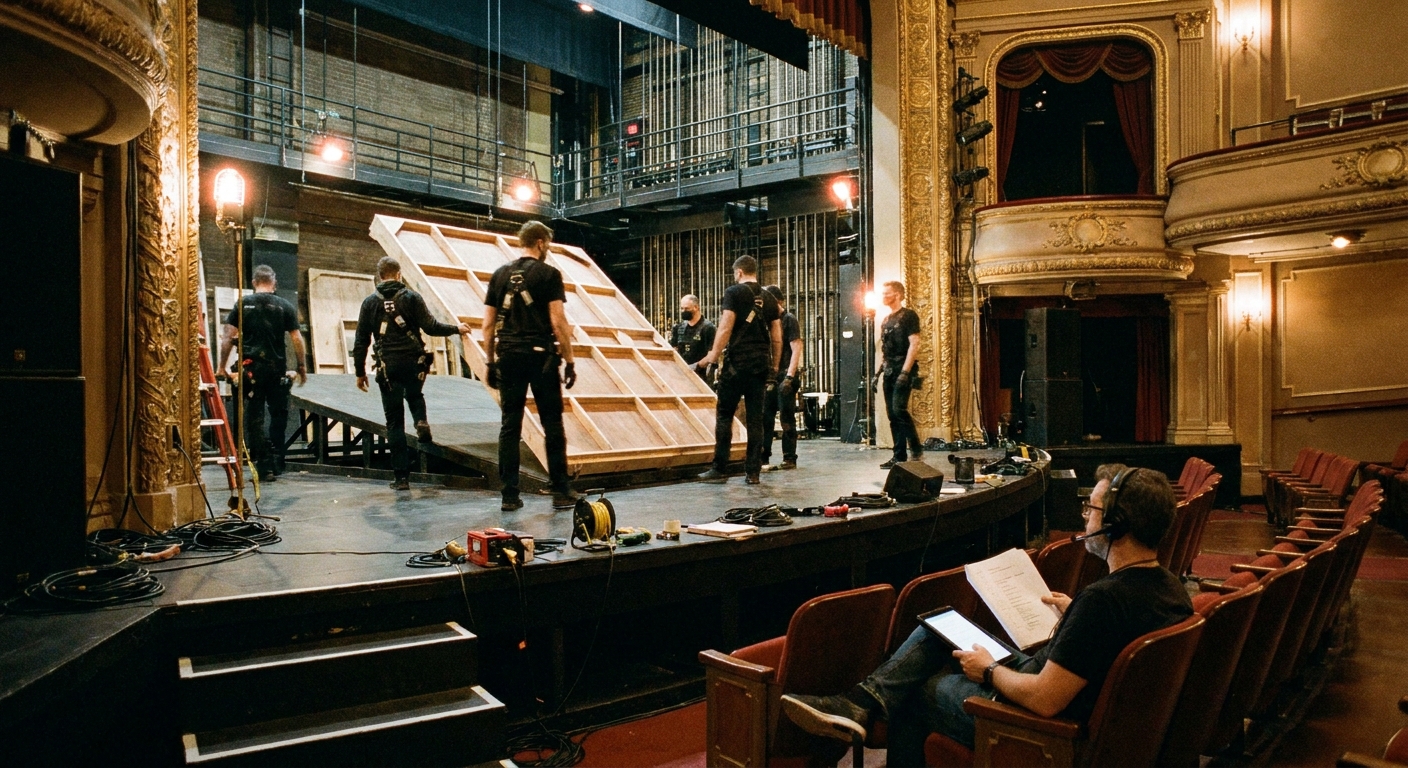
Tech week is when the production moves into the theater and layers in lighting, sound cues, scenery, automation, projections, and scene changes. It is where timing gets precise and where patience becomes an art form.
The sitzprobe often happens before or around the start of that transition, but scheduling varies widely. Some shows do it earlier in the rehearsal process, especially in smaller or regional setups. Others place it right on the doorstep of tech so the music and the room can meet each other as close to the final conditions as possible.
What a sitzprobe is not
- Not a dress rehearsal. No costumes, no hair, no full staging polish. The focus is sound.
- Not a choreography rehearsal. If there is movement, it is usually minimal and functional.
- Not a performance for an audience. It can feel thrilling, but it is still rehearsal: stop-and-start, note-heavy, and occasionally messy.
FAQ
How long does a sitzprobe last?
Often a few hours, but it depends on the show’s length, the complexity of the score, how many stops are planned, and what the schedule can support.
Does every musical have a sitzprobe?
Most productions that use a live orchestra do, though the scale varies. Smaller productions might fold it into the first orchestra call or treat it as a shorter, targeted session rather than a full run.
Do performers sing full voice at a sitzprobe?
Typically yes, especially to test balance, stamina, and dynamics. But it is still rehearsal, so singers may mark selectively if they are protecting their voices or if the schedule demands it.
Is a sitzprobe the first rehearsal with the band?
Often it is the first with the full orchestra. Some shows work earlier with a smaller band, a rehearsal orchestra, or a pianist plus a few key instruments. The sitzprobe is the milestone where the whole musical engine finally turns over together.