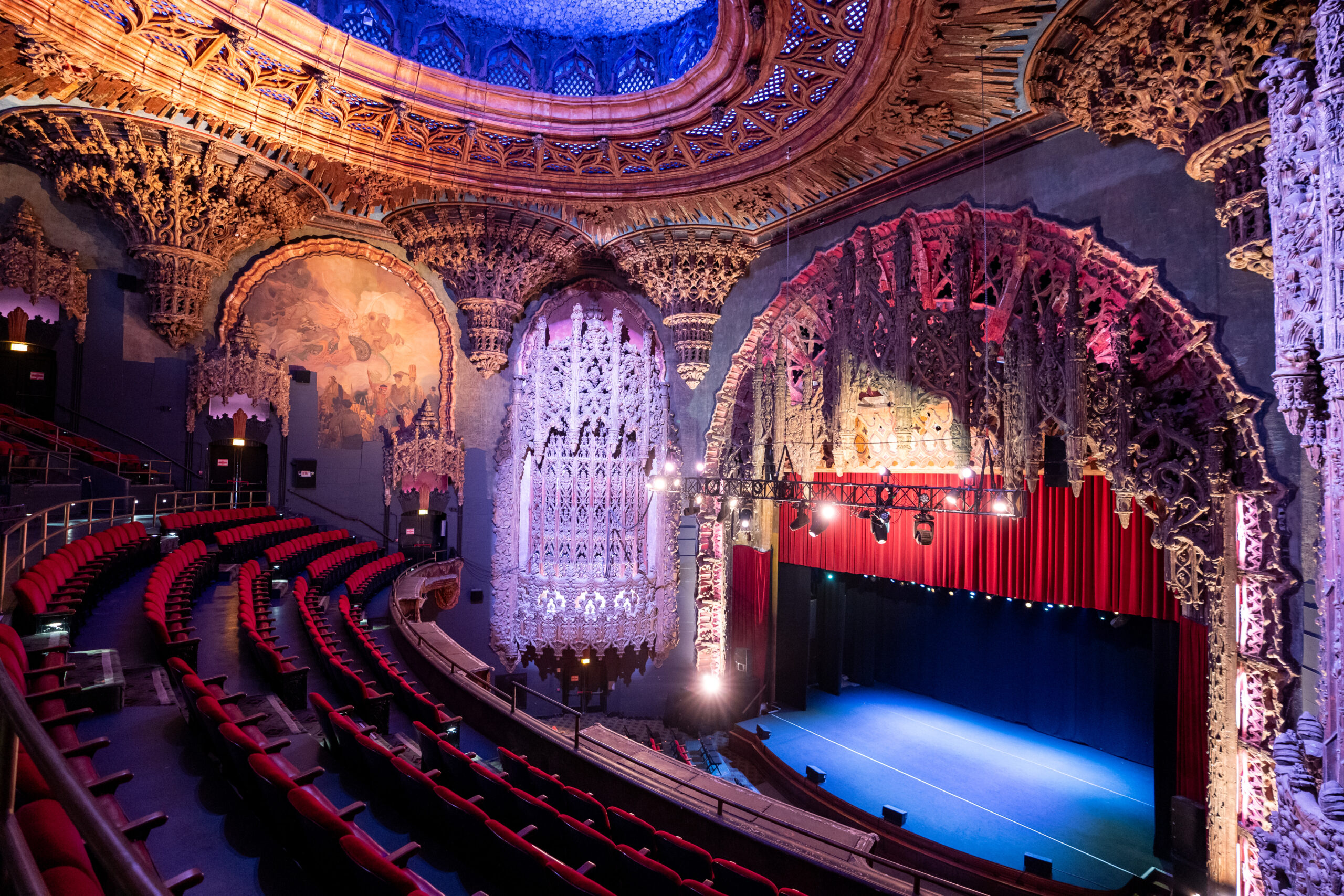
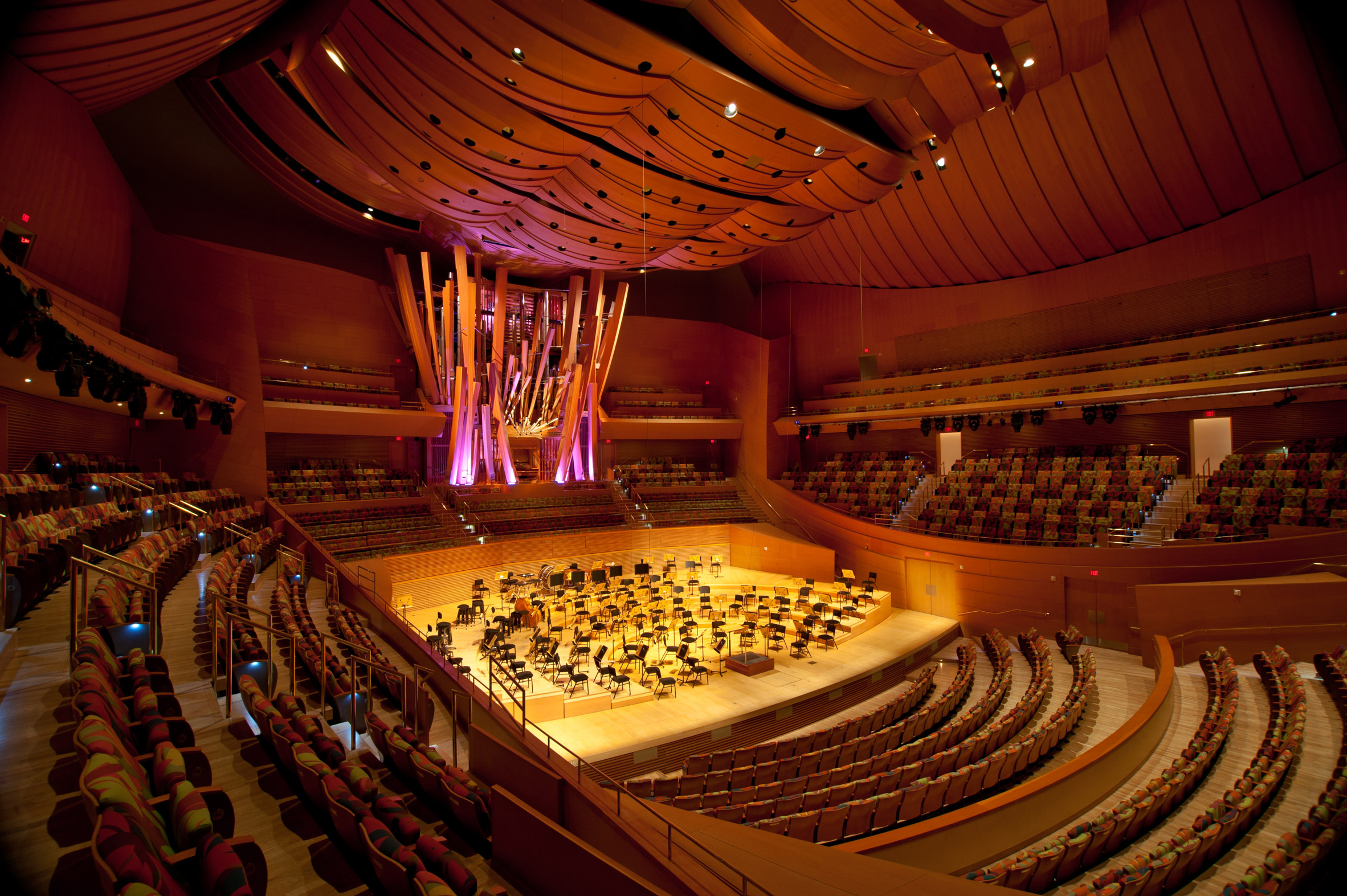
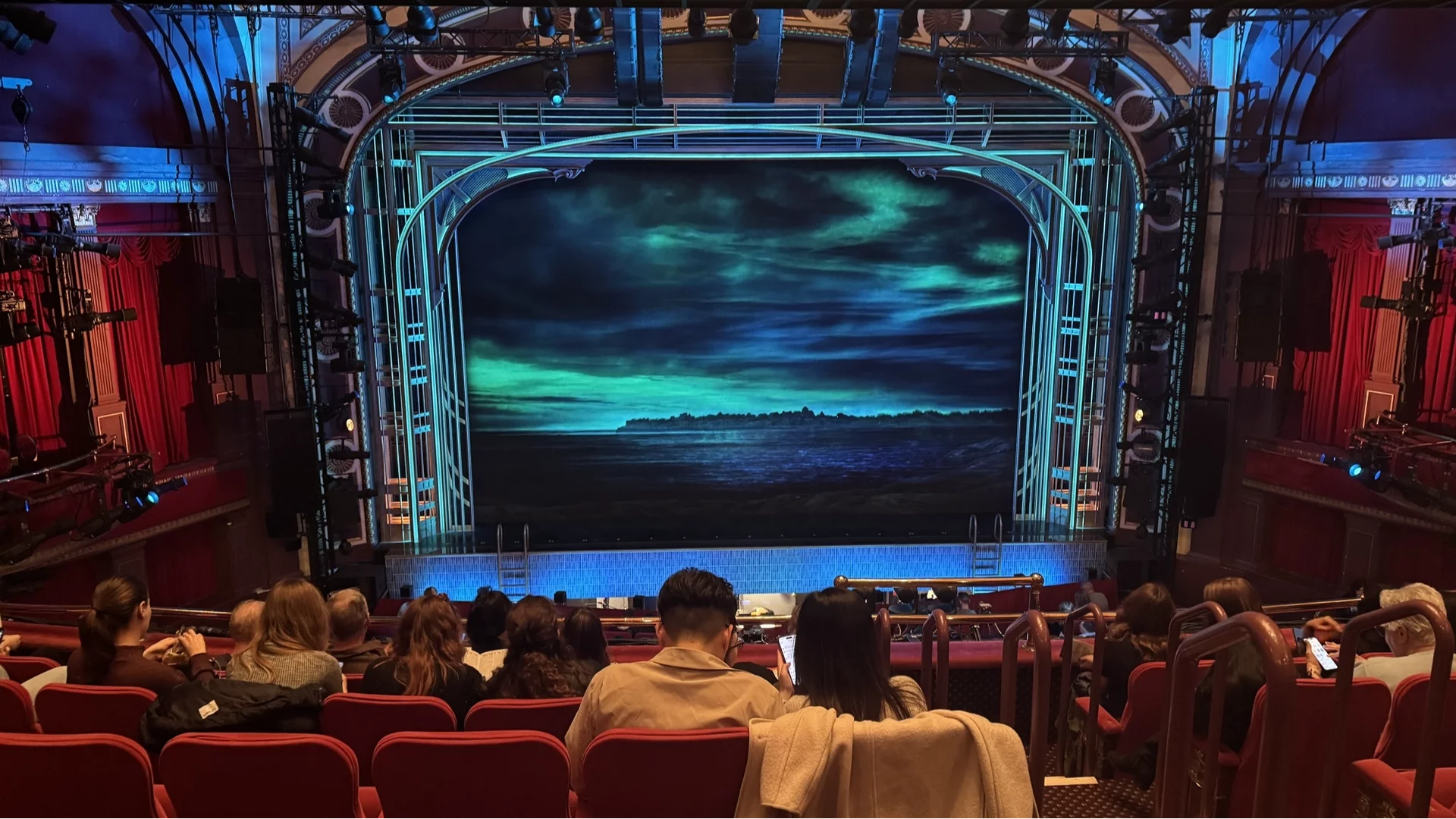
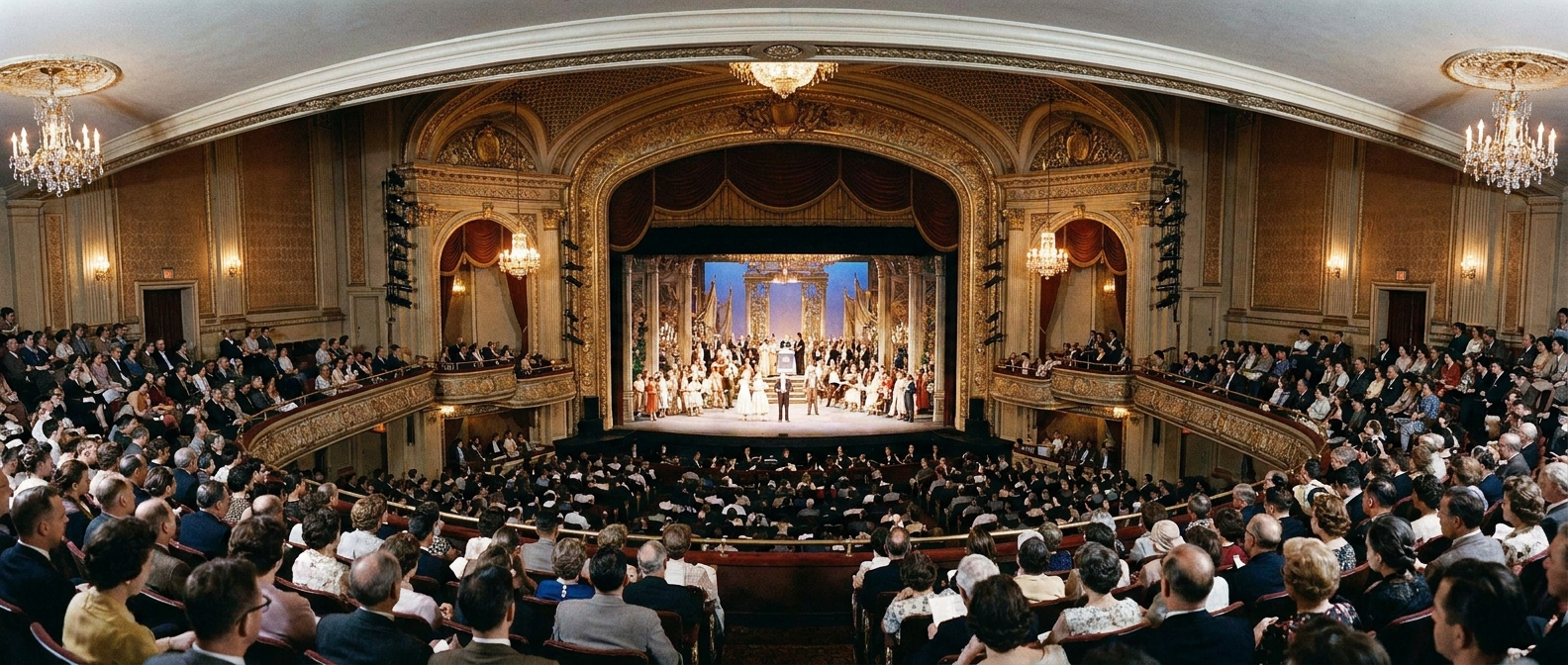
Lights down. Curtain up.
If you have ever stared at a seating chart and wondered why loge sounds like a secret club you were not invited to, you are not alone. In concert halls and performing arts venues, “loge” is a label that can mean prime seats at the front of an upper tier, or a shallow box area along the side. The tricky part is that different venues use the word differently, and some use it in more than one way.
What “loge” usually means
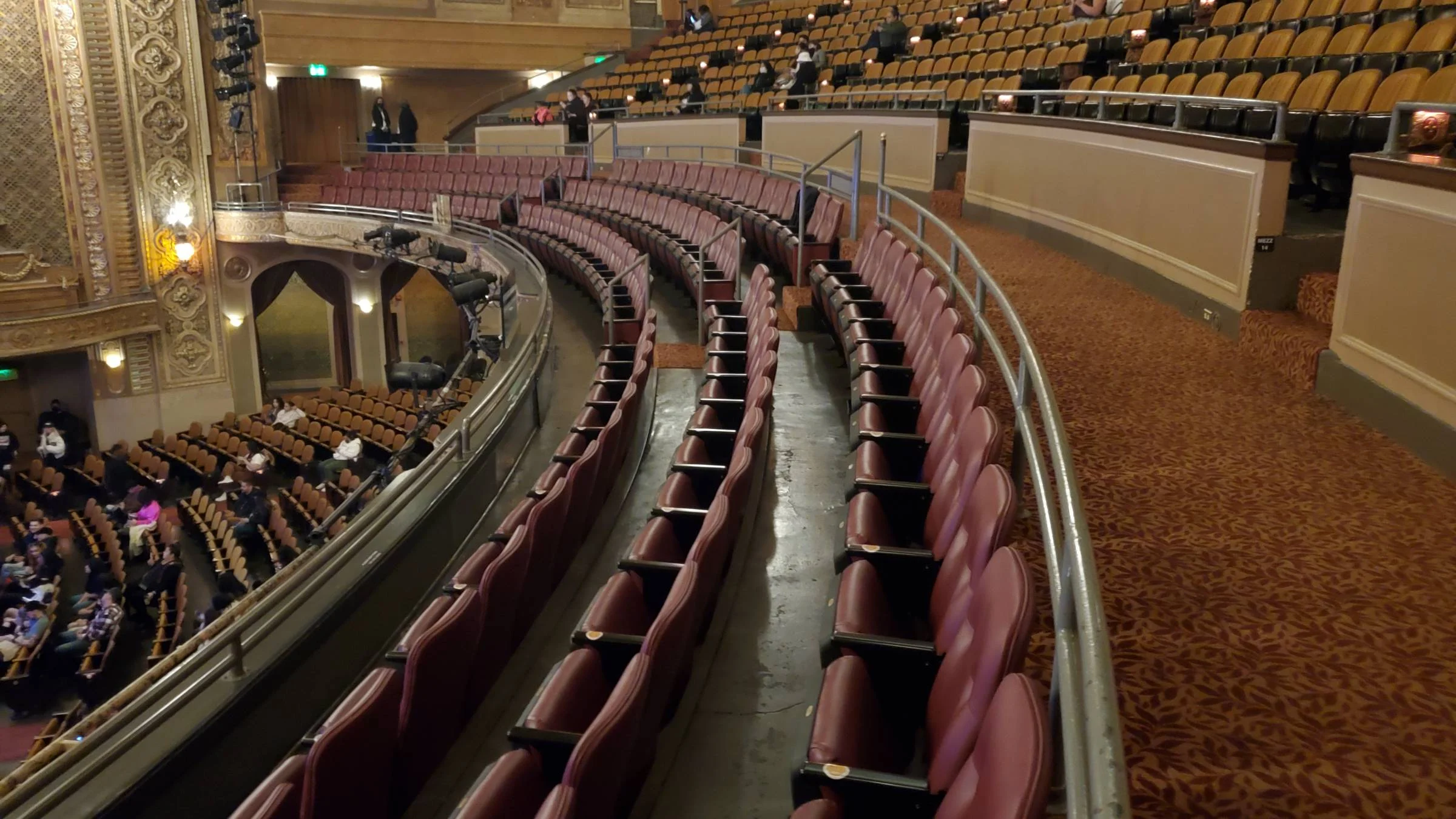
In many venues, loge refers to seats that sit at the front of an upper level, overlooking the orchestra section. Think: the first band of seats just above the main floor, close enough to feel connected, high enough to see the whole stage picture.
In other venues, loge means box-style seating: a small, shallow section that juts out from the side wall and faces the stage at an angle. In older theaters, this is closer to the traditional meaning of “loge” as a private or semi-private compartment.
And then there is the third twist: in some theaters, loge is its own named level (sometimes used similarly to terms like dress circle or grand tier), even if the seats look a lot like what another venue would call mezzanine.
Common loge setups
- Front of an upper tier: A short section of seats right behind a mezzanine or balcony rail, typically centered or near-center.
- Side loge boxes: Small sections on the left and right, sometimes with a partial side view.
- A distinct “loge level”: A venue-specific tier labeled Loge on the map, sitting above orchestra and below higher balconies.
Loge vs orchestra, mezzanine, balcony
Because the label varies, the most useful way to understand loge is by location and angle, not just the name printed on the chart.
- Orchestra: Main floor level. Usually closest to the stage. Great intimacy, but sightlines can depend on rakes (the slope of the floor), heads in front of you, and how high the stage sits.
- Mezzanine: The first level above the orchestra in many venues. Loge is sometimes used in place of “mezzanine,” or to describe the front of the mezzanine.
- Balcony: Higher upper level. Some venues call the front portion of the balcony the loge, especially if it is a distinct band of seats.
If you are choosing between levels, treat “loge” as a prime slice of an upper level unless the seating map clearly shows individual boxes or a distinct loge tier.
What the view is like
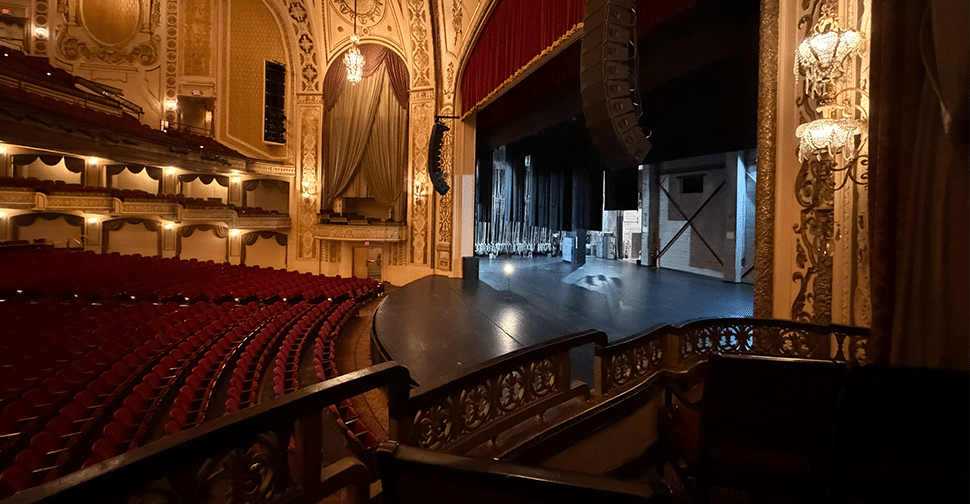
Most people like loge seating because it often hits a sweet spot: elevation plus proximity. You are high enough to see the full stage picture clearly, but not so far back that everything feels far away.
Typical advantages
- Clearer overall view: The raised angle can make it easier to see the full ensemble, conductor, or choreography.
- Less obstruction risk: Front-of-tier seats often reduce the “tall person in front of you” problem that can happen on flatter orchestra floors.
- Often strong sound: Many halls are built so the first upper level can be an excellent listening zone, though results vary by hall and by seat location.
Possible tradeoffs
- Railing issues: If you are in the very first row, a safety rail can cut into the bottom of your view, especially for shorter audience members.
- Side-angle quirks: Side loge boxes can have partial views, depending on how far forward they sit and how the stage is framed.
- Overhang effects: In some venues, parts of the loge or mezzanine sit under an overhang, which can subtly affect sound, lighting, or the sense of openness.
- Less “you are in it” intimacy: Some shows feel more immediate on the orchestra level, even if the overall view is not as clean.
Are loge seats expensive?
Often, yes, but not always. In many venues, loge is priced as premium because it is close to the front of an upper level and can offer excellent sightlines.
That said, pricing depends on the specific hall and how the loge is configured:
- Front-center loge: Commonly priced near the top tiers, sometimes comparable to strong orchestra seats.
- Side loge boxes: Can be premium for the experience and privacy, or discounted if the viewing angle is more limited.
- Rear loge (in venues that label it this way): Might sit between mezzanine pricing and balcony pricing.
The simplest rule: price usually follows sightline. If the loge is central and close to the stage picture, it will tend to cost more.
How it shows up on seat maps
On ticketing maps, loge sections typically show up in one of a few recognizable ways. Before you click “buy,” zoom in and look for these clues.
What to look for
- A labeled band at the front of an upper level: The map may show “LOGE” directly above the orchestra, sometimes with its own rows or section numbers.
- Small pods on the sides: If you see compact sections that look separate from the main seating blocks, those are often loge boxes.
- Split naming: Some venues show “Mezzanine” with “Front Loge” as a subset, or “Balcony” with “Loge” as the first rows.
If the map includes a “limited view” tag, take it seriously, especially for side loge areas. Not every venue labels restrictions consistently, so it is also worth checking the venue’s seating notes or recent reviews if you are unsure.
Quick tips
- Favor center when you can: For symphonies, film-with-orchestra events, and most concerts, a centered view helps everything click into place.
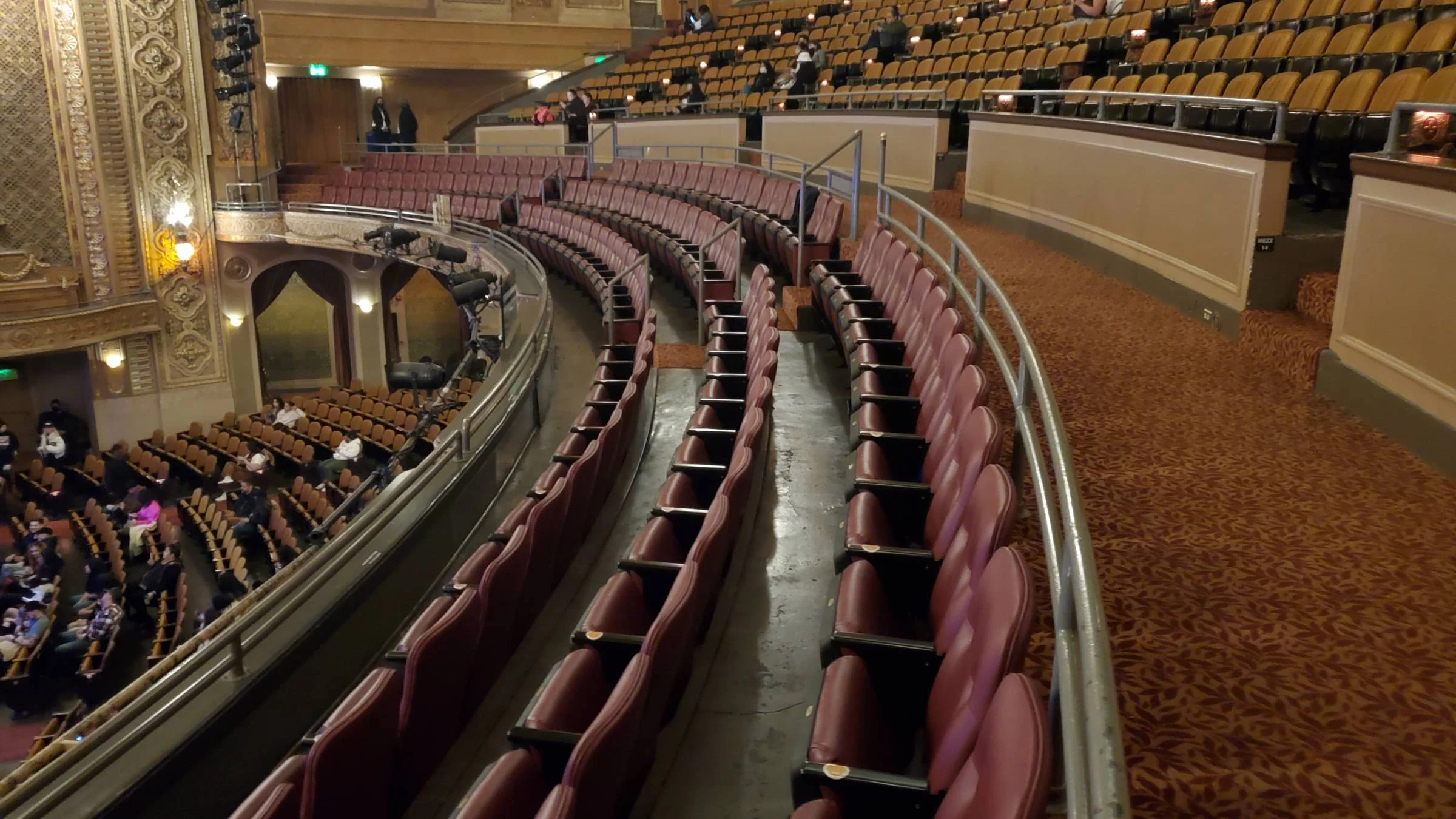
- Check for railings and overhangs: First-row loge can come with a rail. Some loge areas may also be partially under an overhang.
- Think about what you want to see: For dance, musicals, and anything visual, elevation can be a gift. For singer-songwriter sets, you might prefer the closeness of orchestra.
- Mind the side boxes: Side loge can be charming, but angles vary wildly from venue to venue.
- Consider accessibility: Loge levels often involve stairs, and some box-style loge sections have tighter entry paths and legroom. If mobility is a concern, look for elevator access and accessible seating notes for that venue.
FAQ
Is loge better than mezzanine?
Sometimes loge is the front of the mezzanine. If a venue separates them, loge is often positioned as the more premium option, usually closer to the front rail with stronger sightlines.
Is loge better than balcony?
In many venues, yes. “Loge” frequently indicates the front of an upper level, while “balcony” can include seats farther back and higher up. But some venues use “loge” for balcony-adjacent boxes or as its own tier, so check the map.
Do loge seats have a restricted view?
Not by default. Center loge seats are often excellent. Side loge boxes are where restrictions are more likely, due to the angle or architectural elements. Many ticketing sites note “limited view,” but labeling varies, so it is smart to verify with the venue if the seat looks unusually far to the side.
Why do venues use “loge” differently?
It is a legacy term that can refer to box seating in older theaters, but modern seating maps also use it to label premium front-of-tier seating. Over time, venues kept the term, then applied it to their own layouts and traditions.