Lights down. Curtain up.
Sometimes the hottest ticket in the house is not in front of the stage. It is behind it. If you have ever clicked a seating map and noticed a section tucked behind the platform, you have found what venues and ticket sites usually call behind-the-stage or rear-stage seating.
What “behind-the-stage” means
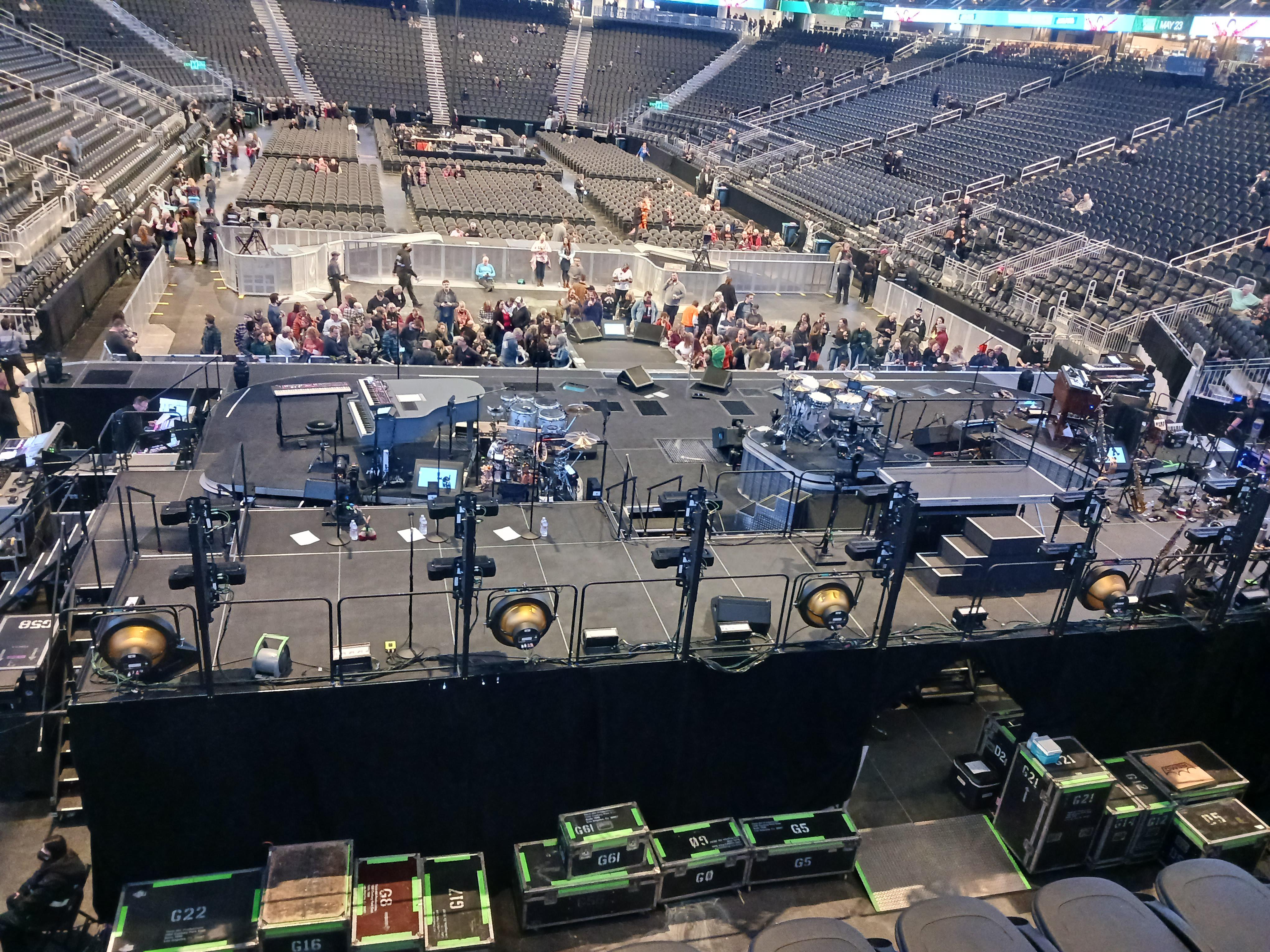
A behind-the-stage seat is an assigned seat located on the far side of an end-stage setup, so you are viewing the show from behind the performer instead of facing the front of the stage.
In practical terms, that usually means:
- You see the back of the artist for much of the night, especially when they stay at the front edge of the stage.
- Your view is angled toward side runways, B-stages, or platforms when the production uses them.
- You may rely on video screens for facial expressions and front-facing moments, depending on stage setup.
These sections are usually regular assigned seats that venues open when a tour’s production allows it. In some buildings, they can also include last-minute releases or “limited view” areas that were held back until the stage is built.
Stage layouts change the meaning
One quick note that clears up a lot of confusion: “behind the stage” is most relevant for end-stage shows (stage at one end of the arena). For in-the-round or near-360 setups, there often is not a true “behind,” because the production is designed to play to all sides, even if some angles are still better than others.
How listings label rear-stage seats
Ticket sellers and venues often flag these sections, but disclosure can vary by platform and even by event. Sometimes the limitation is obvious on the map, and sometimes it is buried in small-print notes.
Look for phrases like:
- Behind the Stage
- Rear Stage
- Limited View (sometimes used when the stage blocks part of the sightline)
- Side View (often adjacent to behind-the-stage sections)
- Obstructed View (occasionally appears if the structure blocks the performance area)
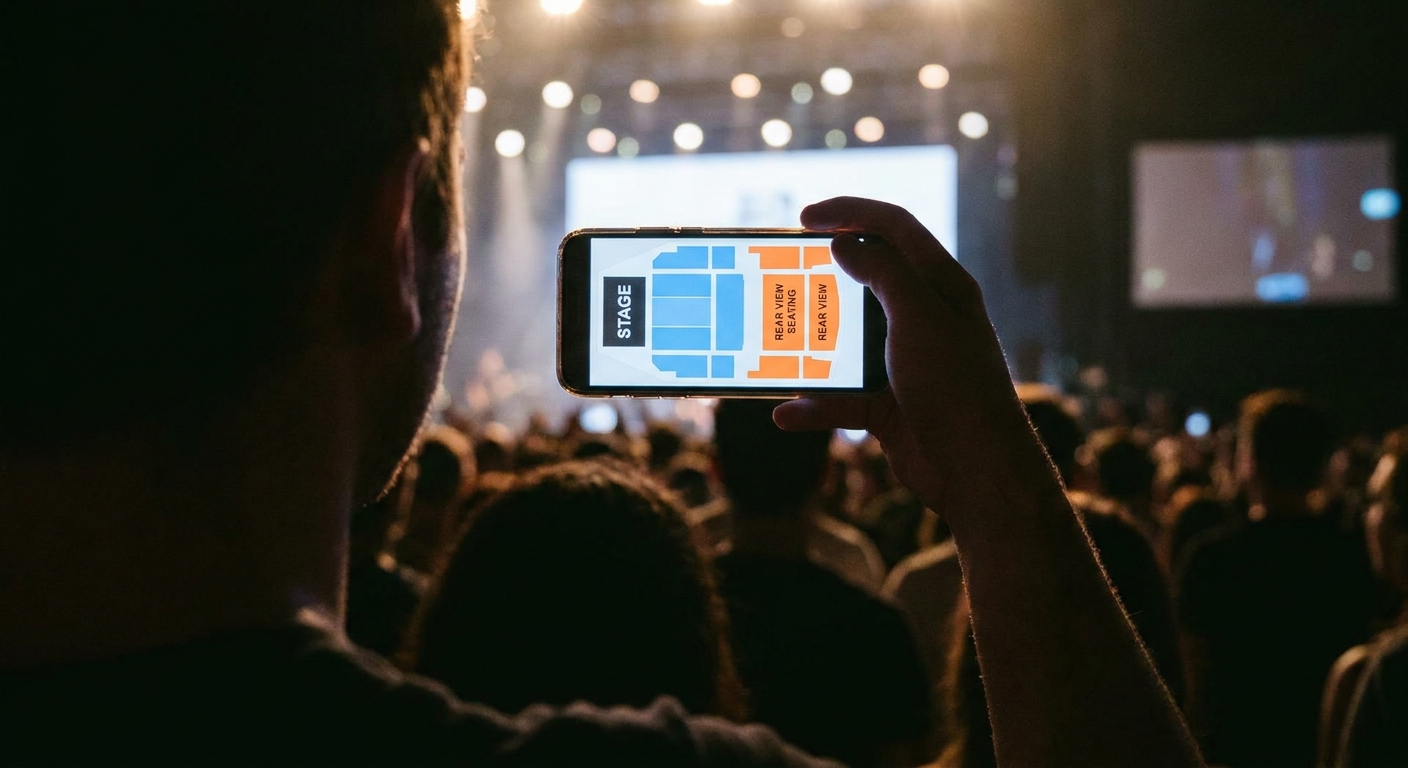
Your best clue is still the seating map. If the section is colored in behind the stage, assume you will be looking at the production from the back side unless the listing explicitly says otherwise.
Why behind-the-stage seats are often cheaper
Rear-stage seats tend to be priced lower because the experience involves trade-offs. You may be closer to the stage than you could afford from the front, but you are giving up the classic, centered view of the performance.
Pricing can drop for a few common reasons:
- Reduced face time: many artists play toward the main bowl, not the rear sections.
- More screen dependence: you may watch the big screens more than the live sightline for key moments.
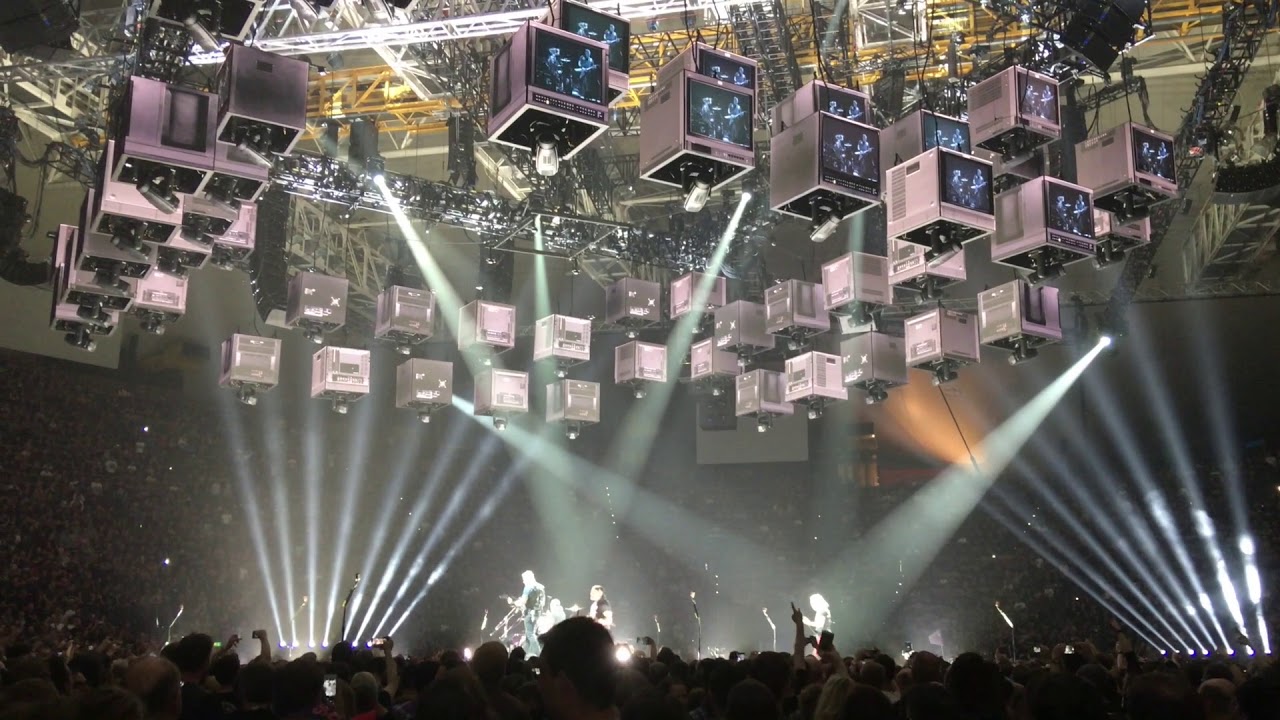
- Production hardware in the way: lighting trusses, speaker arrays, or stage walls can block parts of the view.
- Less “spectacle” framing: the show’s visuals are designed for the forward-facing audience, especially on tours with heavy staging.
What it feels like
The good
- You can feel close to the machine: from behind, you may notice choreography cues, band interaction, and how the lighting hits the room.
- Great for big crowd energy: you still get the roar, the singalongs, and the arena-wide moments.
- Potential proximity win: sometimes you are physically closer than a cheaper front-facing seat farther away.
- It can click on runway tours: if a runway or small platform points toward your section, you might get a surprising amount of “front” time when the artist comes out to it.
The tricky
- You might miss front-of-stage moments: speeches, solos, and camera-friendly beats often happen downstage.
- Sightlines can vary wildly: two seats in the same section can have different blockages depending on railings, overhangs, and rigging.
- Sound coverage can be hit or miss: the PA is typically tuned for the main audience area, and some rear sections can sit outside ideal coverage depending on speaker hangs, delays, and how the stage is built.
- Sometimes the back is draped: if the rear of the stage is covered with scrim, curtains, or scenic walls, your view can shift from “different angle” to “mostly blocked,” so it is worth checking photos from that section.
Behind-the-stage vs. obstructed-view
These two ticket types get confused, so let’s keep them clear.
Behind-the-stage seats
- Where you sit: behind the performance, with a back or side-back angle for much of the show.
- What you sacrifice: the intended front view of staging, facial expressions, and visuals.
- What you might gain: lower price, a different perspective, sometimes closeness.
Front-facing obstructed-view seats
- Where you sit: you are still on the audience side, facing the stage.
- What you sacrifice: a partial blockage from poles, railings, overhangs, speaker stacks, or set pieces.
- What you might gain: still seeing the performer front-on, even if parts of the stage or screens are blocked.
In other words: obstructed view is about something blocking you. Behind-the-stage is about where you are placed in relation to the stage.
When they can be a smart buy
I have watched enough seating maps to know this: rear-stage seats can be a bargain or a bummer, and the difference is usually the tour’s stage design.
They tend to be worth considering when:
- The stage is in the round or near-360, with the performer moving around frequently.
- There is a runway or B-stage that points toward or sits near your section.
- The artist is known for roaming, turning to all sides, or addressing the full venue.
- You mainly want to be in the room and do not mind a screen-assisted view.
When to skip them
Rear-stage seats are a tougher sell when the show is built like a movie screen.
Consider avoiding behind-the-stage seats if:
- The tour is heavy on front-facing visuals like synchronized video walls and storytelling graphics meant to be seen head-on.
- The back of the stage is closed with curtains, scrims, or scenic walls.
- The listing warns “limited” or “obstructed” and the seating map shows you tucked deep behind large stage structures.
How to decide fast
- Zoom the map and find the stage shape: a thrust stage, runway, or 360 layout changes everything.
- Look for main video boards: if the primary screens face away from you, you will likely be watching side screens at best.
- Check for notes on the listing: “behind stage,” “limited view,” and “side view” are different levels of compromise.
- Search your exact section and row: fans often post photos by section in venue-specific forums and review sites.
- Know your priority: are you there for sound and atmosphere, or for seeing every expression?
- If mobility matters, confirm access: some rear sections involve longer ramps, steeper climbs, or different entry points, so check the venue’s accessible routes, elevators, and seating options before you buy.
FAQ
Are behind-the-stage seats always bad?
No. They are simply different. Some tours design for a fuller 360 experience, and some venues have surprisingly decent rear sightlines and screens.
Will I be able to see the artist at all?
Usually yes, but how well you see them depends on how often they perform toward your side and whether stage structures block the view.
Do behind-the-stage seats mean “no view”?
Not automatically. “No view” implies you cannot see the performance area. Behind-the-stage seats typically still have a view of some portion of the stage, just not the intended front angle.
Do venues ever open these sections later?
Yes. Promoters sometimes release rear-stage sections after production is set, once they confirm what can be sold safely with workable sightlines.