Lights down. Curtain up.
I see this ticketing worry all the time: you add four seats to your cart, you hit “Best Available,” and only then do you wonder if the system quietly scattered your party across Row H, Row J, and somewhere in the rafters.
On many major ticketing platforms, a single order will often try to keep your group together. The catch is that “together” is limited by what is actually left in the venue’s inventory at that exact moment, plus a few settings that can surprise you.
When you can expect seats together
1) You bought them in one transaction
If you select a quantity and check out once, many systems will prioritize a contiguous block, like four seats in a row, before offering split options.
2) The section has adjacent inventory
This is the biggest factor. If a show is still early in sales, or a section is not heavily picked over, the system can easily hand you a neat run of seats. If it is late in the sales cycle and only singles and pairs remain, the site cannot invent a four-seat block.
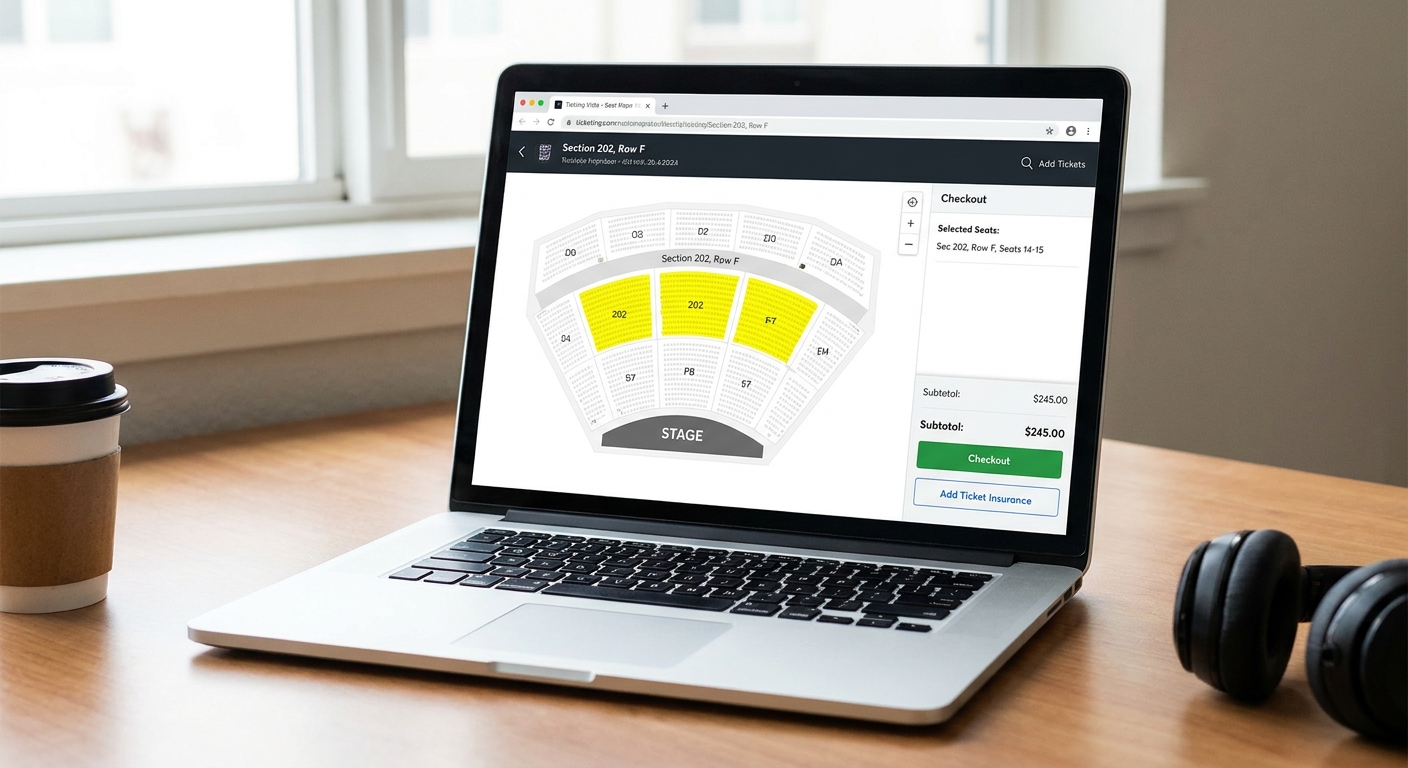
3) You chose seats on the map
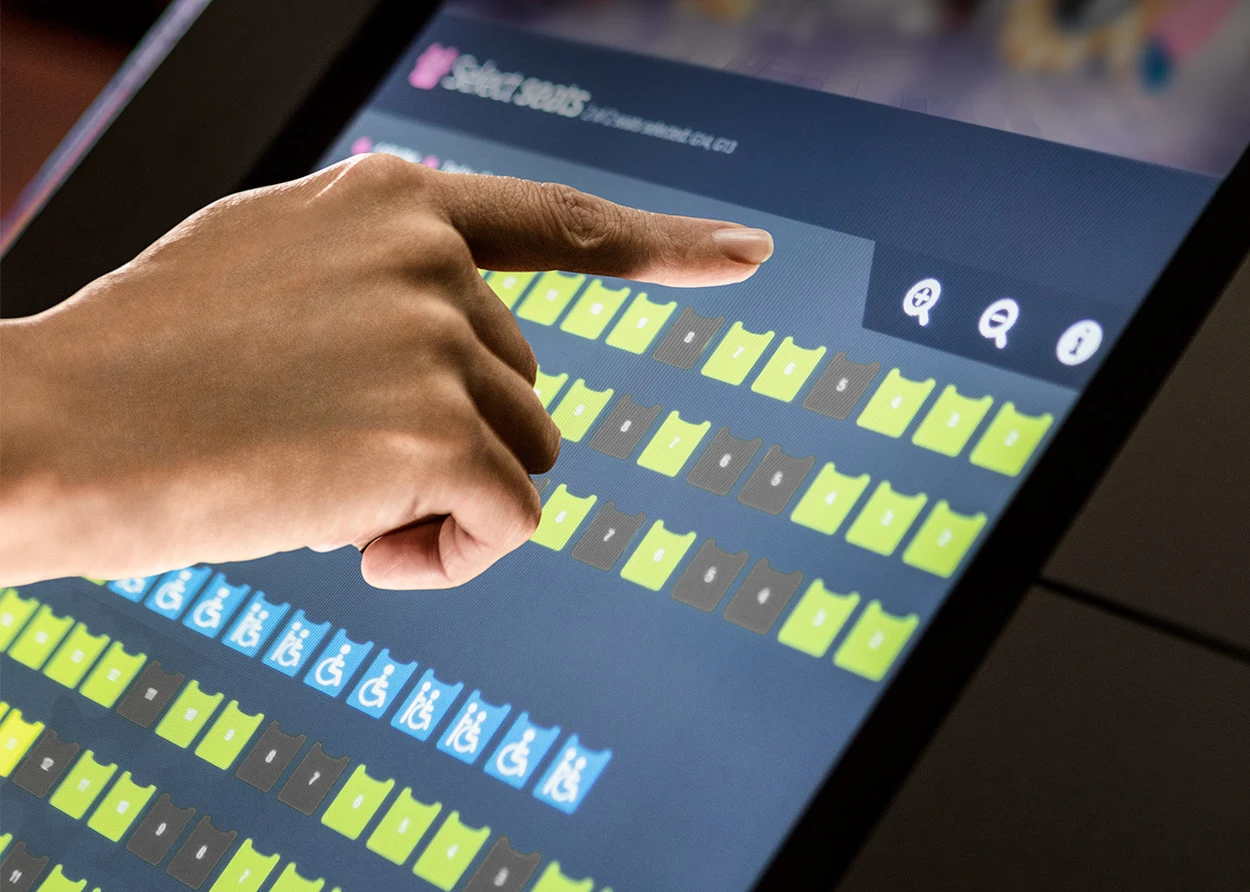
Interactive maps are your friend when they let you select individual seats. Selecting adjacent seats one by one is the clearest way to tell the system what “together” means.

Why seats can split in one order
If your seats come out separated, it is usually one of these reasons.
“Best Available” can favor other rules first
“Best Available” sounds like it means “best group seats together,” but on some platforms it can mean “best remaining seats that match your filters,” including price level, accessibility needs, or ticket type. If the best matching inventory is a pair plus two singles nearby, you may be shown that combination, or you may be prompted to reselect. It depends on the site and the venue’s settings.
Your filters narrowed the options
Common filters that can accidentally break up a party:
- Price range (especially if you cap it low)
- Ticket type (student, senior, rush, promo codes, presale offers)
- Dynamic pricing tiers (platinum, official premium, or similar labels). Mixing price levels can turn one neat block into a puzzle.
- Accessible seating needs (wheelchair locations and companion seats can be limited, and some venues require companion seats to be purchased together or handled through the box office)
- Aisle preference (aisle seats disappear fast)
The map might change while you shop
Ticketing inventory changes in real time. While you are zooming and deciding, another buyer can grab that exact block. Depending on the platform, you might get an error, you might be forced to pick again, or you might be offered the closest available alternative, which can include split seats.
The venue is holding back seats
Sometimes seats are not released all at once. Venues and productions may hold inventory for operational needs or later releases. That does not automatically cause split seating, but it can make it feel like there should be a big block when the system is only allowed to sell scattered pockets at the moment.
Gap rules can block certain picks
Some ticketing configurations try to avoid leaving single empty seats stranded. If your group size would create an awkward one-seat gap, the system may prevent that selection or steer you to a different set of seats that keeps things cleaner. This more often pushes you to a different contiguous block, but in tight inventory situations it can contribute to split offers.
Before you pay: quick checklist
Here is what I recommend checking in your cart or seat details before you commit.
- Confirm the exact seat numbers. Do not rely on “Section Orchestra” alone. Look for “Row” and individual seat numbers.
- Look for warning text. Some sites clearly label offers as “split seats” or “seats may not be together.”
- Zoom in on the map if available. Make sure the highlighted seats form a single block.
- Check ticket types match. Mixed ticket types can come from different inventory pools.
- Review how tickets will be used at the door. Splitting tickets across phones or digital wallets does not change where you sit. It can affect who scans which ticket and whether your group needs to enter together.
- If a child must sit with an adult, confirm it now. Most venues will not police family seating at the door, and ticketing systems cannot guarantee adjacency if there is no inventory. If it is a requirement, call the box office before you buy.
General admission is timing
If your event is general admission, your tickets are “together” only in the sense that you all have entry. Your actual spots depend on arrival time, line management, and how the crowd flows once doors open.
If staying together matters in a GA setting, consider:
- Arriving earlier than you think you need
- Entering as a full group (do not split at security if you can avoid it)
- If you plan to take turns for restrooms or concessions, check the venue’s policy first. Some places are fine with a friend holding your spot, and others are strict about it.
If your seats are apart
When your cart shows separated seats, you have a few options: try again, change sections, or contact the venue. If you call or email the box office, these questions get you the most useful answers fast.
Questions to ask
- “Are there any adjacent seats for our party size anywhere in the venue?”
- “If we buy these split seats now, is there a chance to move closer together later?” (Sometimes the answer is yes, sometimes it is a hard no.)
- “Do you expect more seats to be released in this section?” (They may not promise anything, but they can sometimes advise.)
- “Can you suggest the closest split option?” (Same row with an aisle between you feels very different from different levels.)
- “If we purchase today, what is the policy on exchanges or seat relocations?” Ask about deadlines, fees, and whether you must exchange the whole order.
Details to have ready
- The show date and time
- Your preferred price range
- Your flexibility: “together matters most” versus “location matters most”
- If you already have seats in your cart, the exact section, row, and seat numbers
Tips to keep a group together
- Buy earlier when you can. The later you wait, the more the seating becomes a puzzle of leftovers.
- Avoid over-filtering. If you need four together, consider widening price or removing aisle-only preferences first.
- Try a nearby section with more inventory. A “slightly farther back but together” block often beats “closer but split,” depending on the show.
- Reset and retry when inventory looks weird. Refresh the page, clear filters, and start a new selection if you suspect seats are being held by other shoppers.
- Test smaller quantities. If four together is failing, try searching for two. If you only see pairs, that is a clue that a block of four probably is not there right now.
- If the map is stressful, switch methods. In some cases, the box office may have a clearer view of what is actually sellable, including newly released or hard-to-find options.
- Be open to two pairs. If you cannot get four in a row, two pairs directly behind each other can still feel like a shared night out.
FAQ
If I buy 4 tickets, will we be seated together?
The system will often try, but it can only place you together if there is a block of four available within the inventory and filters you are using. Always confirm row and seat numbers before checkout.
Why did I get seats in the same row but separated by an aisle?
Some systems or venues treat that as a reasonable “together-ish” outcome when a fully contiguous block is not available. If you want no aisle between you, you may need to reselect manually on the map or ask the box office.
Can I move seats after I buy so my group is together?
Sometimes. It depends on the venue’s exchange policy, whether better blocks open up later, and whether your tickets are eligible to be changed. Ask about fees and deadlines before purchasing if sitting together is essential.
Does buying tickets in separate transactions increase the chance we will be split?
Yes. Separate transactions mean the system is not trying to solve a single seating puzzle for the whole party. If you care about adjacency, purchase in one order whenever possible.
What about resale tickets?
Resale inventory can be choppy. You might see two seats together from one seller and two seats together from another, but not a block of four. Verify the exact seats and read the listing carefully.