Lights down. Curtain up.
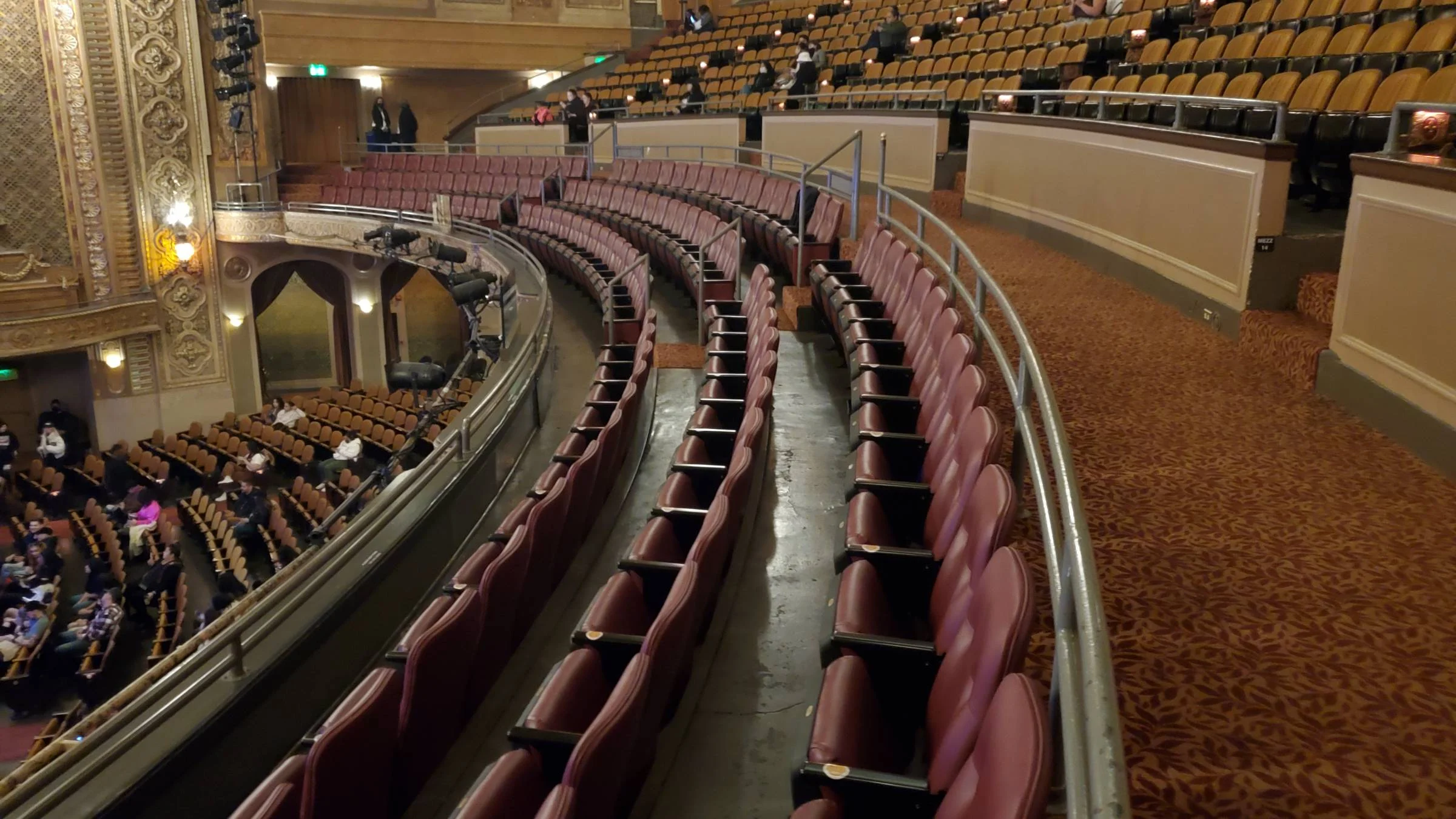
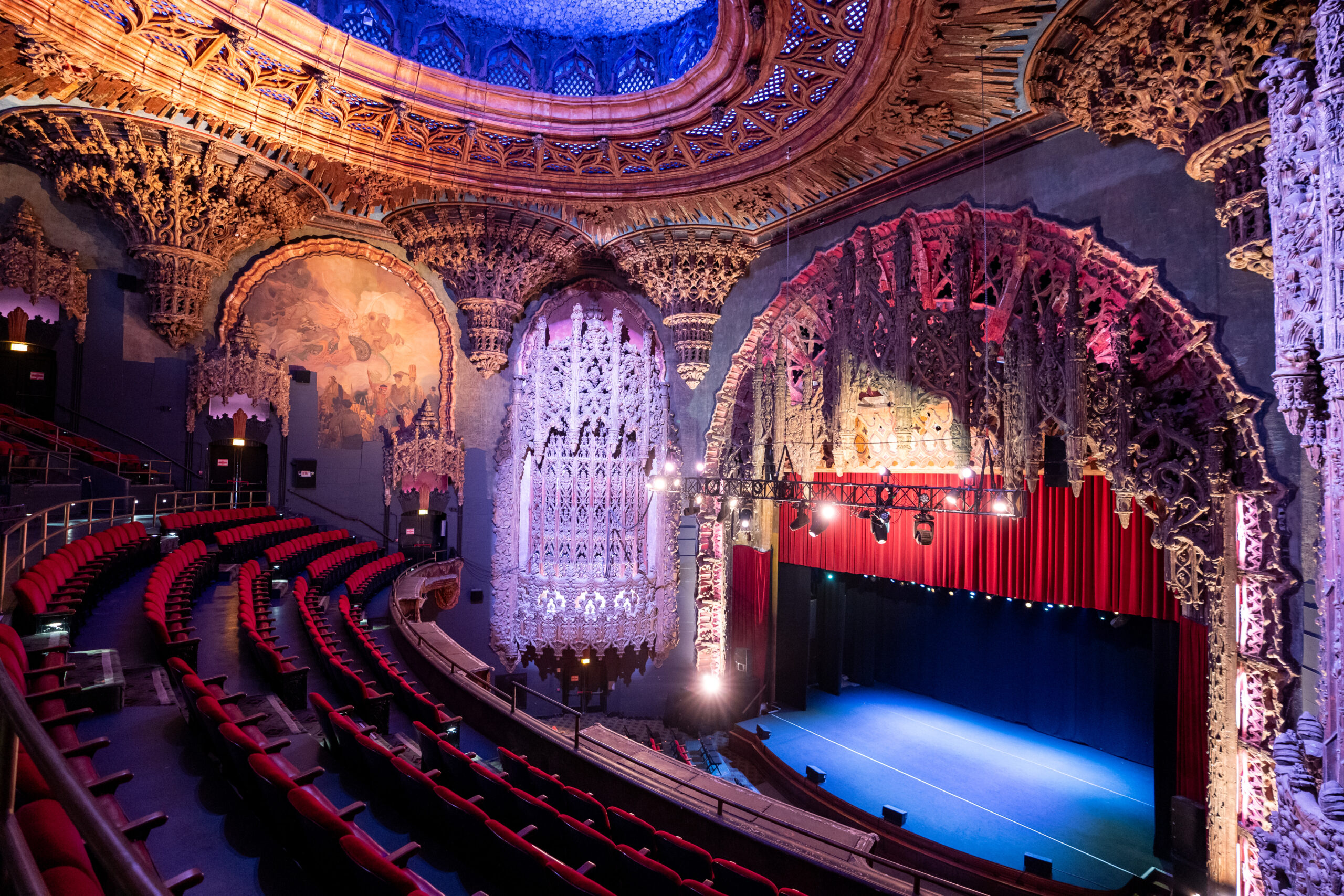
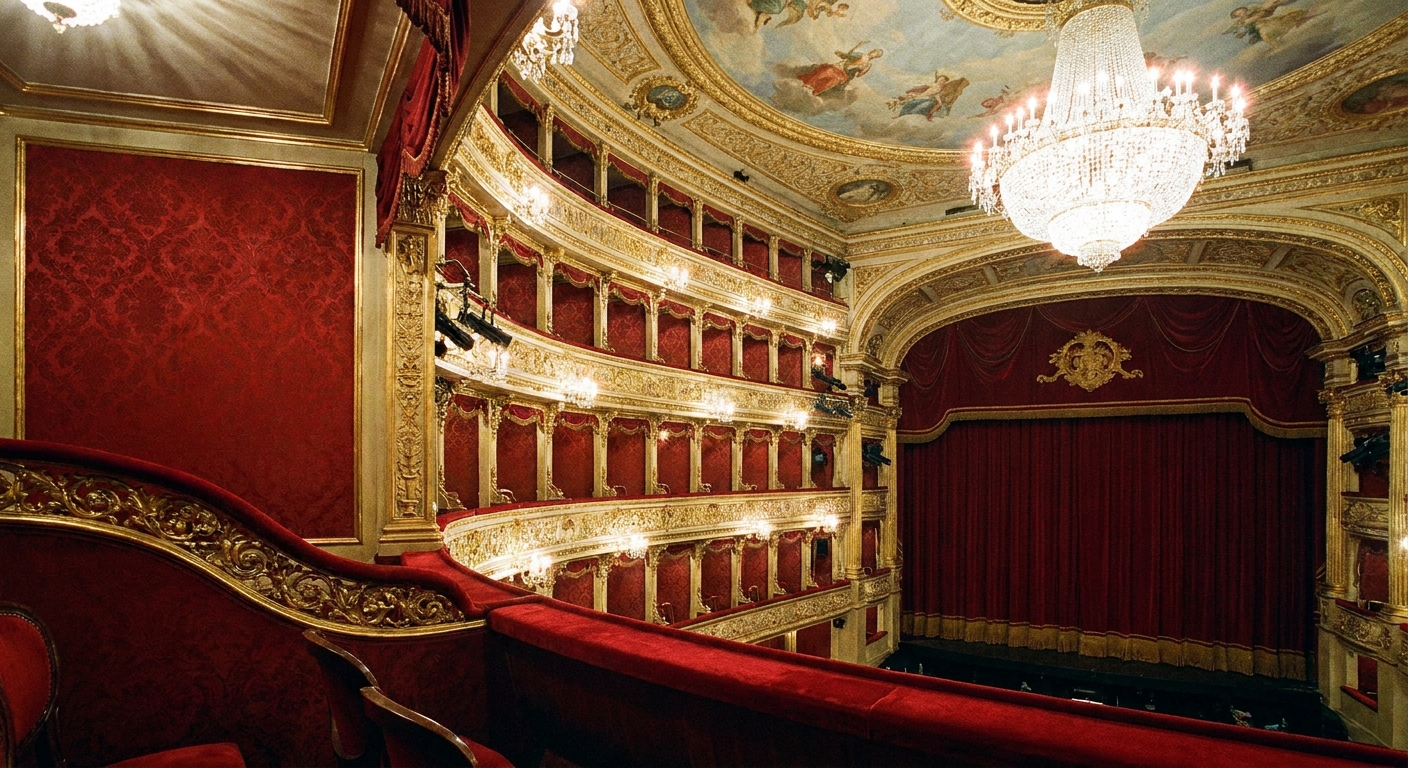
If you have ever spotted those little side “rooms” glowing along the walls of a theater and wondered if they are as fancy as they look, you are in the right house. A box seat (often just called a box) is a private or semi-private compartment inside the auditorium, usually set to the side of the house and often slightly raised or set on a tier above the main seating.
What a theater box is
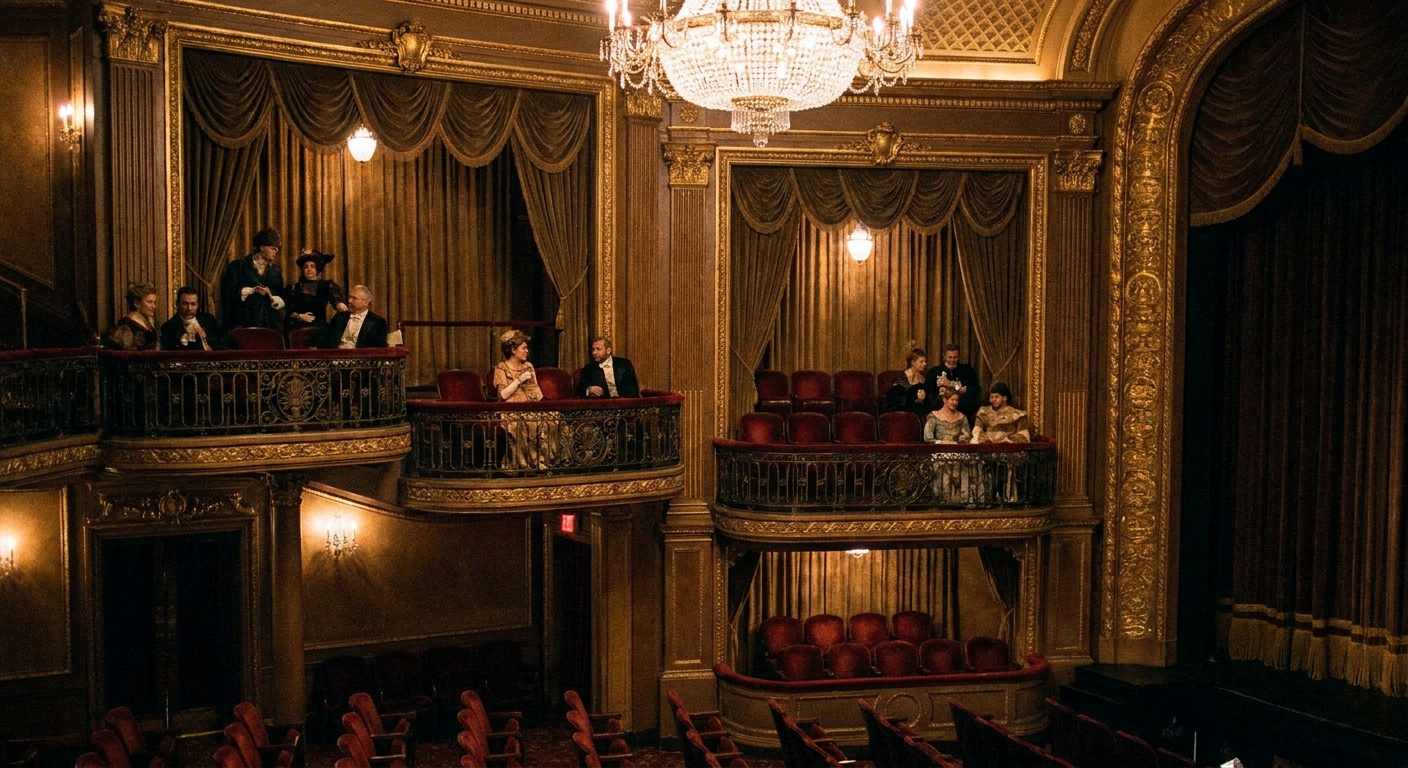
A theater box is a small seating area separated from the rest of the audience by a low wall or railing. In older theaters, boxes were designed for social visibility as much as visibility of the stage. Today, they still feel special because they are slightly tucked away, like having your own little corner of the performance.
Boxes may be labeled in a few different ways, depending on the venue:
- Side boxes: The most common, positioned along the left and right walls near the stage or mid-house.
- Grand tier boxes or dress circle boxes: In traditional opera houses and older theaters, boxes may wrap around a level above the orchestra.
- Proscenium boxes: Boxes very close to the stage, near the proscenium arch.
You may also see loge used in a couple of ways. Some venues use “loge” to mean box-like side seating, while others use it to describe a whole seating level (not a compartment). Translation: always trust the seating map over the label.
Some modern venues also use “box” to describe small premium sections (like a mini suite) even if the architecture is not traditional. The giveaway is the same: fewer seats, more separation, and often a premium price.
How many people fit in a box?
Most theater boxes are built for small groups, but capacity varies widely by venue and configuration. You will commonly see boxes that hold:
- 2 to 4 people for smaller, more intimate boxes
- 4 to 8 people for larger boxes in opera houses or big historic theaters
- 10 or more in rare cases, usually in very large venues or modern suite-like boxes with multiple rows
Here is the part that can surprise first-time box buyers: sometimes you are purchasing individual seats inside a shared box, not the entire box. Other times, especially at galas or premium venues, you may be booking the whole box as a unit.
Before you click “buy,” look for language like “Box (4 seats)” versus “Box Seat”, and check the seating map for how the venue sells that particular area.
What the view is like
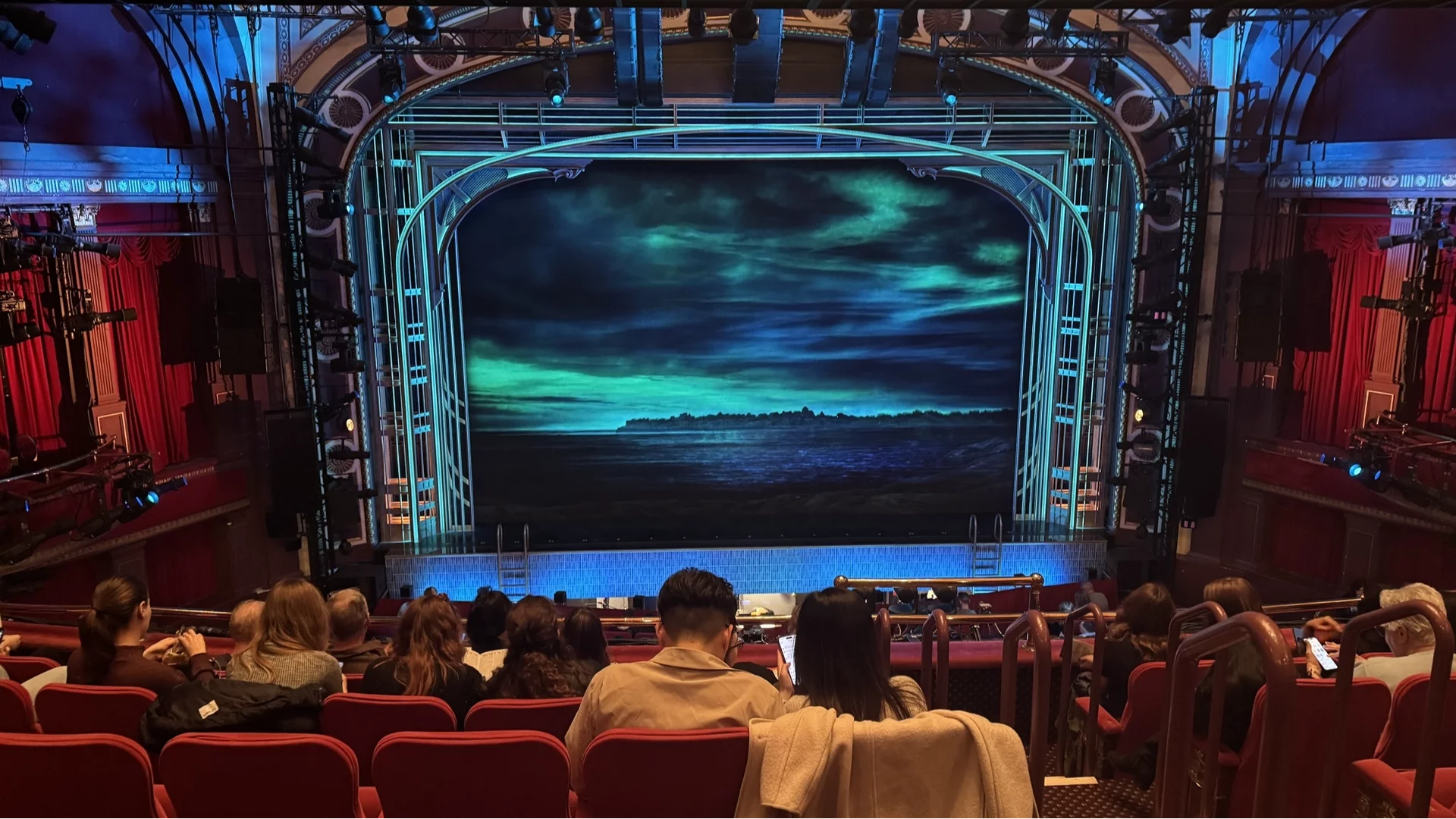
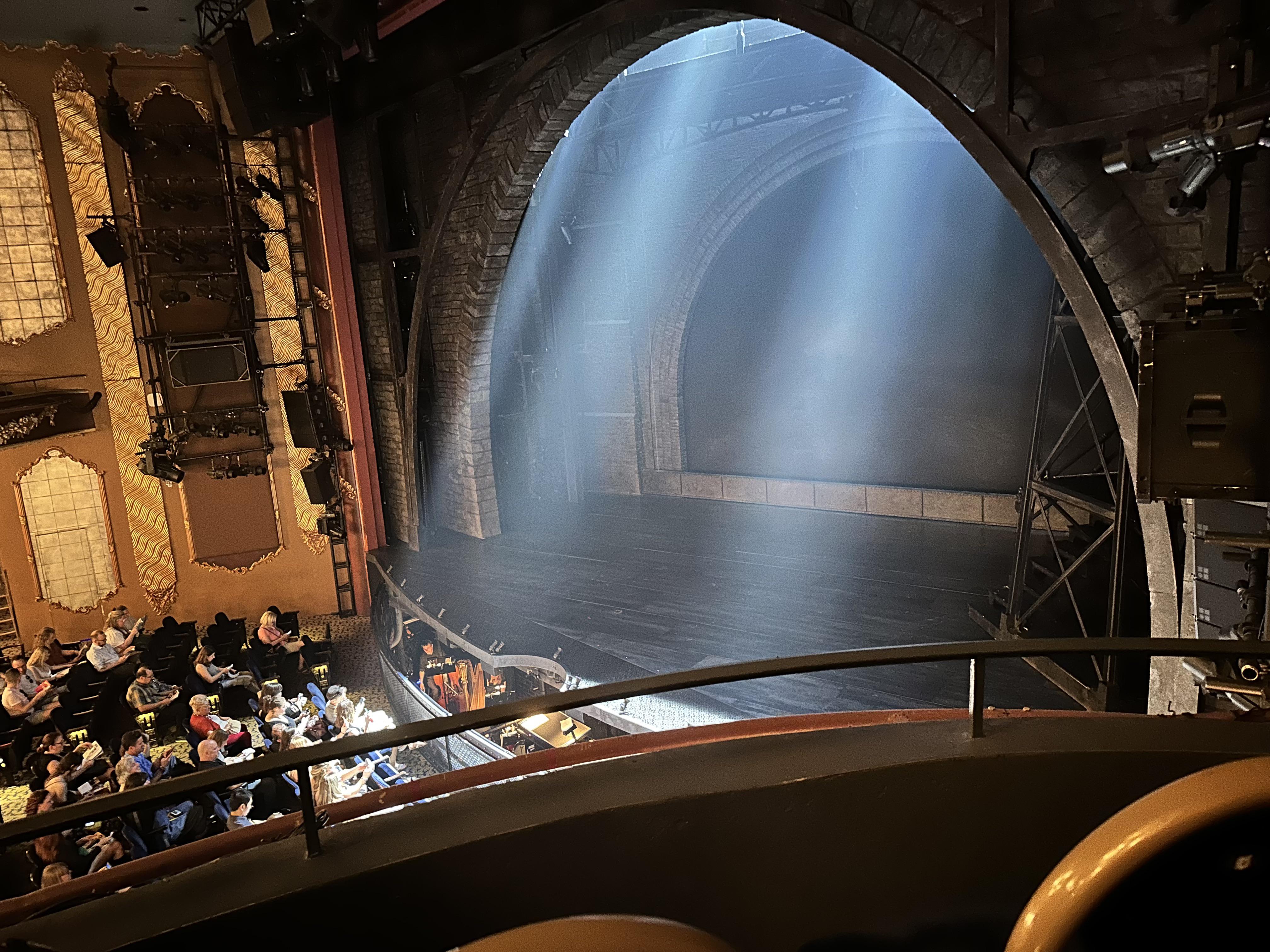
The signature tradeoff with box seating is this: you gain privacy and atmosphere, but you often accept an angled view.
Side-angle sightlines
Because boxes are typically on the side walls, you may be looking at the stage from a diagonal instead of straight on. That can mean:
- More limited view of stage pictures designed for the center (big musical numbers, group choreography, certain scenic reveals)
- Occasional obstructions from the box wall, the proscenium, lighting booms, or architectural details
- Better view of entrances on the near side and less of what happens on the far side
In plays with subtle blocking, an angled view can still be terrific, especially if the box is not too close to the proscenium. In dance-heavy shows, the diagonals can be less forgiving because choreography is often built for a centered audience.
Distance and elevation
Boxes can be close to the stage, mid-house, or higher up, depending on the building. Close side boxes feel immersive, but they are also the most likely to miss far-stage action. Boxes farther back often improve overall stage coverage while keeping that semi-private feel.
One more practical note: “partial view” labeling is not consistent across ticketing sites and venues. If sightlines are your dealbreaker, look for official notes, a seating chart with obstruction markers, and seat-view photos when they are available.
How the sound compares
Sound can be excellent, just different. A few things influence it:
- Angle to the stage: You are not in the direct line of projection the way many center orchestra seats are.
- Surfaces around you: Box walls and railings can reflect or slightly muffle sound, depending on materials and design.
- Sound system design: In amplified musicals, tours, concerts, or mic’d theater, venues usually tune coverage broadly, but side boxes can still land in a less ideal pocket.
For unamplified music, like chamber concerts or opera, acoustics vary dramatically from house to house. Some classic halls have famously wonderful sound in certain boxes, while others can feel a touch distant or uneven.
If you care most about crisp, balanced sound, center orchestra or front mezzanine is often the safer bet, but even then, every theater has its quirks. (Yes, there are halls where a “great” orchestra seat can land in a weird acoustic shadow.)
Box vs orchestra vs balcony
A box seat is not just “a better seat.” It is a different experience.
Experience
- Box: More separation, more of a special-occasion vibe, and often more personal space.
- Orchestra: The classic, straight-on theatrical experience, usually best for direct sightlines and connection to the performers.
- Balcony (and mezzanine): A wider, more architectural view of staging and patterns, sometimes with clearer overall stage pictures at the cost of distance.
Pricing and what you are paying for
Box pricing can be high for a few reasons:
- Scarcity: There are not many boxes in most theaters.
- Perceived luxury: Boxes are tied to tradition and status.
- Group value: If you can buy the whole box, the price may reflect a mini private area.
But a higher price does not always mean a better view. A center orchestra seat can be less expensive than a box seat and still provide more complete sightlines.
Policies and perks
Some venues attach perks to boxes, such as a dedicated entrance, lounge access, or in-seat service. Many do not. Always assume a box ticket is primarily about location and separation, not guaranteed add-ons.
When a box is worth it
Here is my raccoon-with-a-bow-tie rule of thumb: buy a box when you are paying for the moment, not just the metrics.
- It is a celebration: birthdays, anniversaries, a milestone show, or an opening-night style treat.
- You want some breathing room: boxes can feel less crowded and less “packed row” than some orchestra sections.
- You are attending with a small group: splitting a box can make the cost feel more reasonable.
- You enjoy the social side of theater: being slightly apart and having your own nook is part of the fun.
A box may be less worth it if you are intensely focused on perfect sightlines for dance, you are sensitive to angled views, or you are buying primarily for audio quality.
Tips before you buy
- Check the seating map carefully: “Box” can mean several different layouts, and the best box in one venue can be the trickiest in another.
- Look for notes like “partial view”: if the ticketing site flags it, believe it.
- Choose mid-house side boxes when possible: they often balance the special feel with more complete stage coverage.
- If buying individual seats in a shared box, pick positions wisely: seats closer to the center side of the box usually see more of the stage than seats tucked behind a wall edge.
- For musicals and dance: prioritize seeing the full width of the stage. If the box is extremely close to the proscenium, consider center orchestra instead.
- Check accessibility details: in some historic venues, boxes involve stairs, tight turns, narrow doors, or limited wheelchair access. If mobility is a concern, verify the route and seating options before purchasing.
- Mind box etiquette: boxes can be more visible than you think. Keep phones dark, keep conversation for intermission, and avoid leaning on railings in a way that blocks the people behind you.
Box seats in one sentence
A box seat is a small, private or semi-private side compartment in a theater that offers a premium, special-occasion experience, usually with angled sightlines and variable sound compared with center orchestra or balcony seating.
FAQ
Are box seats always private?
No. Some venues sell the entire box as one package, but others sell individual seats, meaning you could share the box with other ticket holders.
Are box seats better than orchestra seats?
Not automatically. Boxes can feel more exclusive, but orchestra often wins for straight-on sightlines and a classic view of the full stage picture.
Do box seats have the best view?
They can have a great view, but many boxes have side-angle sightlines. In some theaters, a box is a “wow” experience with a compromised view. In others, it is genuinely excellent.
Are box seats good for kids?
Sometimes. The separation can help families feel less cramped. Just watch for railing height and partial view notes, and remember that very side-angle views can make it harder for kids to follow action on the far side of the stage.