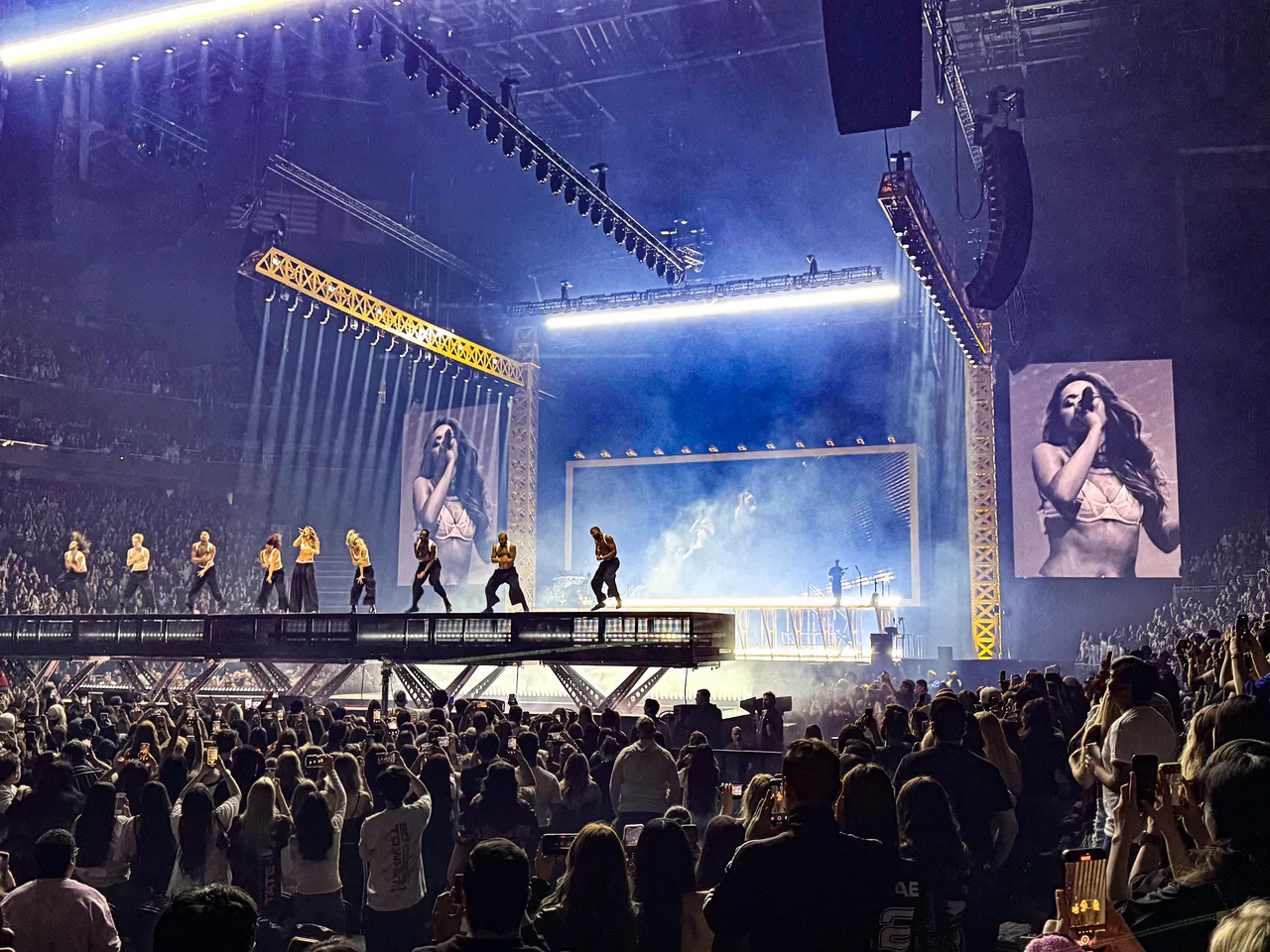
Lights down. Curtain up.
If you have ever stared at an arena seating map and wondered why the floor looks like its own little city of letters and numbers, you are not alone. In concert-speak, a floor seat typically means a reserved, numbered chair placed on the arena floor. It is often between the stage and the lower bowl, but the exact layout varies by tour and venue. Some shows have a pit in front of the seats, some have no pit at all, and some use part of the floor for production lanes or a front-of-house mix position.
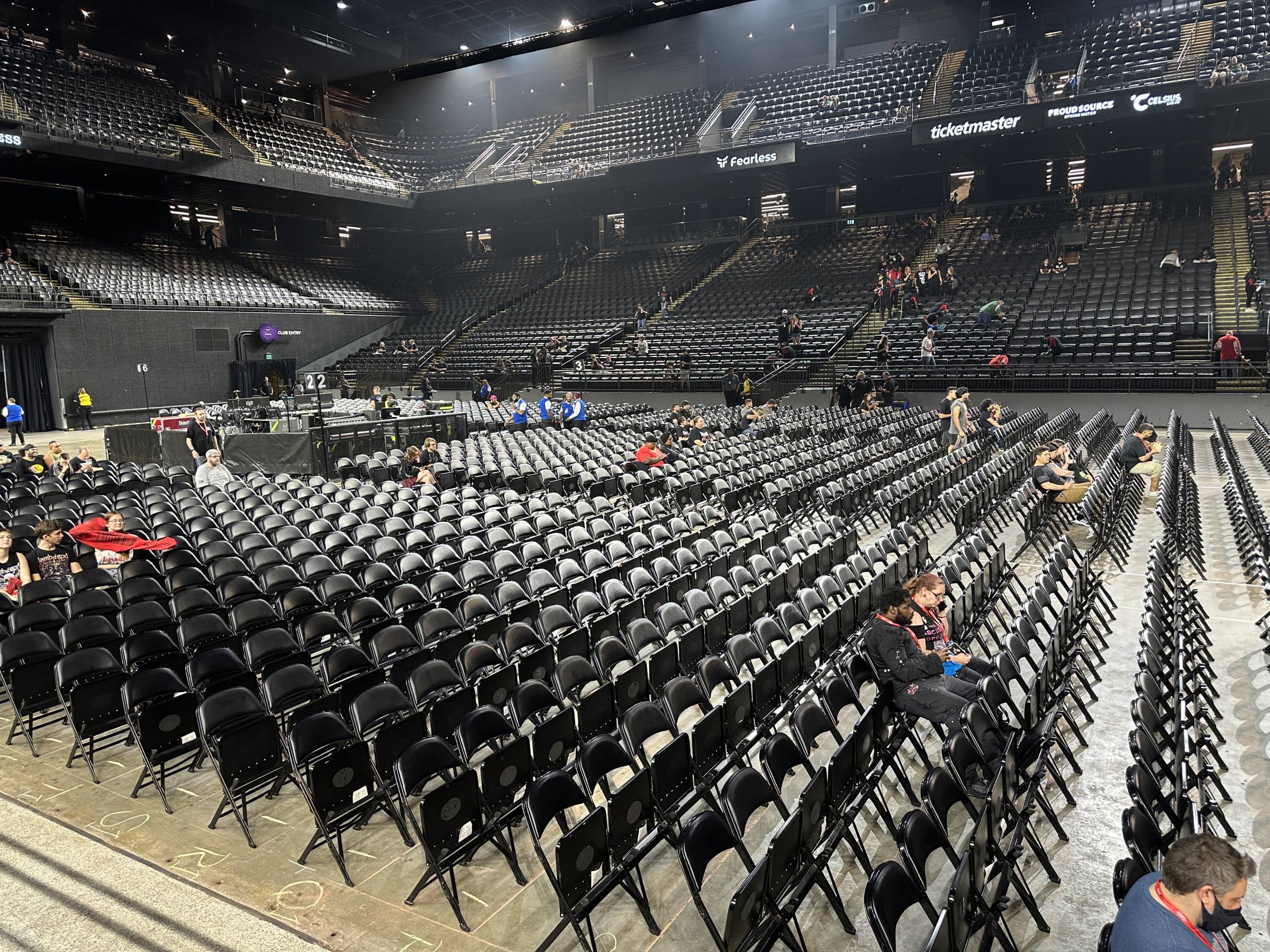
What “floor seat” means
At many arena concerts, the venue uses the floor space in one of these ways:
- Floor seating (reserved): rows of chairs arranged in blocks (sections). Your ticket has a section, row, and seat number.
- Floor general admission (standing): the floor is open, and you stand wherever you can within the GA area (sometimes split into zones).
In everyday conversation, people use “floor seats” two ways: sometimes they mean a specific assigned chair, and sometimes they mean any ticket on the floor (including GA). The easiest way to know which one you have is simple: if your ticket lists a seat number, you have a true floor seat.
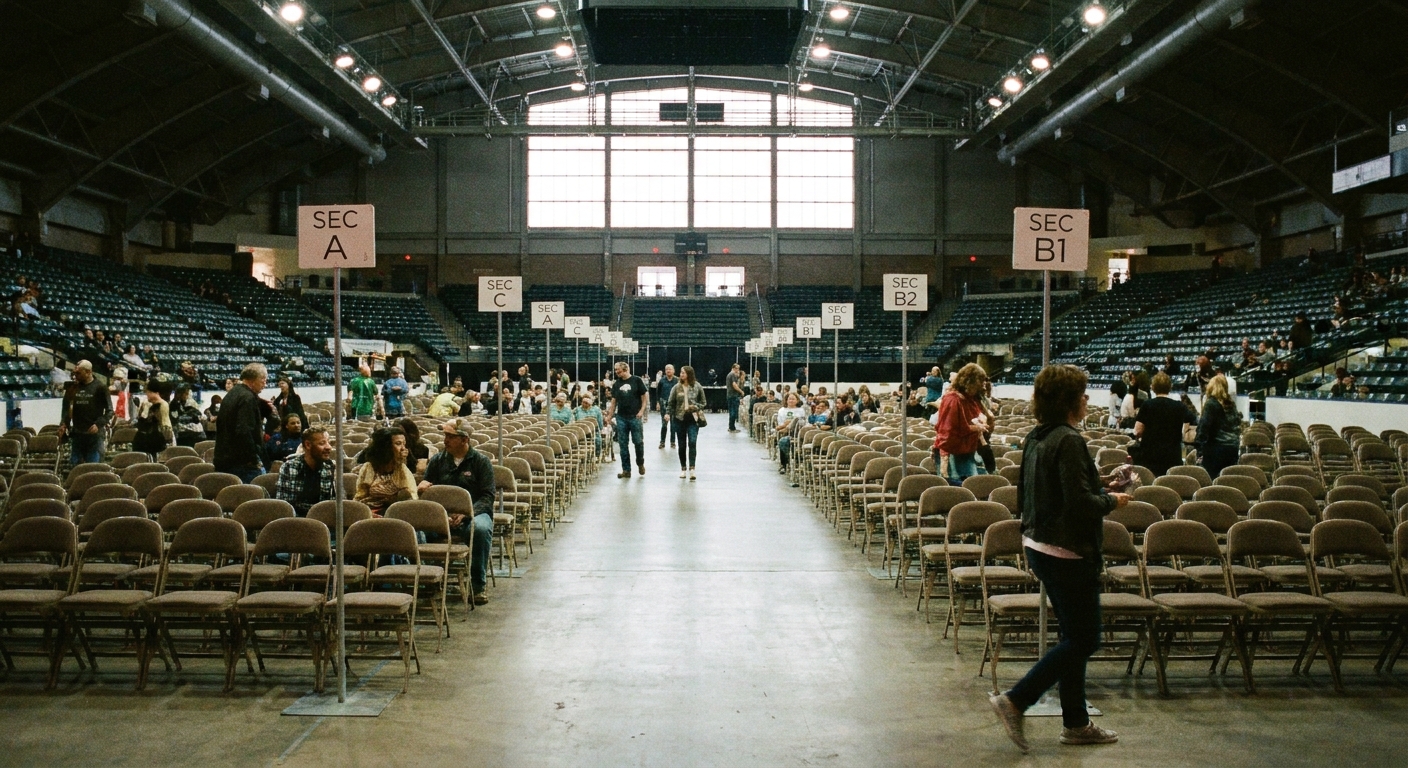
How floor sections are labeled
Floor seating is usually divided into blocks to help with aisles, security lanes, and crowd flow. Labels vary by venue and promoter, but common patterns include:
- Letters (A, B, C): often starting closest to the stage and moving back.
- Numbers (1, 2, 3): sometimes used left-to-right from the stage perspective.
- Directional names (Floor Left, Floor Right, Floor Center): especially on simpler maps.
- “FLR” or “F” prefixes (FLR1, FLRA, F2): to distinguish floor from the lower bowl.
Rows can run front-to-back (Row 1, Row 2) or use letters (Row A, Row B). Seat numbers typically count across a row. Exactly which side is “Seat 1” depends on venue convention, so if you care about being on an aisle or closer to center, check the seating chart orientation. A quick practical tip: most maps show the stage at the top, and you can often spot aisles or section edges to tell whether your seat number lands closer to the middle or the outside.
The big trade-off: sightlines
Arena bowls are raked, meaning each row rises. The floor usually is not. That is the heart of the floor-seat experience: you are closer, but you do not automatically get a clean view.
Why the view can be tricky
- Heads and phones: if the crowd stands (and they often do), the person in front of you becomes your horizon line.
- Limited elevation: even a few inches of height difference can matter on a flat surface.
- Stage height and runway design: a taller stage can help; a long catwalk can create great moments even from farther back.
- Sound and lighting towers: many floor plans include a front-of-house mix position, camera platforms, or delay towers that can interrupt a clean line of sight.
When floor seats shine
- Front rows of a floor section: you get closeness without as many sightline battles.
- Near the center line: you often get a more balanced view of the full stage picture, including screens.
- Shows built for intimacy: acoustic moments, smaller staging, or artists who work the lip of the stage can feel electric from the floor.
Floor seat vs pit ticket
This is where listings can get confusing. A pit is typically the closest area to the stage and is often standing-room. A floor seat is reserved seating on the floor, frequently behind the pit (or sometimes beside it) when a pit exists.
Quick differences:
- Pit: often general admission, standing the whole time, very close, higher energy. Some tours add wrinkles like reserved pit sections, early-entry tiers, or wristband systems that manage positioning.
- Floor seat: reserved spot and a chair exists (even if you stand), clearer personal space boundaries, usually a bit farther back than the closest pit area.
Some tours offer a seated pit or a GA floor with no chairs at all. The surest clue is your ticket: if it lists a seat number, you are in reserved seating.
Floor seat vs general admission
General admission describes how spots are assigned, not where you are in the building. You can have:
- GA pit (standing near the stage)
- GA floor (standing on the floor farther back)
- GA lawn (outdoor amphitheater)
Meanwhile, a floor seat is usually reserved seating on the floor. If your listing says “Floor” but has no row or seat, read carefully. It may be a standing GA floor ticket.
What floor seats feel like
Floor seating can be a sweet spot for fans who want closeness without committing to an all-night stand in the pit. Expect these practical realities:
- You may still stand most of the show, especially once the headliner starts.
- Aisle seats can be a quiet win for sightlines and breathing room, but you will also get more foot traffic.
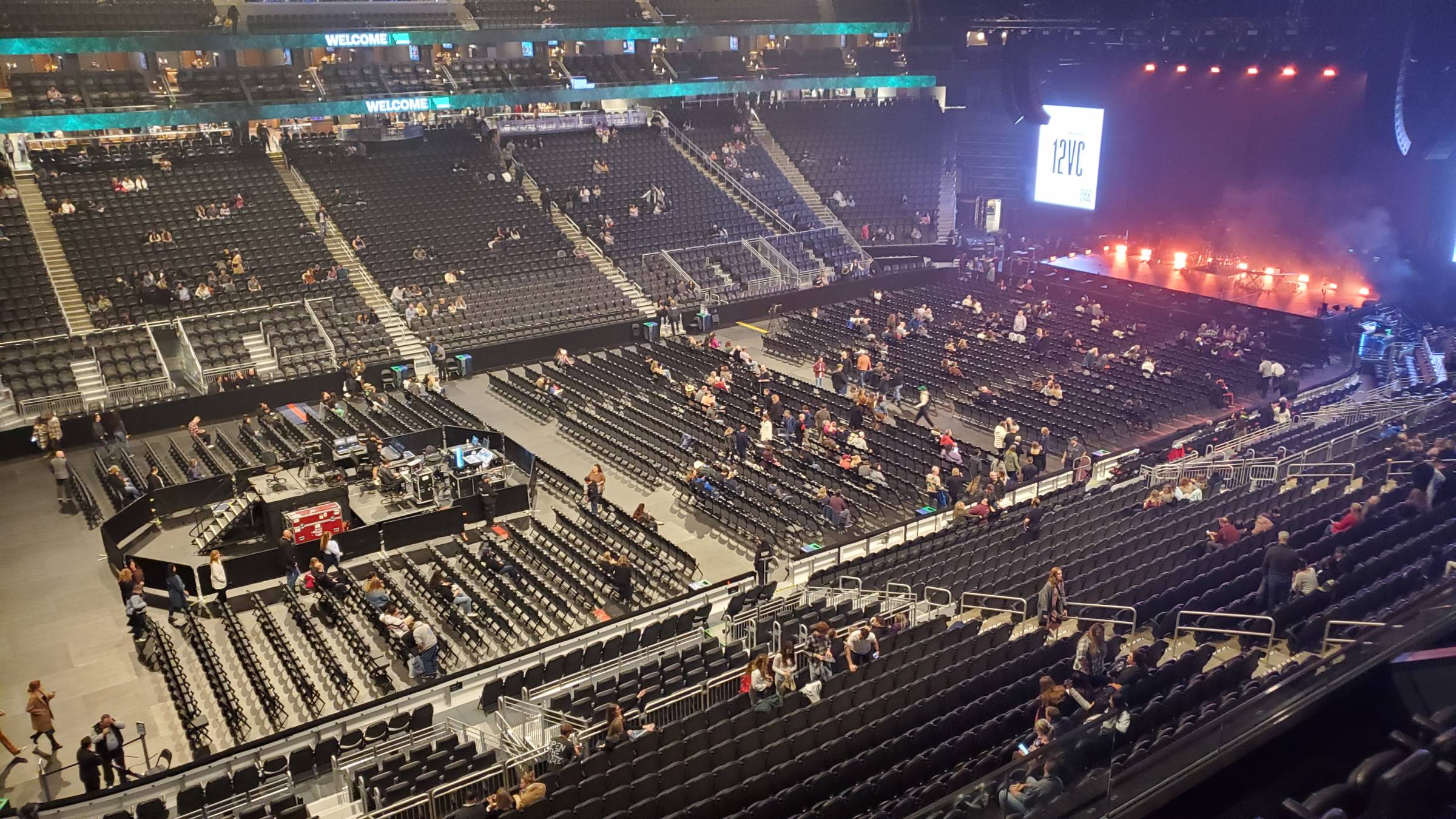
- Center is not always king if a soundboard or camera platform sits right in your lane. Scan the map for big rectangles on the floor.
- Screens matter. Many arena shows are designed to be read on video boards as much as in person.
Picking good floor seats
If you are choosing rather than taking what you can get, here is a quick checklist:
- Aim for the front of a section instead of the middle-back of the floor.
- Watch for FOH and towers on the map (mix platforms, camera pits, lighting poles).
- Prefer an aisle if sightlines are your top priority.
- Check “limited view” notes before you buy, especially on resale.
- Consider the first rows of the lower bowl as an alternative. You may be slightly farther on paper, but higher up in real life.
Accessibility notes
If you need step-free access, extra space, or a guaranteed sightline, look for accessible seating options listed on the venue map or ticketing page. Many arenas use raised platforms or designated wheelchair and companion areas rather than standard floor rows. If the map is unclear, contacting the venue box office is often the fastest way to confirm what works for your needs.
How to tell if your ticket is a true floor seat
Look for the three-part ID:
- Section (often a floor code like FLR B or Floor 3)
- Row (a letter or number)
- Seat (a specific number)
If any of those are missing and the listing emphasizes GA, it is likely standing room. If you are buying resale, check the ticket details for row and seat, not just the big headline that says “Floor.”
Floor seat FAQs
Are floor seats always closer than lower bowl seats?
Not always. Some lower bowl rows sit slightly elevated and can have cleaner sightlines than a mid-floor row. “Closer” on a map does not always mean “better view” on a flat floor.
Do you actually get to sit in floor seats?
You have a chair, but many audiences stand for most of the set. Think of the seat as your home base, not a promise you will watch seated.
Are floor seats good if you are shorter?
They can be, especially in the first few rows of a floor section or on an aisle. But height differences and phones can make floor views tougher than a raked bowl.
Can floor seats be behind the stage?
Yes, depending on the setup. In-the-round or 360 stages can wrap floor sections around the performance area. For end-stage setups, behind-stage seating is more often in the bowl, but it varies. Trust the seating map and any limited-view notes.
The Encore takeaway
A floor seat at a concert is usually a reserved, numbered chair on the arena floor, but the details depend on the tour and venue. Floor sections are labeled like mini-neighborhoods, and the experience is a trade: you are close to the action, but on a flat surface where sightlines depend on who is in front of you, where the towers land, and how the show is staged. It is different from the pit, which is often standing and frequently GA, and different from general admission, which describes whether your spot is assigned at all.
If you want that “I can see the artist sweat under the spotlight” energy but prefer knowing exactly where you belong, floor seats are often the ticket.