The first time you watch an actor disappear under prosthetics, it feels like a magic trick you cannot unsee. A cheekbone becomes a snout. A familiar jawline becomes a lantern chin. A human hand becomes something ancient and scaled. But the real spell is not a snap of the fingers. It is hours of chemistry, sculpture, patience, and an almost tender collaboration between performer and makeup chair.
Special effects makeup is where visual art meets stagecraft up close, in real time. It has to survive hot lights, long takes, emotional scenes, and the daily churn of set life. Let’s go behind the curtain and into the kit, from life-casting to the final paint pass that convinces your brain it is looking at a living creature.
The blueprint: life-casting
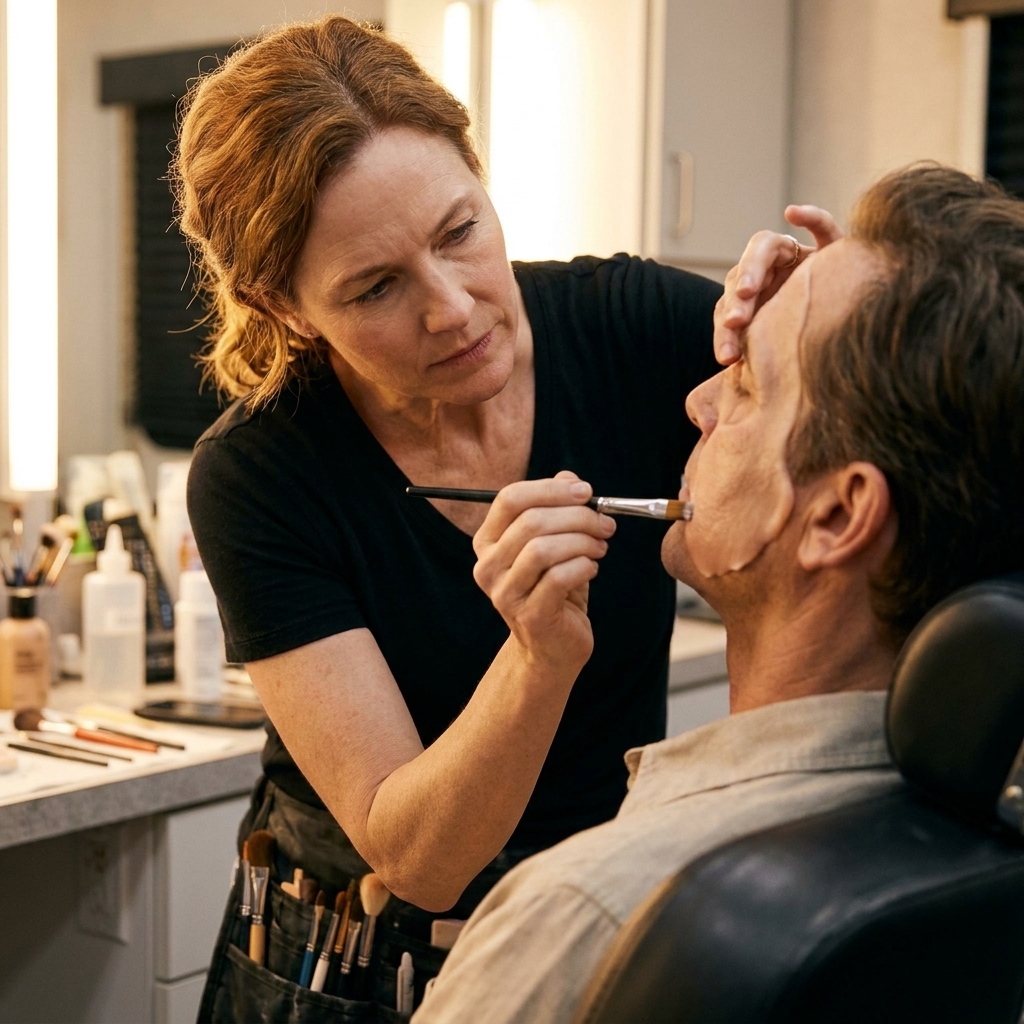
Before a monster has teeth, it needs measurements. Life-casting is the process of taking a precise mold of an actor’s face, head, hands, or any body part that needs transformation. Think of it as the most intimate kind of portrait, one that captures every pore, scar, and asymmetry that makes a performance read as human.
What materials are used?
Most contemporary life-casts start with alginate, a seaweed-derived material also used in dentistry. It sets quickly and captures detail beautifully, but it is not very strong, so it is typically supported with a rigid “mother mold” made from plaster bandages or fiberglass. Some shops use platinum silicone for certain casts because it is tougher and more flexible, though it is pricier and slower to work with.
How do they keep actors safe?
Life-casting is safe when done by trained artists who understand airflow, temperature, and the performer’s comfort. Nostrils stay clear, and full-face molds are often done in sections or with carefully planned breathing access. In some cases, straws are used, but practices vary and many artists prefer not to rely on them. The core of it is consistent communication, quick-release planning, and a calm pace. Eyebrows and facial hair are protected with release agents, and reputable teams will flag allergies, do patch tests when needed, and never treat discomfort as “part of the process.”
A good lifecaster is part technician, part stage manager, part calming coach.
From cast to creature
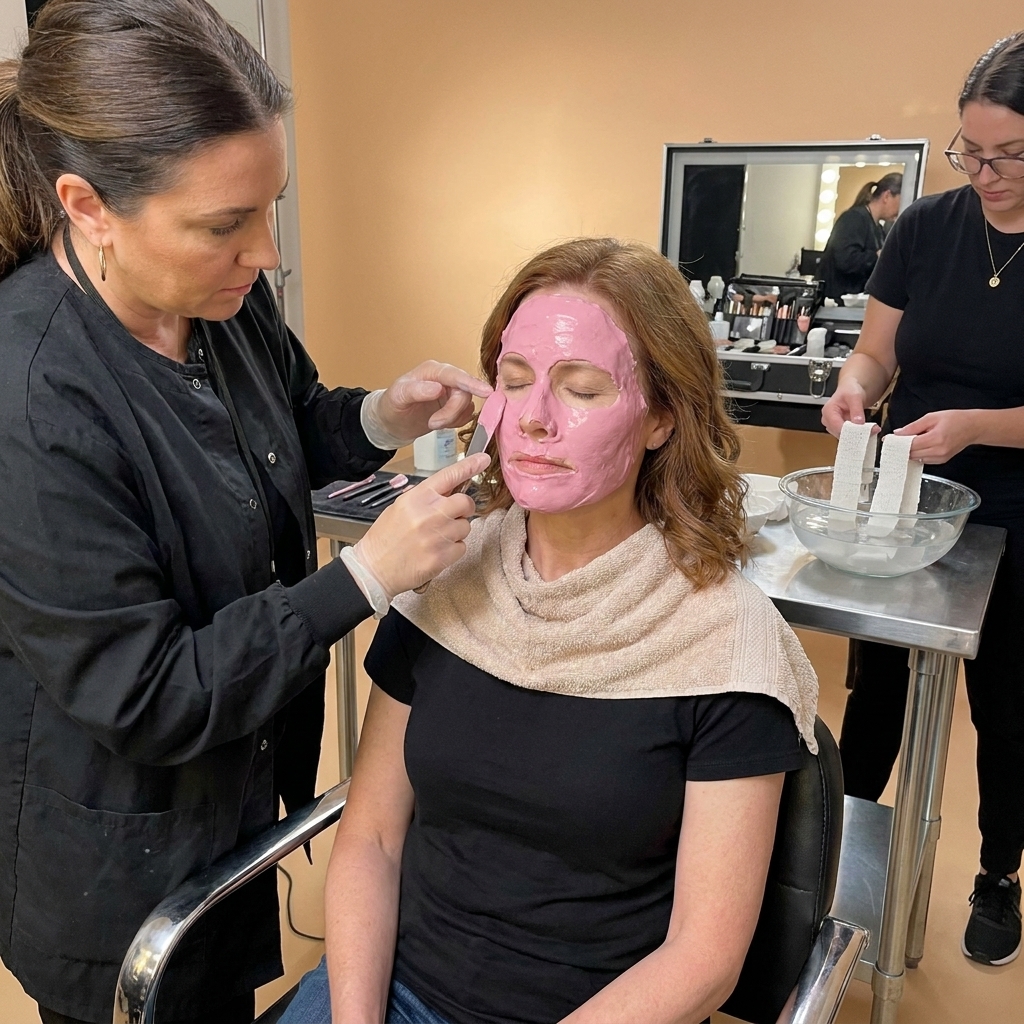
Once the life-cast is complete, the FX team pours a positive copy, usually in plaster or a hard resin. That copy becomes the working “head” or “body part” the artist can sculpt on, like a statue that already looks exactly like the performer.
Clay, anatomy, and movement
Sculpting prosthetics is not only about inventing shapes. It is about respecting how faces move. Artists study anatomy and expression because a prosthetic has to emote with the actor. A brow appliance that is too thick can flatten a performance. A cheek piece that ignores smile lines can lift or crack at the worst possible moment, usually mid close-up.
Most sculpts are done in oil-based clays that hold detail and do not dry out under studio lights. From there, the sculpt is molded, and that mold becomes the factory for producing the final pieces.
- Character aging often starts with subtle planes: sag at the jowl, a heavier lid, texture on the neck.
- Creature builds push silhouette: extended jaws, altered brows, stretched ears, reshaped noses.
- Injury effects prioritize believability: swelling, bruising patterns, dried blood behavior, and how skin pulls around a cut.
Molding and casting
This is the step most audiences never hear about, even though it is where the piece becomes real.
- Sculpt to mold: The clay sculpt is encased in a mold, often in stone plaster or fiberglass, built to hold alignment and fine texture.
- Foam latex runs: Foam latex is mixed and whipped, packed into the mold, then baked to cure. It comes out lightweight and expressive, which is why it remains a creature classic.
- Silicone casting: Silicone is usually injected or packed into a mold and cured at room temperature or with controlled heat. It can be pre-tinted for depth so the final paint job is not doing all the heavy lifting.
- Encapsulation: Many pieces are cast into a thin encapsulant layer so the edges can disappear more cleanly on skin.
Materials that sell it
If you have ever wondered why one monster looks like rubber and another looks heartbreakingly real, the answer is often material choice, plus the artist’s skill in using it.
Foam latex
Foam latex is lightweight and expressive, which makes it a longtime favorite for full-face appliances and creature suits. It moves well, can be comfortable over long days, and takes paint nicely. The tradeoff is that it can degrade over time, and edges can take extra finesse because foam is less translucent than skin and can read thicker if not carefully designed and blended.
Platinum silicone
Platinum silicone has a translucency that mimics real skin, especially when tinted internally. It can look astonishing on camera because it reads as flesh rather than surface paint. Silicone can be heavier than foam and requires careful adhesive choices, but for close-ups, it is often the gold standard.
Gelatin
Gelatin is a budget-friendly, fast option used for wounds, swelling, and small appliances. It is great for short shoots and controlled conditions, but it is sensitive to heat and moisture, so it can get unpredictable on long, sweaty days.
Encapsulated edges
One of the biggest tells in prosthetics is the edge where fake meets skin. Many modern pieces are made with encapsulation, a thin membrane (often cap plastic like Baldiez) that allows edges to melt away with appropriate solvents. Often that means acetone for cap plastic, but the exact solvent and method depends on the encapsulant, the adhesive, and skin tolerance. When done well, it is the kind of craftsmanship you feel rather than notice.

Application day
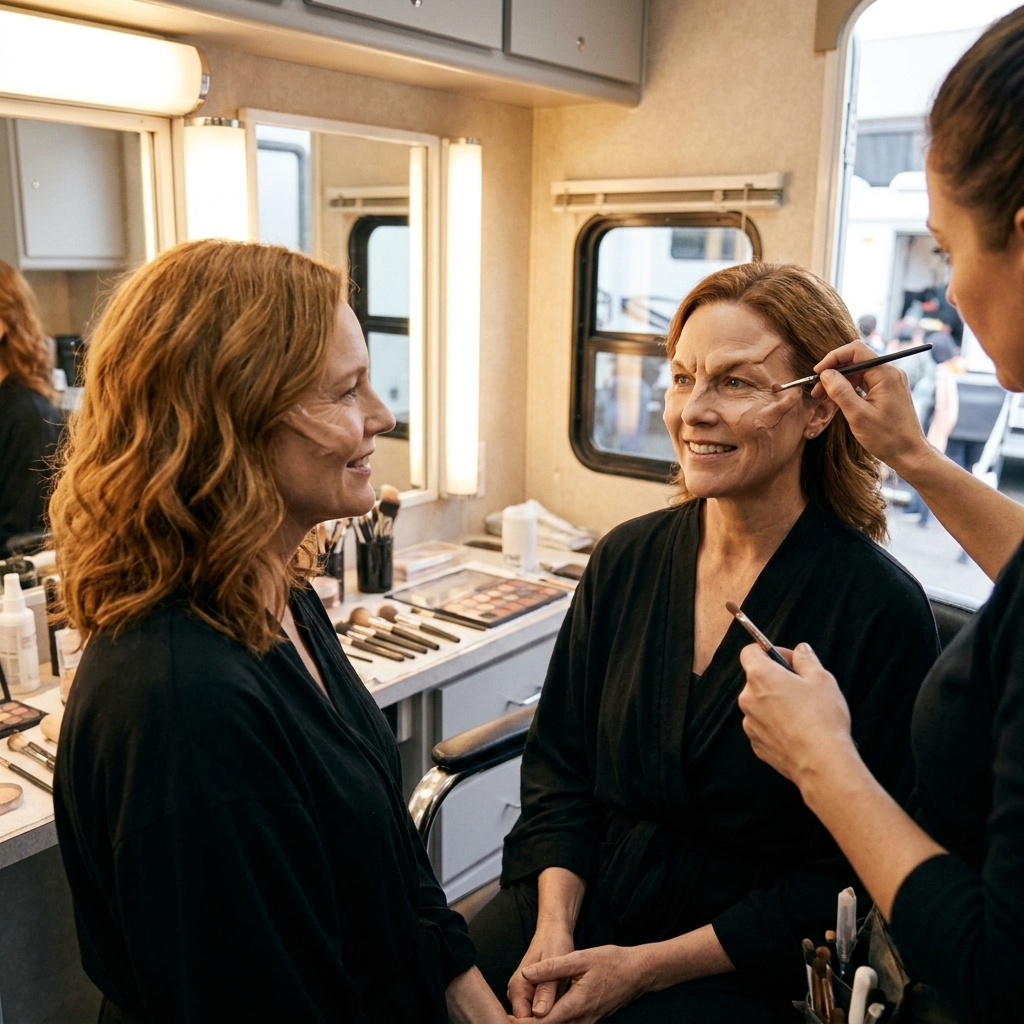
On set, prosthetic makeup is a performance before the performance. Call time might be 3 a.m. The chair becomes a tiny theater where the FX artist, hair team, and performer build the character layer by layer.
Skin prep and placement
Great applications start before adhesive. Skin is cleaned, lightly de-oiled, and sometimes protected with a barrier product depending on sensitivity and the material being used. Shaving is usually handled ahead of time because stubble is an edge’s worst enemy. On complex jobs, patch tests and allergy checks are part of the plan, not an afterthought.
Prosthetics are typically applied with skin-safe, professional prosthetic adhesives such as Pros-Aide (an acrylic adhesive) or silicone-based adhesives designed for skin contact. Placement is everything. A piece that is one millimeter off can change the actor’s eye line or distort a smile.
Once adhered, edges are blended using alcohol-activated palettes, stippling, or solvents, depending on the material. Then comes sealing, painting, and texturing.
Painting
Great paint work is rarely one color. Human skin is a chorus: warm reds around the nose, cooler tones at the jaw, faint veining, freckles, sun damage, tiny shifts you do not consciously register until they are missing.
- Silicone pieces are often colored with silicone-based paints or pigments, sometimes layered for depth.
- Foam latex is usually painted with flexible rubber mask paints or alcohol-activated colors.
- Texture can include spatter and stipple to suggest pores, fine stippling for age, and gloss control so nothing shines like plastic under lights.
Hair, teeth, and details
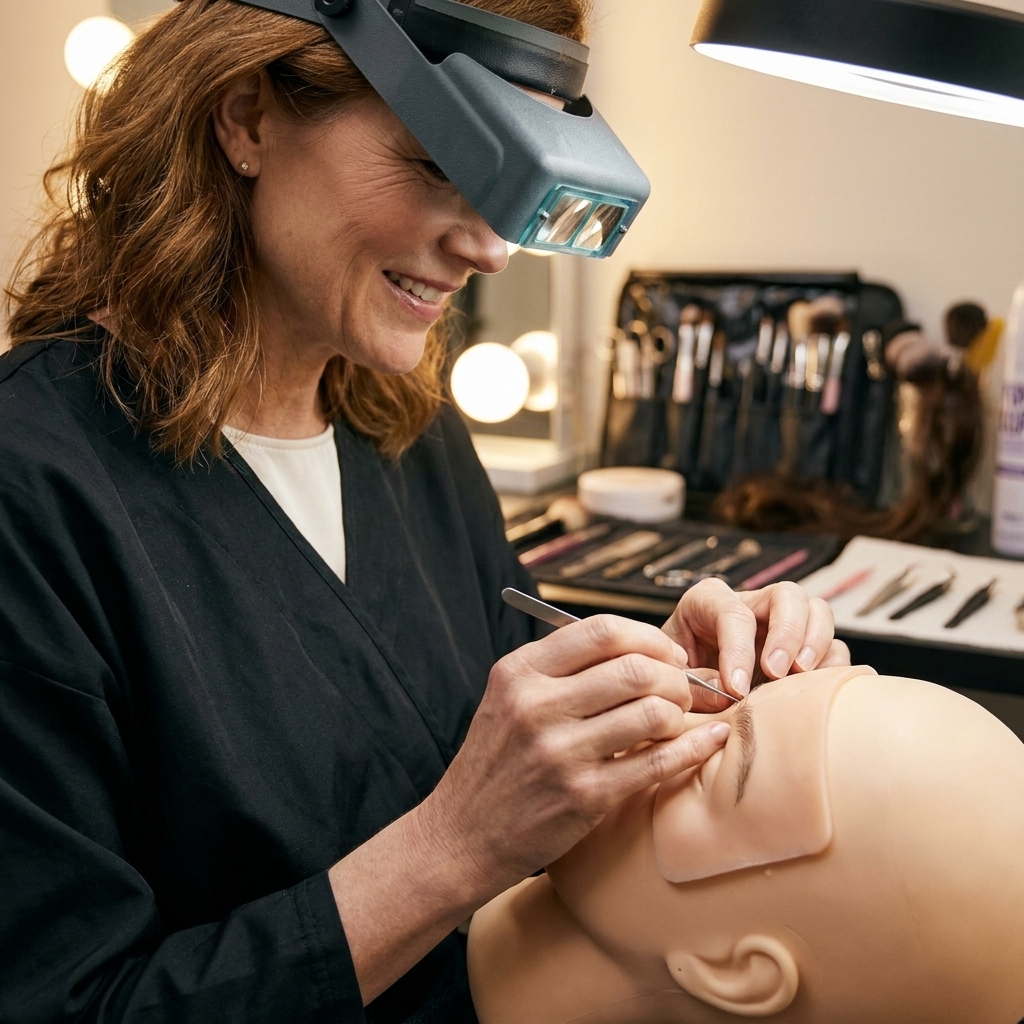
The last 10 percent is often the difference between “cool makeup” and “I believe this creature has a mortgage.” Hair punching (inserting individual strands into silicone), lace brows, custom dentures, contact lenses, and nail appliances all add to the reality. These details are fussy, time-consuming, and absolutely worth it.
Making it last
Prosthetics do not just need to look real. They need to endure. Actors sweat. Sets are hot. Scenes involve tears, rain towers, stunt harnesses, and quick costume changes that treat edges like suggestions.
Maintenance
Many productions keep a dedicated FX artist on standby for touch-ups, especially for long days or continuity-heavy scenes. That can mean re-adhering an edge, matching paint after a wipe, de-shining silicone under changing lights, or patching a torn area between takes.
Continuity
If a character’s wound evolves over several scenes, the FX department tracks its story with meticulous continuity photos and notes. How dark is the bruise on day three? Is the swelling down? Did the cut re-open during the fight? FX makeup is storytelling in color and texture, with receipts.
Safety on set
There is also the unglamorous, essential layer: safety. Solvents and adhesives require ventilation and smart handling. Contact lenses should be fitted and supervised properly. Creature suits demand heat management, hydration planning, and breaks, because realism is not worth a performer overheating for.
Prosthetics vs. CGI
People love to frame this as a rivalry, but most modern productions treat practical and digital effects as collaborators. Prosthetics give actors something tangible to play, give cinematographers real light interaction, and provide the audience with texture that is hard to fake. CGI can remove seams, enhance movement, or extend a creature beyond what is safe or feasible in camera.
The best results often come from a hybrid approach: practical prosthetics for the close-up intimacy, digital augmentation for the moments that would otherwise require physics to cooperate.
And increasingly, the pipelines overlap. Some teams sculpt traditionally, then 3D scan a life-cast or maquette to refine symmetry, test fit, or 3D print elements like teeth, armor, or mold parts. It is not replacing the hands-on craft so much as giving it new tools.
What the actor brings
There is a misconception that prosthetics do the acting. In reality, prosthetics demand more from performers. They have to learn how their face now moves, how their breath sounds through altered nasal passages, how a heavier brow changes their field of vision. They have to find nuance inside a new silhouette.
When it works, it is not just impressive craft. It is empathy made visible: an artist building a new body, and an actor teaching it how to be alive.
Fast FAQ
How long does prosthetic makeup take?
It depends on complexity. A small appliance can take under an hour. Full transformations can take three to six hours or more, especially if multiple pieces, hair work, and intricate painting are involved.
Does it hurt to remove prosthetics?
Removal should not hurt when done properly, but it can be uncomfortable. Artists use specific removers to dissolve adhesive gradually, then cleanse and soothe the skin. Ripping is not the method.
Can actors breathe and talk normally?
Usually yes, with adjustments. Full-face pieces can alter airflow slightly, and dentures or mouth appliances can affect speech. Performers adapt quickly, and FX teams design around the actor’s needs whenever possible.
Why do some prosthetics look fake on camera?
Common culprits include visible edges, mismatched skin tones, incorrect sheen under lights, limited movement due to thickness, or paint that sits on the surface without translucent depth. High-resolution cameras are brutally honest. A good application is a game of millimeters.
Credits
I stay through movie credits for a reason. Somewhere in that scroll is a team that spent months sculpting cheekbones you never questioned and painting bruises that made you wince. Special effects makeup is invisible when it is doing its job, which is exactly why it deserves a spotlight now and then.
Next time a character transformation makes you lean forward in your seat, consider the unseen duet behind it: an artist building a second skin, and an actor trusting it enough to tell the truth through it.