There are theaters you attend, and theaters you enter. The latter have a kind of charged air, like the walls have been saving applause for centuries. If you love performance in any form, these are the venues that turn a night out into a time machine. Some are ancient, some are modern icons with instant-classic status, but all of them have hosted the kind of artistry that makes you sit a little straighter in your seat.
Pack comfortable shoes, bring your curiosity, and yes, stay through the bows, the curtain calls, and the final echo of the house lights.
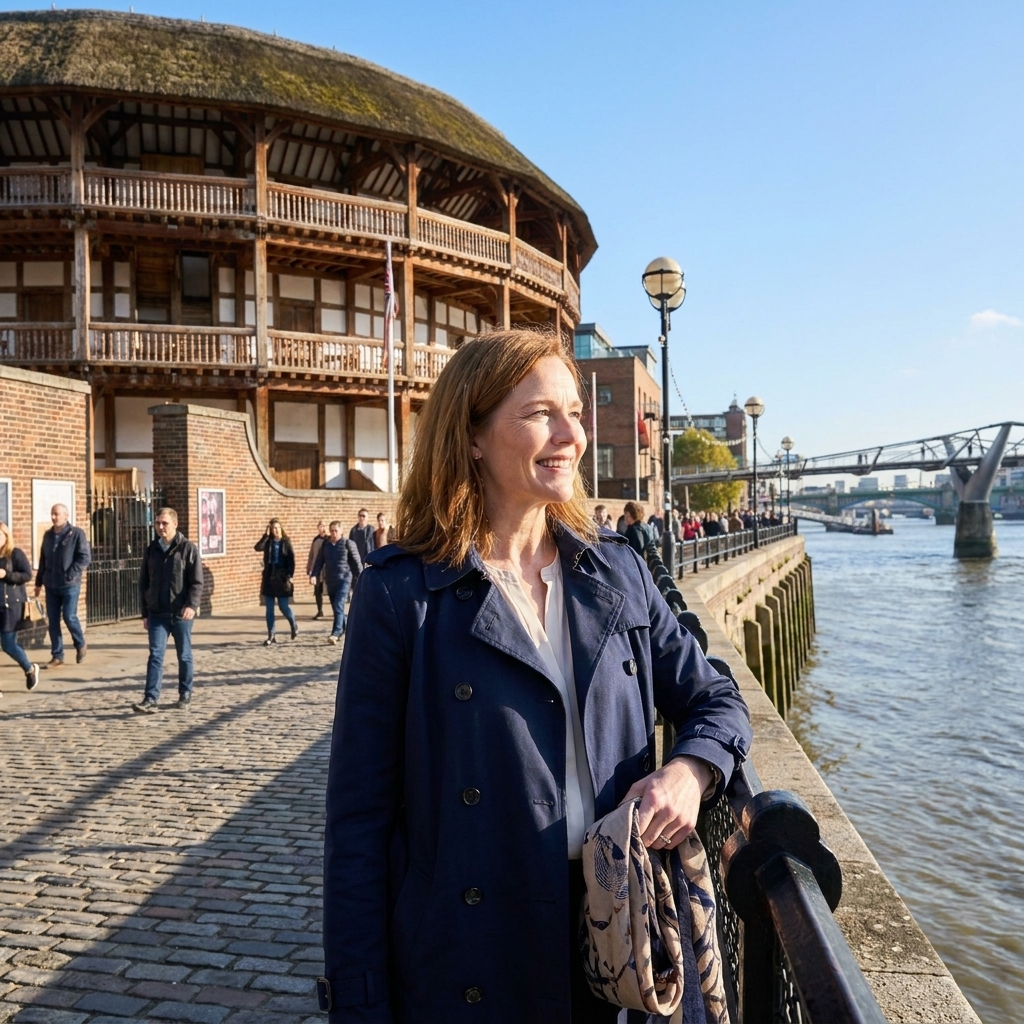
1) Shakespeare’s Globe (London, England)
If you have ever quoted Hamlet to sound smart or cried at Romeo and Juliet to feel alive, the Globe is your pilgrimage. The current theater is a faithful reconstruction near the original site. It opened in 1997 and is not on the exact footprint of the 1599 Globe, but it was built to evoke the Elizabethan playgoing experience. Standing in the yard as a Groundling is still the best way to understand how rowdy, immediate, and communal Shakespeare truly was.
- Why it matters: A living experiment in historical performance and audience energy.
- Don’t miss: A matinee in summer when the open-air design makes the sky part of the set.
- Elena tip: Take the guided tour first. You’ll watch the show with sharper eyes for staging tricks.
2) Teatro alla Scala (Milan, Italy)
La Scala is not just an opera house, it is a global barometer for excellence. Opened in 1778, this stage has premiered major works and launched legendary careers. The auditorium is famously elegant, but the true spectacle is the audience, who arrive with strong opinions and the kind of attention that feels like an additional spotlight.
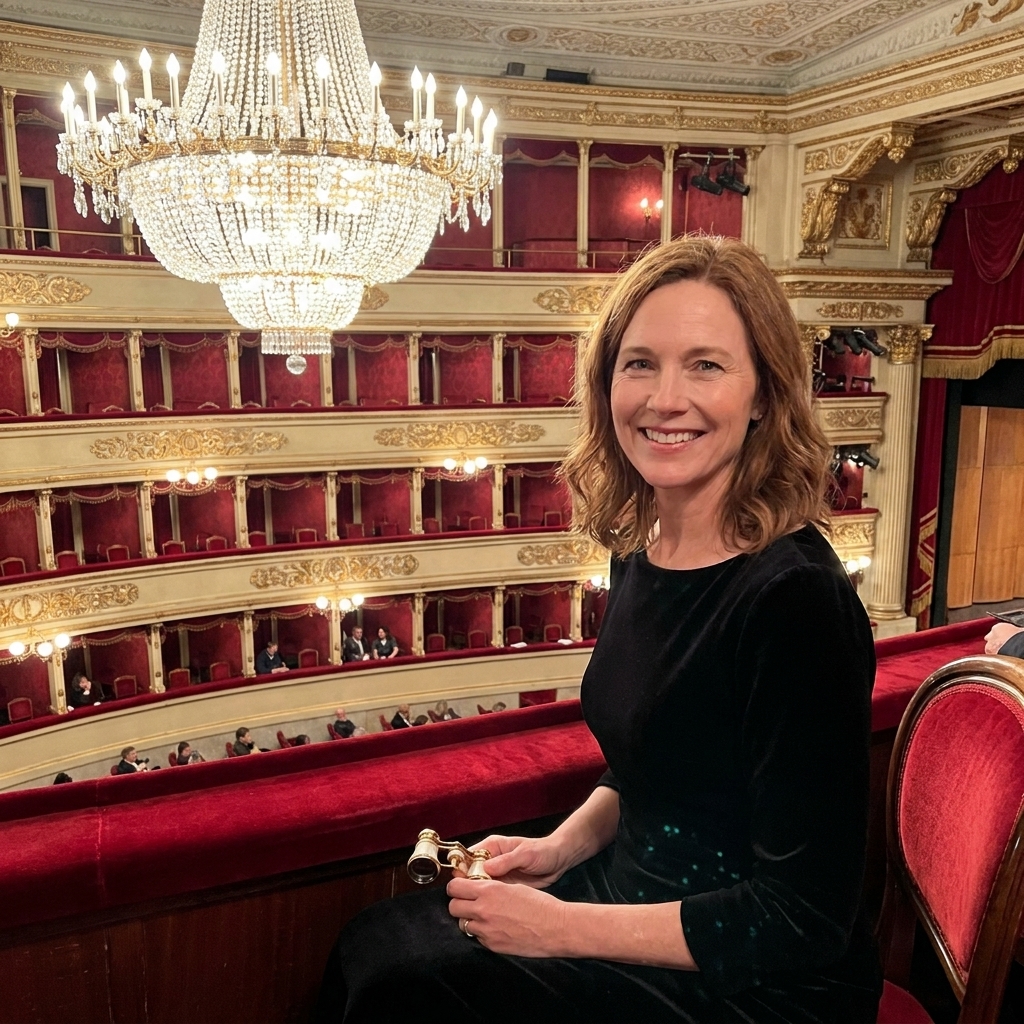
- Why it matters: One of opera’s most consequential rooms.
- Don’t miss: The La Scala Museum for costumes, instruments, and backstage context.
- Elena tip: Check the season calendar early. Some nights sell out fast, and last-minute seats can feel like winning the lottery.
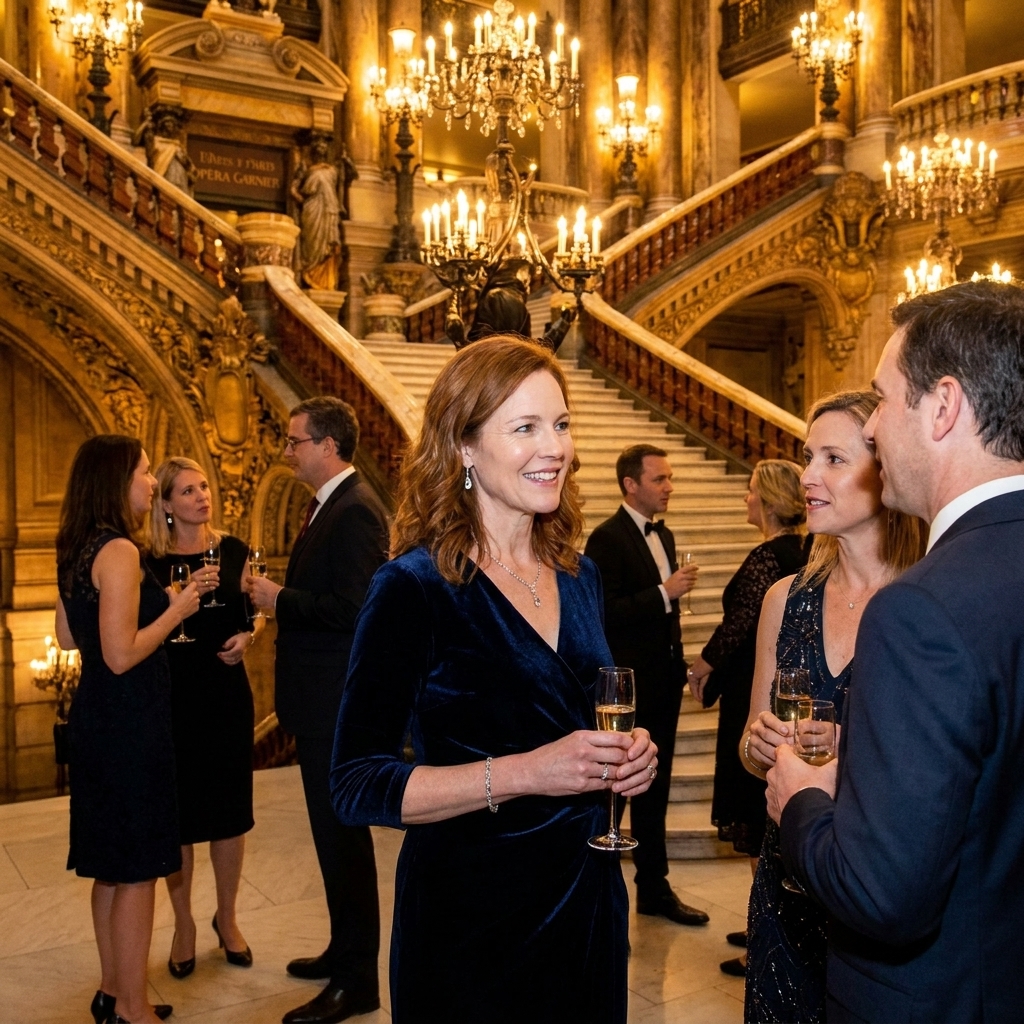
3) Palais Garnier (Paris, France)
The Palais Garnier is the kind of building that makes you believe architecture can flirt. Built in the 19th century as the historic home of the Paris Opera, it is a maximalist fever dream of marble, gilding, and grand staircases designed for entrances. Opera today often lives at Opéra Bastille, but Garnier still delivers ballet and that incomparable feeling of being inside a work of art. Even if you attend for the dance, you will also be attending the theater of being seen.
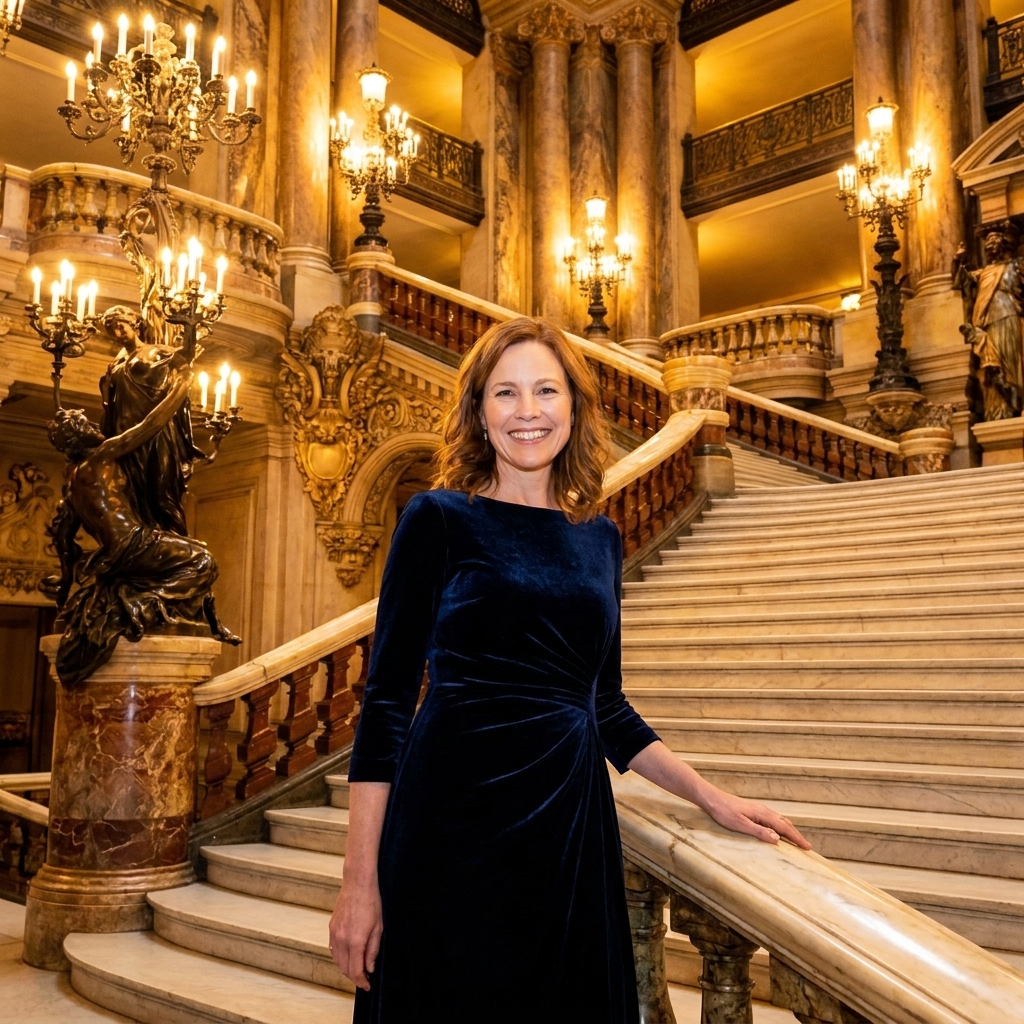
- Why it matters: A landmark of Second Empire style and opera history.
- Don’t miss: Looking up. Always looking up.
- Elena tip: If you can’t catch a performance, go anyway. A daytime visit still gives you the staircase, the ceiling, and the delicious drama of the corridors.
4) Sydney Opera House (Sydney, Australia)
Yes, it is modern compared to many venues on this list, and yes, it belongs here. Opened in 1973, the Sydney Opera House is one of the most recognizable performance spaces on Earth, and it earns that fame by being more than a pretty silhouette. Its multiple venues host opera, theater, concerts, comedy, and contemporary work that keeps the building culturally alive, not just postcard-perfect.
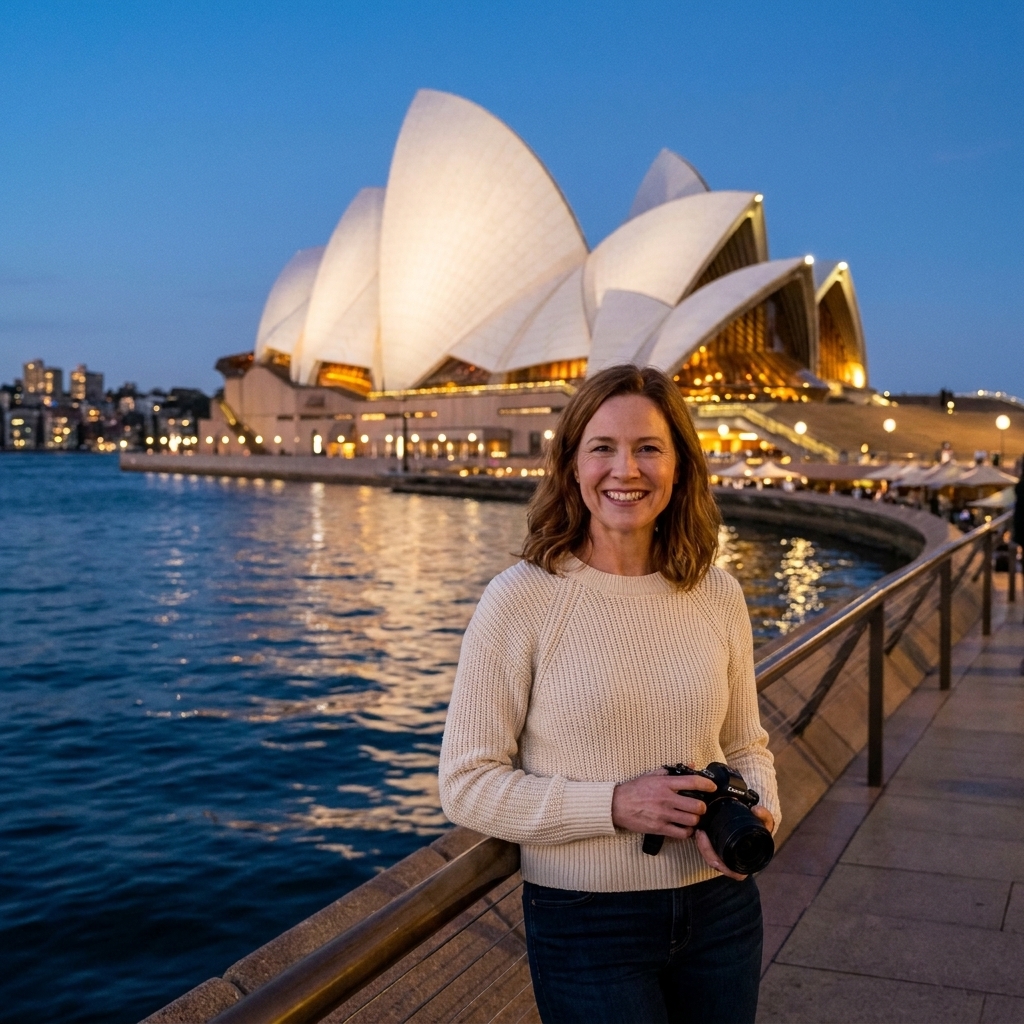
- Why it matters: A 20th-century architectural triumph that also functions as a working arts factory.
- Don’t miss: A backstage tour to understand the engineering behind the magic.
- Elena tip: Don’t only chase the “big” hall. Some of the smaller spaces are where you’ll get the most surprising nights.
5) The Bolshoi Theatre (Moscow, Russia)
“Bolshoi” means “big,” and the theater lives up to the name in history, reputation, and sheer dramatic presence. Opened in the 19th century in its current form, this is one of ballet’s most storied homes, where technique and tradition are treated with almost ceremonial seriousness. When the curtain rises, you feel how much a national cultural identity can be channeled through a stage.
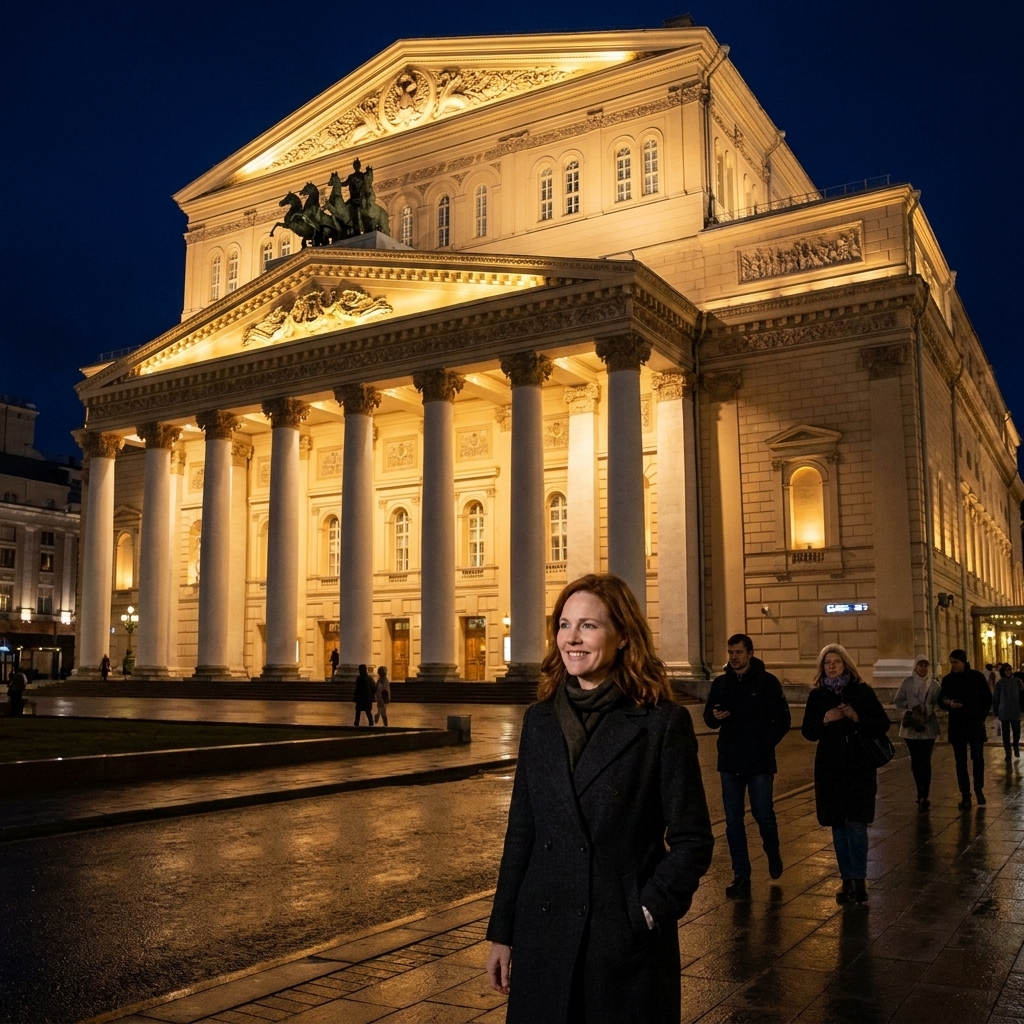
- Why it matters: A defining institution for classical ballet and opera.
- Don’t miss: The moment the orchestra tunes. It is a ritual.
- Elena tip: Go classic for your first visit. This is a house that knows how to make tradition feel like electricity.
6) Teatro di San Carlo (Naples, Italy)
Naples’ Teatro di San Carlo is a love letter to the idea that acoustics can be sacred. Opened in 1737, it is one of the oldest opera houses still in operation today. The royal box and the plush horseshoe auditorium carry history in every curve of red and gold. It is opera as architecture, architecture as anticipation.
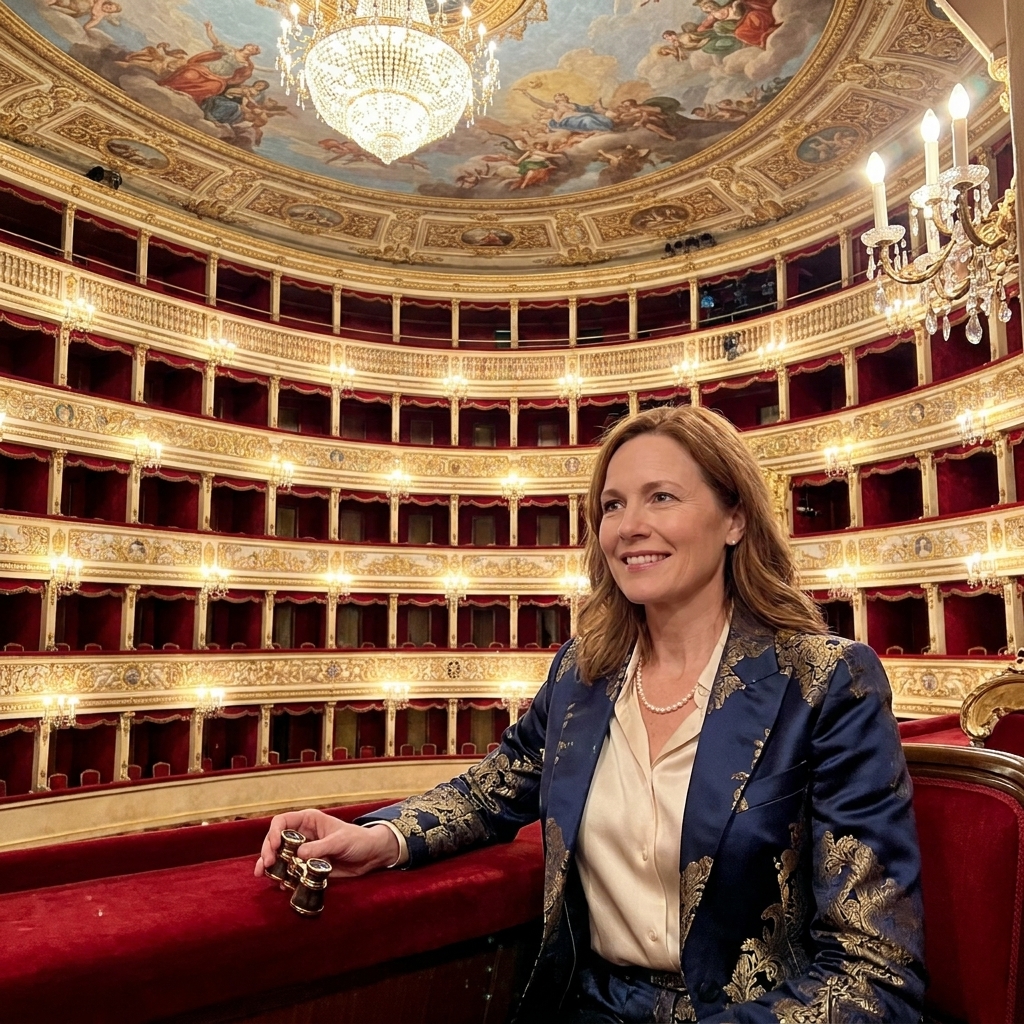
- Why it matters: A cornerstone of European opera history with famously beautiful sound.
- Don’t miss: A performance with a full chorus. The room loves a big human swell of sound.
- Elena tip: Pick a seat for listening, not just looking. Even mid-level boxes can feel like you’re inside the music.
7) Teatro Colón (Buenos Aires, Argentina)
Teatro Colón is a temple for anyone who cares about craft. Opened in 1908 and widely praised for extraordinary acoustics, it hosts opera, ballet, and classical concerts that pull artists from every major tradition. The building itself feels like it is listening with you, holding every note up to the light and refusing to let it go too soon.
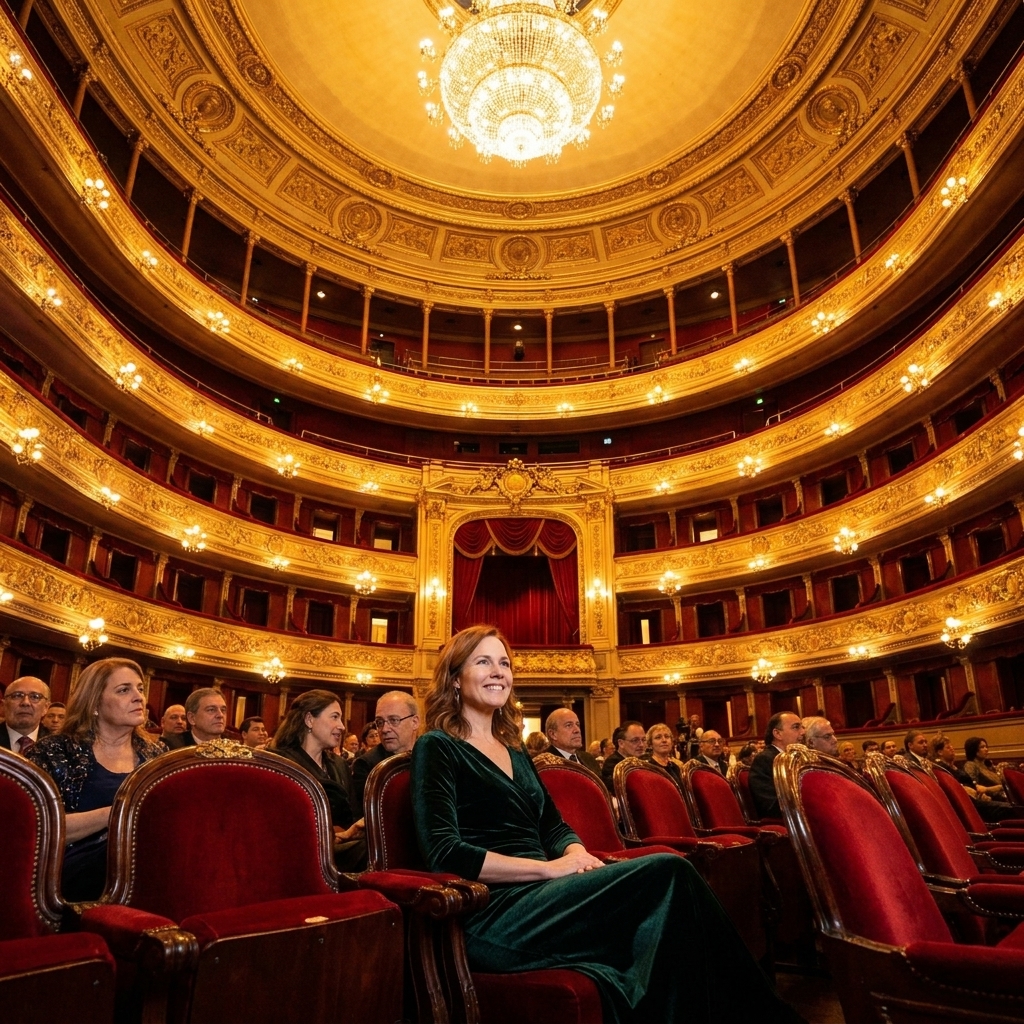
- Why it matters: A world-class opera house in the Southern Hemisphere with a fiercely loyal audience.
- Don’t miss: The tour, especially if you are a backstage nerd for stage machinery and workshops.
- Elena tip: If you can, do tour and performance on separate days. You’ll be less rushed, and the second visit feels like coming back to a character you already know.
8) The Royal Opera House (London, England)
Covent Garden has a way of making grandeur feel approachable. The Royal Opera House is a historic institution that keeps evolving, commissioning new work while honoring the classics. The surrounding piazza buzzes with pre-show energy, and inside, the auditorium balances elegance with focus. It is a place that takes art seriously without draining it of joy.
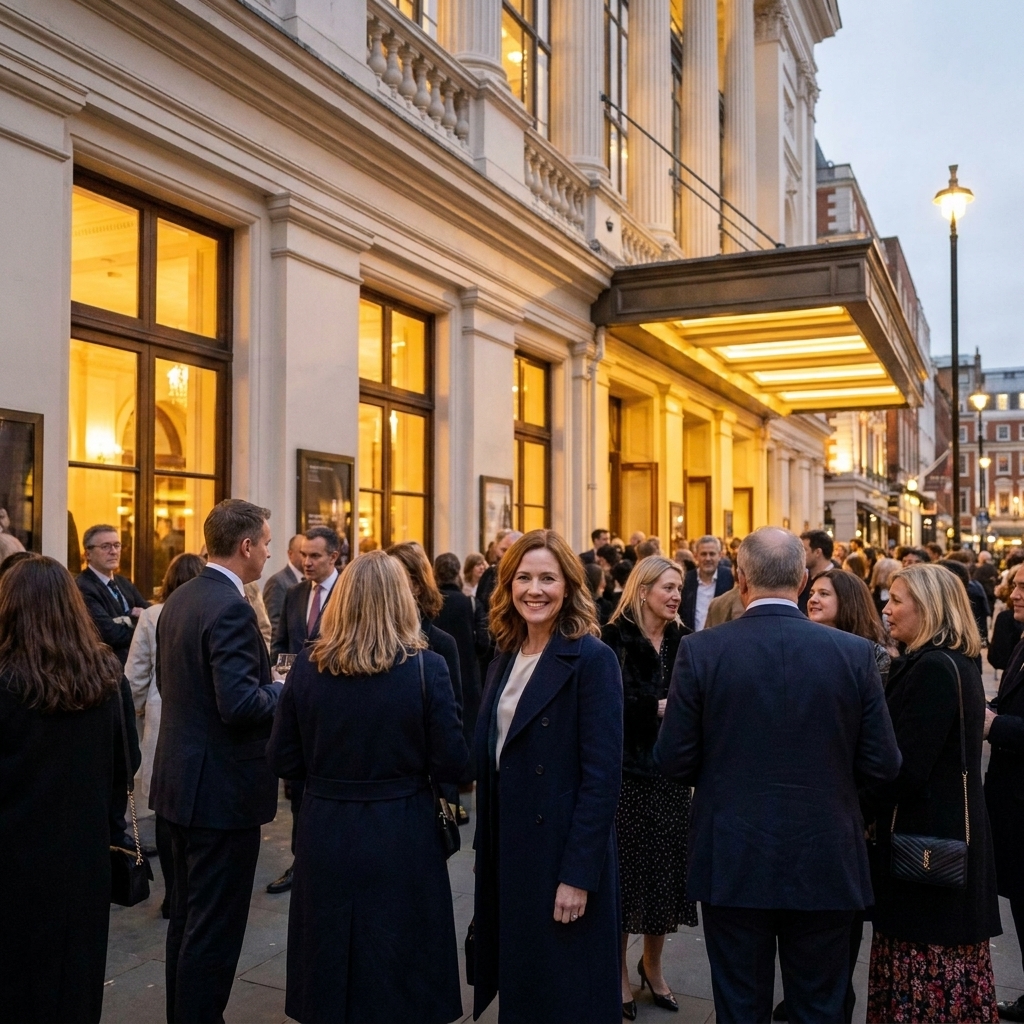
- Why it matters: A major powerhouse in British opera and ballet.
- Don’t miss: Ballet here. Even if you think ballet is not “your thing,” the storytelling can convert you.
- Elena tip: Build in time for the piazza before and after. Half the charm is feeling the neighborhood pulse around the art.
9) The Metropolitan Opera House (New York City, USA)
The Met is where opera goes big without losing emotional intimacy. Since 1966, its Lincoln Center home has been a beacon for singers, conductors, and designers who treat scale as a canvas, not a gimmick. The lobby chandeliers feel like a promise. The famous Chagall murals set the tone before you even find your seat.
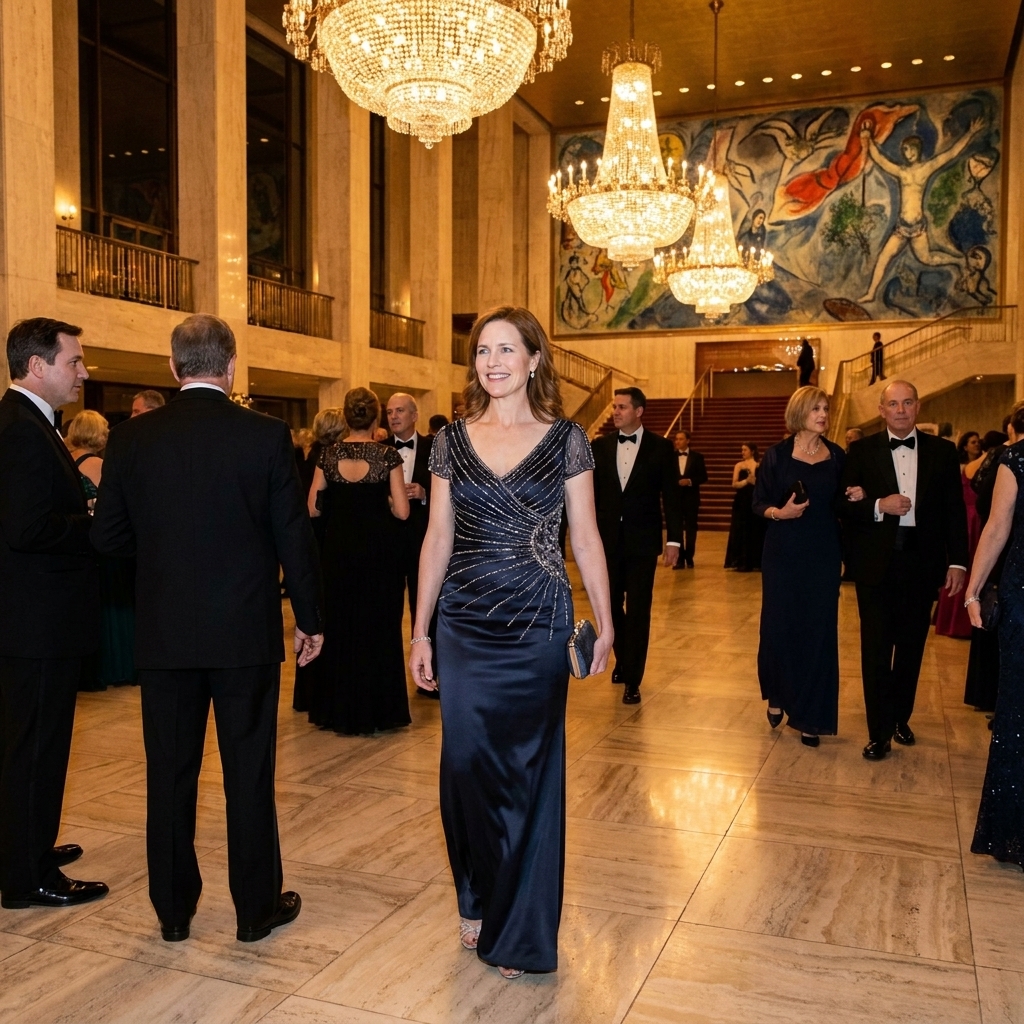
- Why it matters: One of the most influential opera stages in the United States.
- Don’t miss: A new production with bold design. The Met knows how to build worlds.
- Elena tip: You can go dressy or keep it simple, both are welcome. What matters is showing up ready to listen for three hours like it’s your job.
10) The Teatro Amazonas (Manaus, Brazil)
Deep in the Amazon, the Teatro Amazonas rises like a dream someone insisted on making real. Built during the rubber boom era and inaugurated in 1896, its iconic dome and ornate interiors tell a story of ambition, cultural exchange, and the surprising ways performance travels. Seeing an opera or concert here is not just about the show, it is about the feeling of art arriving exactly where you did not expect it.
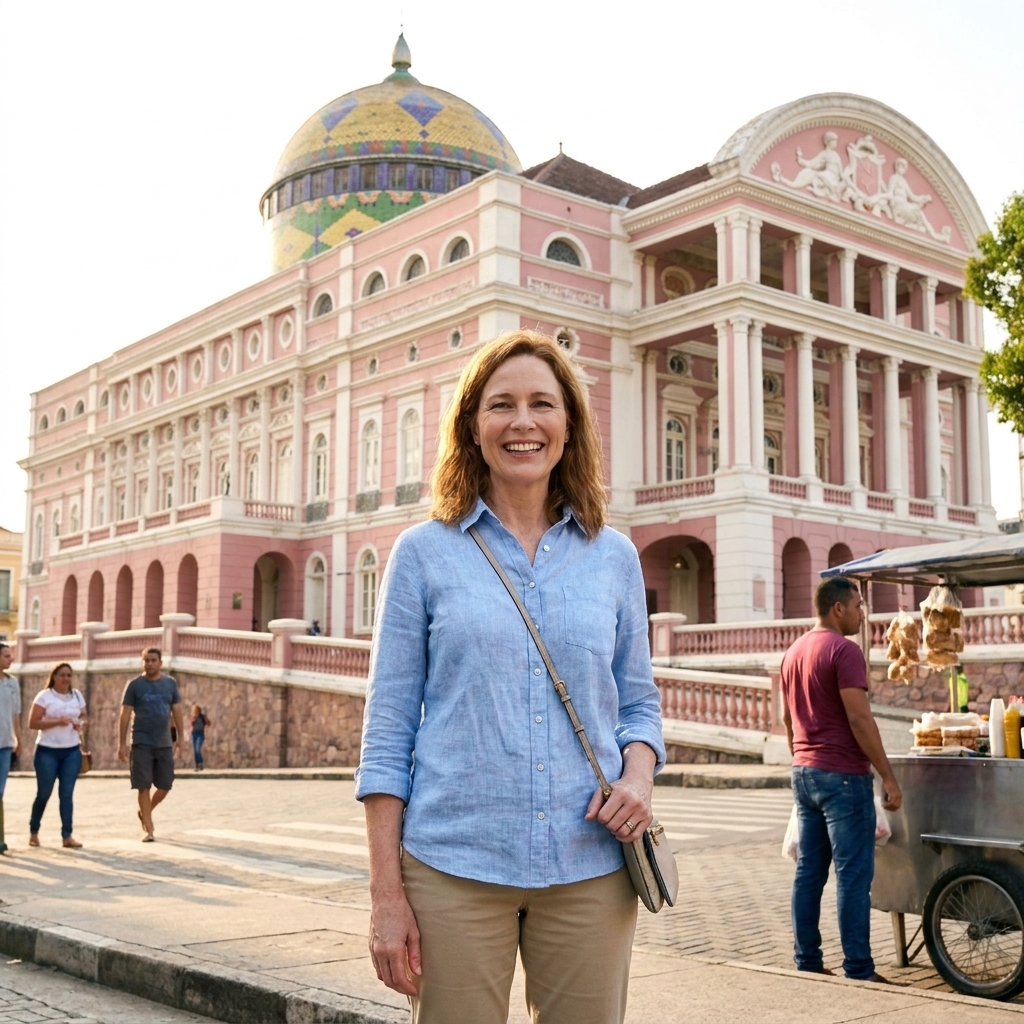
- Why it matters: A breathtaking symbol of how global and unpredictable theater history can be.
- Don’t miss: Visiting at golden hour when the building looks like it is lit from within.
- Elena tip: Pair it with a guided visit if you can. The building’s backstory makes the beauty land even harder.
How to visit like a theater lover
- Take the tour, then see the show: Understanding sightlines, stage depth, and house traditions makes performance hit harder.
- Choose your seat with intention: Some historic houses reward balcony views, others are all about being close enough to catch breath and sweat.
- Arrive early: These venues were designed for anticipation. Let the lobby be part of the experience.
- Read the program: I’m biased, but it is where the artists quietly tell you what they built and why.
- Plan for language and access: Many opera houses use surtitles, and most have accessibility details, hearing assistance, and seating guidance on their websites. Check ahead so your attention stays on the stage.
Got a favorite historic venue that changed the way you watch performance? I’m always collecting pilgrimages.