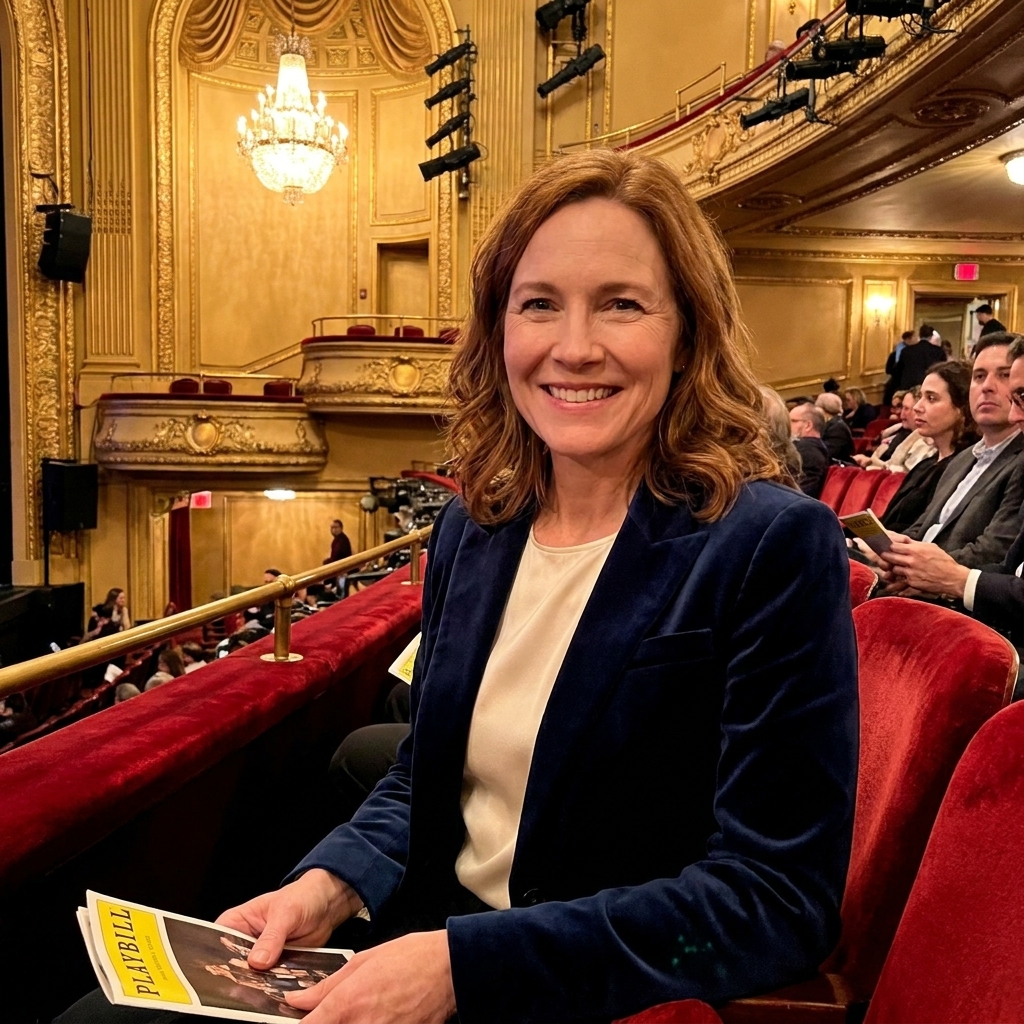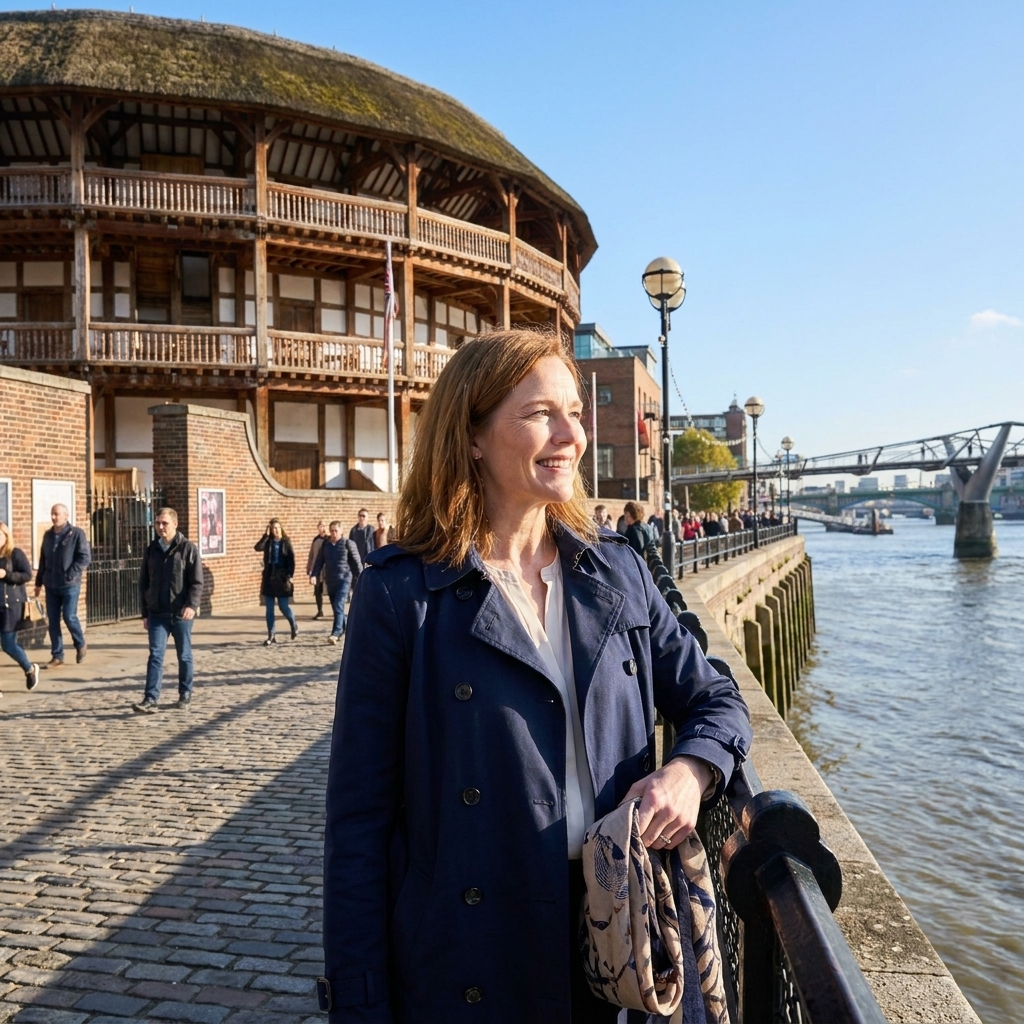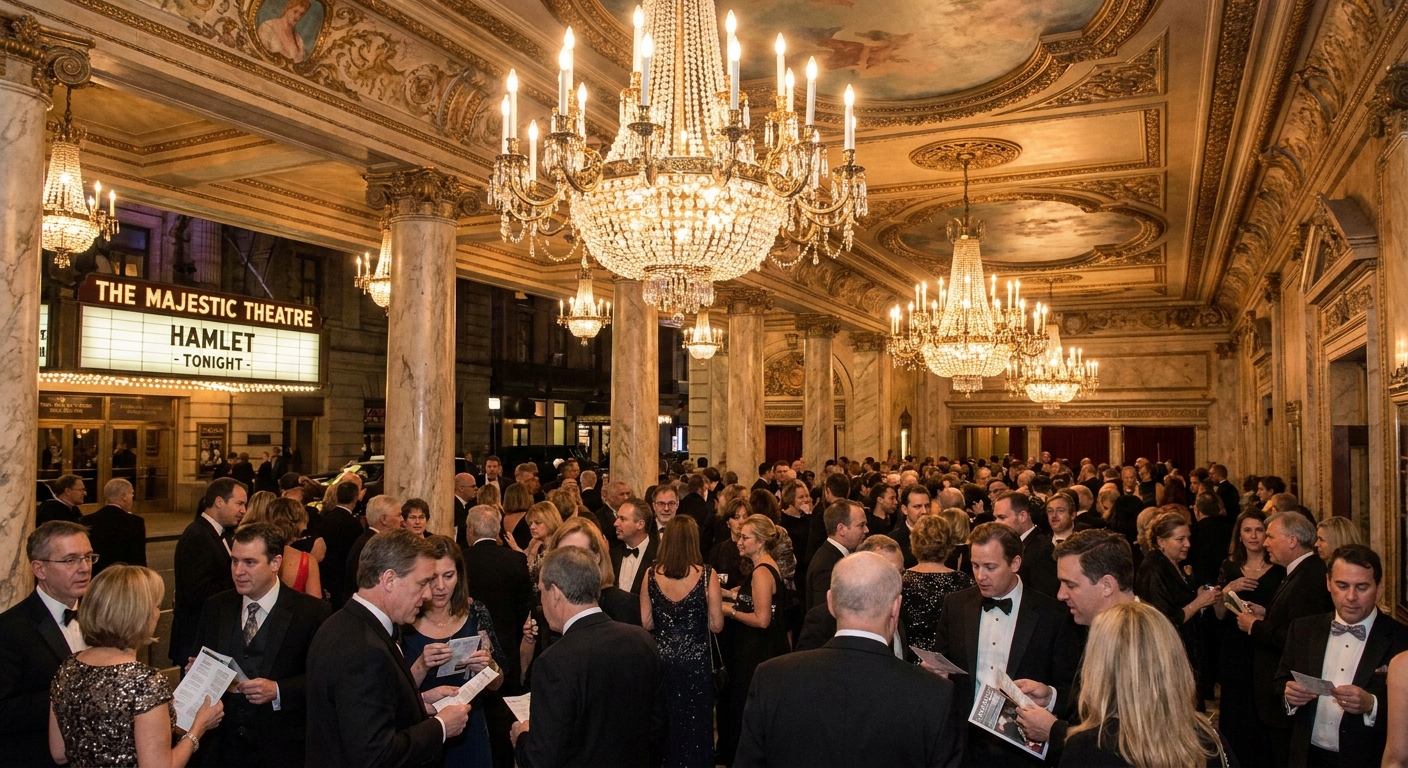
Some theaters feel like buildings. Others feel like living instruments. The best ones do both. They carry the fingerprints of everyone who has ever stepped into the light, while still making room for whoever is next. When I think about the nation’s most storied venues, I look for a few telltale signs: rooms that helped shape American culture, stages where risk became tradition, and audiences who treat “going out” like a civic ritual.
Here are four of the most historic and prestigious theaters in the United States, each with its own kind of legend, and each still very much in the business of making new ones.
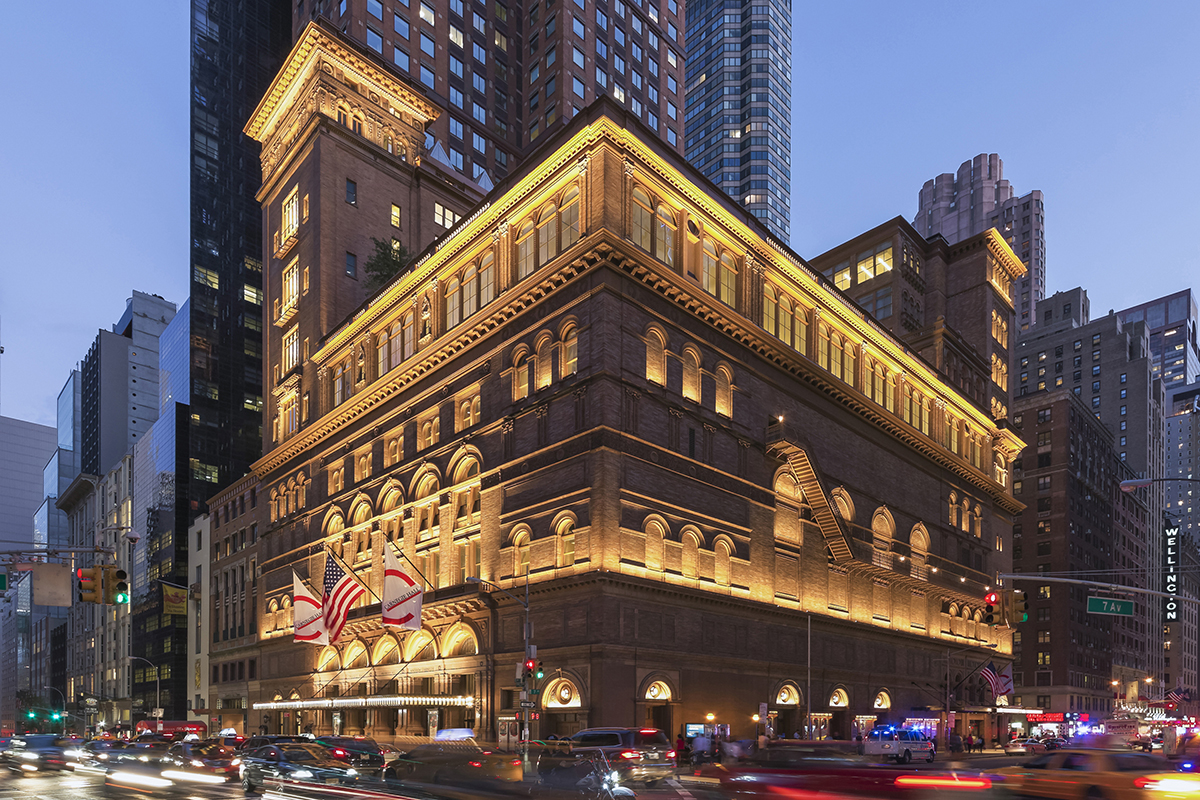
Carnegie Hall (New York City, NY)
Open a door at Carnegie Hall and, at least to me, the city seems to soften its shoulders. Since 1891, when it opened with backing from Andrew Carnegie, it has been a destination for artists who want to measure themselves against a room that is globally recognized as a pinnacle of acoustic and performance prestige. Part of the thrill, as a listener, is the sense that every detail counts.
Historically, Carnegie Hall has carried the weight of major musical moments, including a legendary world premiere such as Dvořák’s New World Symphony. Over generations, it has set the gold standard for classical, jazz, and popular music artists alike. The through line is craft: music made with intention, met by an audience that, in my experience, shows up ready to truly listen.
What to catch in early 2027
The first half of 2027 anchors major classical masterworks and recitals, with Carnegie Hall Recitals that read like a love poem to the piano.
- Mitsuko Uchida (February 6, 2027)
- Víkingur Ólafsson (March 2, 2027)
- Igor Levit performing Beethoven sonatas (April 9, 2027)
- Evgeny Kissin (May 5, 2027)

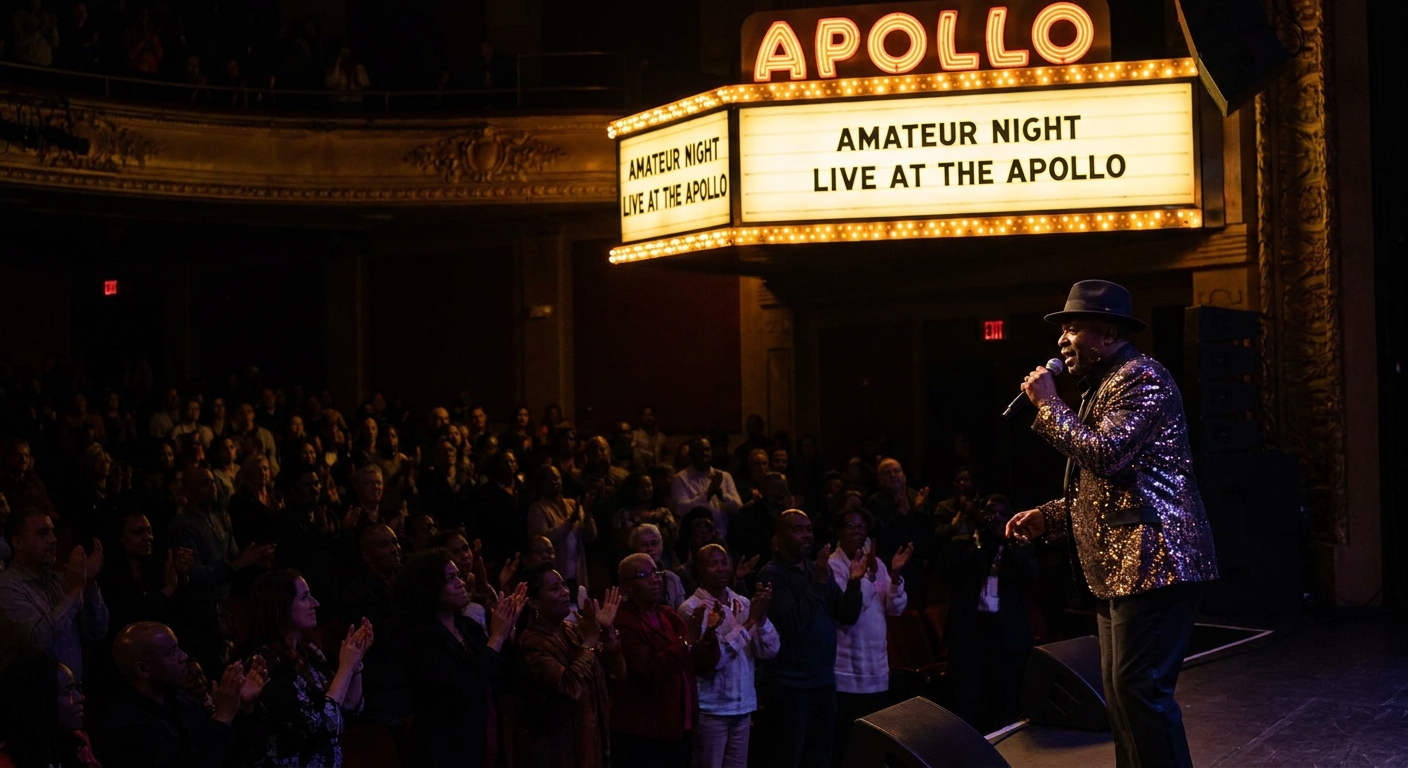
Apollo Theater (Harlem, New York City, NY)
The Apollo is not just a venue. To me, it feels like a promise you make to the room and then keep. Built in 1914 and officially designated as the Apollo in 1934, it served as a vital cultural crucible for African American music and entertainment during the Jim Crow era. What stays with you is the sense of a place built for performers who are willing to be fully seen.
The theater’s star-making mythology is rooted in real trajectories. It famously launched the careers of iconic superstars like Ella Fitzgerald, James Brown, Jimi Hendrix, and Lauryn Hill. That list is not just name recognition. It is a timeline of genres reshaping themselves in public.
What to catch in 2027
The Apollo’s 2027 schedule focuses heavily on its community cornerstones and structural mainstays, with The Apollo Events that keep the theater in conversation with the present tense.
- The world-famous "Amateur Night at the Apollo" series
- Contemporary comedic sets
- Curated music residencies
- Theatrical readings at the newer Victoria Stages
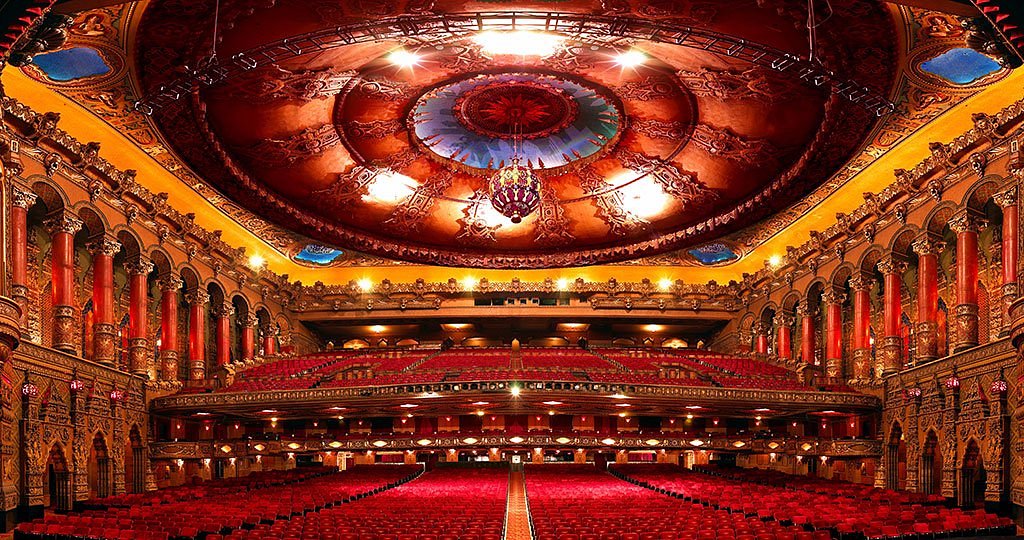
Fox Theatre (Atlanta, GA)
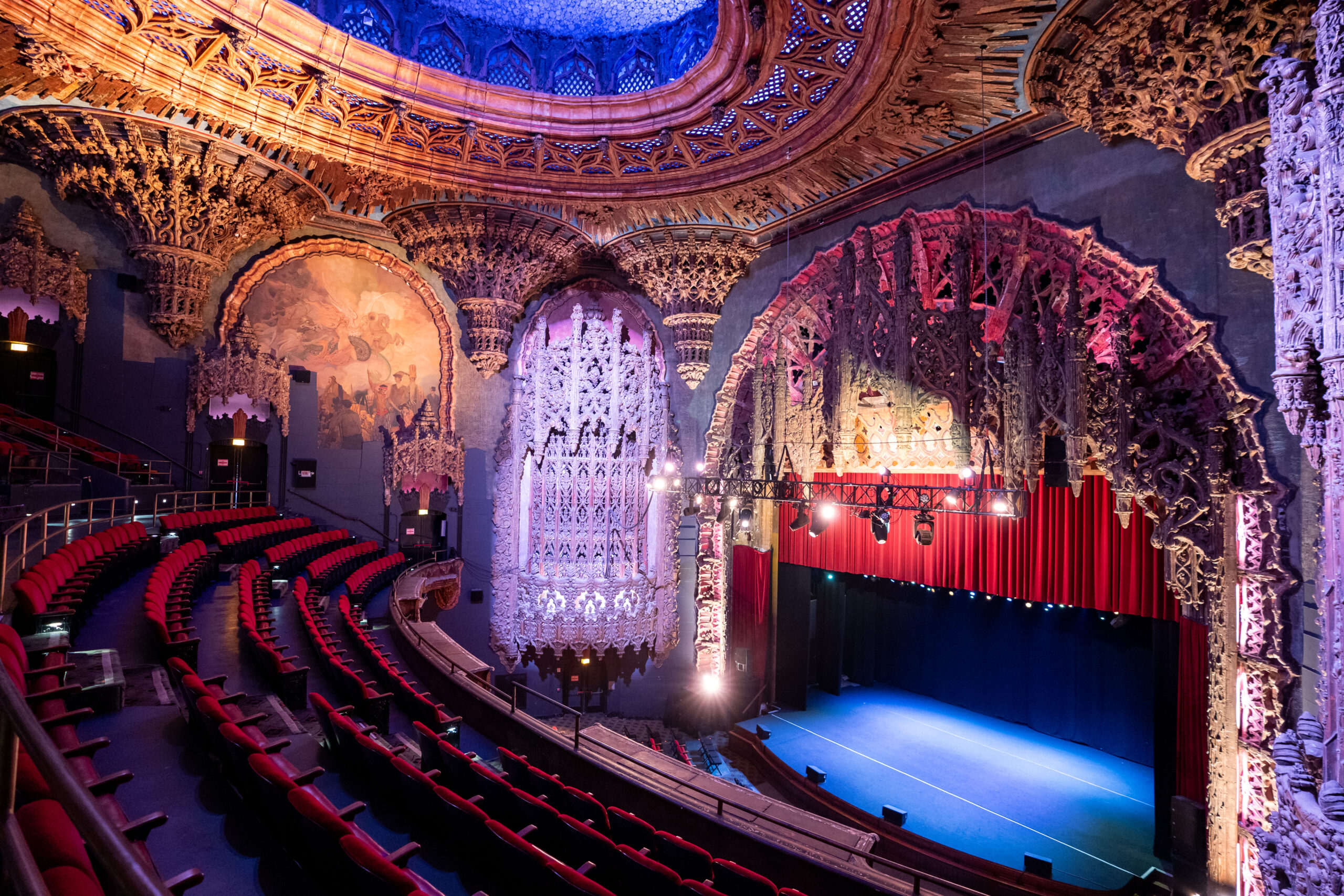
Atlanta’s Fox Theatre arrives like a dream you can walk into. Opened in 1929 as a lavish movie palace, it is celebrated for breathtaking Egyptian and Islamic-inspired architecture, the kind of visual grandeur that can stop you mid-sentence and make you look up.
But the Fox’s prestige is not only aesthetic. It is also historical. Saved from demolition by a massive community effort in the 1970s, it now stands as a beloved National Historic Landmark, hosting major touring Broadway shows, concerts, and ballet. When I sit in the crowd, I cannot help feeling the building’s comeback story humming under the evening.
What to catch in early 2027
For Broadway touring fans, the early-to-mid 2027 Fox Theatre Broadway lineup brings a run of big-ticket titles.
- BOOP! The Musical (January 12–17)
- Water for Elephants (February 2–7)
- Wicked (March 3–28)
- The Notebook (April 13–18)
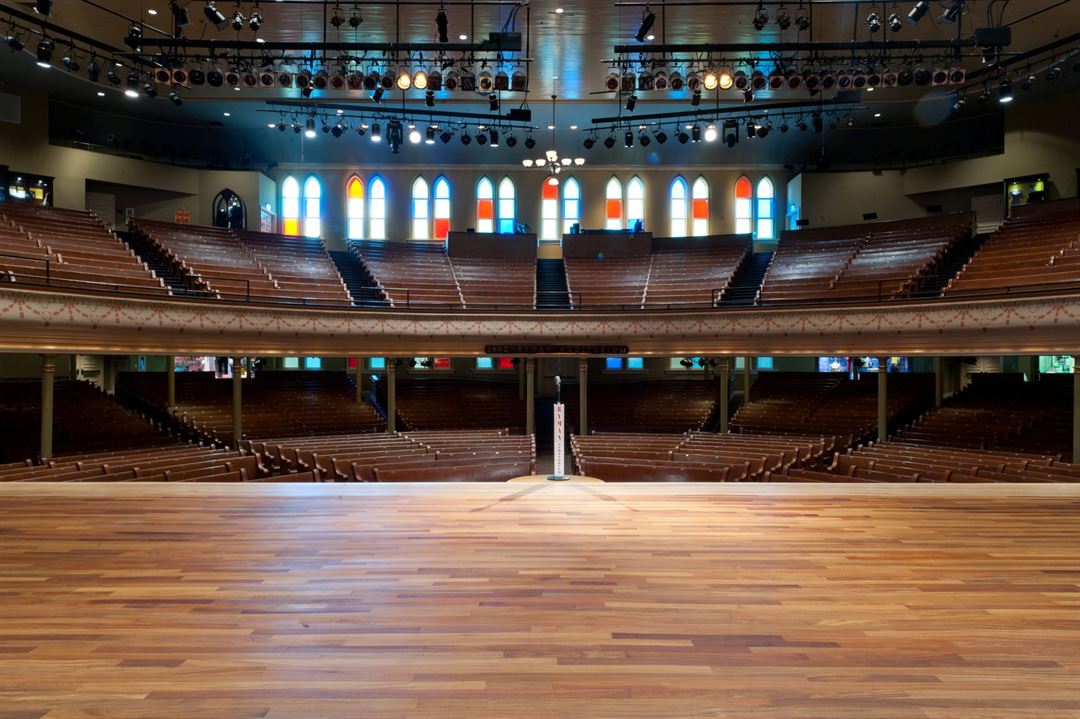
Ryman Auditorium (Nashville, TN)
The Ryman is one of those spaces where architecture and identity become inseparable. Built in 1892 as the Union Gospel Tabernacle, it became the legendary "Mother Church of Country Music". It is revered for peerless, church-like acoustics that, to my ear, make a large room feel startlingly close.
Its global historic prestige is tied to a specific chapter that helped define country music as a national force. The Ryman served as the home of the Grand Ole Opry from 1943 to 1974, anchoring decades of live performance history in one place. Modern recording artists still revere the venue for its church-like acoustics, and audiences tend to follow that same instinct, leaning in.
What to catch in early 2027
The Ryman’s early 2027 calendar reflects what the venue does best: a cross-genre welcome with a shared expectation of showmanship.
- Chris Janson (January 22)
- Swan Lake: Symphony of Lights (January 24)
- Iliza Shlesinger (January 29)
- Leonid & Friends (May 2)
Picking the right theater
- For pure sound and recital intimacy: Carnegie Hall, especially for the piano-forward Carnegie Hall Recitals in early 2027.
- For a night powered by audience electricity: The Apollo, where tradition and discovery share the same spotlight.
- For architectural awe plus touring blockbusters: Atlanta’s Fox Theatre, built for spectacle in every sense.
- For acoustics that make every genre feel personal: The Ryman, where history and immediacy sit side by side.
In the end, the “best” historic theater is the one that meets you where you are. Some nights you want velvet-and-gold grandeur. Other nights you want a stage with teeth. The good news is that these rooms, each in its own way, still offer what live performance has always promised: a chance to feel something together, at the same time, with no rewind button.