Lights down. Curtain up.
Somewhere between the wide shot that sells the story and the tight close-up that sells the star, there is a performer whose job is pure rhythm and precision: the dance double. If you have ever watched a dazzling routine and wondered how it stays so seamless across angles, edits, and wardrobe changes, this is one of the behind-the-scenes secrets that keeps the magic moving.
What is a dance double?
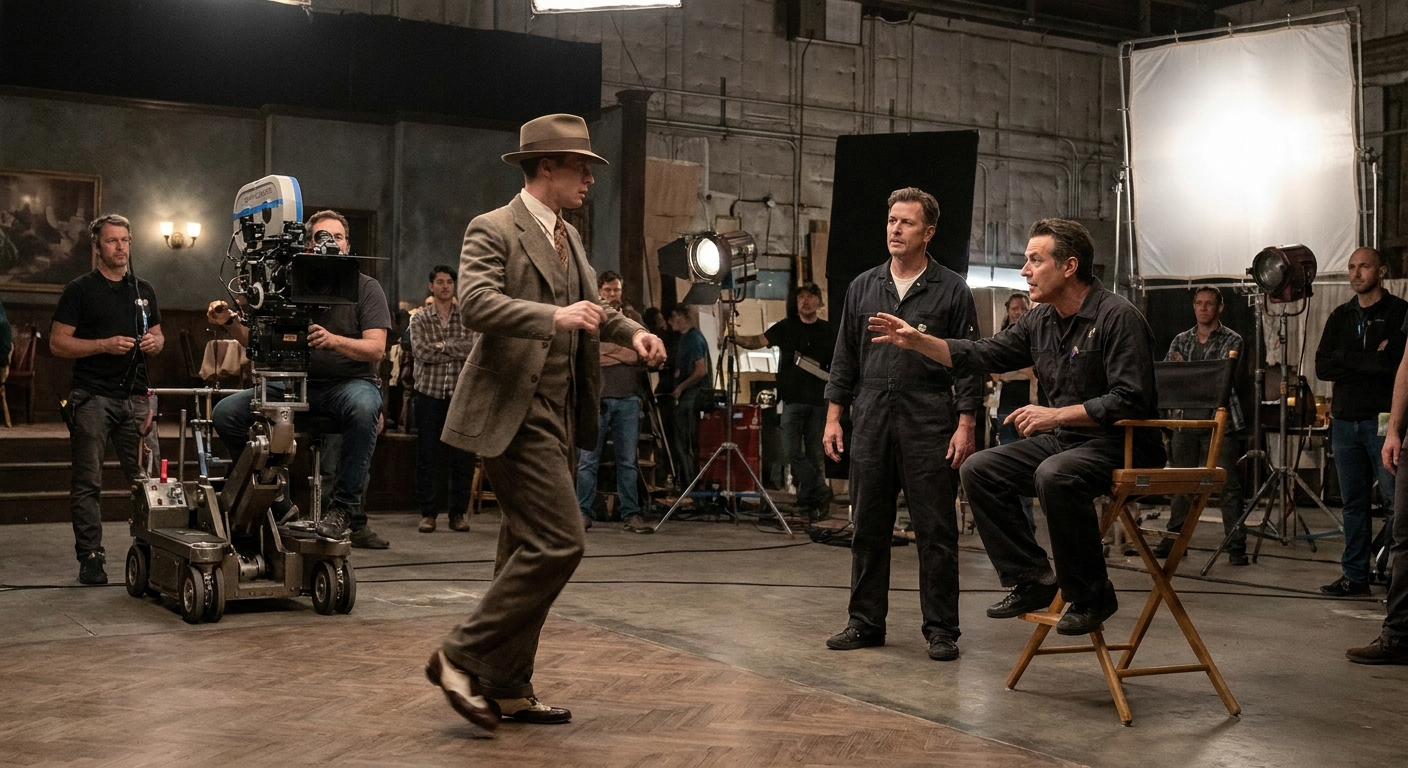
A dance double is a professional dancer hired to perform dance movement in place of an on-screen actor for specific shots in a film, television episode, commercial, or streaming series. The goal is simple: the audience should believe they are watching the principal actor dance, even when the production is using another performer for all or part of the choreography.
Dance doubles are commonly used when:
- an actor is not trained at the required dance level
- a routine is too technical to learn within the rehearsal schedule
- the production needs long, continuous movement takes and consistent performance across multiple camera angles
- a sequence combines acting beats and high-level dance, and the edit benefits from switching between actor and double
In practice, a dance double might appear as the actor’s full body in wide shots, from behind, in fast-moving coverage, or in any angle where the face is obscured or can be cleanly avoided.
What has to match
Dance doubling is half performance, half camouflage. Casting and the costume department are looking for a dancer who can slot in visually and physically, so the cut between actor and double does not pop.
Physical match
- Build and proportions: height, shoulder width, torso length, leg length, and overall silhouette matter more than a single number on a casting breakdown.
- Skin tone and visible features: especially if arms, back, or legs are shown in costumes like sleeveless dresses, crop tops, or shorts.
- Hair and hairline compatibility: not just color and length, but how hair moves during turns, flips, head whips, or partner work.
Costume and styling match
Wardrobe, hair and wig, and makeup teams may adjust styling so the double aligns with the actor. This can include:
- wigs, extensions, or specific hairstyles designed for movement
- matching nails, tan lines, or body makeup
- costume duplicates built for dancing, including reinforced seams or stretch panels
Movement match
This is the part audiences feel even if they cannot name it. A great double does not just execute the choreography. They match the actor’s movement personality.
- Energy and attack: sharp and percussive versus soft and lyrical.
- Posture: carriage of the neck and shoulders, stance, and lines.
- Gesture vocabulary: how they use hands, transitions, and musical accents.
- Character choices: the performance quality that reads as the character, not “a dancer doing the steps.”
What a dance double does
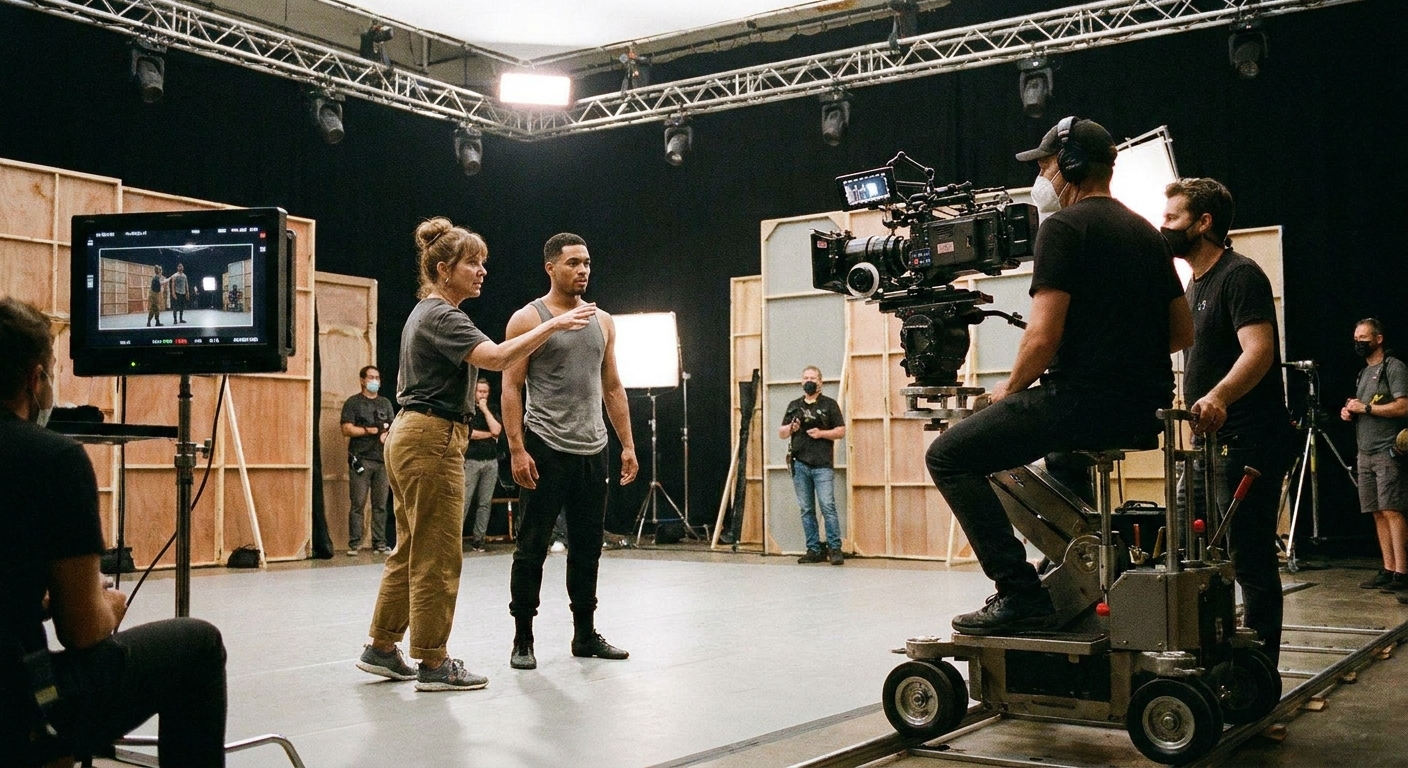
A dance double’s work depends on how the sequence is shot and edited, but it often includes a mix of rehearsal time and on-camera coverage.
Common tasks
- Learning and cleaning choreography to a performance-ready level quickly.
- Rehearsing for camera, including marks, eyelines, and spacing that keeps the shot clean.
- Shooting dance coverage in angles designed to sell the illusion: wide shots, over-the-shoulder, back-of-head, and fast-moving tracking shots.
- Matching continuity across multiple takes: arm pathway, turn direction, hair movement, costume placement, and timing.
- Working with dance captains and choreographers to maintain consistency as the schedule changes.
Dance doubles may also be used in insert-style moments like intricate footwork, spins, or quick partnering transitions where the actor’s face is not visible.
One of the most common patterns is a sequence built like a relay: the editor leans on the actor for story beats and face time, then hands off to the double for the most technical phrases, then returns to the actor for the button of the moment. If you have ever noticed a cut that lands exactly on a turn, a dip, or a burst of footwork, you are seeing that strategy at work.
How dance doubles are booked
Dance doubles are often hired through the same channels productions use for other specialty performers, but hiring pathways can vary by region, union status, and the type of project. On some shows the casting office runs the process; on others a choreographer or movement team is heavily involved and may recommend dancers directly.
Where productions find dance doubles
- Casting directors and casting offices who handle principals, supporting roles, and specialty casting.
- Choreographers who recommend dancers they trust under camera pressure.
- Talent agencies that represent dancers and specialty performers.
- Professional networks and unions, depending on the production and region.
What casting may ask for
- current headshots and full-body photos that clearly show proportions
- dance reel footage that shows the relevant style (hip-hop, ballroom, jazz, contemporary, tap, cultural forms)
- measurements and sizing for wardrobe matching
- availability for rehearsal and shoot days, which may shift as the schedule changes
Some jobs involve an audition or movement call. Others are booked from footage and measurements, especially when the priority is a close physical match to a specific actor.
Pay and working conditions
Rates vary widely by market, contract, and whether the job is treated as a day player, a double, or a dancer. What tends to be consistent is the workflow: you may have a fitting, a hair and makeup test, and rehearsal days before you ever step on set.
- Long days: dance sequences can mean repeated takes, resets, and continuity checks, plus the physical reality of performing full-out in costume under hot lights.
- Holds and waiting: you may be called in early, then sit on standby while lighting is built or the shot list changes.
- Overtime realities: musical and dance days often run long, especially when a production is chasing golden-hour light, fighting weather, or trying to make an ambitious shot work.
It is common to be asked to protect your body the way an athlete does: warm up, manage energy, stay camera-ready, and still have enough in the tank to repeat the same phrase for the fifteenth take.
Credits
Sometimes yes, sometimes no. Credits can vary widely based on contract language, production agreements, and studio or network practices, and they are not always guaranteed in the final cut.
You might see credit language such as:
- Dance Double
- Body Double (when dance doubling is treated as a form of body doubling)
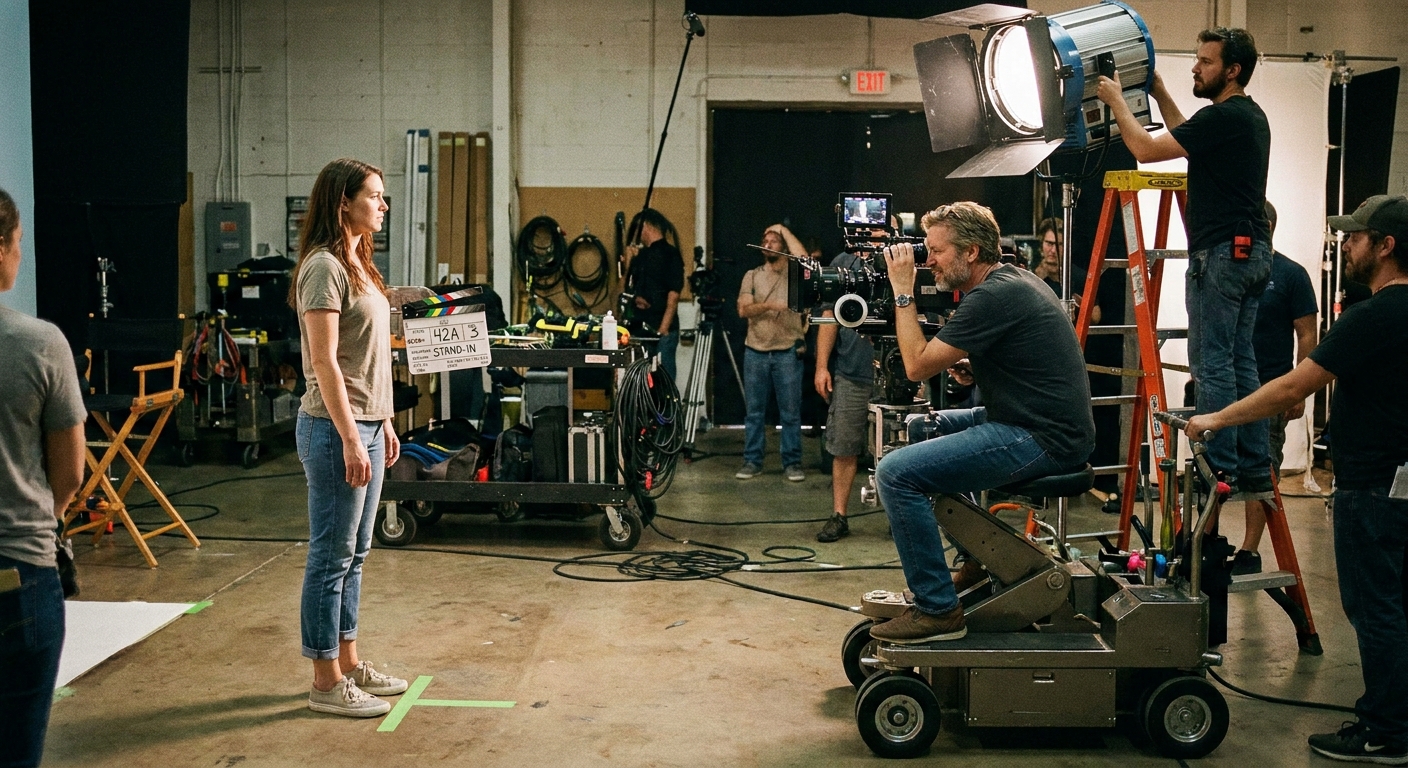
- Stand In (less common for true dance coverage, more common for lighting and camera setup)
- Specialty Dancer or Dancer (if the performer also appears as part of an ensemble)
If you are hired for this kind of role, clarify with production how the job is being classified and how credit is expected to appear. Even with clear expectations, credits can change during post-production.
Dance vs. hand vs. body vs. stunt
The word “double” gets used in a lot of ways on sets, so here is the cleanest way to separate the jobs.
Dance double
Primary purpose: perform dance choreography for an actor in specific shots.
Key skill: dance technique plus the ability to match an actor’s movement style and continuity.
Hand double
Primary purpose: replace an actor’s hands for close ups requiring specific skill or precision, like playing an instrument, sleight of hand, or detailed prop work.
Key skill: controlled, repeatable hand movement that holds up in tight framing.
Body double
Primary purpose: replace an actor’s body for shots where the face is not shown or not the focus. This can include wardrobe-specific scenes, inserts, and other coverage that requires a matching build.
Key skill: physical match and performance consistency. Body doubles can be used for many types of scenes. Dance doubling is a specialized subset when the scene is choreography-driven.
Stunt performer
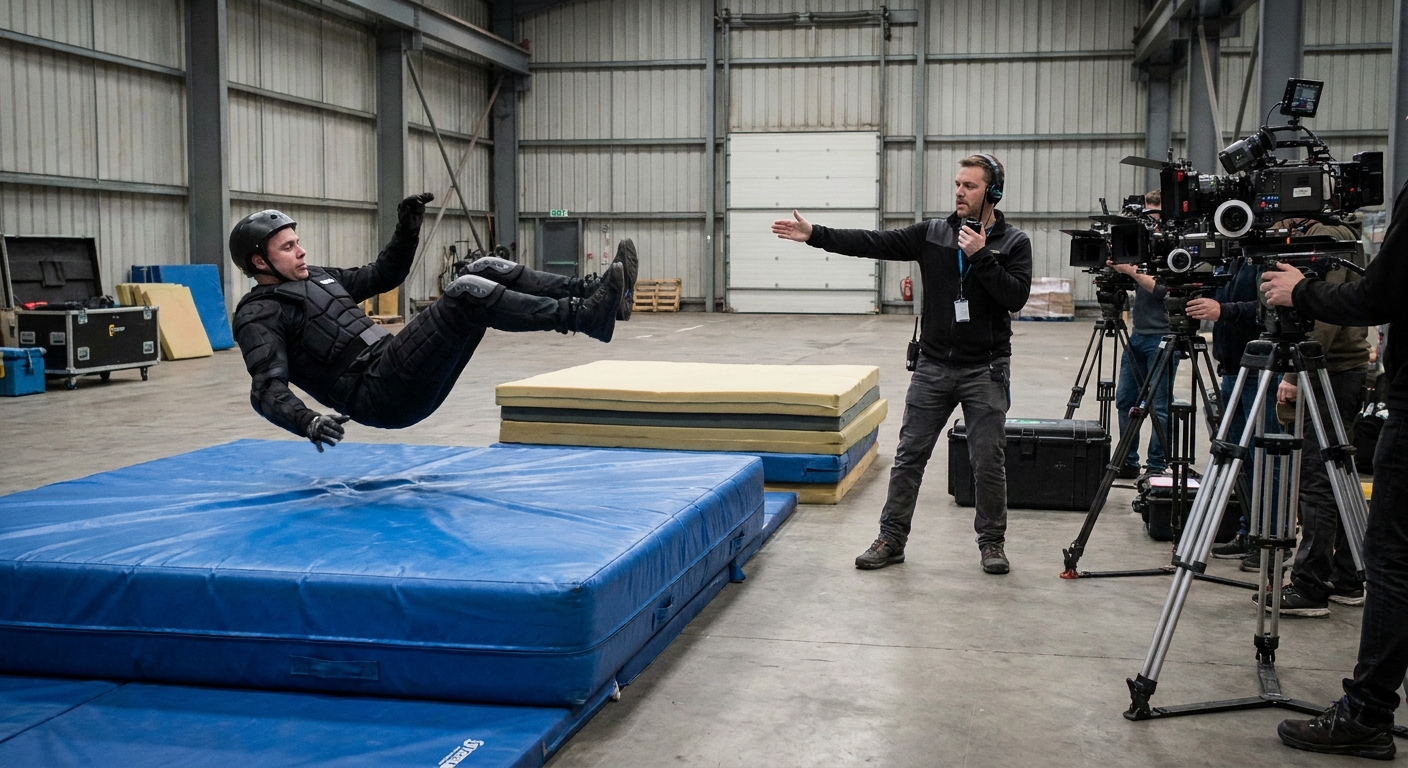
Primary purpose: perform dangerous or high-risk action safely, such as falls, fights, vehicle hits, fire burns, or wire work.
Key skill: stunt training, safety protocols, and action coordination. A stunt performer might dance if the action calls for it, but the job’s defining feature is risk management and stunt execution, not choreography performance.
Why productions use dance doubles
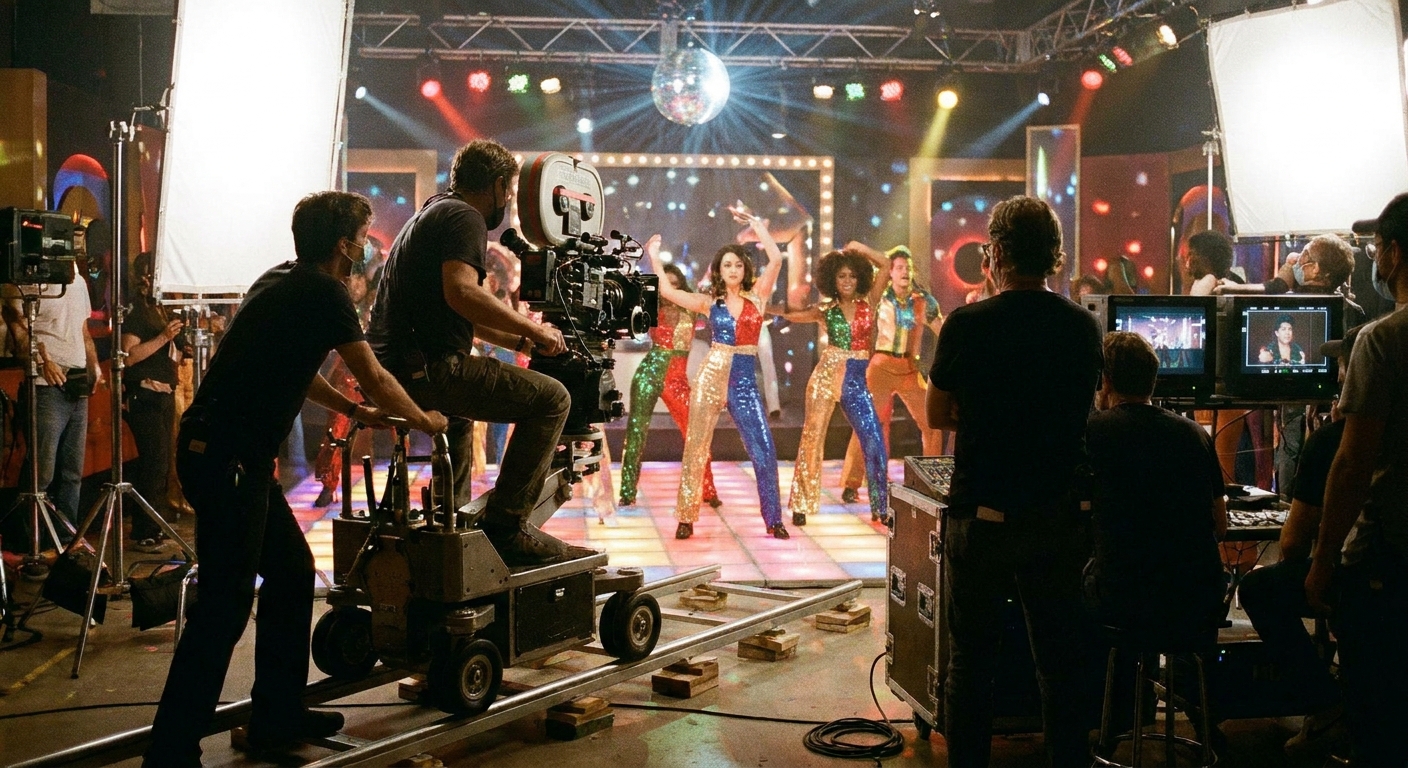
Dance doubles are not about tricking the audience. They are about giving a production options, and protecting the schedule while still delivering a sequence that feels effortless.
- Time: not every project has weeks of rehearsal for a lead actor.
- Consistency: a trained dancer can repeat the same sequence for multiple takes and angles without losing timing.
- Technical difficulty: some choreography demands years of training, especially in styles like tap, ballroom partnering, and complex street styles.
- Editorial flexibility: the cut can prioritize storytelling and performance while still showcasing full-out movement.
When done well, the double disappears and the character shines.
Professional norms
Dance doubling is quiet work by design. Productions may require confidentiality, and even when nothing is written on paper, the norm is simple: do the job, protect the illusion, and let the story belong to the character. The best doubles are generous collaborators, not headline chasers.
FAQ
Do dance doubles ever appear face-on?
Usually productions avoid showing the double’s face clearly, but it depends on the shot design. Lighting, hair, blocking, and lens choice can help keep the actor’s identity intact. If a face match is needed, a production may seek a very close look-alike and coordinate the angles carefully.
Is a dance double the same as a stand in?
No. A stand in is typically used for lighting and camera setup so the principal actor can step away between takes. A dance double is used for performance coverage intended for the final edit.
Do dance doubles need to match the actor exactly?
They need to match well enough for the planned shots. A perfect match is rare. What matters is that the silhouette, hair, costume fit, and movement read as continuous when cut together.
What dance styles are most common for doubles?
It varies by project, but productions often seek doubles for hip-hop and commercial jazz, contemporary, ballroom and Latin partnering, tap, and culturally specific dance forms. The “most common” is simply whatever a show is choreographing that season.