I grew up in Chicago spending a lot of time backstage, where everyone knew the real secret of show business: the magic lives in the details. On set, one of the sneakiest detail jobs is the hand double, the person who steps in when the camera wants the story told through fingers, knuckles, nails, and a perfectly timed tremble.
A hand double can make an A-list star look like a concert pianist, a seasoned surgeon, or someone who can casually shuffle a deck without dropping a single card. If you have ever watched a close-up of someone signing a love letter or defusing a bomb and thought, “Wow, their hands are expressive,” there is a real chance you were watching someone else’s hands entirely.
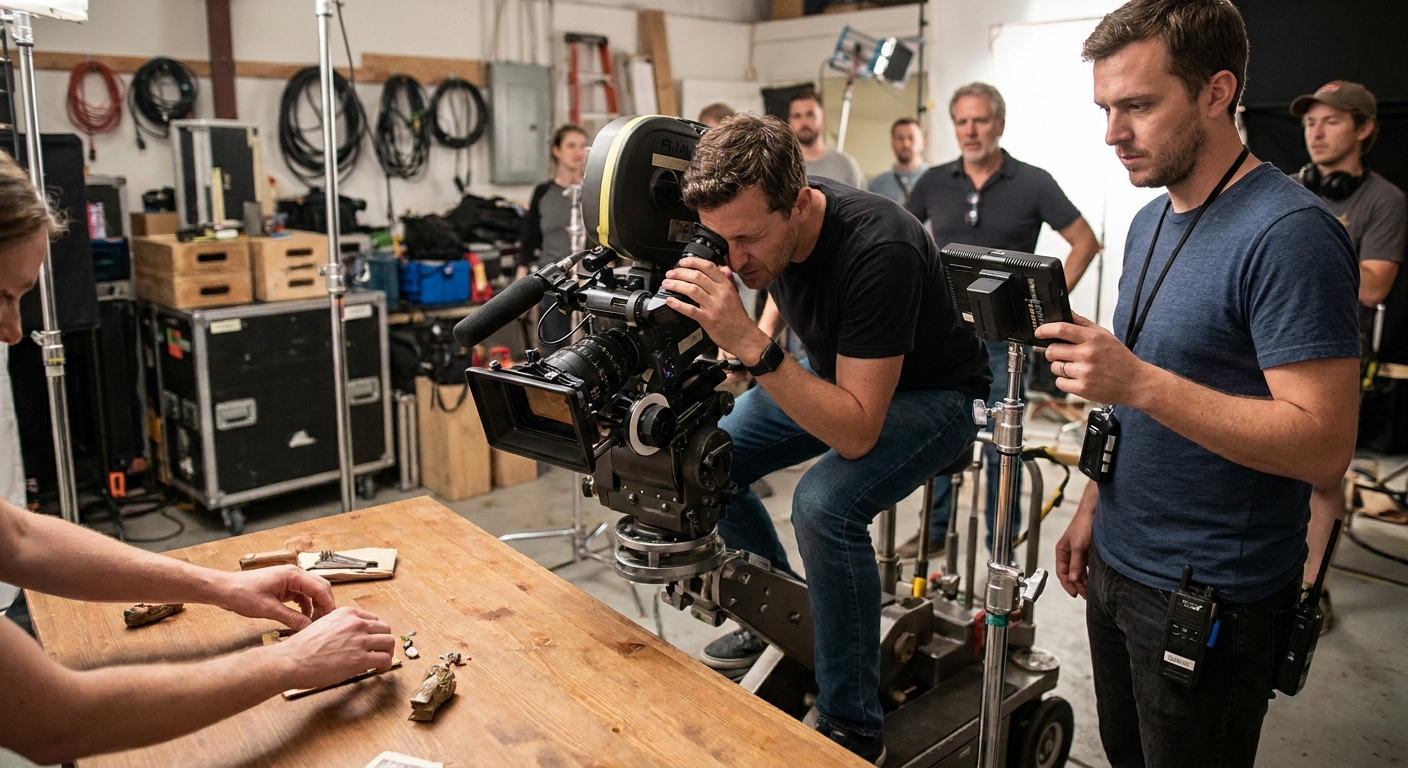
What is a hand double?
A hand double is a performer hired to appear on camera specifically for insert shots that feature an actor’s hands, wrists, and sometimes forearms. The audience is meant to believe those hands belong to the principal actor, even though the actor’s face is not visible in the shot.
Hand doubles are used in film, TV, commercials, and streaming series, anywhere the production needs a crisp, controlled close-up of hand work. That might be to keep the day moving, to nail a highly technical action, to protect an actor’s look for continuity, or simply because the camera is asking for a level of precision that is easier to repeat with a specialist.
Common moments that use a hand double
- Writing and signing a letter, check, autograph, or legal document
- Texting and interacting with phones or tablets in tight close-up
- Playing an instrument like piano, guitar, or violin, especially for advanced passages
- Handling props like syringes, scalpels, jewelry, makeup, or food styling beats
- Demonstrating a skill like sleight of hand, lockpicking, knitting, gaming, or speed-typing
- Revealing a clue such as opening a locket, pressing a hidden switch, or passing a note
What has to match?
Matching is the whole job, but it is not just “same skin tone.” A great hand double is a walking continuity solution. Productions look for someone whose hands can blend seamlessly into the visual language of the scene, under the same lens, lighting, and distance the camera is using for the insert.
Physical match essentials
- Skin tone and undertone: Not just “light” or “deep,” but warm, cool, olive, and how the skin reads under set lighting.
- Hand size and shape: Finger length, knuckle prominence, palm width, and how the hand looks from specific angles.
- Age cues: Veins, sun spots, freckles, wrinkles, and overall texture should align with the character and actor.
- Nails: Nail bed shape, length, cuticle condition, and whether the character’s nails look bitten, manicured, polished, or bare.
- Hair on hands and arms: Some actors have distinctive arm hair patterns and density, and the camera notices.
Continuity and styling details
- Jewelry and watches: Rings, bracelets, and watch placement must be identical, and you may be asked not to wear your own.
- Tattoos, scars, and marks: If the actor has identifiable marks, the makeup department may replicate them on the double, or seek a double with similar features.
- Wardrobe at the wrist: Shirt cuffs, jacket sleeves, gloves, and nail color must match the scene and the actor’s look.
One underappreciated factor is movement style. Some people gesture sharply, others float. Some hands look confident; others look hesitant. A hand double often needs to mirror the actor’s rhythm so the insert shot feels like it belongs to the same person we just saw in the wider framing.
One note I hear a lot on set is not about the hand at all, but about the intention. “Slower, like you are stalling.” “Faster, like you are late.” When the hands carry the story beat, tiny timing choices matter.
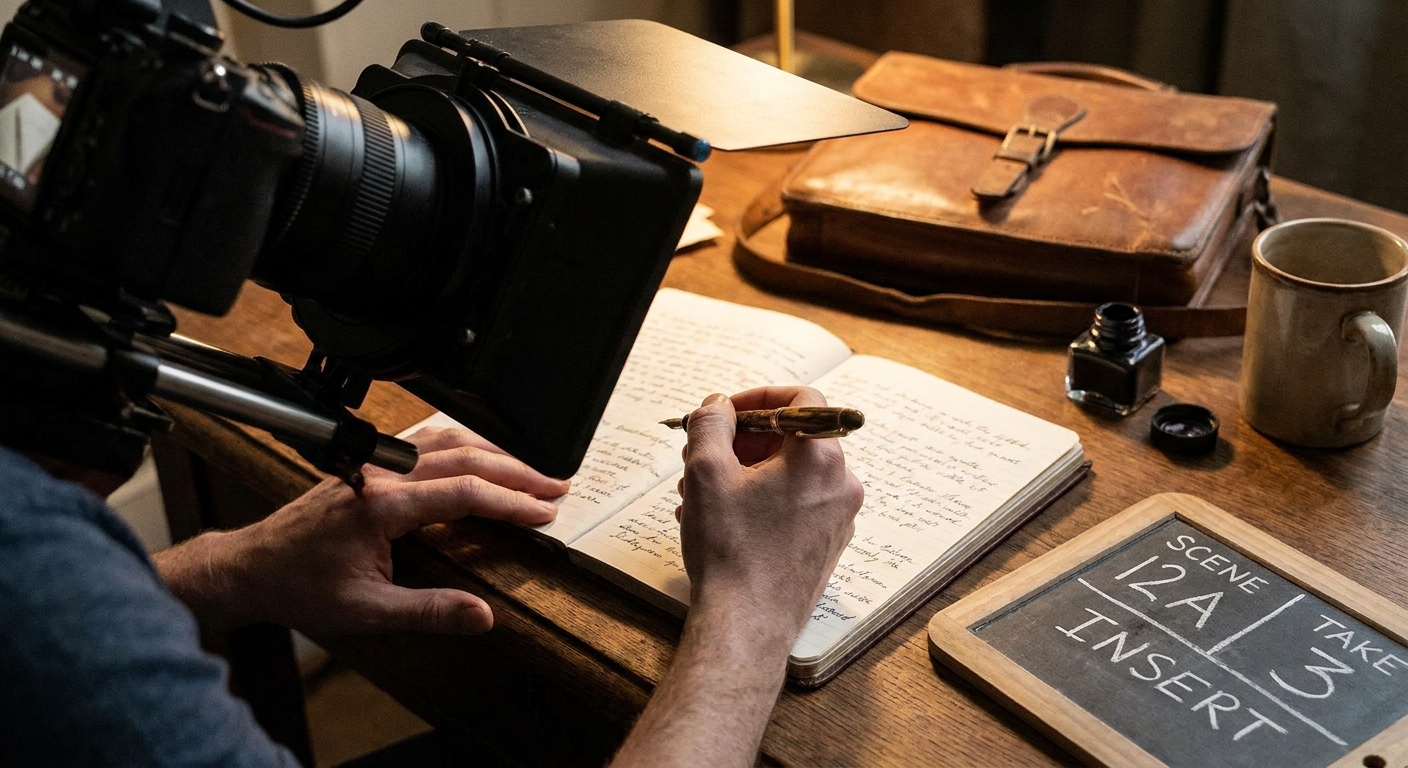
Why productions hire hand doubles
Hand doubling is not about tricking the audience for sport. It is about precision, safety, and time.
- Scheduling: Inserts can take longer than people expect. Using a double can keep the principal actor focused on performance scenes and keep the day moving.
- Skill requirements: If the character is doing specialized work, the production may need hands that can execute the action cleanly and repeatedly on camera.
- Continuity: If an actor’s hands change during production, think an injury, a chipped nail, a sudden tan line, or a new mark, doubles can help maintain visual consistency.
- Stamina: Repeating a delicate action for multiple takes can be physically taxing. Doubles can shoulder that repetition.
- Safety and liability: Even non-stunt actions can carry risk, like handling breakaway glass, sharp props, chemicals, or hot surfaces.
Here is what it can look like in real life: the actor does the wide shot where a character opens a ring box. Then the insert needs the ring rotated just so, the hinge opened at the same speed each time, and the lid held at an angle that catches the light without flaring the lens. That is where a hand double earns their day.
How bookings work
Hand doubles are typically cast through the same channels as other on-camera hires, just with a narrower filter and faster decisions. That can mean casting directors, commercial casting offices, background casting, agency rosters, or local crew and performer networks that production trusts for quick specialty coverage.
The need is usually flagged by the director and the first AD team during planning, by the line producer managing schedule and budget, or by a department head like props, camera, or stunts when a specific insert is required. Sometimes the request comes later as a pickup, after an editor or director spots a missing detail in post and schedules an insert day.
What you might submit
- Clear photos of both hands in natural light, front and back
- Photos with and without nail polish if you can adjust quickly
- Your ring size and glove size
- Measurements of hand length or finger length, depending on the production
- A short video of the required action, like shuffling cards or tying a knot
- Availability for a specific day and time window, sometimes last-minute
On the day, expect to coordinate closely with the script supervisor, camera department, props, wardrobe, and hair and makeup. Insert shots are small in frame but big in collaboration.
Confidentiality
Because inserts can reveal key plot details, many productions treat them as high-spoiler work. You may be asked to follow strict nondisclosure rules. Even when nobody says “NDA” out loud, the expectation is simple: do not post, do not hint, do not share.
Do hand doubles get credited?
Sometimes, but it is not automatic. Credit is usually governed by production policy, the performer’s contract, and any applicable union agreements. Many hand doubles work uncredited even on major projects, especially when the work is classified under doubling or background categories rather than a named on-screen role.
Pay and union basics
Pay depends on the project type, location, and how the job is categorized. A hand double might be hired under a background agreement, booked as a stand-in or double, or, in some situations, contracted as a principal performer if the hands are effectively the performance being featured. That classification can affect rate, overtime rules, and whether usage or residual structures apply.
If a job is union, it is commonly under SAG-AFTRA when it is on-camera performer work. The best move is always the simplest one: confirm the rate, category, call time, and expected usage in writing before you show up, and ask questions early if the work sounds like it could shift into something more prominent on camera.
Hand care
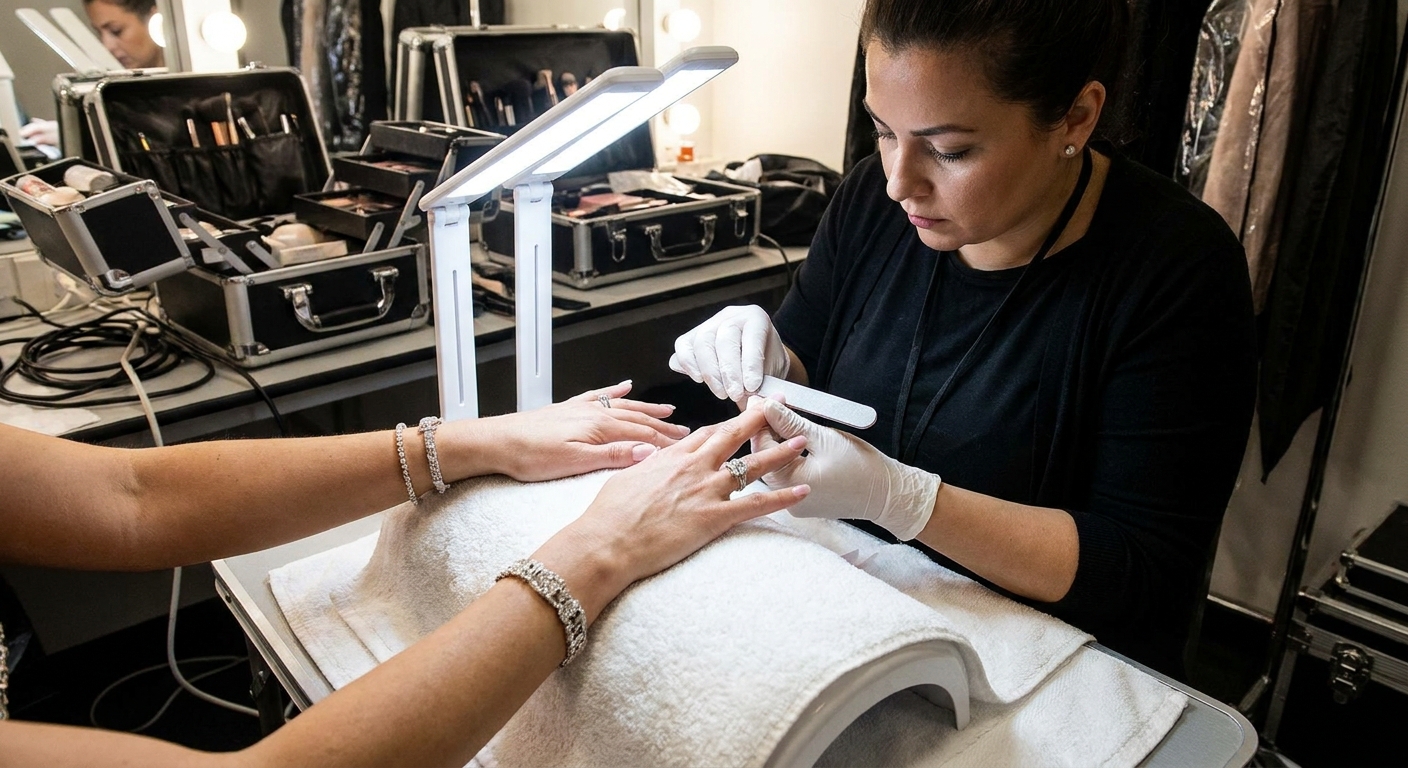
Hand doubles are performers, but they are also caretakers of their own continuity. Productions may have a manicure plan, but your everyday maintenance matters.
Common expectations
- Keep nails camera-ready: Smooth edges, even length, clean cuticles. Avoid dramatic shape changes unless requested.
- Protect your skin: Moisturize regularly, especially after sanitizer use. Dryness reads as texture in close-up.
- Limit visible marks: Be mindful of cuts, bruises, and staining from hair dye, self-tanner, paint, or crafts.
- Sun protection: Uneven tanning on hands and forearms is hard to match across shoot days.
- Communicate changes fast: If you chip a nail or burn a fingertip, tell production immediately.
Also, be prepared for the less glamorous side of the glamour shot: repeated takes under hot lights, holding awkward poses, and keeping hands steady while the camera refines focus and framing.
Other doubles
These jobs can overlap, but they are not the same, and the differences matter on set and on payroll.
Hand double
Primary purpose: On-camera insert shots featuring hands and often wrists or forearms. The goal is a seamless illusion.
Stand-in
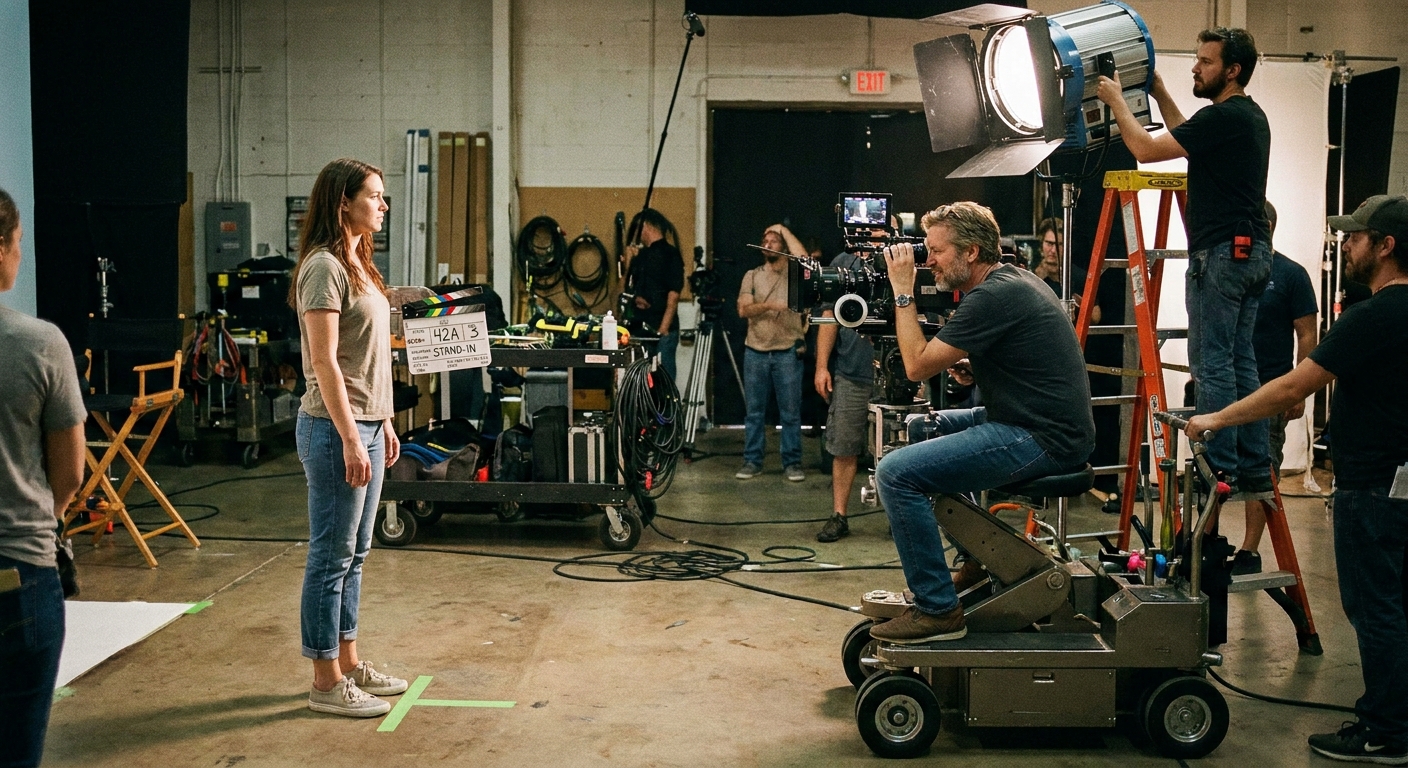
Primary purpose: Helps the crew light and block scenes before the actor steps in. Stand-ins are often chosen for height and general build, and they are usually not intended to be seen in the final cut. That said, they can appear incidentally if a shot is repurposed, used for a plate, or if an angle changes late.
Photo double
Primary purpose: Used for shots where an actor’s face might be partially seen but not clearly enough to identify, like over-the-shoulder angles, distant framing, or quick turns. The match is about overall resemblance, hair, and silhouette.
Body double
Primary purpose: Used when the production needs someone to replace an actor’s body in a shot, often for nudity clauses, body-specific framing, or demanding physical sequences that are not stunts. The match is about physique and movement, sometimes including skin tone and body marks.
Stunt double
Primary purpose: Performs stunts or hazardous action, trained for safety and repeatable performance under controlled protocols. A stunt double may be seen more clearly, but action and safety are the core reasons they are hired.
A hand double is closest in spirit to a precision craftsperson. The camera is inches away. Small mismatches can show up fast, especially under unforgiving lighting or sharp lenses.
What it feels like
Hand doubling can be quietly intense. You are performing for the lens, but the performance is microscopic. Your job is to hit marks, sell intention, and keep everything consistent across takes.
Sometimes it is wonderfully nerdy: matching the exact way an actor grips a coffee cup, or finding the version of “open the envelope” that tears cleanly every time for the edit. Other days it is pure patience: holding a ring box at the perfect angle while the camera team chases the gleam.
The strange thrill of a hand insert is that it is both anonymous and essential. The audience will never applaud your fingers, but they will believe the moment because your fingers told the truth.
How to get work
If you are trying to break in, think like a specialist and market like one.
Practical steps
- Build a simple hand portfolio: Clean photos of both hands in natural light, plus a few looks if you can present different nail lengths or styles.
- Keep your photos current: Hands change with seasons, sun, and lifestyle. Update after major changes.
- List your skills clearly: Instruments, calligraphy, culinary knife skills, card handling, sewing, gaming, medical familiarity with props. Anything you can repeat perfectly matters.
- Get on the right rosters: Commercial casting, background casting, and agencies that handle on-camera specialty performers can all be routes, depending on your market.
- Network with departments: Props and wardrobe notice who is steady, prepared, and easy to work with, and they are often the people who know an insert is coming.
Above all, reliability is a superpower. Inserts live in the tightest part of the schedule, and the person with the matched hands who shows up calm and ready tends to get called again.
Can it be a career?
Some performers work as hand doubles regularly, especially in production hubs where commercials, TV, and studio features shoot year-round. It can be a niche lane that pairs well with background acting, stand-in work, modeling, or other on-set roles.
The most employable hand doubles tend to have a combination of camera-ready hands, reliability, and at least one special skill they can execute cleanly in close-up, like instrument performance, handwriting styles, culinary technique, or prop handling.
FAQ
Do hand doubles need acting experience?
Not always in the traditional sense, but you do need on-camera awareness: taking direction, repeating actions consistently, and understanding that your hands are communicating intention. If you have worked as an extra or stand-in, the on-set etiquette will feel familiar.
How are hand doubles paid?
Pay depends on the production, location, union status, and how the role is categorized. Some jobs are booked like other day-player work, while others are treated as specialty doubling. Confirm the category, rate, overtime rules, and any usage terms before call time.
Do hand doubles wear gloves to protect their hands?
Sometimes, especially between takes or on days with messy props, but gloves are not always practical because they can leave marks, change skin texture, or affect temperature and swelling. Many doubles focus on gentle protection and moisturizer instead.
Can a hand double also be a body double or stunt double?
It is possible, but each job has different requirements. A stunt double is hired primarily for stunt training and safety. A hand double is hired for match and precision in close-up. If you can do multiple specialties, it can expand your opportunities, but productions usually cast each need deliberately.
What makes a good hand double?
Consistency, patience, and a strong sense of continuity. Also: clean communication. If something changes with your hands, a hangnail, a scrape, a sudden tan line, flag it early. The camera will eventually notice, and production would rather solve it than chase it in post.