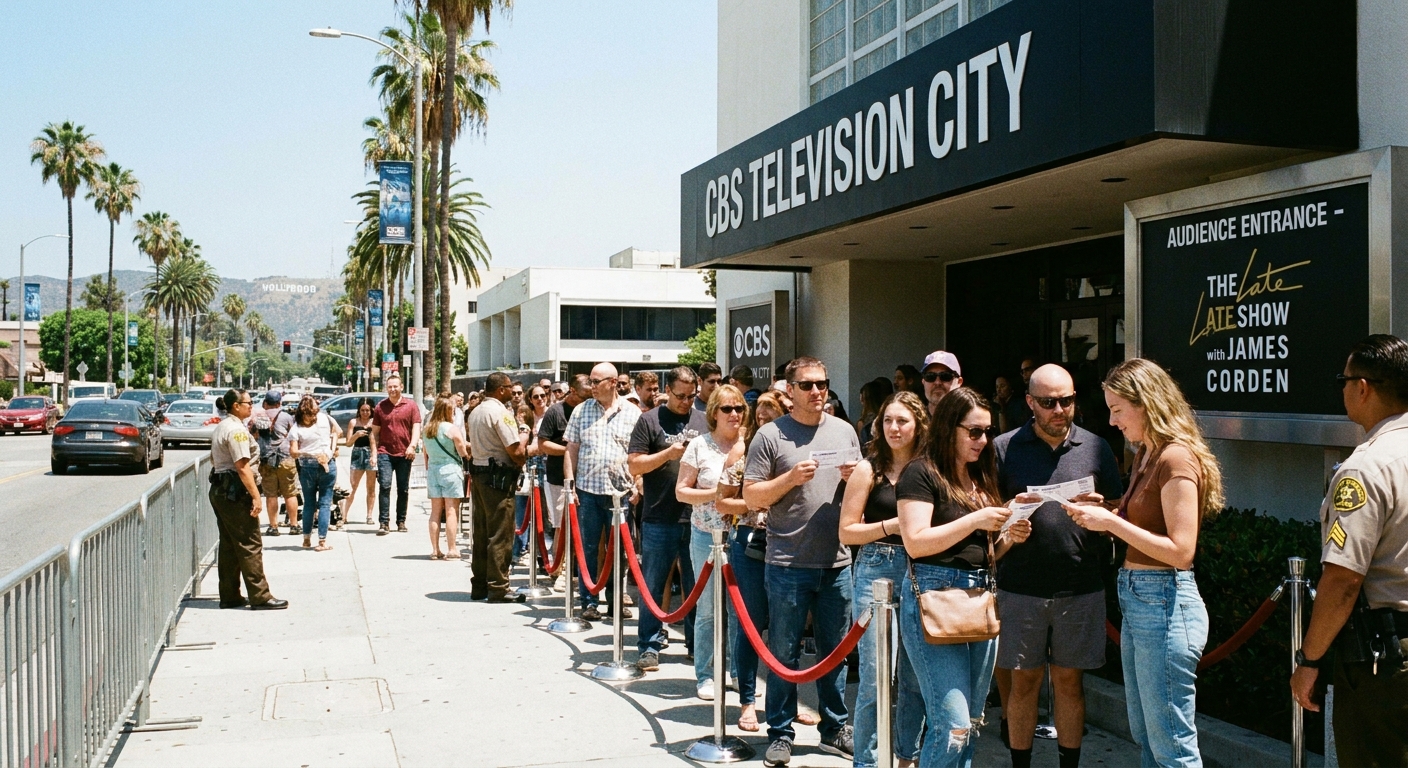
I grew up in Chicago in the kind of family where “quietly taking your place” was basically a backstage sport. My relatives built sets, tuned instruments, and fixed what the audience was never supposed to notice. Seat fillers at awards shows live in that same invisible lane. If you have ever wondered how a glittering ballroom looks packed even when half the front rows are constantly up and down, the answer is usually a small army of people whose whole job is to be present, camera-ready, and fast on their feet.
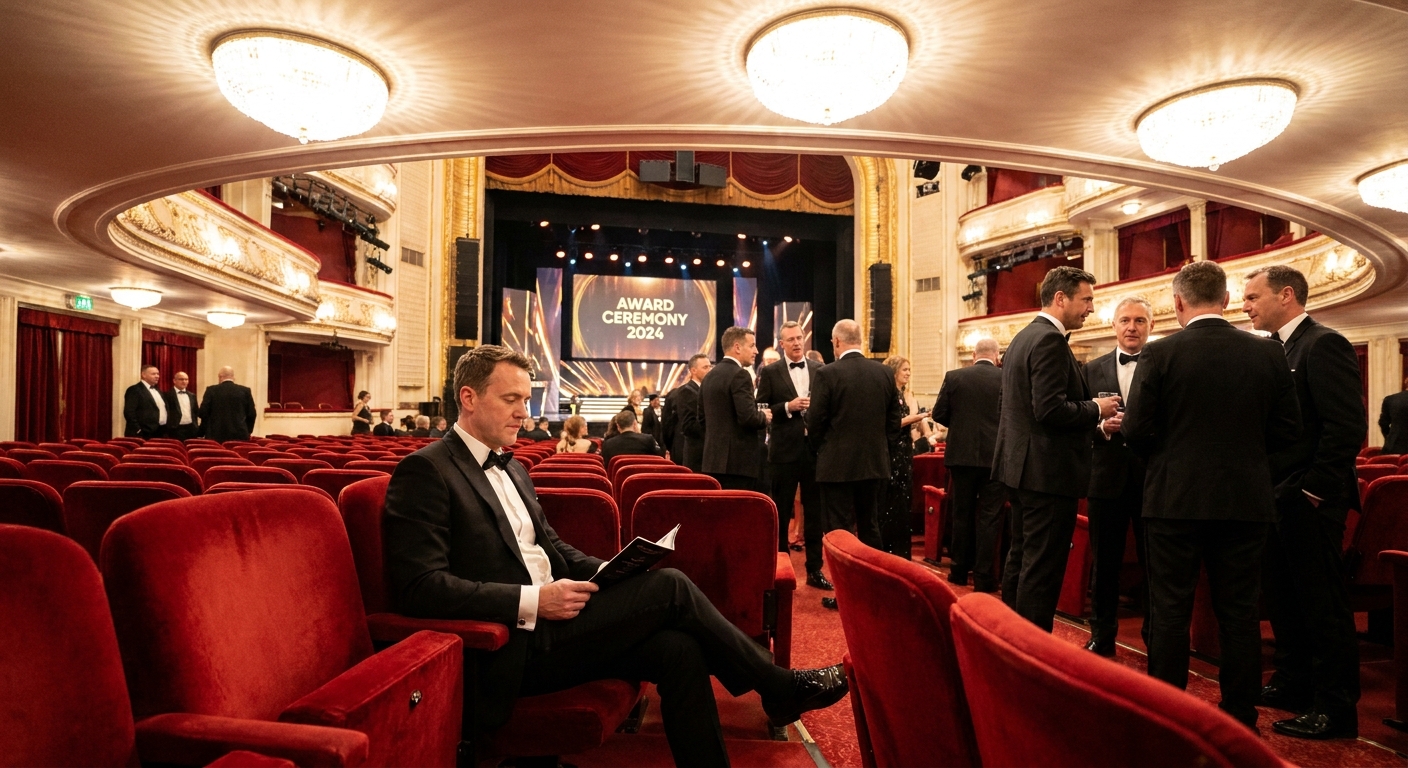
The quick definition
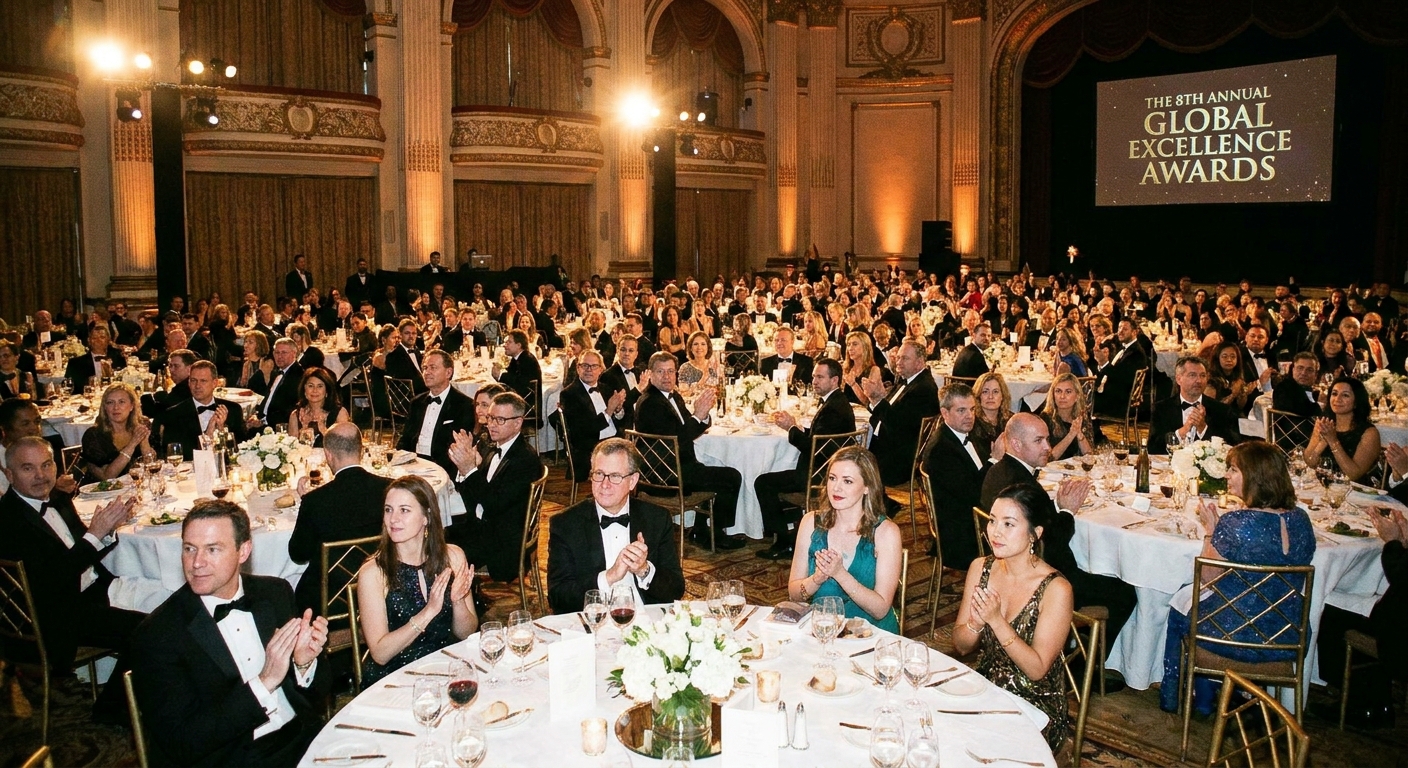
A seat filler is someone recruited to temporarily sit in empty seats at a live televised event, most commonly an awards show. Their purpose is simple: keep the room looking full on camera.
During a broadcast, nominees, presenters, and VIP guests get up for all kinds of reasons, including backstage cues, press, restroom breaks, or a quick run to the bar. Rather than letting prime camera angles turn into patchwork, seat fillers step in until the original guest returns.
Why seat fillers exist
Awards shows are choreographed for television first. Directors plan camera sweeps, reaction shots, and cutaways like a live edit. Visible gaps in the audience can make the whole production feel oddly deflated, especially when:
- A nominee is called and their row looks half-empty as they head to the stage.
- Hosts work the room and the camera pans across empty clusters.
- A performance begins and a big front section is suddenly missing people.
Seat fillers help keep the room looking consistently lively, even when the people with the actual tickets are in motion.
What seat fillers do
The job is less “sit and enjoy the show” and more “be a calm, well-dressed human placeholder on a moment’s notice.” Depending on the event, seat fillers may:
- Wait in a holding area until they are needed.
- Be assigned a section or rows to cover.
- Move quickly into open seats during commercial breaks or transitions.
- Slide out the moment the original guest returns.
- Follow instructions from floor managers and audience coordinators.
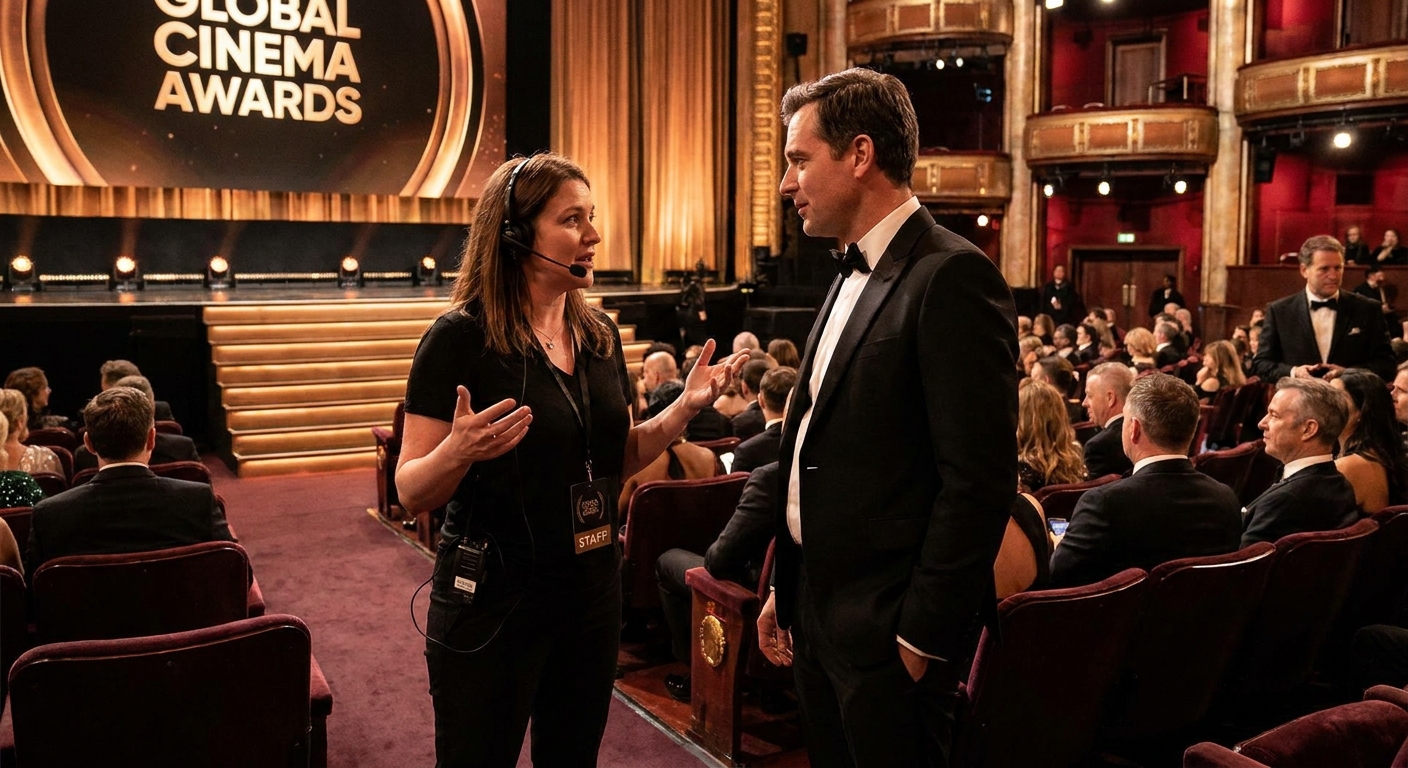
In many productions, the key rule is: you move when they tell you to move. Sometimes that cue is as simple as a headset-wearing staffer whispering, “Go, go, go,” while pointing at an empty chair, and you have about five seconds to get there and look like you have belonged in that seat all night.
Also, even when you think things are “off,” cameras may still be live or recording. The room stays on broadcast time.
How recruitment works
Seat filling is typically organized through audience services companies and event staffing teams working with the show’s production. It varies by event, but common pathways include:
- Audience casting lists maintained by ticketing and audience coordination firms.
- Event staffing calls for people comfortable with formalwear and live TV rules.
- Industry referrals from people who have done the job before.
- Local hires when a show is staged in a specific city and needs people on short notice.
If you are looking for concrete, real-world examples of how this is handled, some major events have publicly acknowledged using seat fillers. The Academy Awards, for instance, has been widely reported to use seat fillers to keep the audience looking full during the telecast.
What they look for
It is not about fame. It is about reliability and camera readiness. Recruiters often prioritize:
- Professional behavior in a high-pressure environment.
- Comfort with fast direction from staff.
- Appropriate look for the room, including formal attire and grooming.
- Punctuality, because late arrivals disrupt seating plans.
- Stamina for long call times and lots of waiting.
Do seat fillers get paid?
Sometimes. Sometimes not. Compensation depends on the production, the staffing arrangement, and local labor rules.
- Some productions pay seat fillers, often as hourly event work, and the rate is typically modest compared with many on-set production jobs.
- Other productions treat it as access, where the “compensation” is the chance to attend the show in formalwear, see the performances live, and be part of the room.
- Perks can include snacks, water, occasional gift bags, and a very specific kind of bragging right: you were there.
If you are offered a seat filler position, ask directly whether it is paid, what the call time is, and whether transportation or parking is covered. A long day can turn a glamorous headline into a real-world budgeting question quickly.
Rules you can expect
Every show has its own playbook, but seat filler rules tend to rhyme. Expect guidance on:
- Dress code: black tie, cocktail attire, or a coordinated palette so the audience looks cohesive on camera.
- Movement windows: you may only move during approved moments, often during commercials or stage resets.
- No seat poaching: you sit where you are assigned, not where you wish you were assigned.
- No interacting with celebrities: no selfies, autographs, or “just a quick hi.”
- Phone restrictions: limited use or no use during the broadcast.
- Confidentiality: you may be asked not to post backstage details or production information.
- Immediate compliance: when staff asks you to stand, switch seats, or exit a row, you do it instantly.
One of the least glamorous truths is that seat fillers can be placed in camera-sensitive areas, including near the front sections. That means your posture, attention, and facial expressions matter. You are part of the visual rhythm of the show.
Seat filler vs. extra
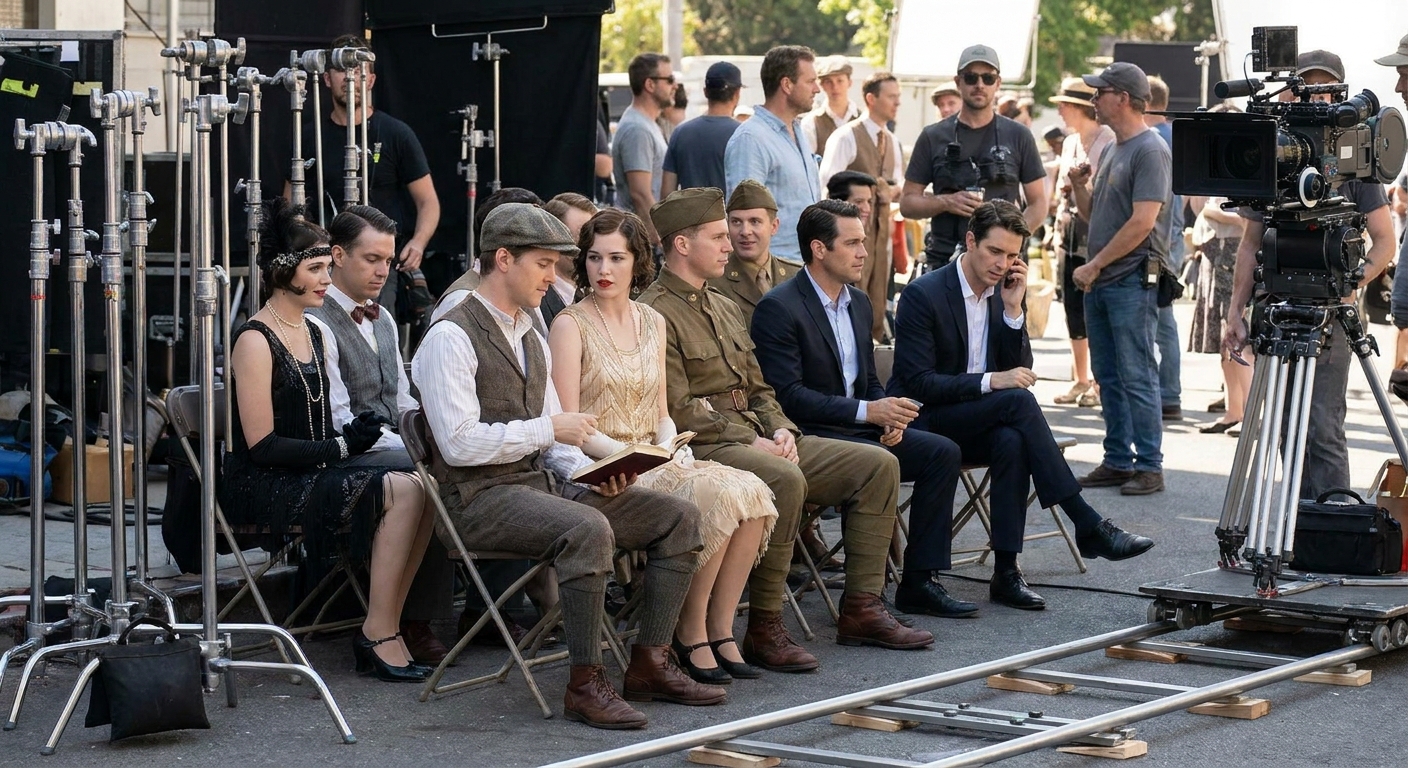
This is the point I always want to underline for readers who know the entertainment world through film sets: seat filling is not background acting, even though both involve being “in the background.”
Key differences
- Purpose: Seat fillers keep the venue looking full. Extras create a believable world inside a story.
- Union and contracts: Extras may work under union rules and contracts depending on the production. Seat fillers are generally managed as event staff or audience roles.
- Continuity: Extras are matched for continuity across takes. Seat fillers are about live coverage and quick swaps.
- Direction: Extras take performance direction. Seat fillers take logistics direction.
- On-camera focus: Extras might be featured. Seat fillers are meant to be unremarkable and non-distracting.
Put simply: an extra supports storytelling. A seat filler supports broadcast optics.
What the day feels like
Expect a lot of waiting, a burst of movement, then more waiting. Call times can be early, and you may be in place long before the first rehearsal. This is where my family’s backstage instincts kick in, because the real skill is staying alert when you have been sitting still for an hour.
- Check-in: credential pickup, ID verification, and dress code checks.
- Briefing: rules, movement cues, and where you can and cannot go.
- Holding: you wait until the floor team needs you.
- Live show: you move quickly and quietly when told.
- Wrap: you are dismissed when the broadcast ends or when the venue clears.
It can be thrilling if you love the craft of live television. It can also be strict. The whole machine runs on timing, and seat fillers are part of that timing.
Can anyone do it?
In many cases, yes. But “anyone” comes with conditions. You usually need:
- The ability to arrive early and stay late.
- Formalwear that matches the event’s requirements.
- A willingness to follow rules without freelancing.
- Comfort being on camera in a room full of professionals.
Some productions may also require things like a minimum age (often 18+), a government-issued ID that matches your credential, and signing a release or confidentiality agreement. Requirements vary by show and venue.
If you are hoping it will be a networking opportunity, adjust expectations. The seat filler role is designed to minimize disruption. Your best strategy is to be excellent at the job and, if the opportunity arises naturally, be friendly and discreet. This is not a red carpet meet-and-greet. It is a live broadcast with a countdown clock.
Common myths
“Seat fillers are paid actors.”
They are usually not hired to perform, deliver lines, or portray characters. They are there to fill physical seats and follow floor direction.
“Seat fillers sit next to celebrities all night.”
Sometimes you may end up near a well-known guest, but your seat is temporary and you may be moved often. Interaction is typically discouraged.
“Seat fillers can attend after-parties.”
After-parties and VIP events are separate invitations. Seat filling does not automatically include that access.
“If I do it once, I am set for every awards show.”
Some people do get called back, especially if they are reliable. But each show has its own production and staffing needs.
FAQ
Do seat fillers appear on camera?
Yes, sometimes. Even if you are not the focus, wide crowd shots and cutaways can catch you. That is why appearance and behavior standards are strict.
Are seat fillers allowed to take photos inside the show?
Often, no, or only in limited areas before the broadcast begins. Policies vary, but you should assume restrictions will tighten once cameras are live.
Is being a seat filler the same as being in the studio audience?
Not quite. A studio audience member is generally there as the audience. A seat filler is there as a coverage solution, moving to whatever seat needs filling to keep the room camera-ready.
How do I avoid seat filler scams?
Legitimate recruitment typically comes with clear details and professional coordination. Do extra checking if:
- You are asked to pay upfront fees for “guaranteed seating.”
- The person cannot name the venue, the production company, or the check-in process.
- Instructions come from a suspicious email address with no connection to a known staffing or audience services operation.
- There is no written confirmation of call time, dress code, and credential pickup.
If someone is vague about where the event is, how credentials work, or what you are allowed to bring inside, treat that as a red flag.
The bottom line
A seat filler is a behind-the-scenes role that helps awards shows look seamless for viewers at home. It is part etiquette, part stage management, and part endurance test, all performed in formalwear. If you love live TV and you are the kind of person who can follow cues like your life depends on it, it can be a fascinating way to experience the spectacle from inside the machine, not just from your couch.