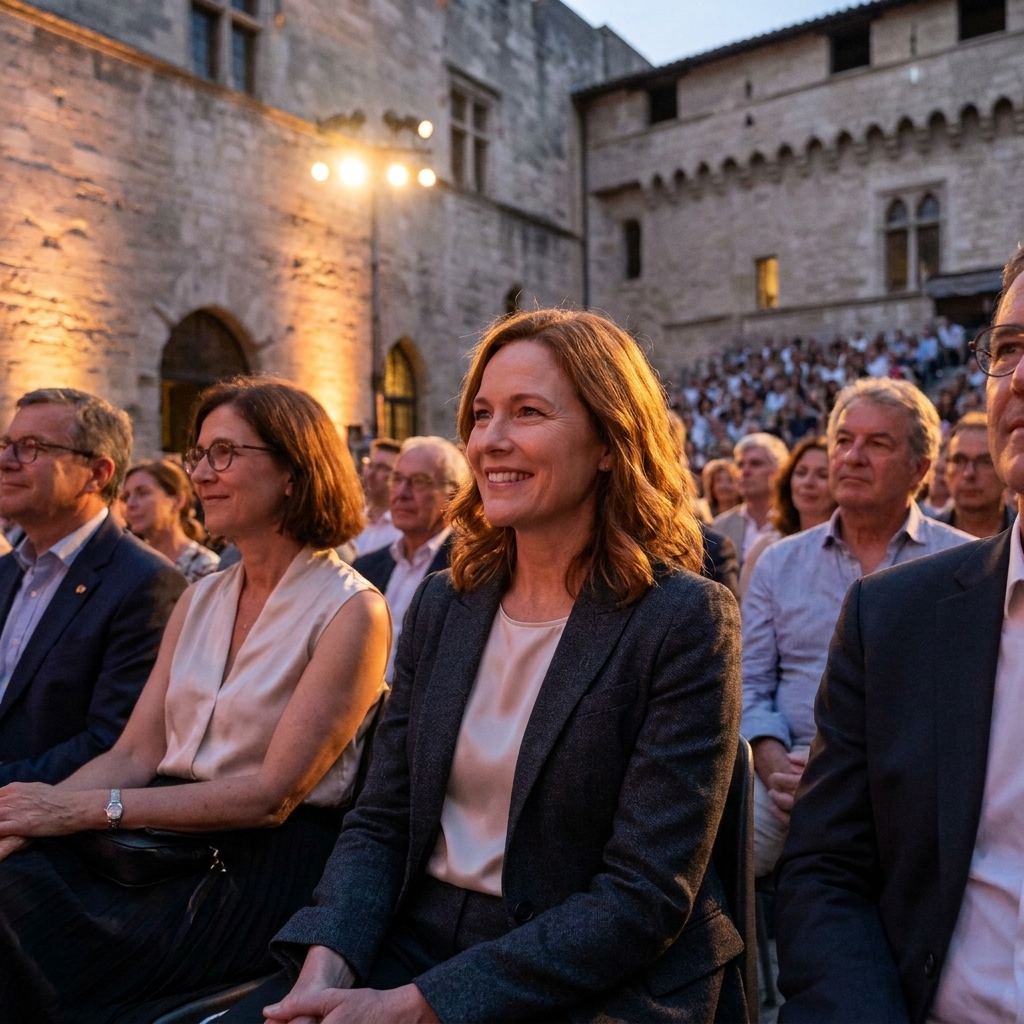
Edinburgh in August is a beautiful, stone-built fever dream where every close (alleyway) is a stage door and every café table has a playwright rewriting Act Two between sips. The Fringe is thrilling, yes. It is also a logistical sport. If you want to laugh hard, cry responsibly, and still catch your dinner reservation, you need a plan that leaves room for chaos.
Consider this your pocket map for what is often described as the world’s largest arts festival: how venues work, how tickets really work, and how to build a day that feels packed in the good way, not the spreadsheet way.
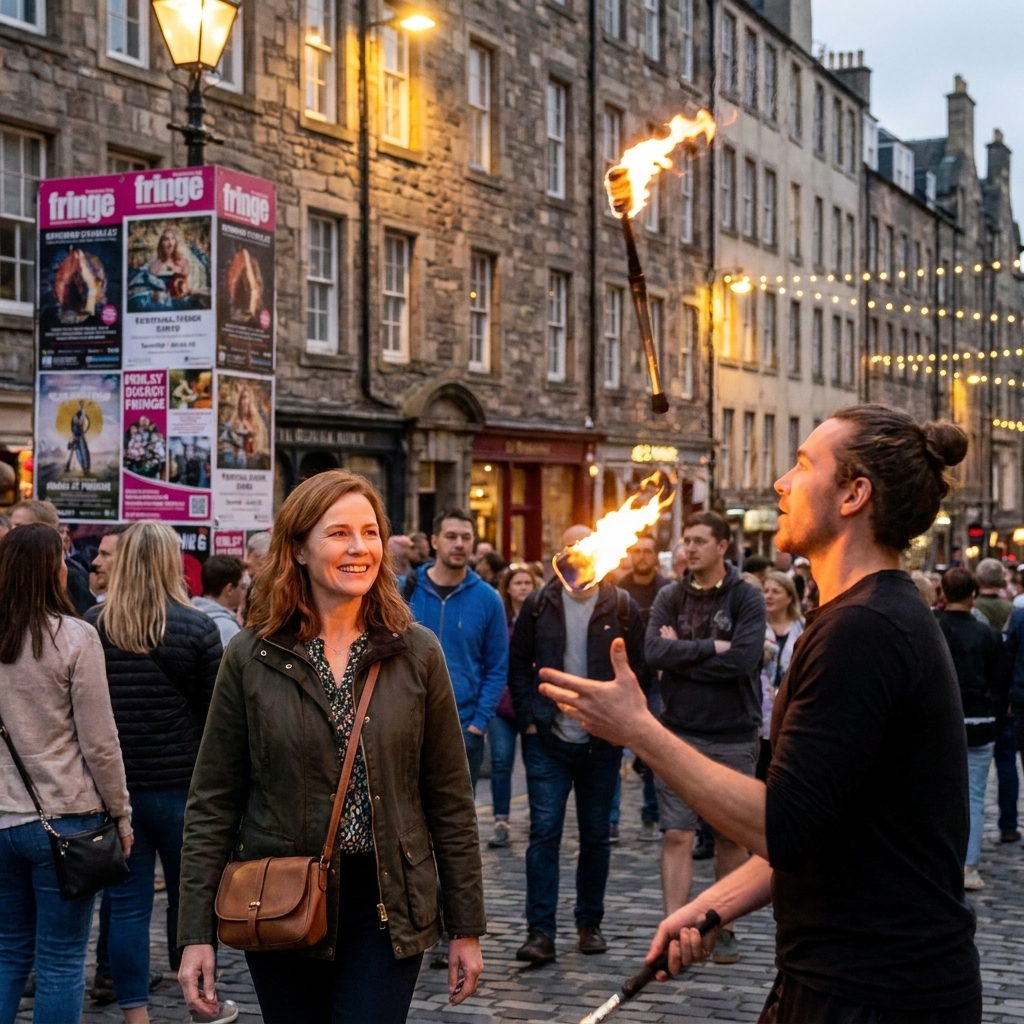
Start with the Fringe reality check
The Edinburgh Festival Fringe is not one festival in one venue. It is a city-wide takeover of theatres, bars, churches, lecture halls, basements, and temporary pop-ups that appear like theatre magic and disappear just as fast. That means:
- You are curating your own festival. There is no single “official” program you can complete.
- Venues have personalities. Some are plush and predictable; others are a tight stairwell and a folding chair, delivered with love.
- Travel time matters. Edinburgh is walkable, but it is also hilly, crowded, and occasionally raining sideways.
The goal is not to do everything. The goal is to build a Fringe that feels like you.
Understanding venues
At the Fringe, a venue is more like a mini-universe than a single theatre. Many venues host multiple rooms, back-to-back shows, and their own little ecosystems of queues, bars, and flyers pressed into your hand with the intensity of a courtroom finale.
Big hub venues
These are the places where you can reliably build a whole evening without trekking across town. They often have multiple stages, consistent front-of-house operations, and a steady stream of comedy and drama.
- Why they’re great: Easy navigation, frequent start times, and often a decent chance of last-minute tickets.
- What to watch for: Popular shows sell out early, and moving between rooms still requires queue time.
Classic theatres
Edinburgh’s established theatres and larger spaces tend to host higher-capacity productions, visiting companies, and “event” shows that feel closer to a traditional theatre night out.
- Why they’re great: Better sightlines, better sound, fewer surprises involving pillars.
- What to watch for: Ticket prices can be higher, and late-seating policies can be stricter, but it varies by venue and show.
Pop-up and found spaces
This is where the Fringe mythos lives: a one-person drama in a converted classroom, a late-night clown show in a back room, a razor-sharp comedy hour above a pub where the stairs feel like a trust fall.
- Why they’re great: Discovery, risk, bragging rights, and the occasional career-launching set.
- What to watch for: Comfort is not guaranteed. Bring patience and layers.

Neighborhood logic
Instead of memorizing every venue name, think in clusters.
- Old Town: Dense, buzzy, historically gorgeous, and packed with venues and street performers. Great for hopping between shows, less great for “I’ll just be there in five minutes.”
- New Town: Wider streets, a slightly calmer feel, and some larger rooms. Good for balancing your itinerary with breathing space.
- Southside: A Fringe stronghold with major multi-room hubs and tons of student-energy buzz. Very walkable once you are there.
- Leith: Further out, often worth it for specific shows and a more local vibe. Plan travel time and treat it like a destination block.
Tickets
Fringe ticketing is a mix of advance planning and tactical spontaneity. You can absolutely wing it, but you will wing it better with a few rules.
Rule 1: Lock your musts
Pick one anchor per day: the show you would be genuinely sad to miss. Book that early, especially if it is a buzzy comedian, a limited-run drama, or a small-capacity room. Then leave open pockets for discovery, because the best Fringe nights often start with “We have 70 minutes. What’s nearby?”
Rule 2: Build around start times
At the Fringe, timing is destiny. When scanning options, look at:
- Show length (60 minutes is common, but not universal)
- Gap between shows (aim for 30 to 45 minutes minimum if you are changing venues)
- Venue distance (Edinburgh hills are charming until you are late and sprinting uphill)
Rule 3: Sold out is not always the end
A sold-out Fringe show is not always gone forever. Depending on the venue and producer policy, there may be:
- Returns at the box office shortly before showtime
- Extra performances added during the run if demand spikes
- Standby options for late releases or no-shows
Your best friend is showing up early, asking politely, and being ready to pivot to a nearby alternative if it does not happen. If you are banking on returns or standby, check that specific venue’s policy first, because the rules vary.
Rule 4: Discounts are a bonus
Deals exist, especially for preview days, weekday matinees, or multi-show bundles at certain venues. But if you are trying to see a specific hit, do not assume it will magically become cheaper later. Let your “cheap thrills” come from discovery picks, not your top-tier targets.
Rule 5: Keep everything in one place
Whether you are booking online or at venue box offices, have a single notes doc with:
- Show title, venue, address
- Start time and run time
- Booking confirmation details
- Backup options in the same neighborhood
Fringe brain is real. Your future self will thank you.
Quick ticketing notes
- Fees and formats vary. Some sellers add booking fees; some venues are e-ticket only, others will scan from your phone, and some still happily deal in paper.
- Door times matter. Many shows start on the dot, and small rooms may have limited latecomer seating, or none at all.
Plan a day that feels like a holiday
Here is the scheduling approach I swear by, learned the hard way after one too many days of “We can definitely make it” optimism.
The 2-1-1 structure
- 2 shows you book ahead: One early evening, one later slot. These are your anchors.
- 1 show you decide day-of: A wildcard based on buzz, reviews, or a flyer pitch that somehow works.
- 1 off-grid hour: No tickets, no queues. Just food, a gallery stop, or sitting somewhere pretty while your legs forgive you.
Buffer time is not weakness
Queues can be slow, venues can be confusing, and Edinburgh weather loves a dramatic entrance. If you schedule yourself with zero slack, you will spend the day thinking about your next show instead of watching the one in front of you.
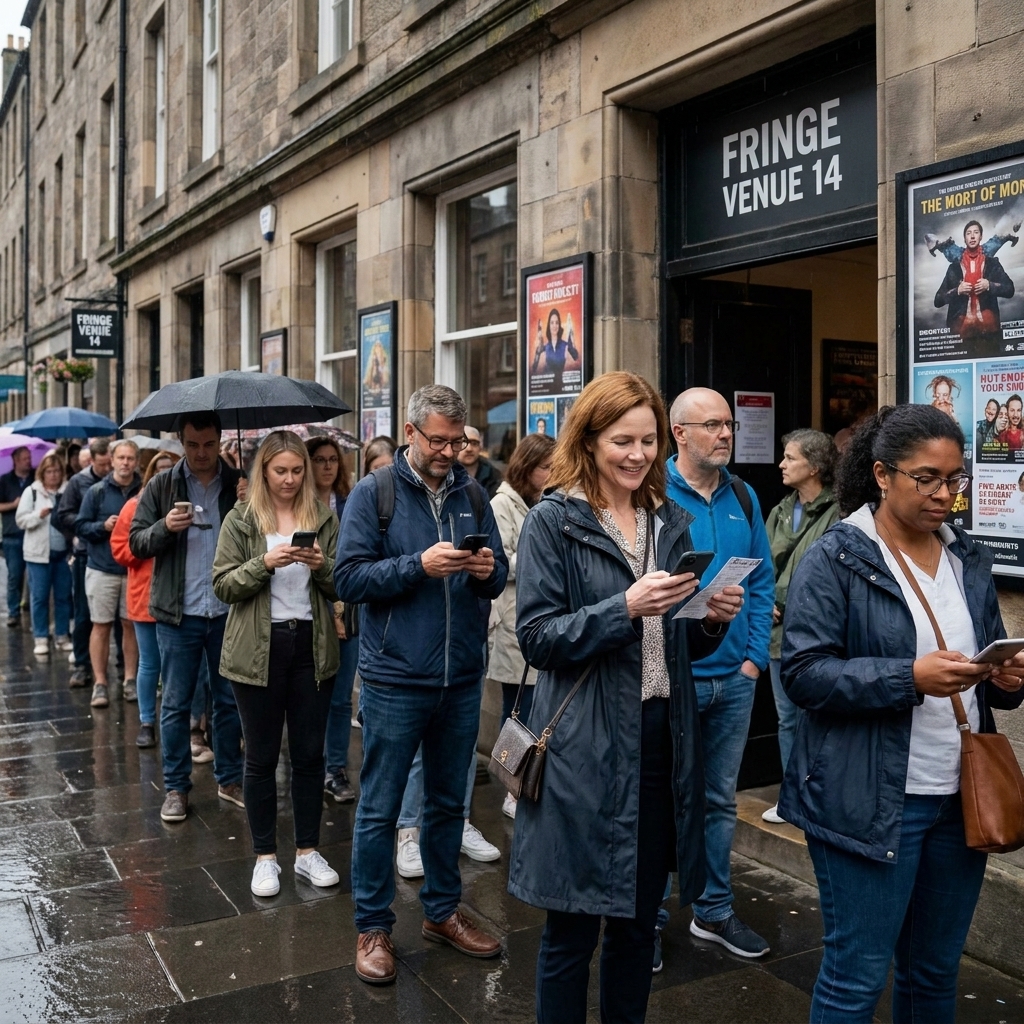
Eat like a professional
The fastest way to turn a great night of theatre into a grim trudge is forgetting to eat. Your best bet is an early dinner or a substantial late lunch, then snacks between shows. Keep a small bottle of water on you. Fringe venues can be warm, especially in packed rooms.
Use listings without drowning in them
For day-of decisions, keep it simple: use the official Fringe website or app for schedules and filters, then sanity-check with venue programs and a couple of trusted reviewers. You are looking for one good idea, not a PhD in options.
Find great comedy and drama
Fringe is famously a discovery festival, but you do not have to rely on fate and a stranger with a stapled flyer.
Use three signals
- Track record: Returning artists and companies often bring sharpened work, even when they are taking new risks.
- Room fit: A quiet, intimate drama can be extraordinary in a small black box and feel lost in a noisy bar space. Comedy, too, lives or dies on the room.
- Audience energy: If people are walking out buzzing, trust that. If the queue is laughing before the doors open, that is a clue.
Pick one curveball show
Each day, choose one piece that is outside your usual taste: a physical theatre experiment, a documentary-style solo show, a late-night character comedy. Fringe rewards curiosity, and your best festival memory may come from the ticket you bought on a whim.
Pop-up vibes
Some of the most beloved Fringe experiences are not just the shows, but the temporary little worlds that form around them: courtyards humming with post-show debate, bars where performers decompress, and late-night rooms where a set can turn legendary in ten minutes.
To make the most of pop-up venues:
- Arrive early and stay late. The pre-show chatter and post-show glow are part of the culture.
- Follow the room, not the hype. If a space feels friendly and well-run, you will have a better night even when the show is a wild card.
- Respect the hustle. The artist handing you a flyer is also the person who built the set, ran the tech, and will be sweeping the stage after.
If you love comedy, keep an eye out for late-night lineups and rotating showcases. They are often where you catch tomorrow’s headliner while they are still doing the set that makes them one.
Accessibility and comfort
The Fringe is joyful, but it is not uniformly accessible. Many beloved rooms involve stairs, tight seating, or unconventional entrances.
- Check access notes before you book. Look for wheelchair access details, step-free routes, and whether a venue has accessible toilets.
- Seek out relaxed and captioned options. Many shows list captions, BSL interpretation, audio description, or relaxed performances, but availability varies.
- Plan for the building you are actually getting. “Found space” can be magic and also physically demanding.
Etiquette
- Be on time. Late seating varies, and small rooms cannot absorb disruption.
- Silence your phone fully. Not “vibrate,” fully.
- Do not talk during the show. Fringe rooms are intimate; performers hear everything.
- If you need to leave, do it carefully. Sit near an aisle if you are unsure.
- Applaud like you mean it. You are watching someone’s months, sometimes years, condensed into an hour.
What to pack
- Comfortable shoes with grip for cobblestones
- A light rain jacket and a layer for chilly nights
- A portable phone charger
- Water and a snack that will not melt
- A small notebook if you like jotting titles and “see also” recs
Also: if you are the kind of person who reads the full playbill, Fringe is your Olympics. Bring curiosity and a little stamina.
A simple three-day sample
Not a prescription, just a rhythm that works.
Day 1: Warm-up
- Afternoon: One low-commitment comedy hour close to your accommodation
- Early evening: A drama in a reputable theatre space
- Late: A showcase or late-night comedy set in a hub venue
Day 2: Discovery
- Matinee: New writing or international theatre
- Early evening: Your pre-booked “must”
- Late: Take a flyer risk in a pop-up room
Day 3: Victory lap
- Afternoon: Rewatch your favorite comedian or see the artist everyone keeps mentioning
- Evening: One big-ticket event show
- Late: Celebrate with something silly, musical, or gloriously strange
Fringe FAQ
How far in advance should I book?
If you have specific headliners or limited-capacity dramas in mind, book as soon as you commit to dates. For everything else, you can mix advance buys with day-of choices, especially on weekdays.
Can I do the Fringe without planning?
Yes, but plan your neighborhoods. Pick a cluster, arrive with time to browse, and keep backup options within a 10 to 15 minute walk.
What is the biggest rookie mistake?
Scheduling shows too tightly across far-apart venues. Edinburgh will humble you with hills, crowds, and the occasional venue entrance you walk past three times.
Is it all comedy?
Comedy is a headline draw, but drama, dance, physical theatre, and experimental work are everywhere. If you want more drama, prioritize theatre-heavy venues and earlier time slots where plays often live.
Any August practicalities I should know?
Accommodation prices spike and availability gets tight, so book early if you can. Late at night, plan your route home ahead of time, especially if your final show ends near midnight and your bed is across town.
One last tip
The Fringe can tempt you into chasing other people’s itineraries. Resist. Some nights you will want three shows and a midnight set. Some nights you will want one perfect piece of theatre and a quiet walk back through a city that feels like it is humming backstage.
Either way, stay through the credits, thank the artists with your attention, and let Edinburgh remind you how alive a story can feel when it is happening right in front of you.