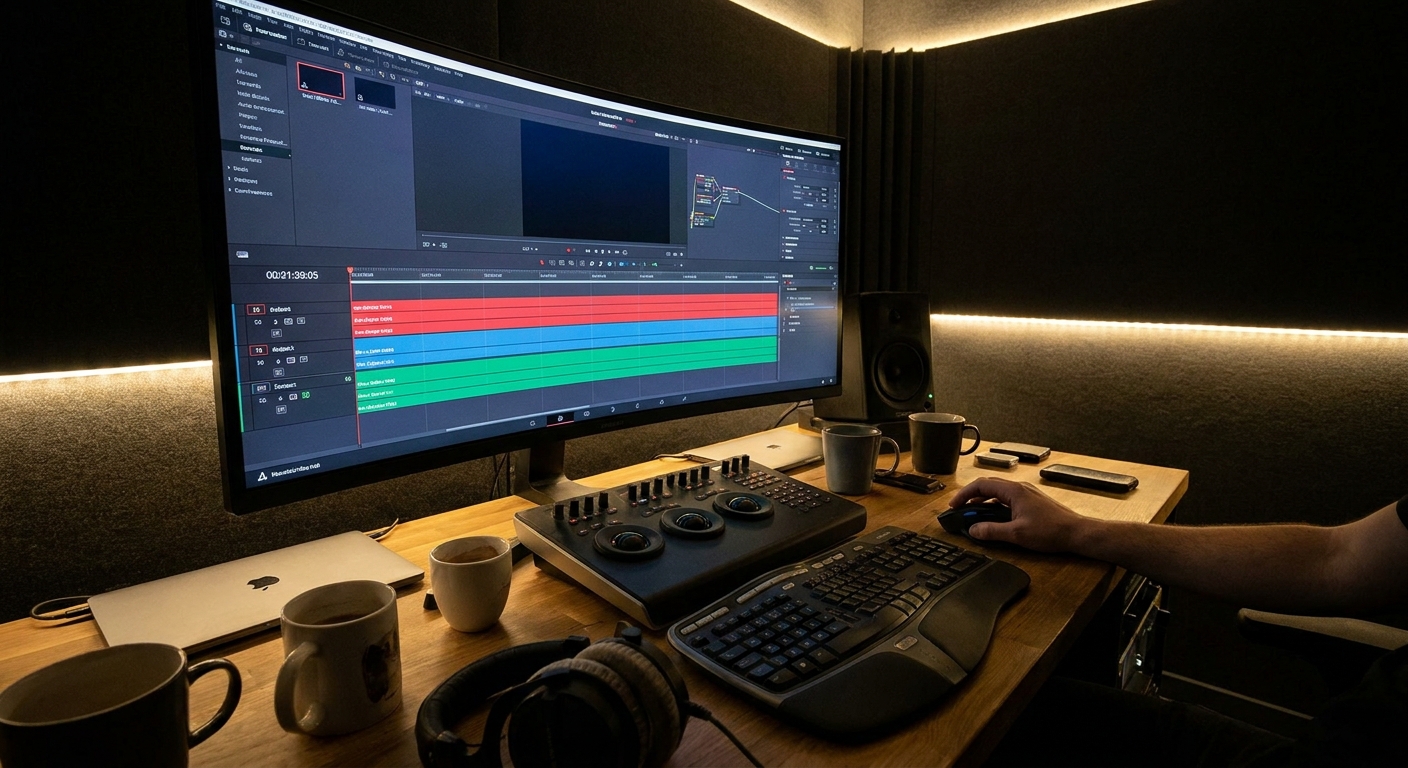
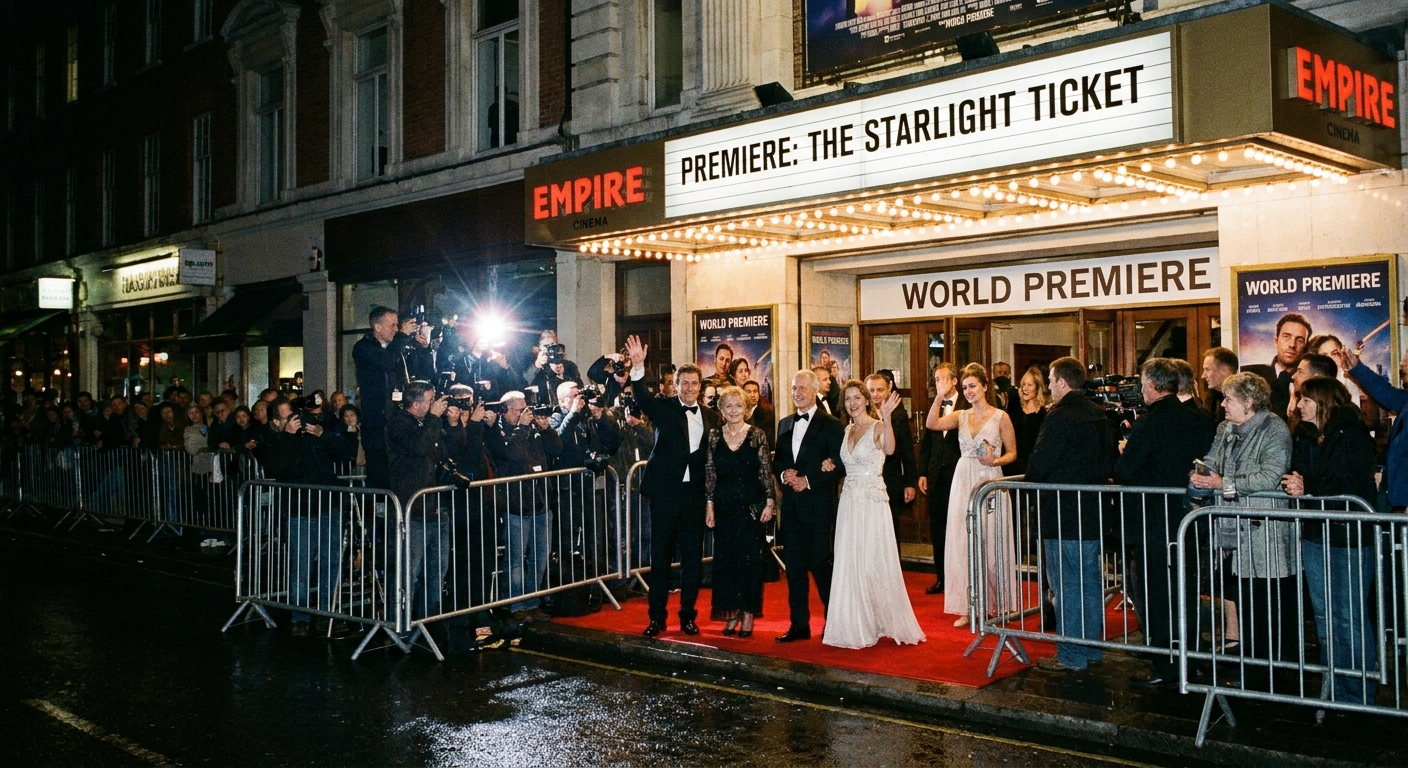
Lights down. Curtain up.
If you have ever heard a friend say, “I saw a movie months ago, but I had to sign something,” there is a good chance they are talking about a test screening. It looks like a normal night at the movies from the outside, but the goal is very different. A test screening is not a victory lap. It is a working session with popcorn.
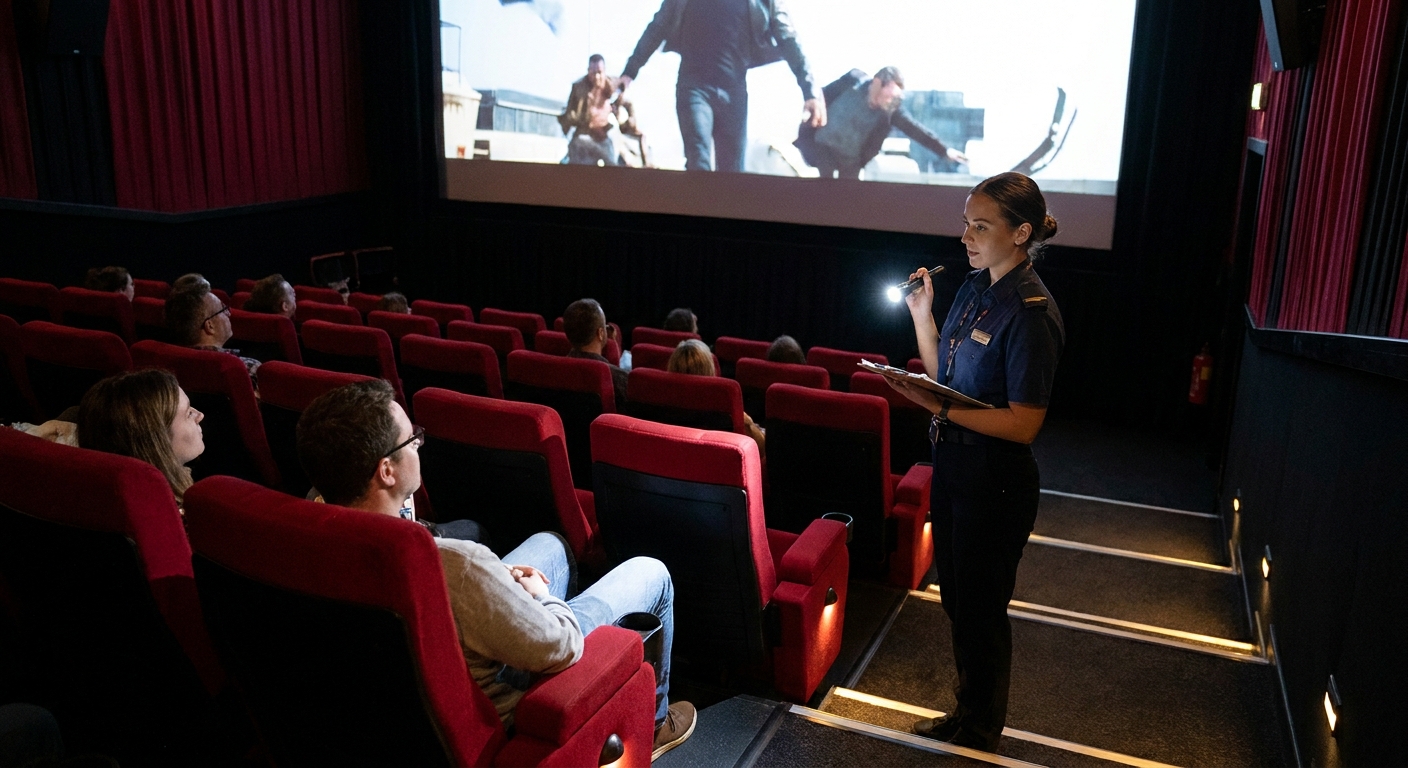
A quick definition
A test screening is a showing shown to a recruited audience so filmmakers and studios can collect feedback. Often, it is a work-in-progress cut, but it can also be close to final, depending on what the team is trying to learn.
One complication right up front: the terminology is loose. You might hear test screening, preview screening, or research screening used for similar events, with slightly different rules from project to project.
Key parts of the definition matter:
- Work-in-progress (sometimes): The version shown may still be evolving. Visual effects can be incomplete, music can be temporary, and scenes can still be moving around.
- Recruited audience: Attendees are typically invited through research firms, mailing lists, partner promotions, or targeted outreach. Sometimes it is structured like a “sneak preview” with free passes rather than a normal public ticket.
- Feedback-driven: The entire point is data. Laughter, silence, confusion, and survey answers all get counted.
What you watch
Test screenings vary by project, but you are usually watching a cut that is complete enough to play from beginning to end while still being flexible enough to change.
Common work-in-progress signs
- Temporary visual effects (often called temp VFX), like rough animation or missing composites
- Temp music, including placeholder tracks that will not be in the final film
- Color and sound that are not fully finalized
- Alternate scenes that can be swapped later, especially endings
- On-screen notes in rare cases, like “VFX shot here”
Not every test screening is rough. Some are close to final and are mostly testing pacing, clarity, marketability, and audience satisfaction rather than whether the movie “works” at all.
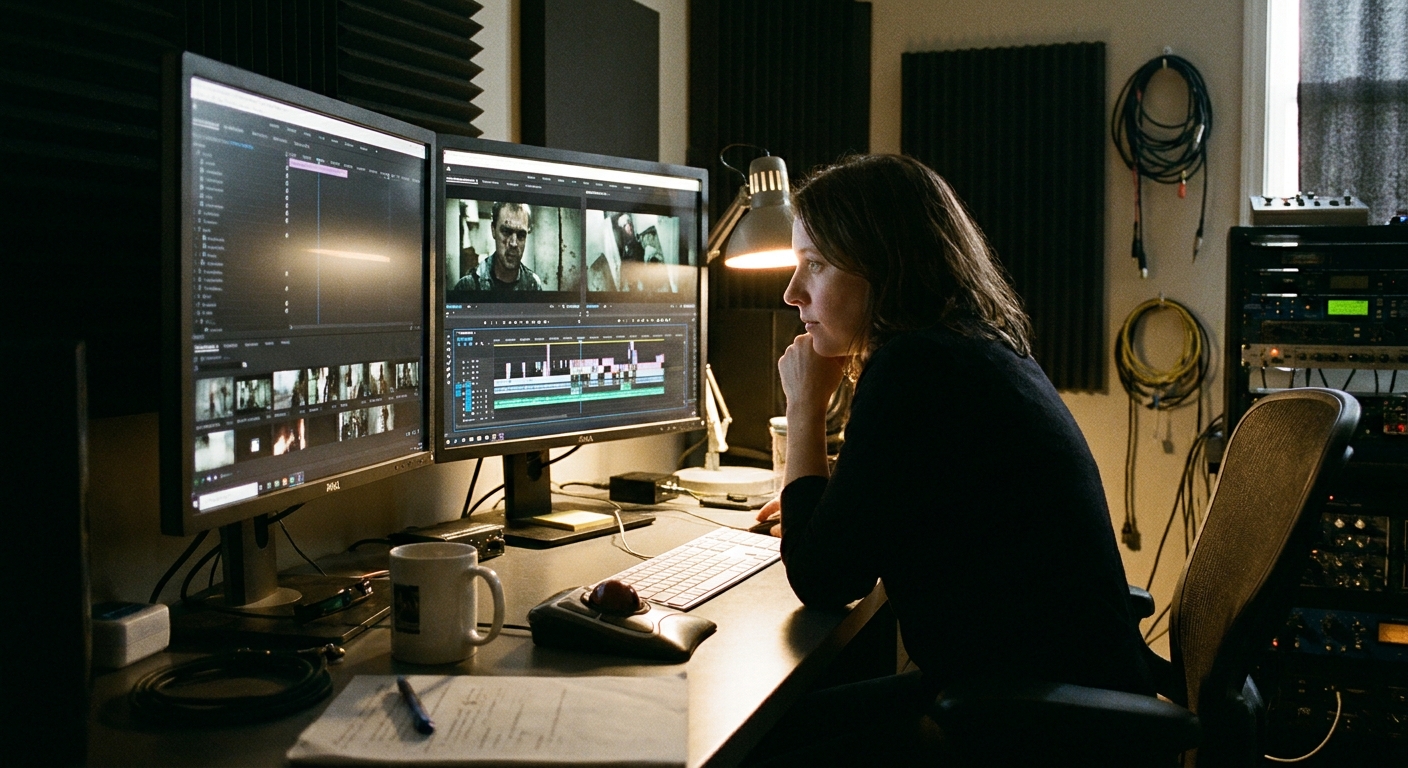
Why they do it
Movies are expensive, and audience attention is even more precious. A test screening is a reality check: does the story land the way the filmmakers think it lands?
What the team may be testing
- Story clarity: Did viewers follow the plot and character motivations?
- Emotional response: Did they care at the right moments?
- Comedy and scares: Did the jokes get laughs? Did the tension build?
- Pacing: Did it feel too long, too slow, or rushed?
- Character appeal: Who did people connect with, and who felt flat?
- Ending satisfaction: Did the final moments feel earned?
Sometimes the feedback confirms what the creators already suspected. Sometimes it reveals a surprise: a “minor” character becomes the audience favorite, or a big twist reads as confusing instead of thrilling.
And even when the audience is loud and clear, it is still only one input. A studio might value a broader score, while a director might protect a riskier choice, and the final call lives somewhere in that tension.
Surveys and Q&A
One of the most common tools in a test screening is the reaction card, but it is really one piece of a bigger research package.
Reaction cards
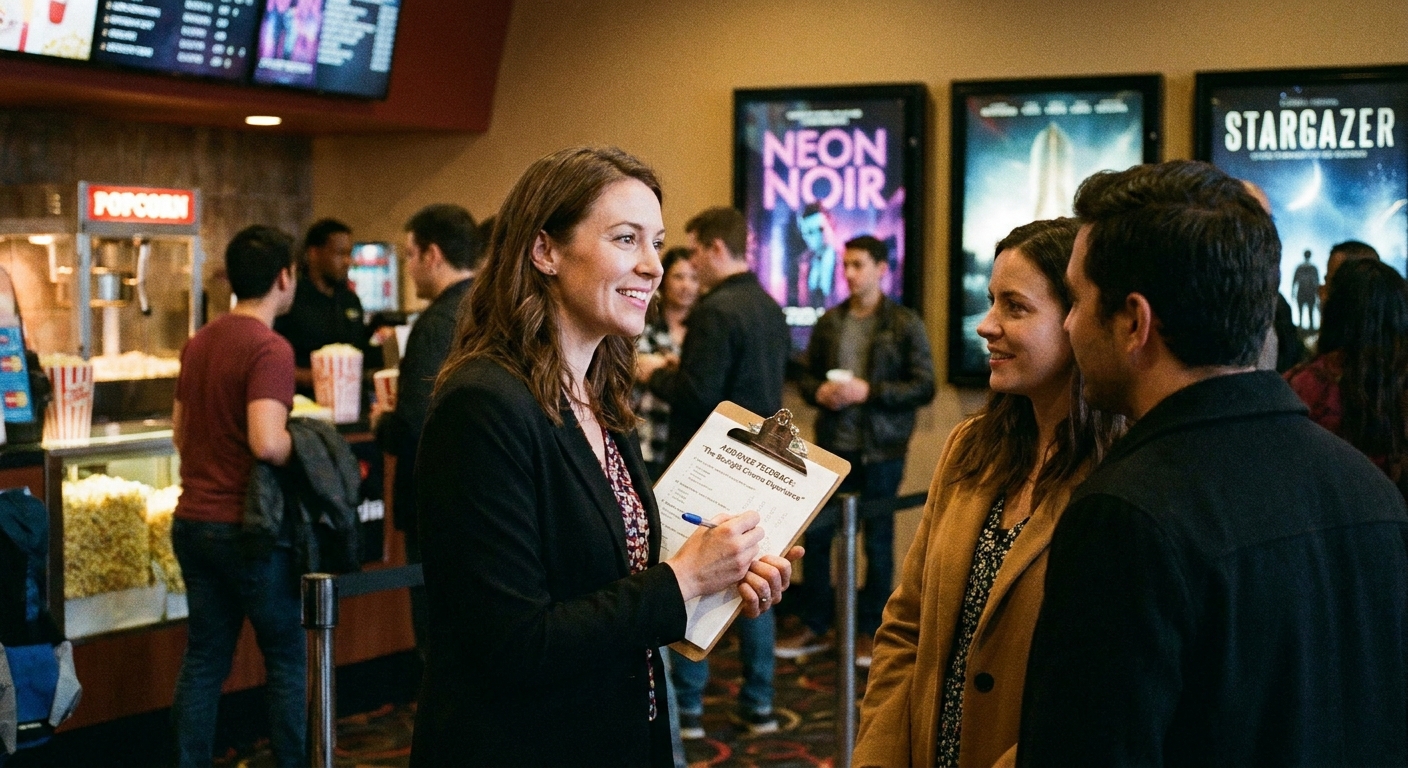
After the film, attendees are commonly asked to fill out a questionnaire. It can include:
- Overall ratings (often a letter grade or numerical score)
- Favorite scenes and least favorite scenes
- Which characters they liked most
- Whether they would recommend the movie
- Whether anything was confusing
- How they felt about the ending
Focus groups and follow-ups
Some screenings add:
- Moderated discussions with a smaller group after the film
- One-on-one interviews
- Additional surveys sent later
And yes, sometimes staff will note in-the-moment reactions, like where laughs hit, where attention dips, or where a big moment gets an audible gasp.
Do you sign an NDA?
Sometimes. Many test screenings use some form of confidentiality, and that can include an NDA, short for non-disclosure agreement. The basic idea is that attendees agree not to share what they saw.
Why confidentiality is common
- Because the film may be incomplete and the team does not want unfinished material circulating
- Because story details, twists, or endings can leak
- Because studios want marketing to control the first public impression
What it can look like
Not every event uses a formal NDA. Some rely on strict phone policies, phone checks at the door, visible reminders, or even watermarking to discourage leaks.
If you attend a test screening with confidentiality rules, treat it like you are holding a secret script. That typically means no posting plot points, no describing scenes in detail, and no recording.
What changes after
A test screening does not automatically trigger a rewrite of the whole movie, but it can lead to meaningful changes. The filmmakers and studio weigh feedback alongside budget, schedule, and creative goals.
Common changes
- Editing and pacing: tightening scenes, reordering beats, trimming subplots
- Clarifying story points: adding or removing lines, adjusting exposition
- Music and sound: reshaping how scenes play emotionally
- Visual effects choices: revising shots that distract or confuse
- Reshoots (not always, but possible): adding new scenes or adjusting an ending
Important nuance
Audience feedback is not a remote control for the crowd. It is information. A great creative team can use it to sharpen intent rather than flatten it. Sometimes the clearest takeaway is not “change the plot,” but something smaller and more surgical, like fixing a confusing motivation, trimming a slow stretch, or making an emotional beat land the way it was always meant to.
How it differs
A lot of film events look similar: you sit in a theater, you watch a movie, you leave with thoughts. The difference is purpose and what stage the film is in.
Test screening vs. premiere
- Test screening: Research-focused and designed to gather feedback that may lead to changes.
- Premiere: A celebratory event for a finished film, often with cast, crew, invited guests, and media attention.
Test screening vs. press screening
- Test screening: Typically not designed for reviews and may include stricter confidentiality rules.
- Press screening: Usually a finished, or essentially finished, film shown to critics and media so reviews can be written.
Test screening vs. public advance screening
- Test screening: The audience is recruited because the filmmakers want targeted feedback.
- Public advance screening: A marketing event for a finished film shown early to build buzz and encourage word of mouth.
In short: test screenings are about potentially changing the movie. Most other screenings are about releasing the movie.
Where and when
Test screenings can happen in all kinds of places, from a regular multiplex (often in areas that match the movie’s target demographics) to a studio or post-production screening room. Timing varies too. Some are held early enough to justify major changes, while others happen later and are mostly about fine-tuning and confidence-checking.
Can regular moviegoers attend?
Sometimes. Studios and research companies recruit “everyday” viewers all the time, depending on what the film needs. You might be selected because of your age group, viewing habits, location, or interest in certain genres.
Recruitment is often done through market-research firms and may include a small incentive, like a gift card or cash, though it depends on the study.
One thing to keep in mind: being invited does not necessarily mean you are seeing a near-final version, and it definitely does not mean the movie will match what you later watch on opening weekend.
Etiquette
If you end up at one of these hush-hush showings, the best way to be helpful is also the simplest.
- Watch like a normal audience member: natural reactions are part of the data.
- Be honest on the survey: “I did not understand this” is valuable information.
- Do not leak details: if you agreed to confidentiality rules, treat them seriously.
- Describe your reaction, not your rewrite: “I felt bored here” is often more useful than “Cut 12 minutes and add a car chase.”
FAQ
Is a test screening the same as a rough cut screening?
They can overlap. A test screening often uses a rough cut or a work-in-progress cut, but the term “test screening” specifically emphasizes the research and feedback component with recruited viewers and formal surveys.
Do test screenings always lead to changes?
No. Sometimes the feedback confirms the film is already landing well. Sometimes changes are planned but later dropped because of budget, schedule, or creative choice.
Are test screenings only for big studio films?
No. They are common for studios, but independent films can also do test screenings, especially when trying to fine-tune pacing, clarity, or audience response before festivals or distribution.
Why do some people dislike the idea of test screenings?
Some critics worry that chasing feedback can sand down unusual choices. Others see it as a practical tool, like a preview performance in theater, that can strengthen a story before it faces the full spotlight.