Lights down. Credits up. And suddenly the theater becomes a little guessing game: do you head for the exit, or do you stay put for one last surprise?
That surprise, when it happens, is usually a credits scene, a short extra scene that plays during the credits or after they finish. It can be a joke, a tease for the next installment, or a tiny button that sends you out smiling.

What a post-credits scene is
A post-credits scene is an additional scene placed after the credits of a movie or TV episode. The main story has already landed, and this is a little extra tag at the very end. Sometimes it is purely a bonus. Sometimes it is a small but real piece of storytelling that matters later.
Post-credits scenes are typically short, often a minute or two, though some run longer. They might be fully produced scenes, quick character moments, or even a single visual reveal.
You may also hear people call them an after-credits scene, an end-credits scene, a tag, or a stinger.
What it can include
- A teaser for a sequel, spinoff, or upcoming storyline
- A gag or comedic payoff that does not change the main plot
- A reveal of a character, location, or new status quo
- A final emotional button, like a quiet epilogue beat
Mid-credits vs post-credits
The difference is all about timing.
- Mid-credits scene: appears during the credits, usually after the first block of major credits (often after the main cast names).
- Post-credits scene: appears after the credits finish, sometimes after every last name and logo has rolled.
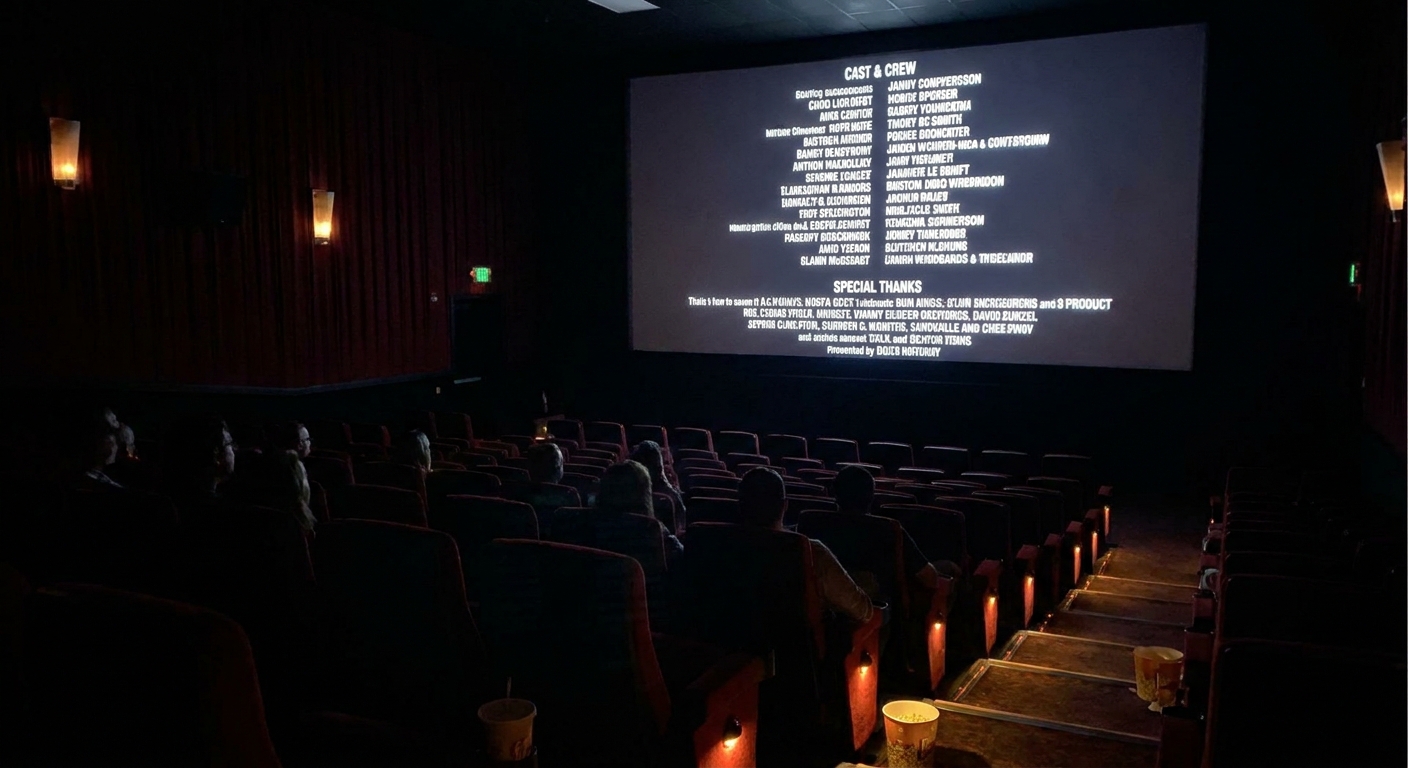
In practice, a film can have none, one, or multiple scenes. Some movies include a mid-credits scene and another at the very end. That is why the lobby stampede can turn into a second wave. People realize they left too early.
Why studios add them
Credits scenes are a storytelling tool, a marketing tool, and sometimes just a little gift. Here are the most common reasons they show up.
To set up a franchise
If a studio wants you thinking about the next chapter before you have even hit the parking lot, a post-credits scene can plant a hook: a new villain teased, a team-up hinted, a location revealed, or a storyline pointed in a new direction.
To reward the audience
Staying through credits is, for many people, a way of appreciating the work. A post-credits scene can be a small reward for those who stick around, the cinematic version of a bonus track.
To land a final laugh
Sometimes the whole point is simply a quick joke, a character bit, or an absurd punchline that would feel out of place before the ending. These are often fun, disposable, and designed to send you out on a lighter note.
To bridge stories without interrupting the ending
A movie ending needs room to breathe. Placing a teaser after the credits lets the film keep its emotional landing, while still giving creators space to hint at what comes next.
Superhero franchises, especially in the modern era, helped make this feel like a standard part of the moviegoing routine. Now you see it across comedies, animated films, horror, and more.
Do they matter?
It depends on the project. Some post-credits scenes are basically winks at the audience. Others are genuinely important, introducing a character or plot element that will show up later.
A helpful way to think about it:
- If you skip it, you probably still understand this movie. The main story is already complete.
- If you watch it, you might understand what comes next sooner. Sequels or later episodes may call back to it.
Studios like the flexibility. A post-credits tease can be a promise, a possibility, or sometimes just a fun direction to explore later.
How to tell if you should stay
There is no universal signal, but there are a few reliable clues.
Franchise habits
Some series and studios have trained audiences to wait. If a franchise is known for end tags, it is often worth staying, especially for big tentpole releases.
The credits pause
Many mid-credits scenes arrive after the first credits block, when the credits briefly shift format or pace. If the music and credits keep rolling after a scene, there still might be another one later, but often that first break is the only extra.
House lights
In many theaters, the house lights come up more fully once the movie is truly finished. If the lights stay very low and people are not moving, that can be a hint that something is coming, though it is not guaranteed.
Ask before the movie starts
If you want a spoiler-free answer, theater staff are often used to the question: “Is there anything after the credits?” They might not always know, but for major releases, they often do.
Streaming tip
On streaming platforms, credits can auto-shrink, auto-skip, or get nudged aside by next-episode prompts. If you are trying not to miss an after-credits scene, avoid tapping “skip credits” until you are sure nothing else is coming.

Curtain calls vs credits scenes
No, and it is a helpful distinction.
A curtain call belongs to live theater. It is the moment after a performance when the cast returns to the stage to take applause. It is part of theater tradition, and it happens in the room, in real time.
A post-credits scene is a pre-recorded piece of the film or episode added after the credits. It is not an audience interaction moment, and it is not a live performance tradition.
In other words: different medium, different purpose, different vibe. One is a thank you. The other is a tag.
Quick FAQ
Can a movie have more than one post-credits scene?
Yes. Some movies include multiple extras, often a mid-credits scene and another at the very end.
Are post-credits scenes always canon?
Not always. Some are clearly comedic throwaways. Others are story-forward teases meant to connect to future entries.
Do TV shows do post-credits scenes too?
They can. In TV, you will also hear the term tag used for a brief final scene after the main story, sometimes placed after credits depending on the platform and format.
Is it rude to leave during the credits?
No. People leave for plenty of reasons. If you are staying for a potential scene, staying seated and keeping chatter low is the most considerate move.