Lights down. Curtain up.
If you have ever spotted “Director’s Cut” on a Blu-ray menu or a streaming listing and wondered if it is just extra footage glued on top, you are not alone. In film terms, a director’s cut is a version of a movie edited to reflect the director’s preferred choices, which may differ from the studio-approved theatrical release.
Director’s cut, defined
A director’s cut is an alternate edit of a film that represents what the director considers the best or most complete version. It is often released after the theatrical run, typically on home video or as a re-release.
Important nuance: a director’s cut is about creative intent, not simply length. Some director’s cuts are longer, some are tighter, and some rearrange scenes without adding much runtime.
Why it can differ
The version you see in theaters is typically shaped by many pressures beyond pure storytelling. The studio and distributor are thinking about runtime, ratings, marketability, release schedules, and what plays best across the widest audience.
That does not mean the theatrical cut is lesser. It means it is often a negotiated final version.
Common reasons a theatrical cut changes
- Runtime targets for more daily screenings or pacing concerns
- Ratings goals such as trimming material to reach a desired certification
- Tone and clarity adjustments after feedback from executives or early viewers
- Release deadlines that limit experimentation in post-production
- Commercial considerations like keeping a genre feel consistent with marketing
What usually changes
When a director’s cut differs, the changes usually fall into a few recognizable buckets.
Length and pacing
Director’s cuts are often longer because they restore character beats, slower buildup, or connective tissue that was trimmed for pace. Sometimes, though, a director will use the opportunity to tighten a film that they feel ran long.
Restored scenes and alternate material
You might see added scenes, extended dialogue, longer establishing moments, or subplots that were reduced or removed. These can deepen theme and character, or sometimes reveal why a studio preferred the theatrical cut for momentum.
Different endings or key reveals
Some director’s cuts restore an ending that was changed for audience clarity, tone, or test screening response. Even small ending tweaks can shift the entire lingering impression of the story.
Reordered scenes and structure
A director’s cut may change where scenes appear, how information is revealed, or how suspense is built. This can make the film feel like a different experience even if the footage is mostly familiar.
Music, sound, and color
Editing is not only about what you see. Some director’s cuts adjust music cues, sound design, or even color grading to better match the intended mood.

Director’s cut vs other cuts
These labels get used interchangeably in casual conversation, but they are not the same thing.
Theatrical cut
The theatrical cut is the version released in cinemas. It is the official public-facing release and is frequently the result of collaboration and compromise between the director, producers, and studio.
Extended cut
An extended cut is usually defined by added material and longer runtime. It might include scenes that were trimmed for theaters, but it does not automatically mean the director considers it the preferred version. Sometimes an extended cut exists because audiences want more, not because the storytelling benefits.
Director’s cut
A director’s cut is specifically presented as the director’s preferred edit. It might be extended, but it might also be a restructured, re-scored, or otherwise rethought version that better matches the director’s intent.
In other words: all director’s cuts are alternate cuts, but not all alternate cuts are director’s cuts.
Producer’s cut
A producer’s cut is an edit shaped primarily by producers, sometimes aligned with budget, schedule, or commercial goals. On some releases, it is used to contrast with a director-led version.
Final cut
Final cut refers to who has contractual authority to approve the finished version. Some directors have final cut privileges. Many do not.
Early edits: rough cut and editor’s cut
Another common confusion is mixing up a director’s cut with early-stage edits you might hear about in behind-the-scenes features.
Rough cut (or assembly cut)
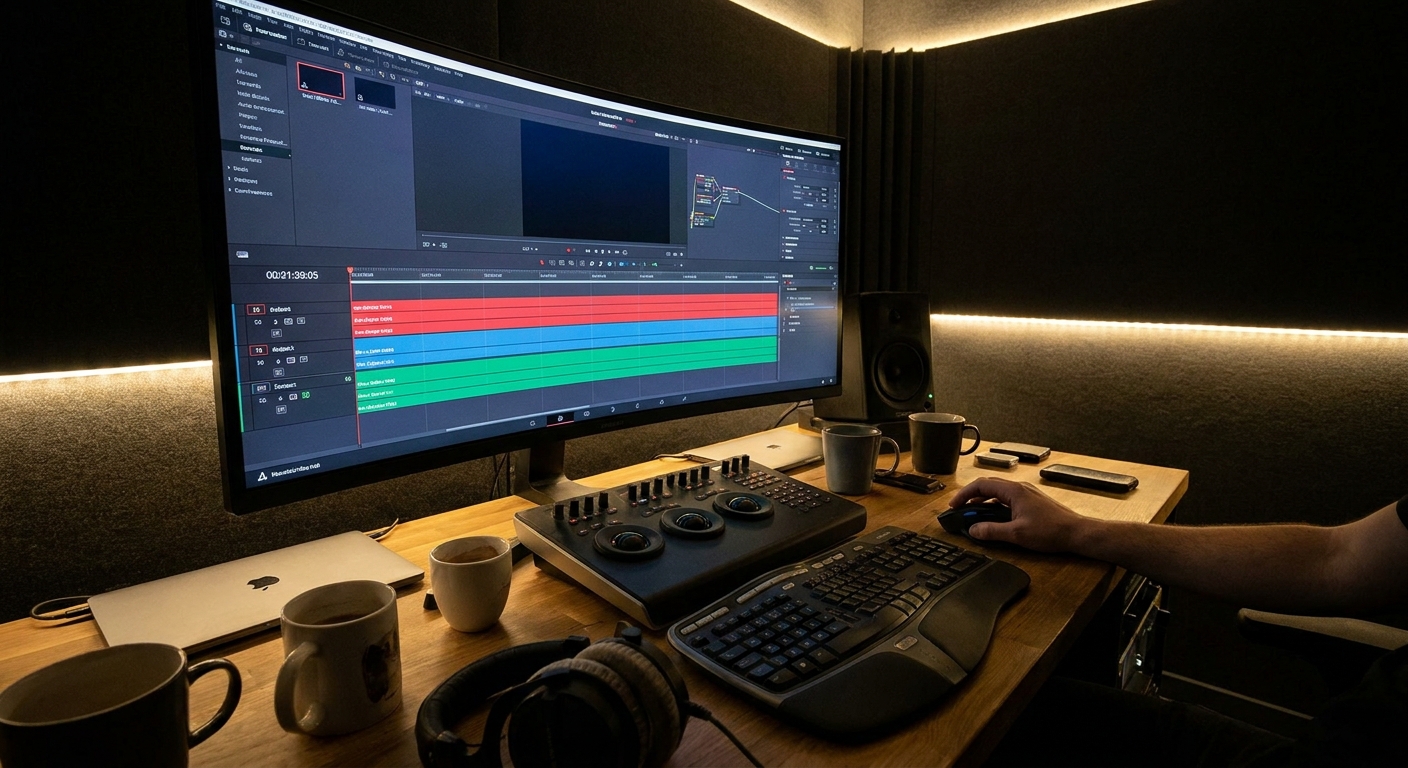
A rough cut is an early version of a film put together during editing, often to see what the footage looks like in sequence. It may be long, uneven, missing finished visual effects, and packed with placeholder sound and music.
A rough cut is not meant as a final statement. It is a working draft.
Editor’s cut (or first cut)
Sometimes you will hear about an editor’s cut or first cut. Depending on the production, that term can refer to the editor’s initial pass at shaping the footage into a coherent movie, or to a defined period when the editor has primary control before the director and producers begin revisions.
Director’s cut
By contrast, a director’s cut is usually discussed as a more finished, intentional version that reflects the director’s final preference, not an early work-in-progress.
Where test screenings fit
Test screenings are preview showings for selected audiences used to gather reactions, identify confusion, and measure pacing. Feedback can influence edits, including changing an ending, clarifying plot points, or trimming sections that lose attention.
Test screenings do not automatically create a director’s cut, but they often help explain why a theatrical cut might differ from a director’s preferred version. The theatrical edit may be adjusted to address audience notes, while a later director’s cut might restore material the director believes works even if it tested as divisive.

Does it mean full control?
Not always. The phrase can be used in a few different ways depending on the project:
- True creative preference: the director genuinely returns to the film and shapes the version they wanted.
- Contractual or marketing label: sometimes the term is used to signal an alternate edition even if the director’s involvement is limited.
- Practical reconstruction: occasionally, a director’s cut is assembled later from existing materials when circumstances finally allow a different edit to be released.
When you are curious whether a director’s cut is a major rethink or a light remix, the best clue is to check whether the release notes mention specific changes: restored scenes, re-editing, new sound mix, or a different ending.
Examples across the spectrum
If you want a quick gut-check on how broad the label can be, here are a few well-known cases:
- Blade Runner: multiple official versions exist, with changes that affect tone and interpretation, including narration and the ending.
- Alien: the “Director’s Cut” is not simply “more Alien.” It is a curated alternate edit, with some trims as well as additions.
- Kingdom of Heaven: often cited as a case where a longer director’s cut substantially changes character arcs and coherence.
Which cut should you watch?
Picking a cut is less about choosing the “correct” one and more about what kind of viewing you want.
- First time viewing: the theatrical cut is often the cleanest introduction because it was designed as the main release.
- Second viewing: a director’s cut can be a rewarding return visit, especially if you love character detail, slower builds, or alternative endings.
- Completists and film craft fans: comparing cuts is a masterclass in how editing choices reshape story, tone, and even genre.
Quick FAQ
Is a director’s cut always longer?
No. Many are longer, but a director’s preferred version can also be shorter or simply different in structure and rhythm.
Is a director’s cut the same as an unrated cut?
Not necessarily. “Unrated” is a distribution and ratings label. A director’s cut is an authorship label. Sometimes they overlap, but they describe different things.
Does a director’s cut mean the studio ruined the theatrical version?
Not automatically. Some theatrical cuts are excellent and remain the most widely loved version. A director’s cut is best understood as an alternate artistic choice, not an automatic correction.
Why are some director’s cuts only on home video?
Theatrical schedules, runtime concerns, and marketing plans often favor a single definitive cinema version. Home video releases have more room for alternate editions aimed at fans.
The takeaway
A director’s cut is a version of a film presented as the director’s preferred edit, whether that means restoring scenes, reshaping pacing, changing an ending, or fine-tuning sound and color. In many cases it is the director’s ideal form of the story. In other cases, it is a looser label for an alternate edition, which is why it pays to scan the release notes before you press play.
Now, if you will excuse me, I will be in the front row, bow tie straight, listening for the moment the edit changes everything.