Lights down. Curtain up.
Somewhere between what you see and what you feel, there is a perfectly timed footstep, a jacket sleeve that whispers as an arm turns, and the tiny clink of a key that tells your brain, “This is real.” That world is Foley.
Foley, defined
Foley is a category of sound effects created by performing and recording physical actions in a studio in sync with the picture. Instead of pulling a sound from a library, a Foley artist performs movements that match what characters and objects are doing on screen.
Classic Foley sounds include:
- Footsteps (on concrete, carpet, gravel, snow, metal stairs, and so on)
- Cloth movement (a coat swish, a denim creak, a backpack strap shifting)
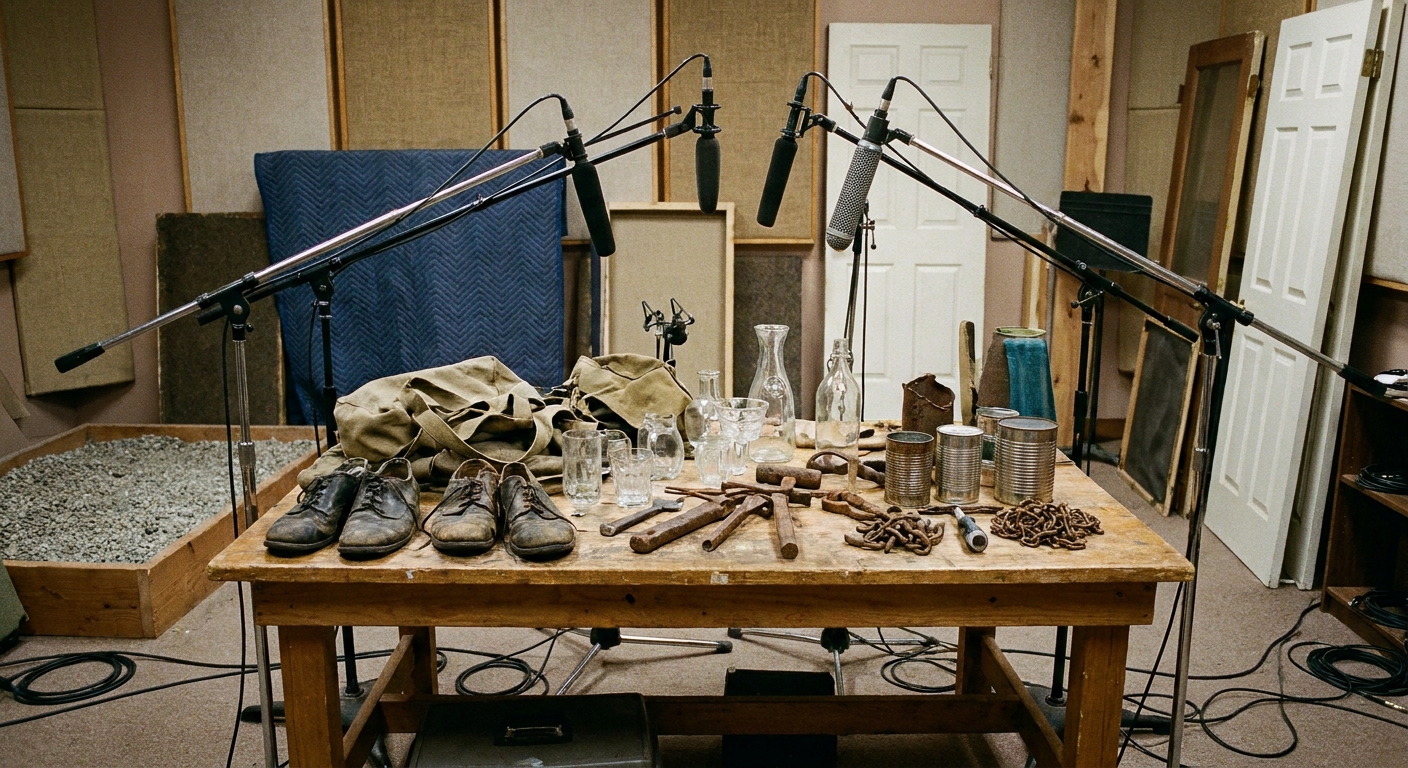
- Prop handling (cups set down, keys jingling, phones picked up, a weapon holstered)
- Body movements (hand pats, hugs, bumps, falls, grabs, seat shifts)
The goal is not just audibility. It is believability. Foley helps the audience feel the weight, texture, and immediacy of what they are watching.
Why Foley exists
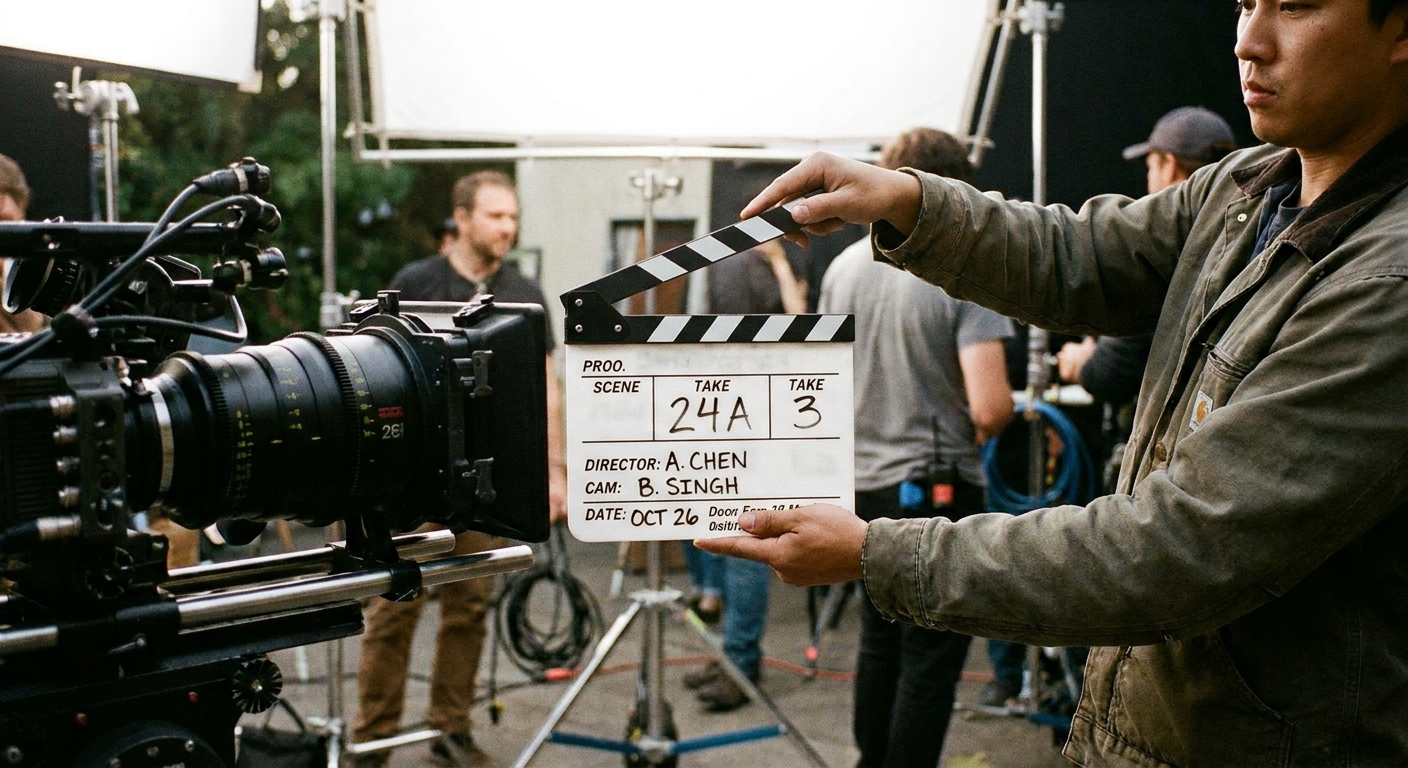
On set, microphones are usually focused on capturing dialogue. Many other sounds get lost or are unusable because of:
- Camera and crew noise
- Wardrobe and movement inconsistencies across takes
- Location noise like wind, traffic, refrigeration hums, or crowds
- Shots where microphones are farther away or hidden
- Editorial changes that alter timing and continuity
Foley is a controlled way to rebuild the “close-up” detail of a scene so it plays clearly and consistently in the final mix.
What happens in a Foley session
A Foley session is part performance, part precision craft. The sound team works to picture so every action lands at the right moment.
1) Prep: spotting the cues
Before anyone starts stomping in shoes, the project is spotted. That means deciding which moments need Foley and what the priorities are. A quiet character moment may need subtle cloth. An action beat may need crisp footfalls and prop impacts.
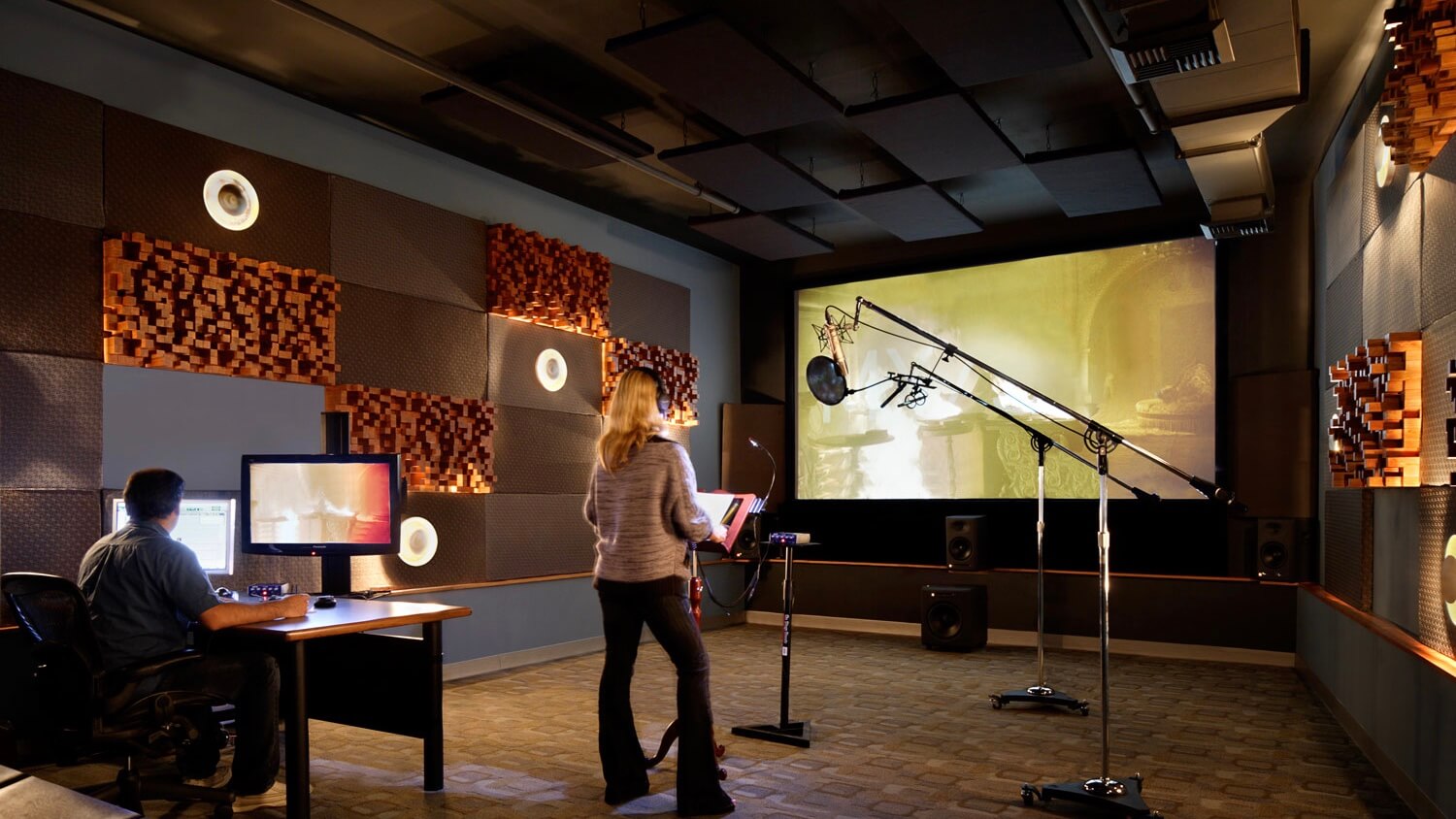
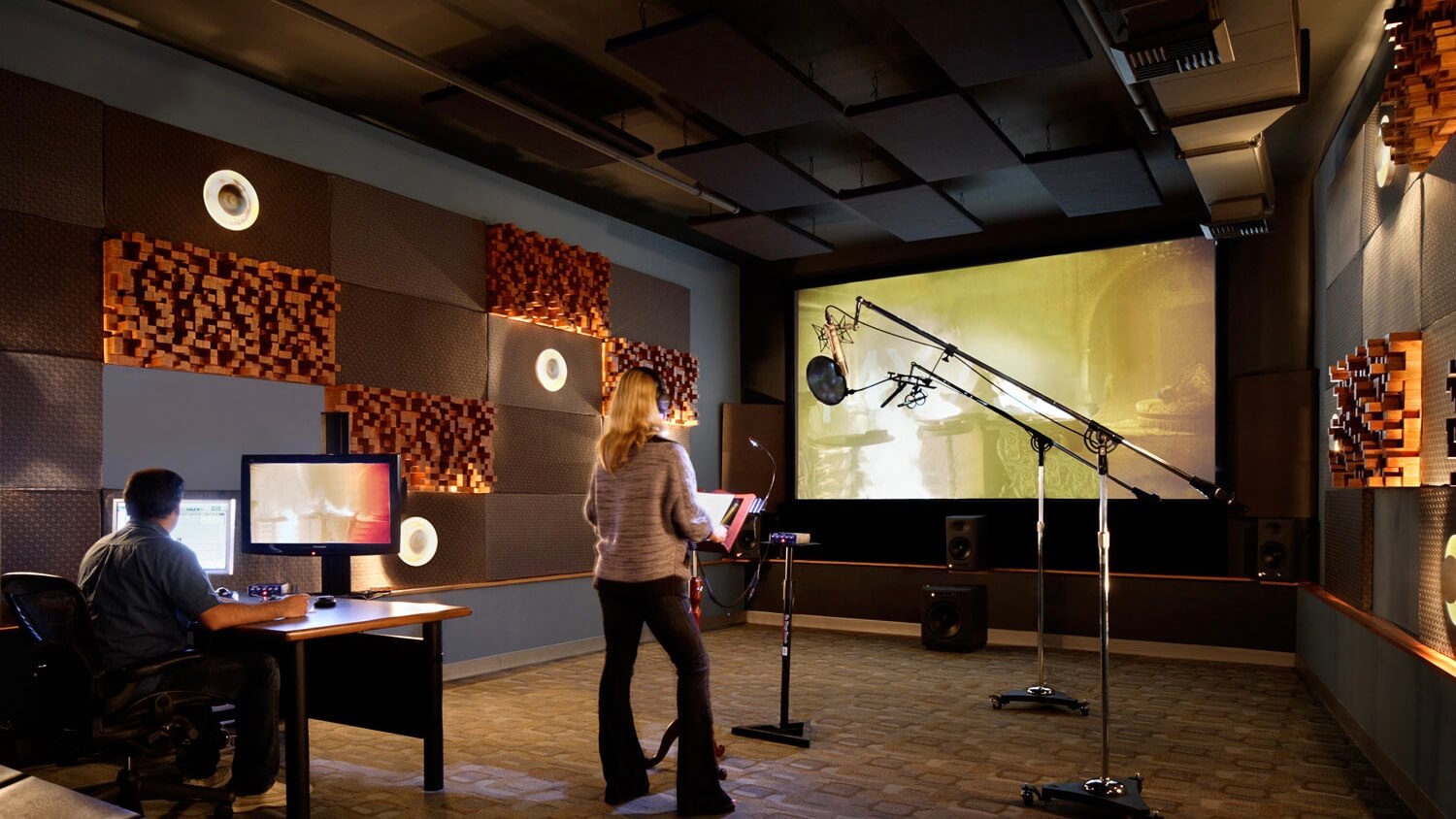
2) The Foley stage: surfaces and pits
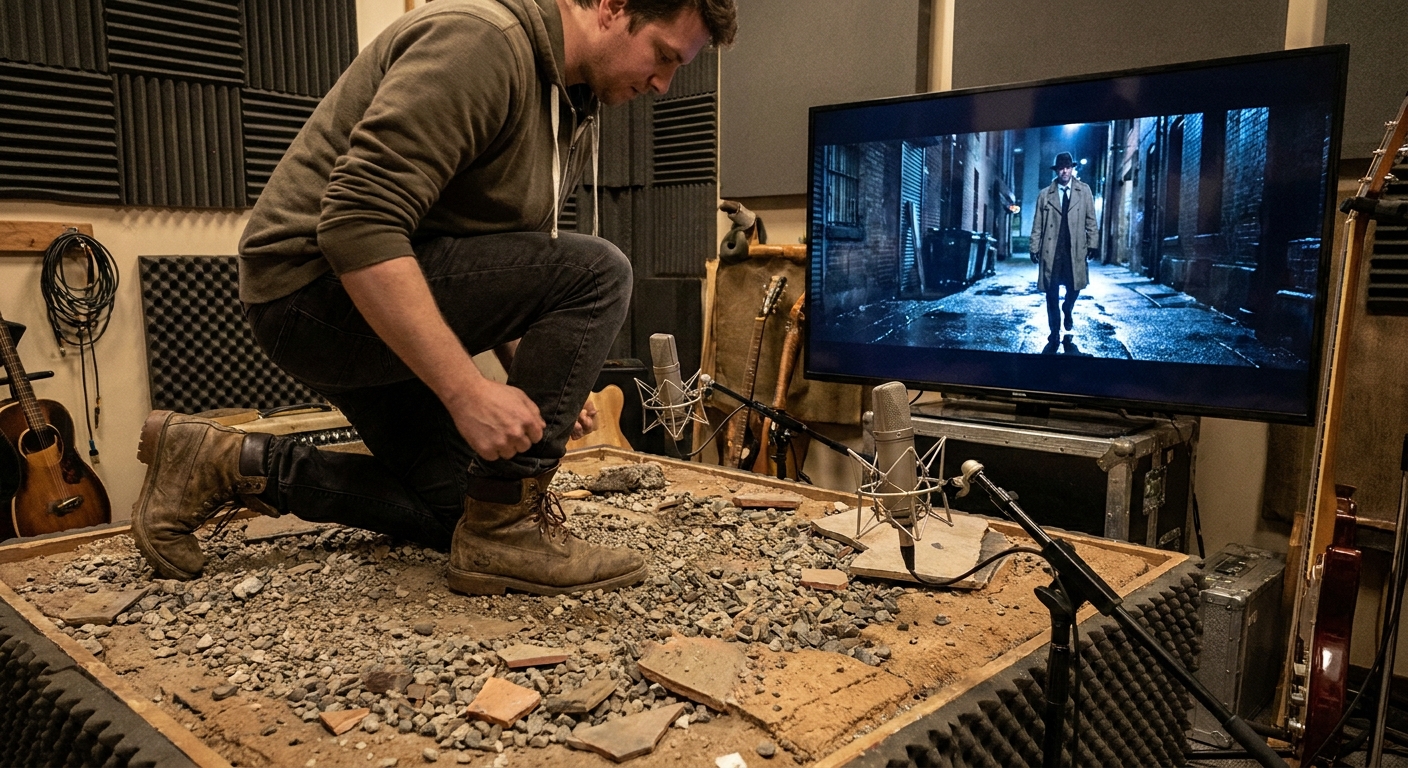
Foley is often recorded on a dedicated stage with different walking surfaces, sometimes called pits or trays, built for variety. Think wood, concrete, tile, metal, dirt, gravel, and other textures that can be swapped quickly.
3) Performance: playing the scene
The artist watches the scene and performs in time. If the character hesitates, the footsteps hesitate. If they drag a toe, the sound drags. Foley lives and dies by rhythm and intention.
4) Recording: microphones close to the action
Mics are placed to capture detail while still matching the camera perspective. The recordist adjusts placement, gain, and tone so a footstep reads as “that hallway,” not “a studio floor.”
5) Editing: tightening sync
After recording, Foley is edited and aligned. The best performances are selected, timing is refined, and any distracting artifacts are cleaned up.
6) Mixing: blending into the track
Finally, Foley is balanced with production sound, dialogue, ADR, backgrounds, music, and other effects. In a good mix, you rarely notice Foley as a separate element. You just feel the scene land.
Who makes Foley
People often say “the Foley artist,” but Foley is usually a small team. Common roles include:
- Foley artist: performs the footsteps, cloth, and props to picture
- Foley recordist (or Foley mixer): records the performance and shapes the sound on the way in
- Foley editor: cleans, selects, and tightens performances for sync and continuity
On some projects, one person may cover multiple roles. On larger shows, these are distinct credits. Either way, the goal is the same: a physical world that holds together from shot to shot.
What a Foley artist does
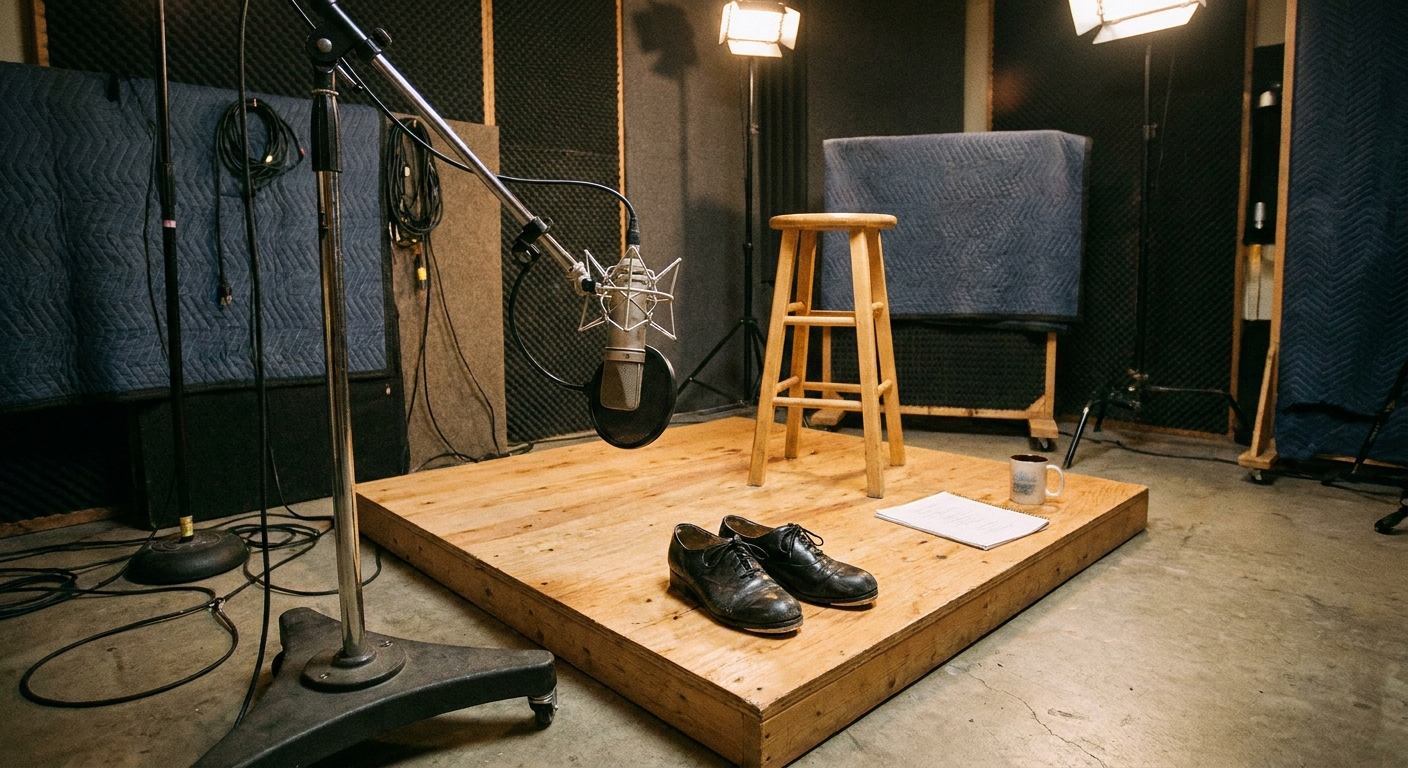
A Foley artist performs sounds for picture. That description is simple. The job is not.
Foley artists have to make choices quickly, like:
- Character and wardrobe choices: a heavy boot behaves differently than a dress shoe, and a wool coat moves differently than leather.
- Story choices: does the moment want realism, or a slightly heightened “movie” clarity?
- Continuity choices: matching a walk across cuts and angles so it feels like one continuous action.
- Problem solving: finding safe, repeatable ways to create sounds that match unusual props or actions.
Foley also tends to be performed in categories, commonly:
- Feet: footsteps and runs, often performed with multiple shoe options
- Cloth: wardrobe movement performed with fabric or garments
- Props: hand interactions with objects, from subtle touches to hard impacts
Foley vs. library effects
Not every effect you hear is Foley. Many projects also rely on sound effects editors who cut and design effects from recorded material, libraries, or custom field recordings.
So why do Foley at all?
- Performance: Foley can match the exact timing and “attitude” of a movement.
- Specificity: You can tailor it to the exact prop and costume in the scene.
- Consistency: The same sonic perspective can be maintained across a sequence.
- Clarity: Foley can bring back details that production audio could not capture cleanly.
In practice, Foley and editorial effects work together. Foley often covers the intimate, human-scale contact sounds, while editorial effects handle bigger moments and environmental elements.
Foley vs. sound design
Sound design is a broader, more creative category. It can include non-literal or stylized sounds built to support mood, tension, or world-building, even when the source is not obvious on screen.
Foley, by contrast, is tied to physical actions you can point to. A hand grabs a railing. A coat shifts in a hug. A heel catches on tile. Foley gives those moments their texture.
Foley vs. ADR
ADR is commonly expanded as Automated Dialogue Replacement. You will also hear Additional Dialogue Recording. Either way, ADR is when actors re-record dialogue in a studio to replace or enhance lines recorded on set.
Here is the simplest way to separate them:
- Foley = physical sound effects performed to match movement (feet, cloth, props)
- ADR = dialogue recorded again (words, breaths tied to speech, performance adjustments)
They can overlap in the sense that both are recorded in post and synced to picture. But ADR is about speech. Foley is about the physical world around that speech.
Foley vs. loop group walla
If you have ever heard the soft, indistinct crowd chatter in a restaurant scene or at a stadium, you have heard walla, often recorded by a loop group.
A loop group session records:
- Crowd murmurs and group conversation texture
- Background reactions like laughs, gasps, and scattered shouts
- Occasional intelligible lines placed carefully when needed
That is different from Foley, which is not about crowd voices. Foley focuses on tangible contact sounds like a chair scrape, a coat shift, or a character’s footsteps crossing the room.
Foley examples to listen for
Want to spot Foley without staring at the credits? Try listening for sounds that are:
- Close and detailed, even when the camera is not
- Perfectly synchronized to a hand, foot, or fabric movement
- Emotionally tuned, like heavier footsteps when tension rises
Good places to start: quiet dialogue scenes (cloth and small props), suspense sequences (controlled movement), and any moment where a character’s presence is communicated through motion rather than speech.
Quick FAQ
Is Foley always “fake”?
Foley is performed, but it is not automatically unrealistic. The best Foley is convincing because it captures the idea of the sound in a way that reads clearly in the mix. Sometimes that means realism. Sometimes it means slightly heightened clarity.
Do all movies and shows use Foley?
Many do, especially narrative film and scripted television. Some projects lean more on production sound and editorial effects, but Foley remains a common tool because it adds control and detail.
Is Foley only footsteps?
No. Footsteps are the most famous example, but cloth movement and prop handling are major parts of Foley work.
Why is it called “Foley”?
The term traces back to early film sound practices and is commonly associated with sound effects work pioneered in the studio era. Today, “Foley” refers to the technique and the department, not just a single person.
The takeaway
Foley is the sound of the physical world being rebuilt on purpose. It is performed in a studio, synced tightly to picture, and aimed at one thing: making what you see feel real.
And the next time a character turns, and you hear the soft brush of fabric that somehow makes the moment land, you will know who to applaud from your seat.