Lights down. Curtain up.
If you have ever heard the muffled thump of a kick drum, a few bright guitar chords, then someone calling, “More vocal in wedge two” (a wedge is a floor monitor speaker), you have brushed up against one of the most important parts of any live show: the sound check.
Sound check, defined
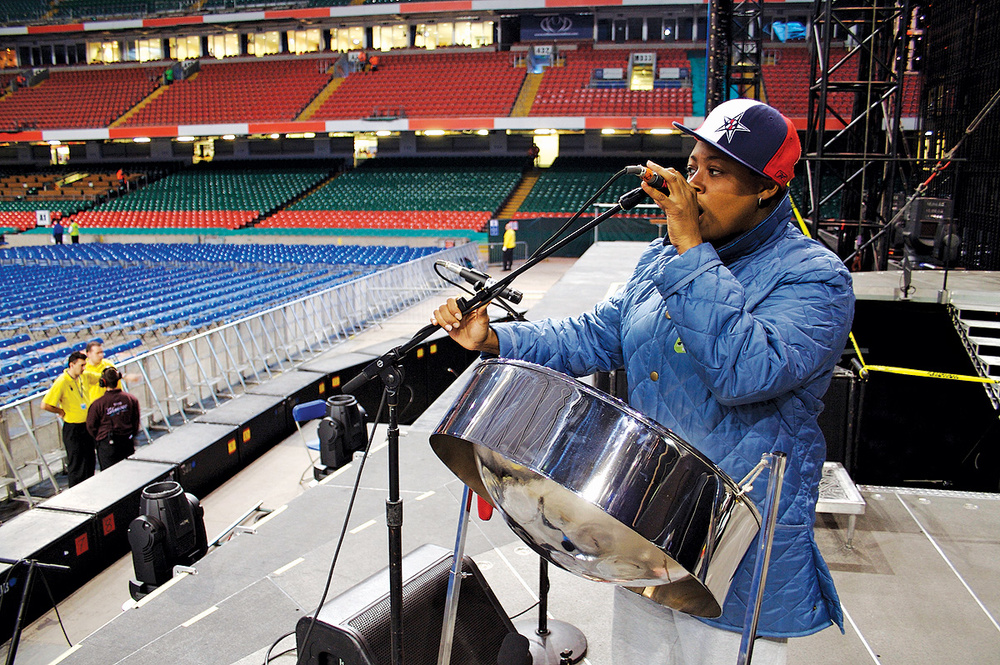
A sound check is the pre-show working session where the artist and crew test and balance the live audio system before the audience comes in. The goal is simple: make sure the room speakers sound right, the performers can hear themselves onstage, and the show is ready to run smoothly once doors open.
Depending on the tour and the day, it might be a full band run-through, a quick balance check, or even just the crew dialing things in without the artist onstage.
It is not the concert itself. It is the behind-the-scenes setup that helps the concert feel effortless.
What happens during a sound check
Sound check can look different from tour to tour, but it usually includes some combination of the following:
- Line check: Crew verifies each microphone, instrument input, and cable is working. You might hear one drum at a time, then bass, then guitar, then keys, then vocals.
- Front-of-house mix: The audio engineer adjusts how the band sounds through the main speakers for the whole venue, aiming for a mix that translates across the room.
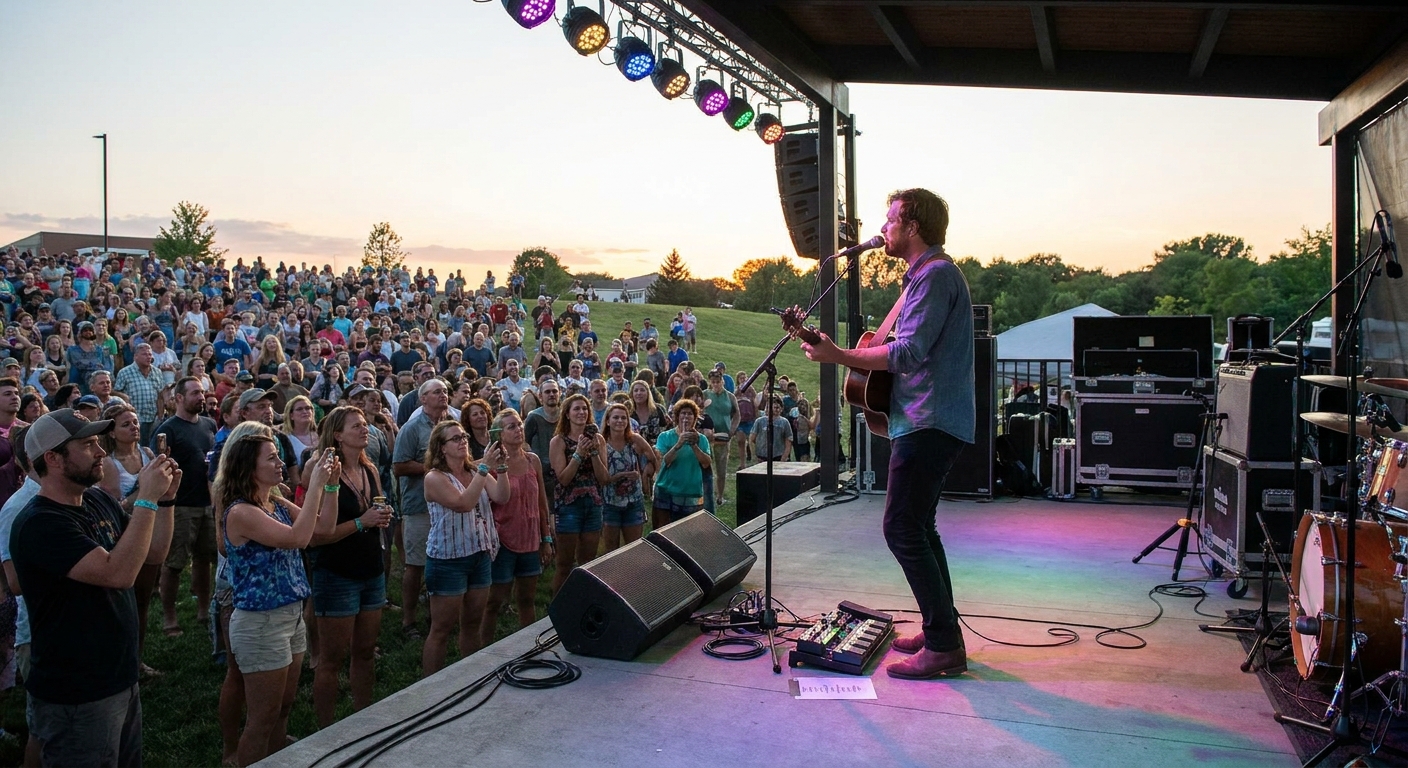
- Monitor mix: The crew sets what each performer hears onstage, either through floor wedges or in-ear monitors.
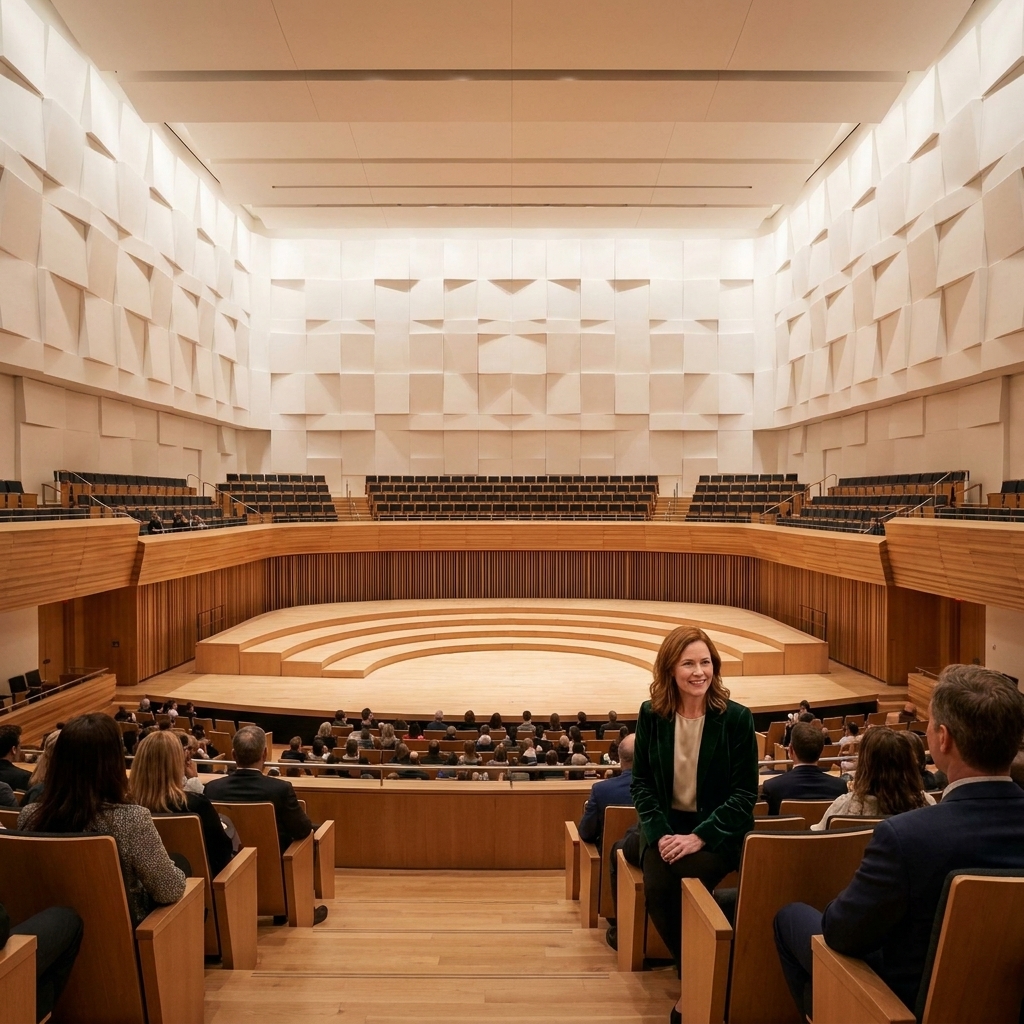
- Room tuning: Engineers compensate for the venue acoustics, which change depending on the size of the space and where speakers are placed. A room can also sound different once it fills with people.
- Short run-throughs: The band might play parts of a few songs to check balances, transitions, and overall feel.
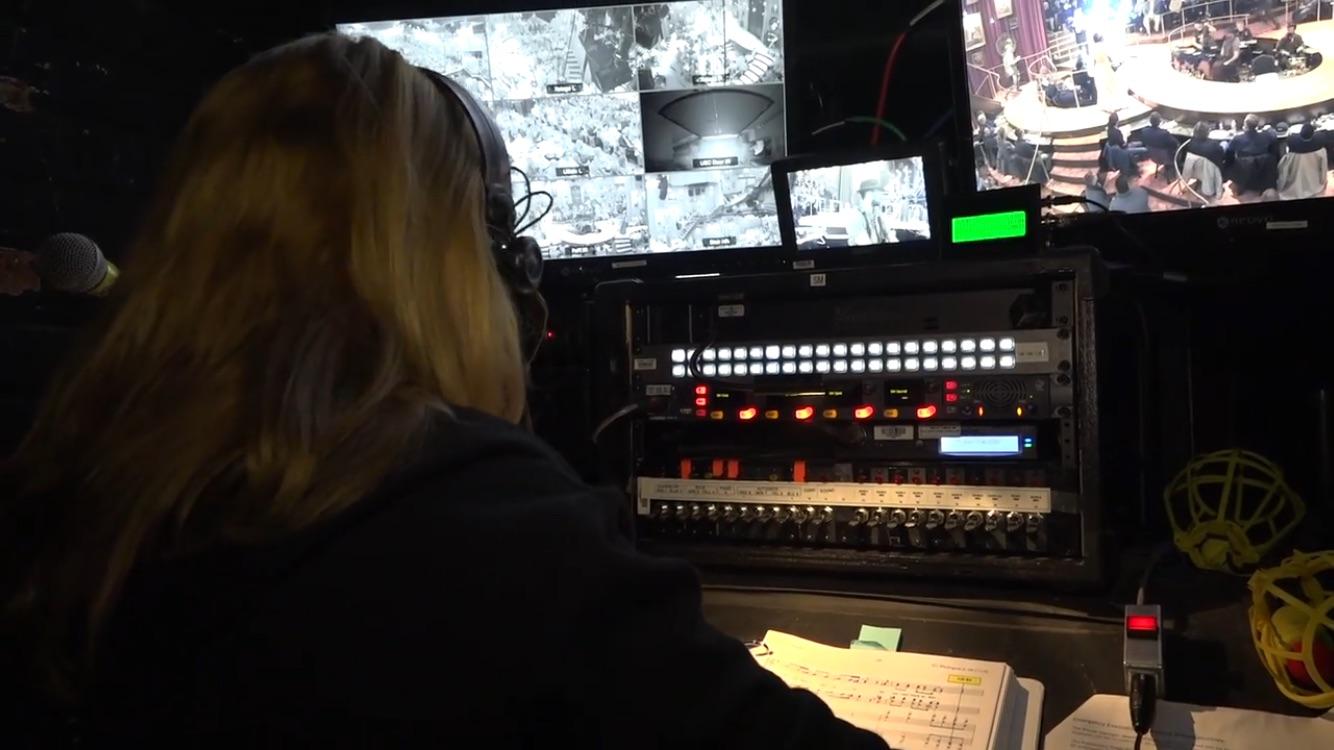
- Comms checks: Talkback mics and intercom (clear-com) are tested so the crew can coordinate in real time.
Sometimes you will hear a full song. Sometimes it is just a chorus, a verse, or a steady “check, check” into a mic. Either way, it is all in service of the same thing: clarity, impact, and consistency once the real show begins.
On bigger productions, you may also hear something called a virtual sound check, where engineers play back a multitrack recording from a previous show (or rehearsal) through the PA to fine-tune the mix even if the band is not onstage yet.
Who is in the room for sound check
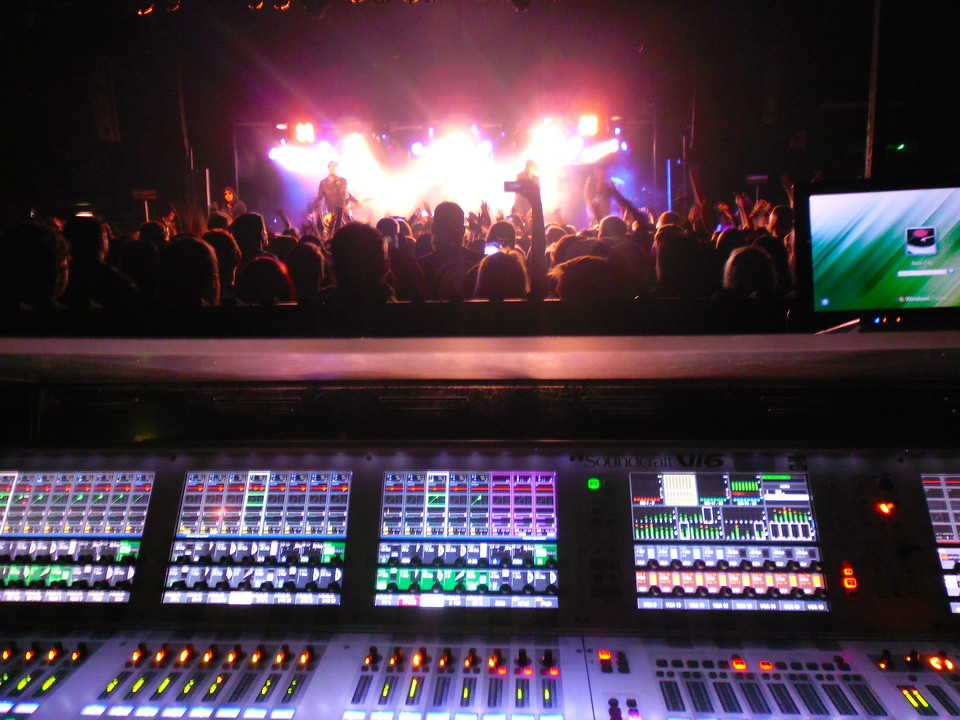
Most sound checks happen in a mostly empty venue. The people you will typically find inside include:
- The artist and band (or a portion of them)
- Front-of-house engineer (the person mixing what the audience hears)
- Monitor engineer (the person controlling what the band hears onstage)
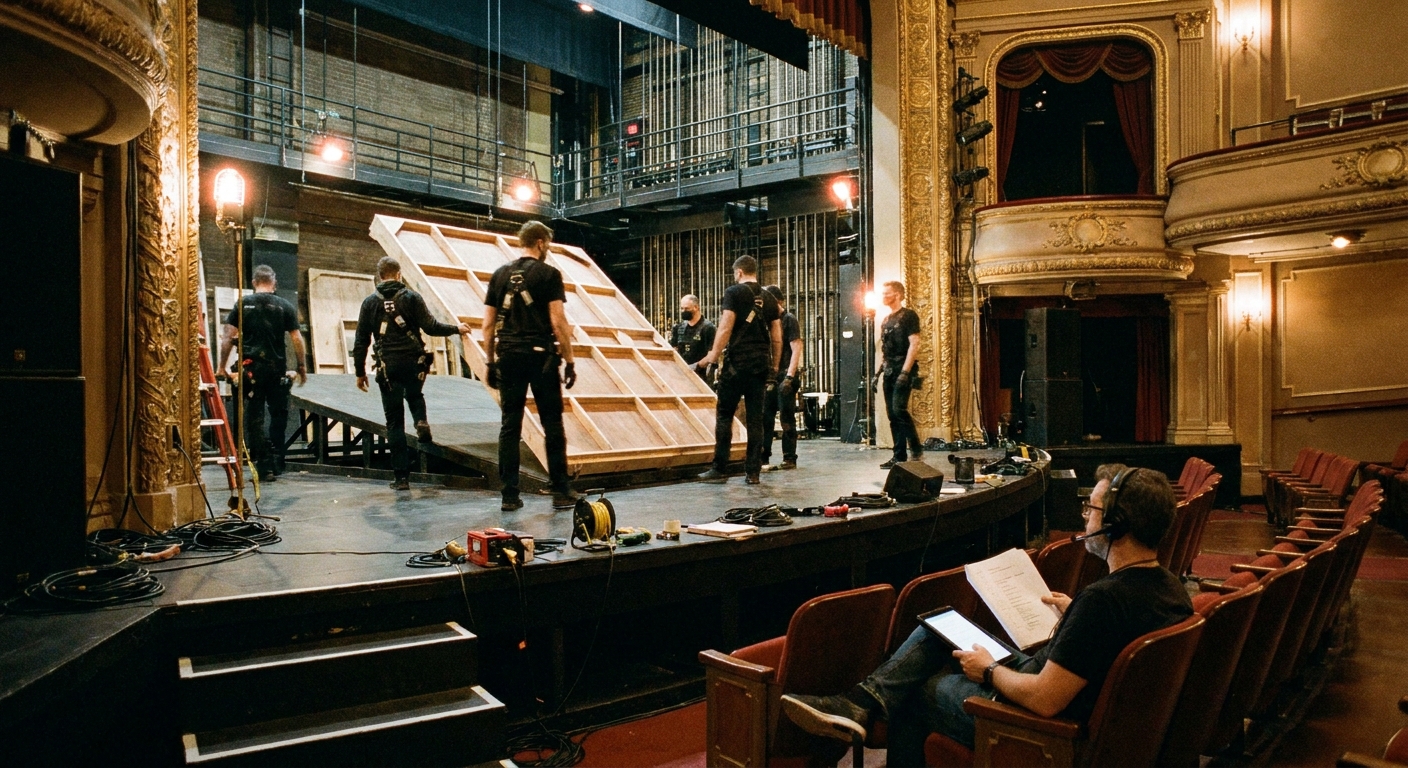
- Stage techs handling instruments, wireless systems, and quick fixes
- Lighting director and crew, sometimes running checks and timing
- Venue production staff coordinating schedules, safety, and stage logistics
Depending on the tour, you might also see tour management, a production manager, and security in place as the building transitions from setup to public entry.
When does sound check happen?
Sound check is usually done before doors open, often in the afternoon or early evening. The exact time varies because every show day has moving parts: load-in, staging, rigging, lighting focus, video setup, and the time it takes to get everyone settled.
Two timing details matter for fans:
- Sound check is not “doors.” Doors is when the venue starts letting ticket holders inside.
- Sound check is not “showtime.” Showtime is the advertised start of performances, often the opening act.
That is why you can arrive right at doors and still never hear a note of sound check. It likely already happened.
Do openers do sound check too?
Often, yes, but not always in the same way as the headliner. Support acts may get a shorter check, a quick line check, or a fast monitor tweak during changeover. On festival days, time can be so tight that everyone is basically doing a speed-run version of the process.
Can ticket holders watch a sound check?
Most of the time, no. Sound checks are typically closed because they are part technical, part private, and tightly scheduled.
But there are exceptions. Some tours sell VIP sound check packages or a similar pre-show experience, which may allow a limited number of fans into the venue early to watch part of sound check.
What a VIP sound check is like
It depends on the artist and venue, but it often includes:
- Early entry before general doors
- A short viewing period while the artist runs a few songs or partial songs
- Occasionally a Q&A or brief greeting
- Sometimes exclusive merch or a commemorative item
Even when fans are present, it is still a working session. You may hear stops and starts, repeated choruses, or the same drum pattern over and over while levels get dialed in.
If you are considering one of these packages, read the listing carefully so you know whether it is a true sound check viewing or a separate pre-show performance.
Sound check vs. opener vs. showtime
These three terms get mixed up all the time, so let’s keep them tidy.
Sound check
- Purpose: Technical setup and balancing for audio and monitoring
- Who is there: Artist, band, and production crew (sometimes crew only)
- When: Typically before doors open
- Is it the show: No
Opening act
- Purpose: The first performer(s) on the bill warming up the crowd
- Who is there: Support artist(s), then later the headliner
- When: After doors, usually at or shortly after the listed showtime
- Is it the show: Yes, it is part of the ticketed event
Advertised showtime
- What it means: When performances are scheduled to begin
- What it does not mean: It does not guarantee the headliner starts at that exact moment
In many venues, the posted showtime corresponds to the opener, not the headliner. The headliner’s start time can vary based on the number of openers, changeover needs, and curfews.
Why sound check matters (even if you never see it)
A great concert mix is part art, part engineering. Sound check is where the team:
- avoids feedback squeals and dead mics
- balances vocals so lyrics land
- makes sure drums and bass hit without swallowing everything else
- helps performers feel confident because they can hear what they need
It is also where the crew catches problems early. A crackly cable during sound check is a quick swap. A crackly cable during the first song is a headline in your group chat for the wrong reasons.
What you might hear if you arrive early
If you are near the venue during the afternoon or early evening, you may catch a few telltale sounds through the walls or open dock doors:
- a single kick drum thumping steadily
- a vocal mic with repeated “check one, check two”
- short bursts of a familiar chorus
- instruments one at a time, then all together
It can feel like a secret preview, but it is really the crew building the foundation for the night.
Quick FAQ
Is sound check the same as rehearsal?
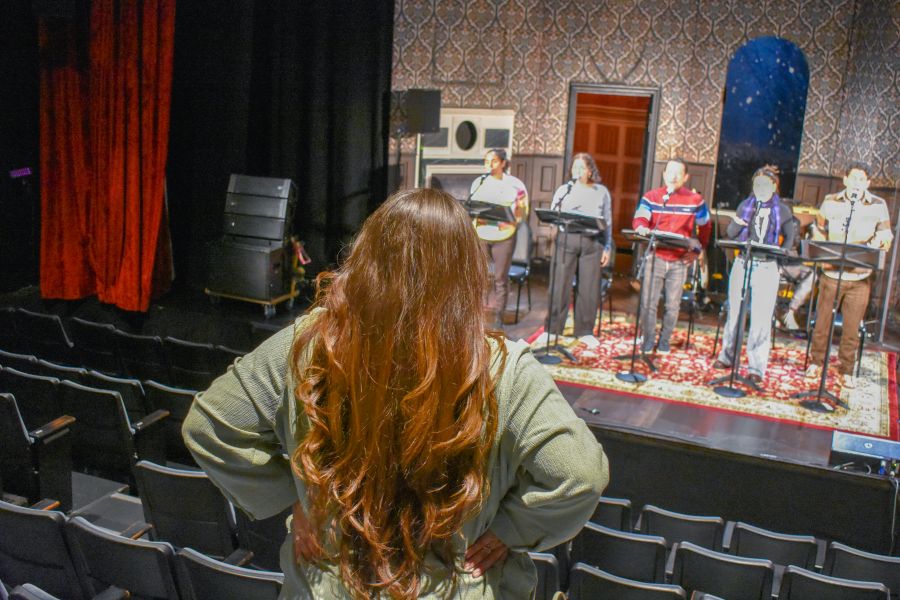
Not exactly. A rehearsal is about performance: arrangements, choreography, blocking, and full run-throughs. Sound check is mainly about audio and monitoring, though artists may use it to warm up or check a tricky transition.
Do bands always do a sound check?
Most tours do something along these lines, but not always in the same way. On tight schedules, an artist might only do a quick line check, or the crew might rely on settings from earlier dates and adjust as needed once the show starts. Festivals are the big exception, where changeovers can be so fast that a full sound check simply is not possible.
Why does the venue sound different once the crowd is inside?
People absorb sound. A room that is bright and echoey when empty can feel warmer and more controlled when filled with an audience. Engineers plan for that, but it is also why the mix can evolve slightly during the first song or two.
If I have VIP sound check access, where will I stand?
It varies by venue and tour, but it is often a designated area on the floor, sometimes near the front. Staff will guide VIP guests to the correct spot for safety and sightlines.
Does hearing sound check mean the show will start early?
No. Sound check is a separate part of the day. Doors and showtime still follow the public schedule.
One last note from the front row
Sound check is the quiet magic before the loud magic. It is the moment where a room full of cables and cases turns into a place that can hold a chorus together.
So if you ever catch those stray notes outside a venue, consider it a lucky little warm-up. The real curtain is still waiting to rise.