Lights down. Curtain up.
When a song lands in a film or series at exactly the right moment, it can feel like fate. Most of the time, it is planning. That planning has a name: the music supervisor.

The simple definition
A music supervisor is the person who finds music for a project, then clears, licenses, and places it so it can legally and creatively live in the final cut. They shape the music identity of a film or series, balancing story, taste, budget, schedule, and rights.
In practice, the job sits at the intersection of creative and business. One minute they are pitching songs to a director. The next they are negotiating with labels and publishers, confirming timing, duration, and how a track will be used on screen.
What they do day to day
Every project runs differently, but music supervision usually includes most of the beats below.
- Spotting and planning: Reading scripts and watching cuts to map where music should go and what it should accomplish.
- Song research and curation: Building options for each moment, often with multiple directions in case the first choice is unavailable or too expensive.
- Pitching to the director and producers: Presenting choices with context, sometimes with lyric callouts or scene-by-scene rationale.
- Budgeting: Estimating license costs early, then tracking spends across episodes, trailers, promos, and credits.
- Clearing rights: Finding the rightsholders and getting written permission for the intended use.
- Negotiating licenses: Securing terms, fees, and scope, then making sure the paperwork matches the cut.
- Coordinating deliverables: Getting the correct audio files, split stems when needed, and cue sheet info for post and accounting.
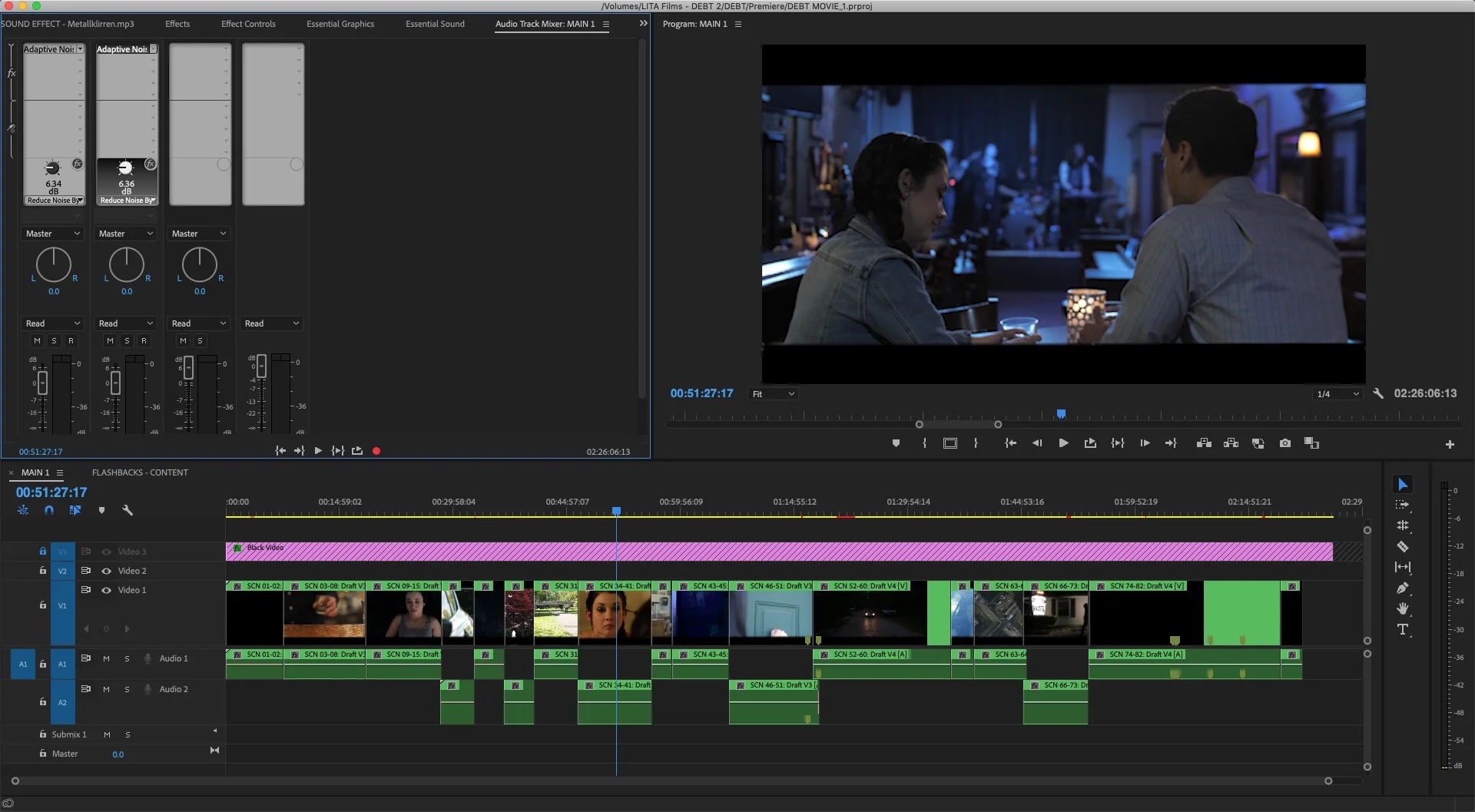
- Supporting post-production: Updating music choices as edits change and keeping the clearance status aligned with picture lock.
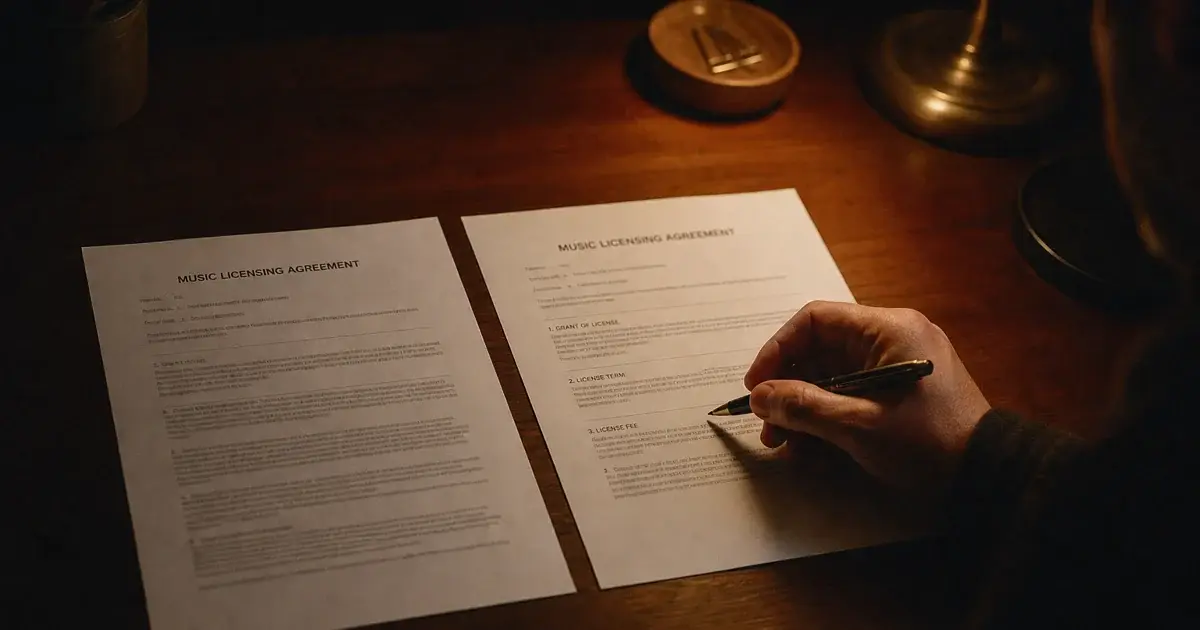
The core of the job: clearance and licensing
If you only remember one thing, make it this: music supervisors make songs usable.
Clearance: who has to say yes
Most commercially released songs have at least two major layers of rights:
- The master recording (usually owned or controlled by a record label, or the artist if independent).
- The composition or publishing (owned or controlled by a music publisher, often split among multiple songwriters and entities).
To use a recording as-is in a film or episode, you typically need permission for both. If either side declines, you cannot use that exact recording in that way.
And sometimes there are extra wrinkles. Depending on the project and the recording, you may also run into additional approvals or costs tied to things like performer agreements, re-use, unions, or even brand and trademark concerns in promos. Most of the time it is still the master and publishing that drive the yes or no, but the edge cases are real.
Licensing: what is being granted
Licenses are about specifics. A music supervisor works to lock down details such as:
- Media: streaming, broadcast, theatrical, physical media, airline, and more
- Territory: one country, a region, or worldwide
- Term: a fixed number of years or in perpetuity
- Use type: background, featured, main titles, end credits, trailer, promo
- Context: whether lyrics are audible, whether characters sing along, whether the song is altered
- Duration: how much of the track is used and the approximate timing within the scene
This is why an edit change can become a rights change. Here is a simple example: you license a song as background while two characters talk in a bar. Later, the edit tightens and the scene starts closer on their faces, the dialogue drops out, and the lyrics become clearly audible. Suddenly it plays like a featured moment. The fee can change. The approvals can change. Sometimes the answer can change.
Covers and re-records
If the master recording is out of reach, a common workaround is a cover or new recording. That can lower costs or simplify master-side clearance, especially if you commission and own the new master. But it does not erase publishing. You still need composition permission from the publisher and writers, because the song itself is still the song.
How music supervisors work with directors
Directors often have a musical north star for a project, even if they cannot name it yet. A music supervisor translates that taste into choices that fit the film and can be cleared.
That collaboration can look like:
- Early conversations about tone: references, eras, genres, and what the story should feel like musically
- Scene-specific intention: whether a moment needs irony, romance, menace, release, or silence
- Reality checks: if a dream song is out of budget or not licensable, proposing alternatives that preserve the feeling
- Consistency across episodes: in series, keeping the show’s musical identity coherent while still surprising the audience

How they work with composers
Music supervision is not only about existing songs. On many projects, it lives alongside an original score.
The composer creates new music tailored to picture. The music supervisor keeps the full music plan coherent, making sure songs and score share space cleanly, including:
- Defining boundaries: which scenes lean on score versus needle drops
- Avoiding clashes: making sure a big song moment does not step on a key thematic score cue
- Transitions: smoothing the handoff between song and score so the story feels continuous
- Source music needs: coordinating music that exists inside the world of the scene
A quick vocabulary note: source (also called diegetic) music is music the characters can hear, like a band on screen, a club track in the room, or a radio playing in the car. Score is the music the audience hears that the characters do not.
Depending on the project, a music supervisor may also help bring in source composers, specialty musicians, or vocalists for specific on-screen performances.
Music supervisor vs. on-set playback
These roles touch the same word, music, but they solve different problems.
Playback is about what you hear during the take
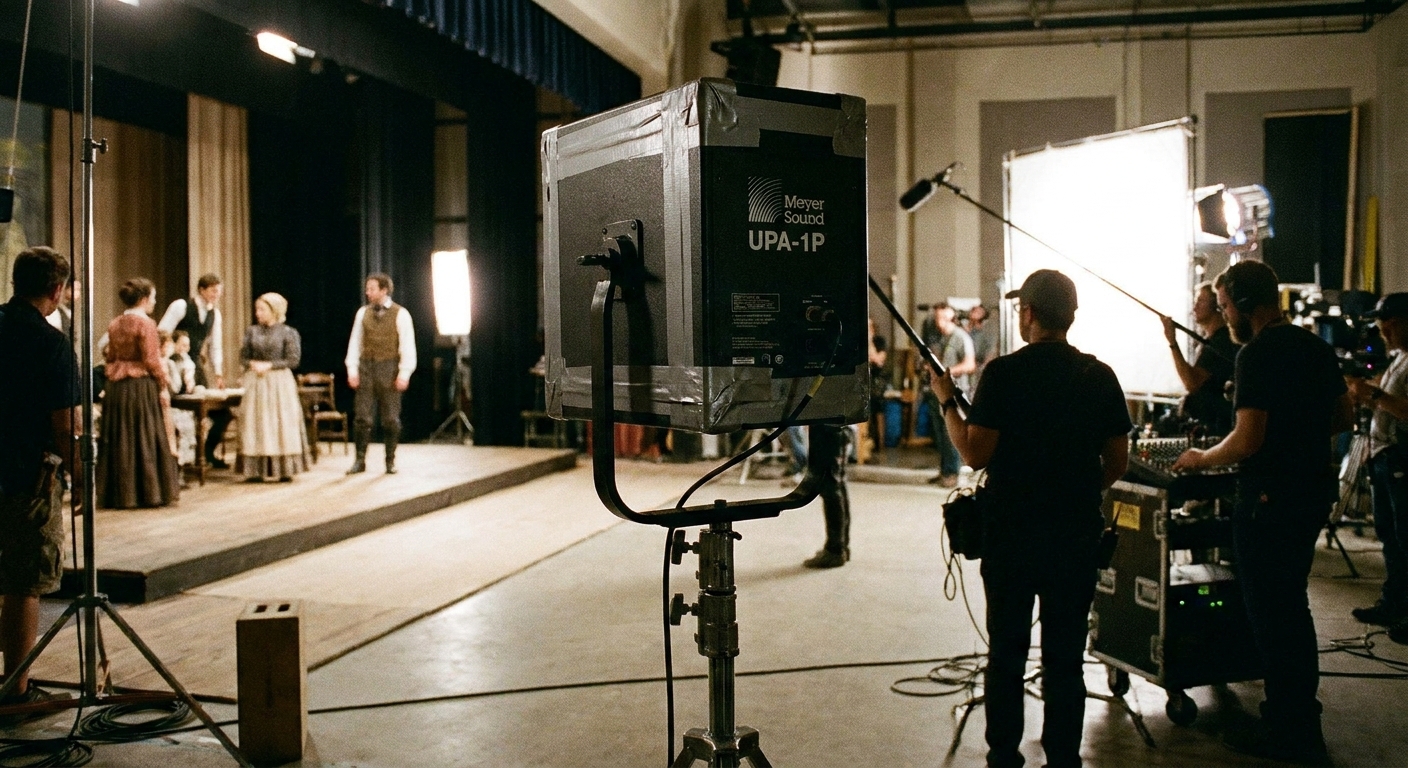
On-set playback refers to sound played on set while the camera rolls. Common examples include music for a dance scene, a concert performance, or a moment where actors need a steady tempo to match.
Playback is focused on timing, performance, and synchronization. It can involve a playback operator or sound team members coordinating speakers, click tracks, and clean audio feeds.
Music supervision is about what ends up in the final cut
A music supervisor may help choose the track that will be used for playback and may help ensure it can be cleared. But running playback on set is a different workflow from negotiating rights, building music budgets, and preparing cue sheets.
Music supervisor vs. ADR
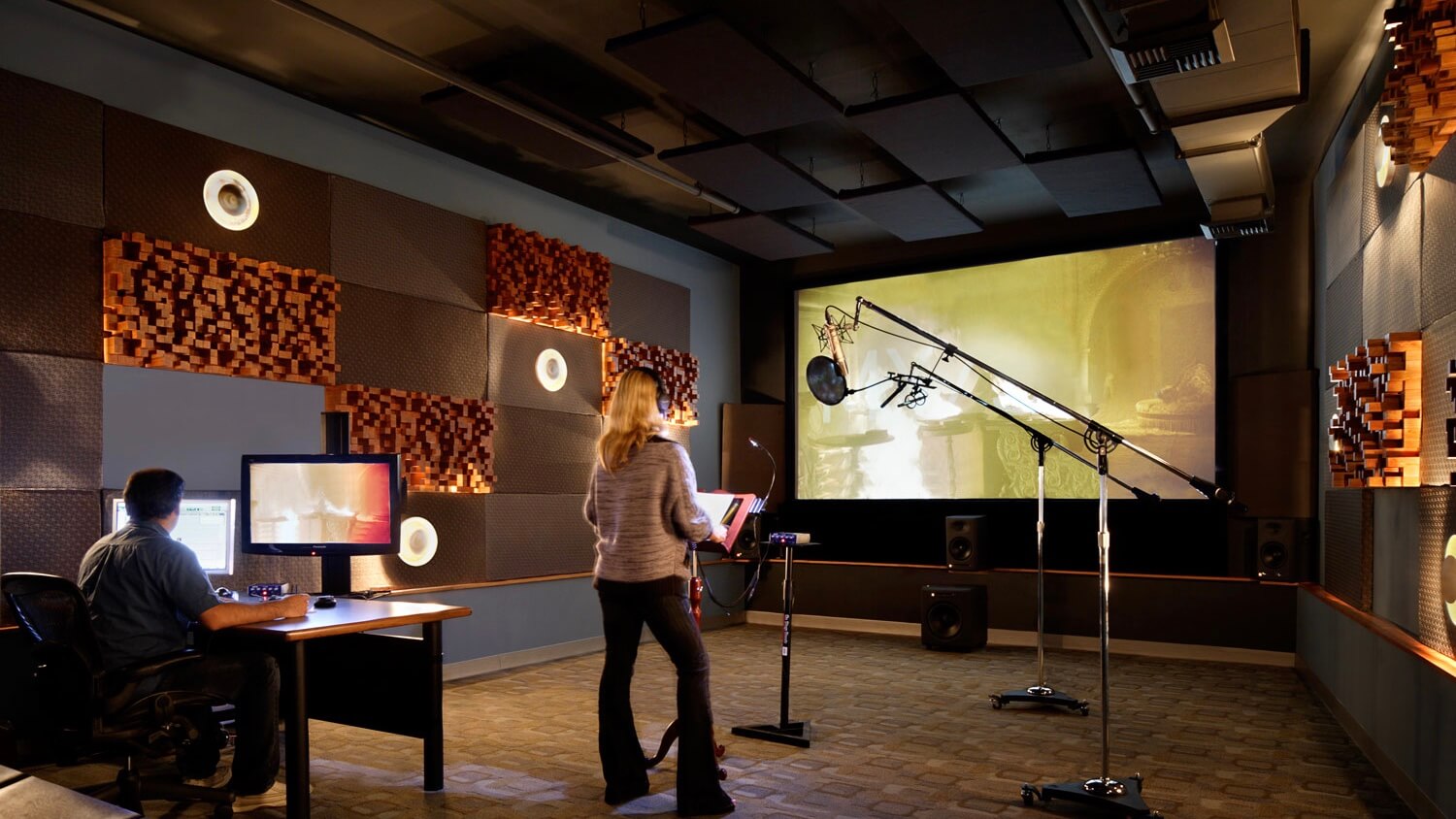
ADR is Automated Dialogue Replacement, also called Additional Dialogue Replacement. It is the process of re-recording dialogue after filming to improve clarity or adjust performance and story details.
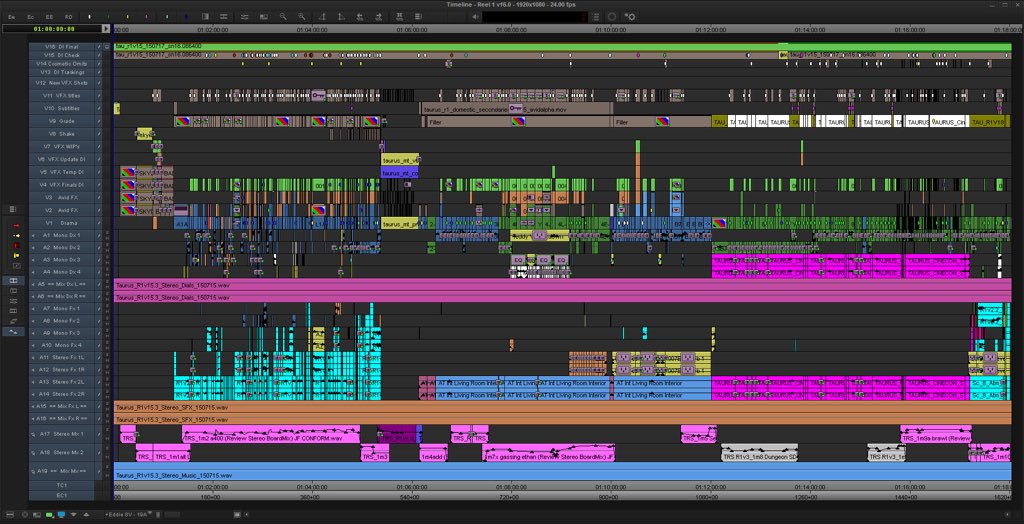
ADR lives in the dialogue lane, not the song lane. A music supervisor is generally not the person directing ADR sessions. Their work may intersect with ADR only in the sense that the final soundtrack is a puzzle. Dialogue, sound effects, score, and songs have to fit together without stepping on each other.
Common deliverables
Cue sheets
A cue sheet is a record of music used in a project. It lists things like the title, writers, publishers, timing, and how the music is used. Cue sheets matter because they are the backbone of reporting for performance royalties in many territories and mediums, but they are not a universal guarantee of payment in every situation.
Stems and alternate mixes
Post teams sometimes need stems or alternates, such as an instrumental, a clean version, or separate vocal and backing tracks. A music supervisor may help request or source these when they exist.
Needle drops
A “needle drop” is a pre-existing song placed into a scene. It is an old term from the record needle days, but the phrase is still used constantly in modern film and TV conversations.
Where the job fits
Pre-production
- Read scripts and meet with the creative team
- Build a music approach and budget
- Start early clearance conversations for must-have tracks
Production
- Support scenes that require source music or playback planning
- Keep clearances moving while the cut begins to take shape
Post-production
- Spot the cut and refine placements
- Finalize licenses and deliverables as edits lock
- Confirm cue sheet details and steer music through the final mix
Skills that matter
- Story instincts: knowing when music should speak and when it should get out of the way
- Deep listening: hearing lyrical meaning, cultural associations, and emotional temperature
- People skills: working with directors, editors, producers, labels, publishers, artists, and attorneys
- Organization: tracking rights, splits, versions, and approvals across many cues
- Calm under change: edits shift, budgets tighten, and clearances fall through. The plan still has to land
Quick FAQ
Do music supervisors pick the score?
Usually, they are most responsible for songs and source music planning, while the composer and director shape the score. The exact division depends on the production, but the roles commonly collaborate closely.
Can a music supervisor get any song they want?
No. Some rightsholders say no, some songs are too expensive, and some uses are more complicated than they look. A big part of the job is building strong alternatives that still serve the scene.
Is music supervision only for big-budget projects?
No. Indies and small series also rely on music supervision, even if the approach leans more on emerging artists, bespoke deals, library music, or original recordings to match the budget.
The takeaway
A music supervisor is the behind-the-scenes matchmaker who connects story to song, then does the detailed work to make that connection legal, affordable, and deliverable. They work shoulder to shoulder with directors and alongside composers, and their lane is distinct from on-set playback and ADR. When everything is done well, you do not notice the machinery. You just feel the moment land.