Lights down. Curtain up.
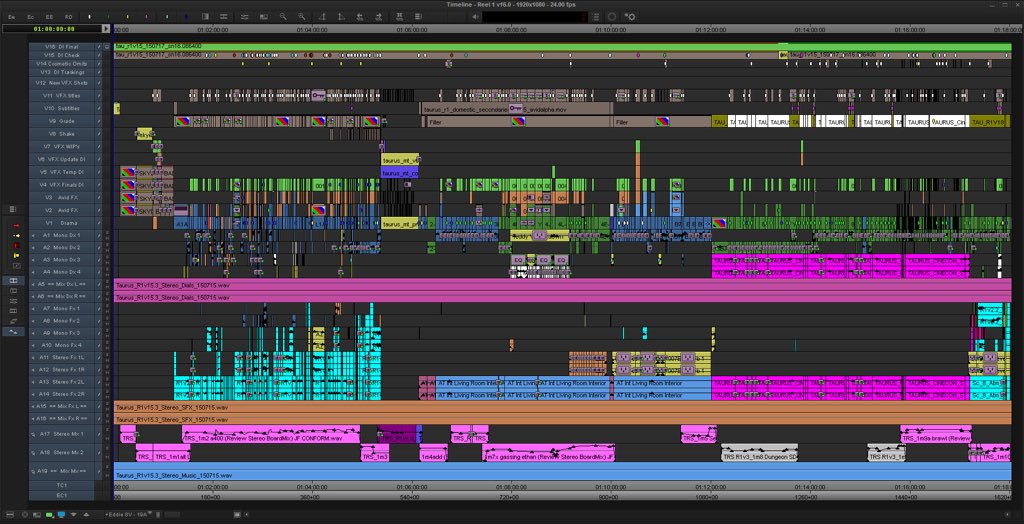
In film editing, the rough cut is the moment the story finally stands up and walks, even if it is still wearing mismatched shoes. It is an early full version of the movie assembled from chosen takes, laid out in scene order so the film can play beginning to end.
What a rough cut is
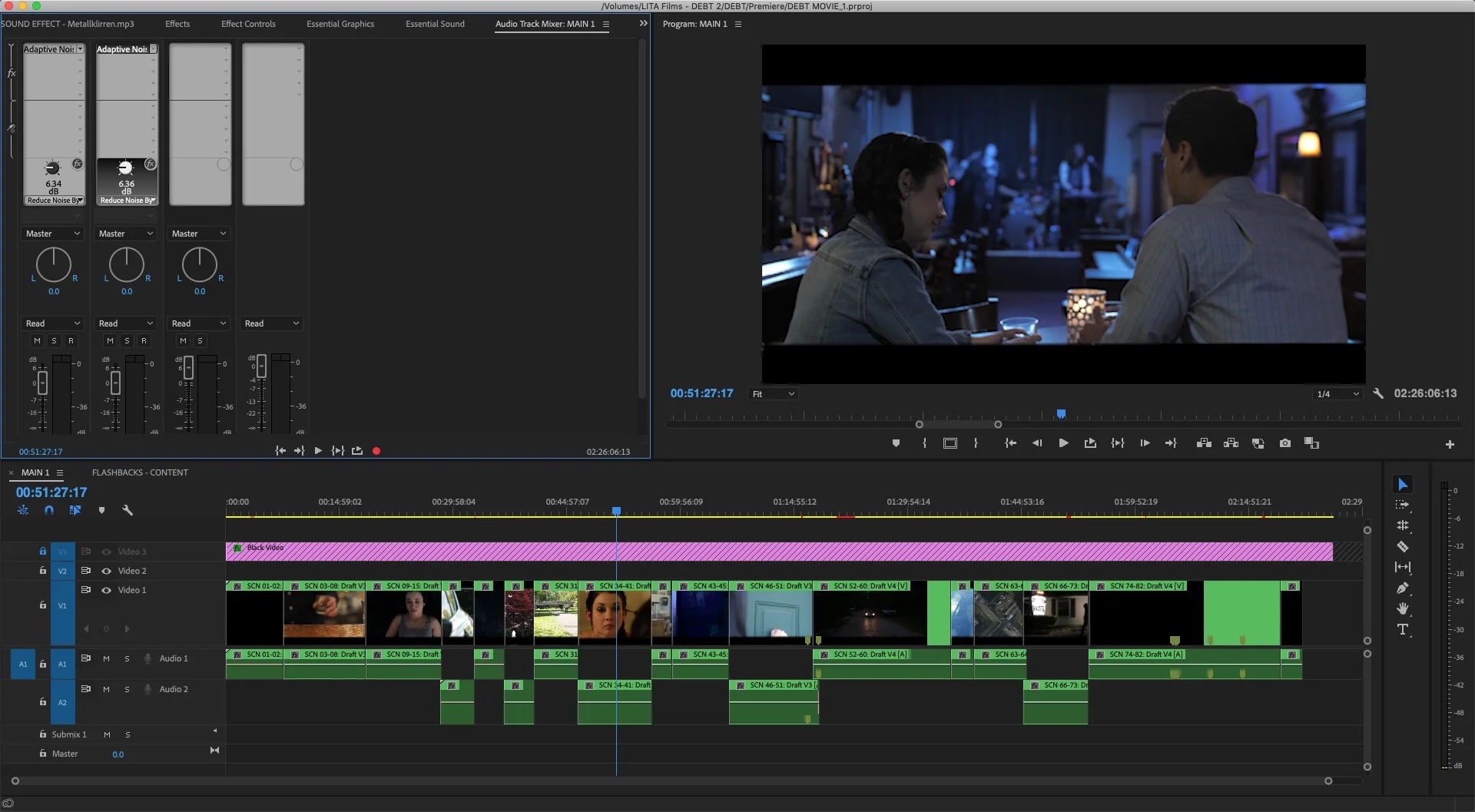
A rough cut is an early complete pass of the film built from selected shots and takes so the story can be evaluated as a whole. On some teams, the very first full pass is called an assembly cut, and the rough cut comes after a first round of tightening. Either way, the rough cut is where you can finally hit play and watch a start-to-finish version that resembles the movie in shape, if not in finish.
It is usually built from:
- Selected takes chosen from the footage the production has shot
- Production sound with quick temp cleanups as needed
- Basic pacing and structure so the story can be judged end to end
The key idea is completeness, not polish.
What is missing
Rough cuts often look and sound unfinished because many departments have not delivered final work yet. Depending on the project, a rough cut may be missing or relying on placeholders for:
- Dialogue editing and the final mix, meaning clean dialogue cuts, noise reduction, balancing, and overall mix decisions
- Music, which may be absent or replaced with temporary music (often called temp score)
- Sound design and Foley such as footsteps, cloth movement, impacts, and atmosphere
- Visual effects, which may be represented by slates or rough comps, for example a card that reads “VFX SHOT 23” or a quick placeholder composite
- Color correction and the final grade, since footage may still be flat or inconsistent
- Titles and graphics, including end credits, lower-thirds, or screen text
So if a rough cut feels jumpy, too long, or tonally odd, that is normal. At this stage, the purpose is to evaluate story clarity, performance, rhythm, and structure, not to judge the final look and sound.
Who watches a rough cut?
Who sees the rough cut depends on the scale of the project and the working style of the director and editor. Common viewers include:
- The editor, who shapes structure, timing, and scene transitions
- The director, who collaborates on story, tone, and performance choices
- Producers, who weigh story effectiveness, length, and practical concerns
- Studio or financiers, on some projects, for early feedback and planning
- Trusted creatives, sometimes invited for a small, private screening to spot confusion points
Rough cut screenings are usually about questions like: Do we understand what is happening? Do we care about these characters? Where does attention drift? Which scenes feel redundant? It is less about tiny continuity details and more about whether the film is landing emotionally and logically.
Rough cut vs. dailies
Dailies are the raw footage shot that day (or recently), viewed to check performances, coverage, focus, and whether the production is capturing what it needs. Dailies are about ingredients.
A rough cut is about the recipe. It takes selected moments from many shooting days and sequences them into a full narrative. If dailies answer “Did we get it?”, the rough cut starts asking “Does it work together?”
Rough cut vs. director’s cut
The rough cut is an early complete pass. The director’s cut is a later milestone shaped according to the director’s creative intentions after rounds of refinement and feedback.
In practice, the director’s cut is typically:
- More deliberate in pacing and performance selection
- More coherent in story beats and emotional emphasis
- Often further along in temp sound, temp music, and sometimes temp VFX, though what is included varies widely by project
In other words, many films go from rough cut to multiple improved versions, and one of those later milestones is the director’s cut.
Rough cut vs. fine cut
Between rough cut and lock, you may hear fine cut (or sometimes editor’s cut, depending on the workflow). This usually means the film has been tightened substantially: fewer redundancies, cleaner transitions, and more intentional rhythm. It can still be temp-heavy, but the storytelling choices are less exploratory and more committed.
Rough cut vs. picture lock
Picture lock is the point where editorial changes to the image are not expected: no more swapping takes, no major restructuring, and no routine trimming. In the real world, tiny adjustments can still happen, but they are treated as exceptions and tracked carefully so sound, VFX, and color can keep moving without surprises.
A rough cut is far from that. Shots may be replaced, scenes may be re-ordered or removed, and the runtime can change dramatically. Picture lock is a promise. The rough cut is a conversation.
Why it matters
The rough cut is where a film becomes readable as a whole. It reveals:
- Story problems that are invisible when watching scenes in isolation
- Pacing issues, like a slow middle or an ending that rushes past its emotional landing
- Missing coverage, where you suddenly need a reaction shot or a visual bridge
- Tone mismatches, when a scene plays funnier, darker, or flatter than intended
It also helps the team plan. Once the shape of the film is visible, decisions about reshoots, pickups, VFX priorities, and music direction get clearer.
And one more reality check: a rough cut’s “shape” varies by format. TV cuts tend to converge on structure faster because episodes have clear timing targets. Documentaries often do the opposite, iterating structure heavily as new meaning emerges from interviews, scenes, and archival finds.
Common terms
Assembly cut
An assembly cut is often earlier than a rough cut: everything is laid in, sometimes including longer scene runs, mainly to see what exists. Some teams use “rough cut” to mean this earliest pass, which is why the labels can get slippery.
Temp
Temp refers to temporary elements used for evaluation, like temp music, temp sound effects, temp color, or temp VFX.
Workprint
You may hear older-school filmmakers say workprint, meaning a version of the edit intended for work and review, not release.
Quick FAQ
Is a rough cut the same as a first cut?
Often, yes. Different teams use these terms differently, but both usually refer to an early full version that plays start to finish.
How long is a rough cut?
It can be close to the final length, but it is frequently longer because scenes have not been tightened and the team has not made the toughest trimming decisions yet.
Can a rough cut have music?
It can, but it is usually temporary music used to test tone and rhythm. Final scoring decisions typically come later.
Why do rough cuts look unfinished?
Because they are built to answer story questions first. Color grading, visual effects, and final sound mixing can completely change how a scene feels, and those steps often happen after the edit is much further along.