Lights down. Curtain up.
If you have ever hit play and found yourself immediately in the middle of a crisis, a joke, or a mystery before the theme song even thinks about starting, you have met the cold open. It is one of TV’s most reliable little tricks, and when it works, you are already leaning forward before the title card appears.
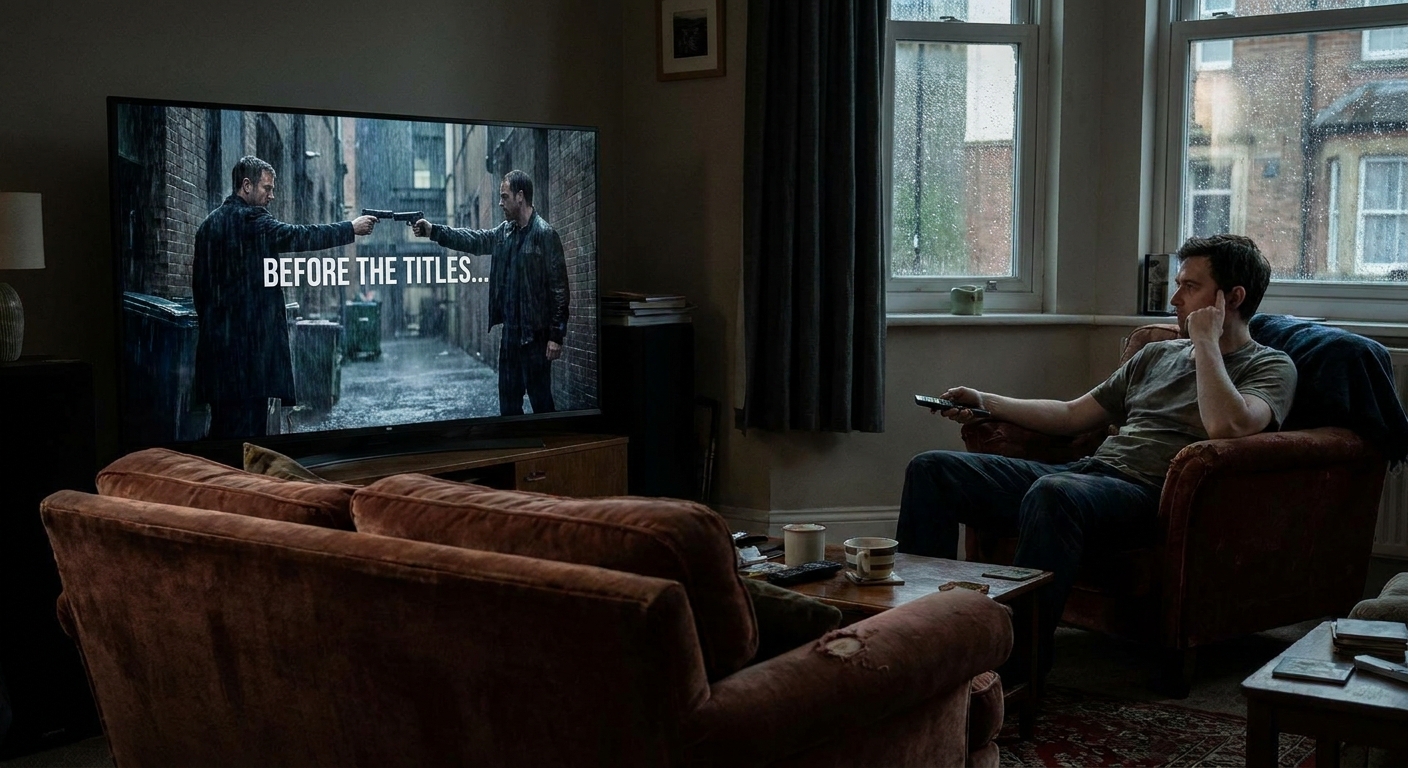
Cold open, defined
A cold open is a scene (or short sequence) that plays before a TV episode’s opening titles, theme music, or main title card. It drops you into the story without the usual on-ramp.
Not every series has full opening credits anymore. Many streamers use a quick title card instead of a long theme. The idea stays the same: the cold open is what happens before the show officially announces itself.
And while it feels tailor-made for modern bingeing, cold opens have been around for decades, long before streaming made the first minute feel like a make-or-break audition.
Why writers use a cold open
Cold opens are not just there to look cool. They are doing practical storytelling work, fast.
- To hook you immediately. A strong cold open creates a question you want answered: Who is in danger? What just happened? Why is this weird detail important?
- To set the tone. A show can signal its identity in seconds. Dark and tense, breezy and funny, heightened and surreal, grounded and intimate.
- To kick off the week’s plot. Procedurals love this. A crime is discovered, a patient collapses, a disaster begins. Then the titles hit and the team gets to work.
- To run a recurring gag. Sitcoms often use cold opens for a self-contained joke that may not connect to the main plot at all.
- To reset the room. In long-running series, the cold open can gently reintroduce the world and characters, especially after a hiatus.
There is a flip side, too. If the cold open is confusing, misleading, or wildly off-tone, it can feel like a false promise, the kind of opening that makes you think you started the wrong episode.
What it looks like
There is no single blueprint, but cold opens often fall into a few familiar shapes:
The inciting incident
Something happens that launches the episode’s main story. This is common in crime shows, medical dramas, and thrillers.
The teaser mystery
You get a striking image or puzzle with missing context. The titles hit, and then the episode rewinds or fills in the how and why.
The mini movie
A longer, high-production sequence that feels like a short film. Big genre shows sometimes use these for scale, like a pre-title battle or a sweeping prologue that widens the world before the main cast even appears.
The punchline
A compact comedic scene that ends on a button, then straight into the theme.
Well-known examples
Cold opens are everywhere, but a few have become part of TV’s shared vocabulary.
The Office (U.S.)
The series built an entire tradition around short, pre-credits comedic scenes, many of which barely touch the A-plot. The cold open becomes a stage for workplace chaos in miniature, and the theme arrives like the release of a laugh.
Breaking Bad
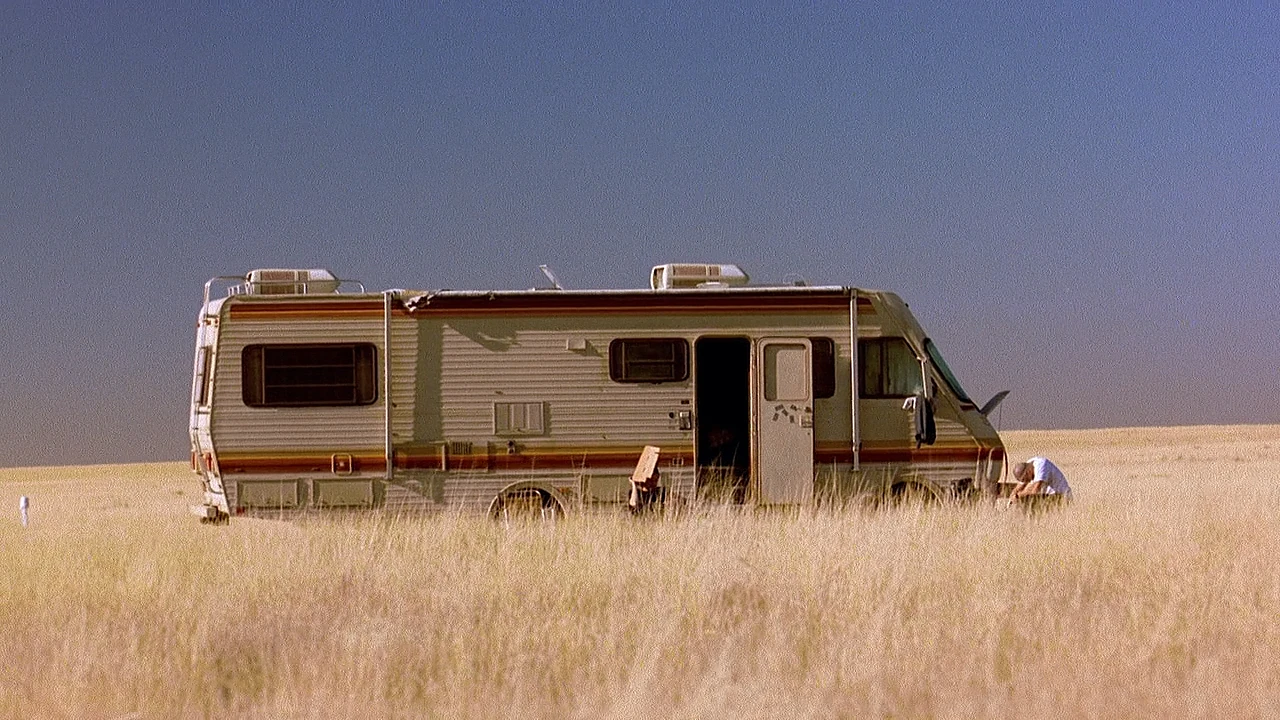
The show frequently uses cold opens to plant an image or event that will echo later in the episode or even across a season. You might start with an object, a flash-forward, or a quiet ritual that suddenly matters a lot.
Saturday Night Live
Not a scripted series in the usual sense, but it has one of the most famous cold opens on television: the sketch that begins the show and leads into “Live from New York, it’s Saturday Night.” The cold open is both the hook and the handshake.
Once you know to look for it, you start noticing how much craft is packed into those first moments.

Similar terms
Some screen terms sound similar, but they describe different tools. Here is how to tell them apart.
Cold open vs. bottle episode
A bottle episode is an episode designed to take place in limited locations with a smaller scope, often focusing on character interaction rather than big set pieces. It is about where and how the episode is produced and structured.
A cold open is about when a scene appears in the episode, meaning before the opening titles. A bottle episode can have a cold open, and a cold open can lead into an episode that is anything but a bottle.
Cold open vs. tag
A tag (sometimes called a “tag scene” or “button”) is a short scene after the main story wraps. In sitcoms, it is often one last joke. In dramas, it might be a small sting that hints at what comes next.
So the simplest distinction is placement: cold open goes before the titles, while a tag goes at the end.
Cold open vs. post-credits scene
A post-credits scene is a scene that plays during or after the credits. It is common in films as a final joke or a tease for what comes next.
TV does its own version, too, including quick end-credit stingers or short scenes that play over the credits. Either way, it is the opposite end of the timeline from a cold open, which is the story’s opening move.
Do all shows use them?
No. Some series prefer to start with their title sequence as a kind of overture. Others open with a quiet scene that flows directly into the credits rather than punching for a big hook.
But in a world where many viewers decide quickly whether to keep watching, cold opens remain popular because they are a clean way to earn attention without asking for it.
Quick FAQ
Is a cold open the same as a teaser?
Often, yes. In TV writing and production, the pre-title section is commonly called the teaser.
That said, people do not always use the terms perfectly. Some teams use “teaser” for any pre-title material, even if it flows in from a previous episode, includes recap-like setup, or is not especially “cold.”
How long is a cold open?
It depends on the format. Sitcom cold opens can be very short. Hour-long dramas may run longer, especially in episodes built around a major event or reveal.
Can a cold open be unrelated to the main plot?
Absolutely. Comedy series do this all the time for a quick laugh. Some dramas also use a thematic cold open, meaning it connects emotionally or symbolically rather than literally.
Do films have cold opens too?
They can. Many movies use a pre-title sequence that works the same way, dropping you into action or intrigue before the main title appears.
Where does it go in the script?
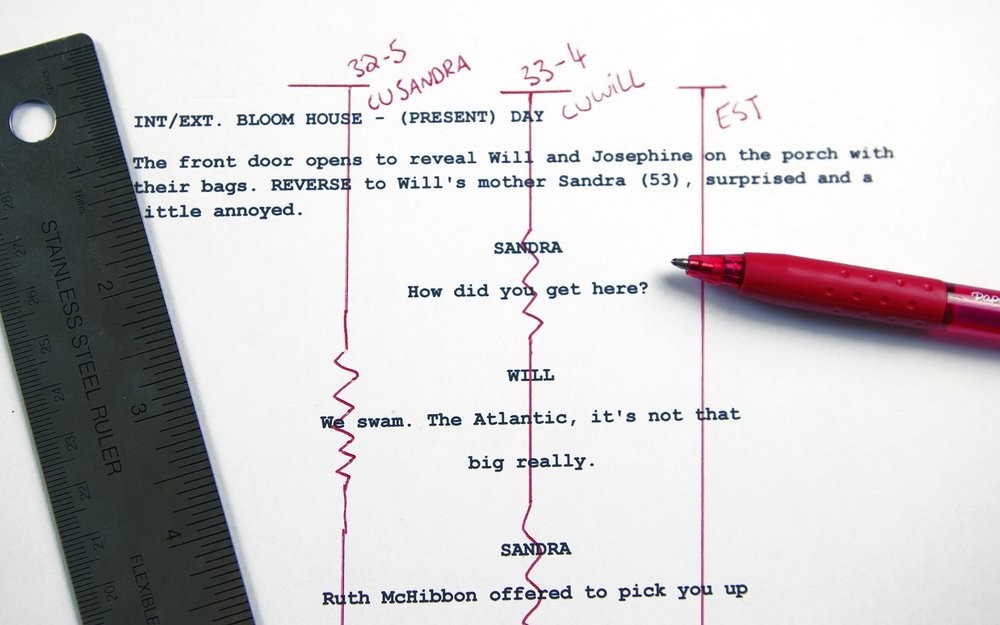
In an act-structured TV script, the cold open is usually the teaser that comes before Act One, right up to the title sequence or title card.