Lights down. Curtain up.
In post-production, few phrases can make a room sit up straighter than picture lock. It sounds final, and mostly is. But like any “final” in filmmaking, it comes with footnotes. Here’s what picture lock actually means, why it matters to every department downstream, and how it’s different from a rough cut or a director’s cut.
Picture lock, defined
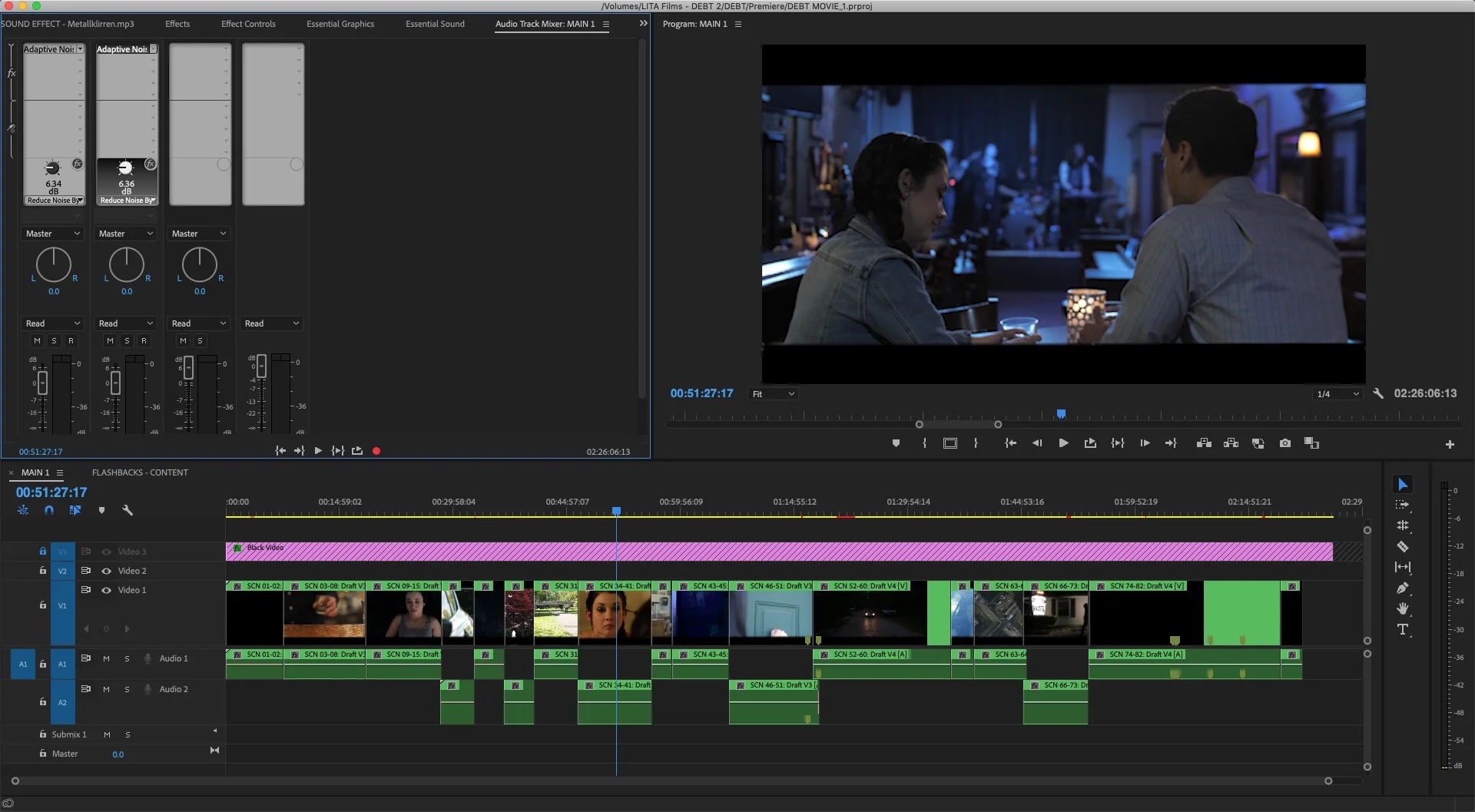
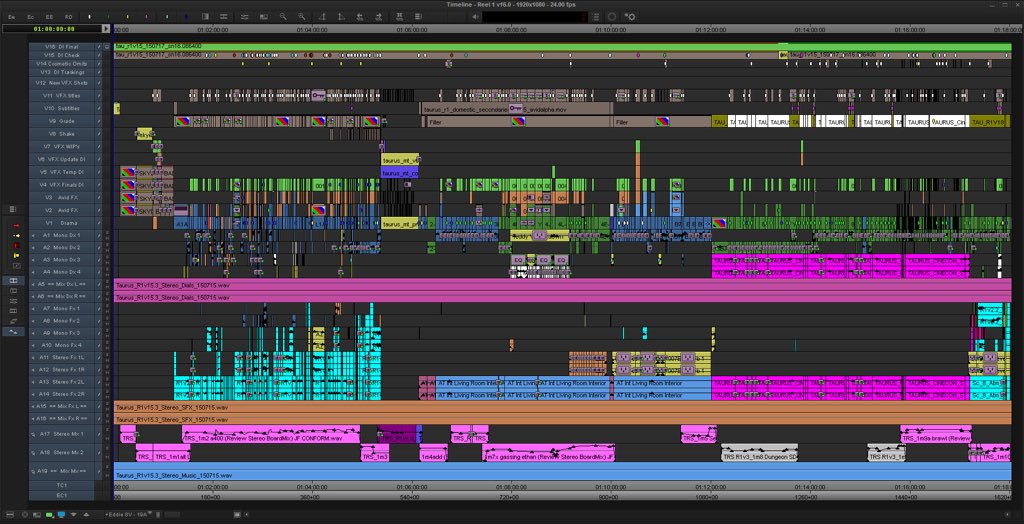
Picture lock is the moment in post-production when the edit of the picture is considered frozen. That means the sequence’s shots, their order, and their timing are locked in place so other departments can finish their work with confidence.
Once a project is picture-locked, teams like:
- Sound (dialogue editing, ADR, Foley, sound design, mixing)
- Music (scoring, recording, music editing, final stems)
- VFX (final composites, cleanups, simulations, shots delivered at final length)
- Color (final grade and deliverables)
can stop aiming at a moving target.
Why picture lock matters
Editing is not just choosing shots. It is time. And time is the ruler everyone else uses.
If you add even a couple frames to a shot after picture lock, you can trigger a chain reaction:
- A sound effect no longer lands on the right moment.
- A line of dialogue overlaps differently, creating a new problem to repair.
- A music cue hits late, forcing a re-edit of the score.
- A VFX shot that was approved at 62 frames is now 78 frames, and the vendor has to redo work, re-render, and re-budget because many deliveries are planned frame by frame.
- A color grade done on one version no longer matches the updated cut.
People treat picture lock like a handshake between departments. It is the production saying, “This is the map. Now build the roads.”
What is locked
In an ideal world, picture lock means the entire edit is settled:
- Shot selection
- Shot order
- Trim points (exact frame timing)
- Scene length and sequence length
- Transitions and speed changes
In other words: the picture should not change.
But “locked” often means “locked enough to proceed,” especially on tight schedules. Many productions treat picture lock as a milestone rather than a magical force field.
One more real-world nuance: VFX and sound work often starts before lock. Picture lock is simply the point where those teams can stop bracing for constant timing shifts and focus on finishing and versioning against stable durations.
What can change after
Even after picture lock, certain things can still move, as long as they do not change the cut’s timing, or they are handled with full coordination across departments.
Common changes that still happen
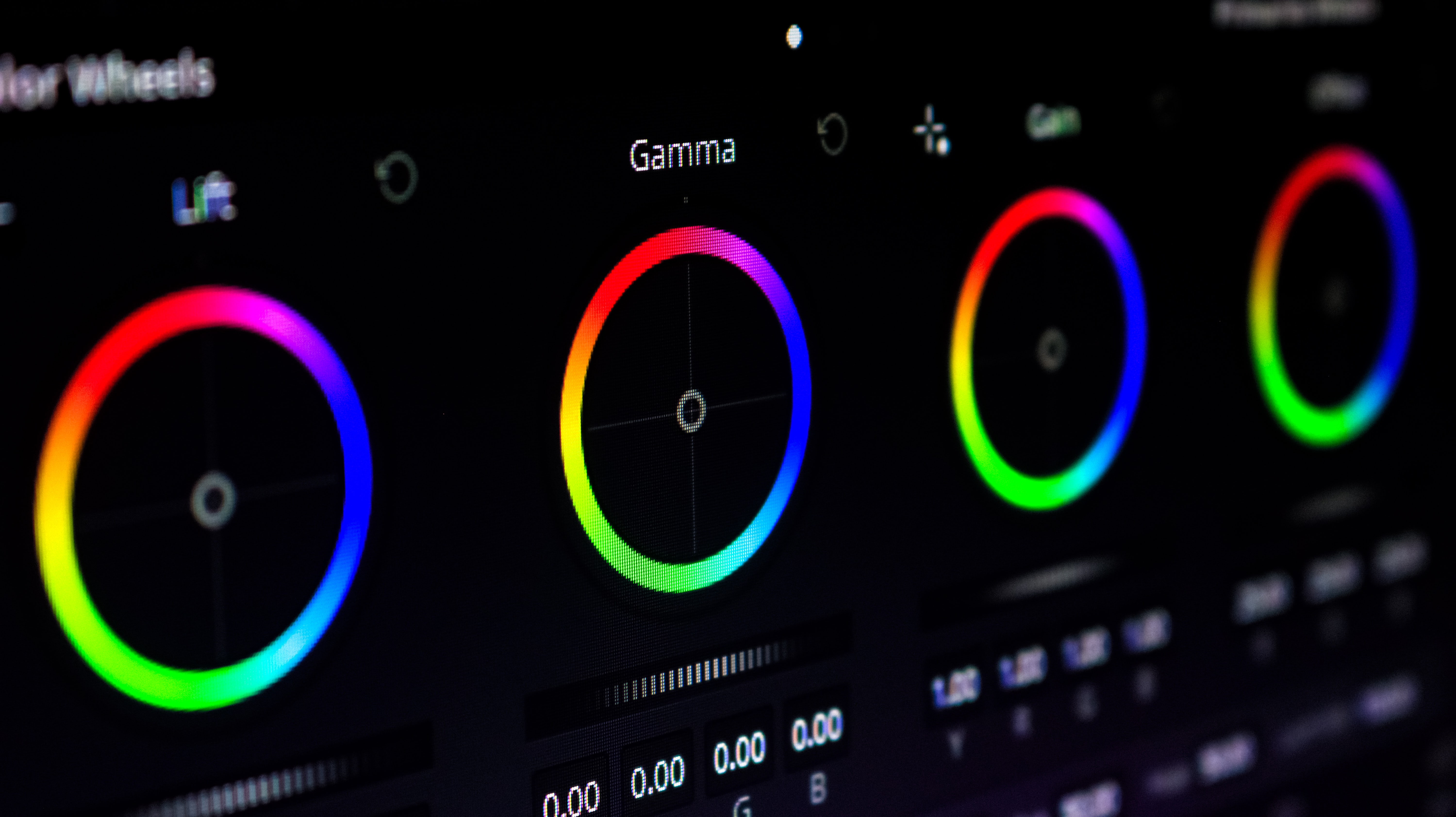
- Color correction and finishing: The images can change in look without changing in length.
- VFX replacements: Temp VFX shots can be swapped for finals if they match the locked durations (same in and out points).
- Titles and textless elements: Main titles, lower-thirds, and end credits can be updated, again without rippling timing changes through the show.
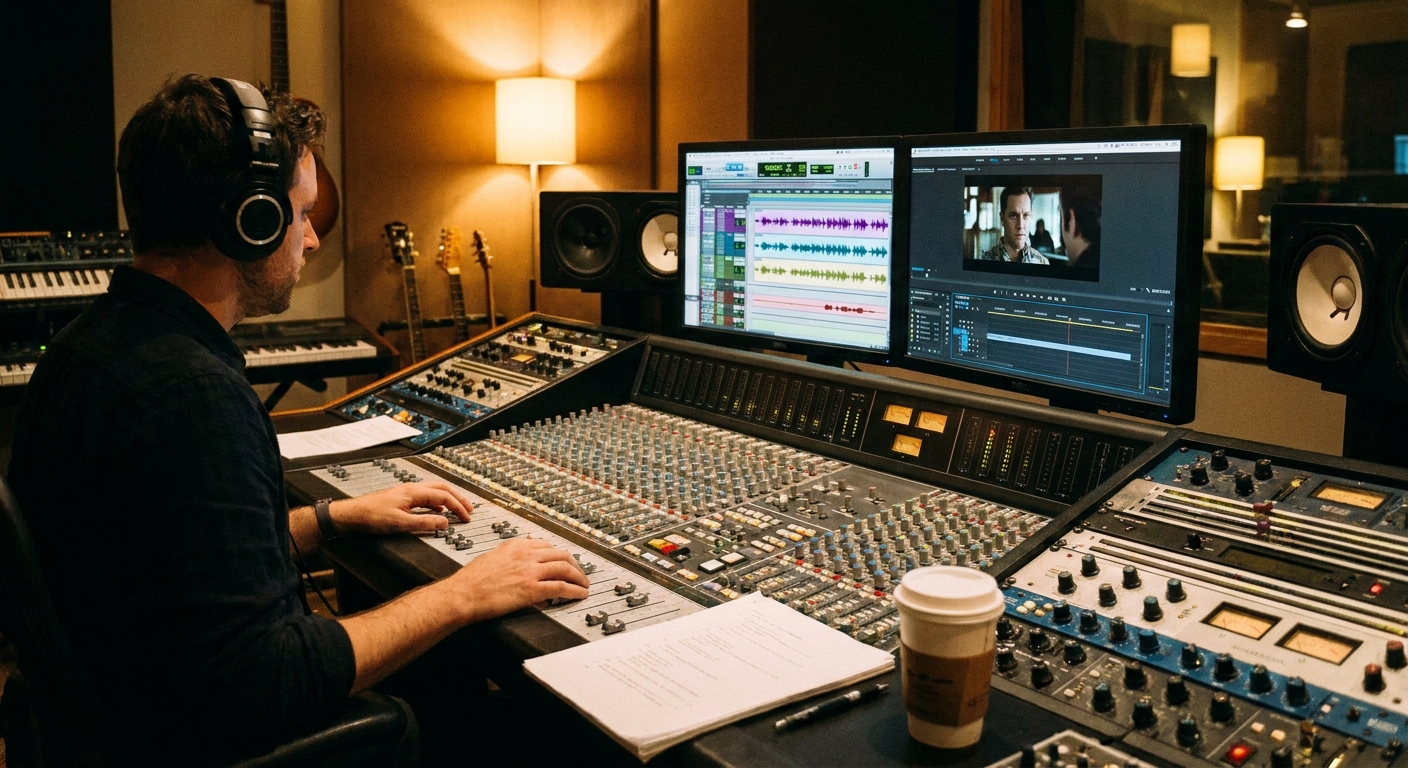
- Sound and music changes: This is the whole point of locking. Sound and music evolve dramatically after picture lock, but they are built to the locked cut’s timecode.
- Minor visual fixes: Wire removals, paint-outs, stabilizing a shot, cleanup. As long as the shot’s length stays the same.
Handles are the footnote
You will also hear people talk about handles, which are extra frames added before and after a shot for technical work.
- For VFX, handles give artists room for tracking, motion blur, and transitions. You can be “locked” editorially and still deliver plates with extra frames on either side.
- For sound, editorial might export with pre-roll or tail room for smoother fades and transitions.
Handles support finishing without changing the actual edit timing. That is the key distinction.
Changes that are possible, but painful
Some changes happen after lock, but they are the kind that prompt a lot of emails:
- Swapping shots (even if the scene length stays identical)
- Trimming or extending a shot by frames
- Reordering scenes
- Adding a new scene
When this happens, you might hear terms like break picture lock or unlock. It usually means the production is accepting extra time and cost to update sound, music, VFX, and color to match the new cut.
What gets delivered at lock
Picture lock is not just a feeling. It comes with practical exports and references that let other departments conform accurately.
What a “picture lock package” often includes:
- Reference video: A review file with burn-ins like timecode, version number, and sometimes source clip names.
- Timecode decisions: A consistent start timecode and reel naming so everyone is talking about the same frames.
- Sound turnover: Typically an AAF or OMF plus a guide mix and any key notes.
- Conform data: Often an XML or EDL for online finishing and reconform.
- VFX pulls: Shot list, frame ranges, and handles requirements so vendors can deliver to the locked durations.
The exact list varies by show, budget, and pipeline, but the goal is always the same: one shared reference everyone can trust.
Picture lock vs. rough cut
A rough cut is an earlier stage where the film or episode is taking shape, but the edit is still open to major changes. It is often focused on structure, story, and performance choices rather than polish.
In a rough cut, you can expect:
- Scenes being moved around or removed
- Big timing adjustments
- Temp music and temp sound
- Temp VFX or placeholder shots
- Unfinished titles and credits
Picture lock comes later, when those big structural decisions are largely settled and the project is ready to be finished by other departments.
Picture lock vs. director’s cut
A director’s cut is a version of the project that reflects the director’s preferred edit, typically created before final release versions are locked and delivered. How formal it is varies by workflow, and it can mean different things in features versus television.
Here’s the key difference:
- Director’s cut is about creative preference.
- Picture lock is about production readiness and workflow.
A director’s cut can become the picture-locked cut, but it does not have to. Sometimes the cut evolves through feedback screenings, producer notes, or network and studio notes before it reaches lock.
How it shows up in post
Picture lock is often surrounded by other practical terms that help teams stay synced:
- Locked cut: Another way of saying picture-locked version.
- Temp lock or soft lock: A “mostly locked” cut that may still change slightly.
- Version numbers: For example, v12 is the locked cut, then changes force v13.
- Change list: A breakdown of what changed between versions so sound, VFX, and color can update efficiently, sometimes supported by turnover files like EDL, AAF, or XML plus clear notes.
What it means for viewers
If you are watching a trailer or an early festival screener and someone says, “We’re not locked yet,” they usually mean the edit timing may still change and finishing is still underway. Picture lock is the point where the project stops being rewritten with scissors and starts becoming a final experience through sound, music, VFX, and color.
It is also why some early cuts can feel oddly quiet or unfinished. Before lock, a lot of the polish is temporary. After lock, the craft teams get the stable timing they need to bring the world fully to life.
Quick FAQ
Does picture lock mean the film is finished?
No. Picture lock means the edit timing is frozen. The project still needs finishing work like sound mix, score, VFX finals, and color grade.
Can you change audio after picture lock?
Yes. Audio work is expected to change and improve after picture lock. That is one of the main reasons you lock the picture in the first place.
Can you change VFX after picture lock?
Yes, and in many pipelines VFX is already in progress before lock. After lock, the common move is replacing temp VFX with final VFX at the same shot duration, sometimes with approved handles. Extending or shortening VFX shots after lock can get expensive fast.
Is picture lock the same as final cut?
Not exactly. Picture lock is a production milestone. “Final cut” is a broader idea that can mean the final approved version, and in some contexts it refers to who has creative control over that final approved version.