Lights down. Curtain up.
If you have ever watched a movie musical, a nightclub scene, or a concert sequence and wondered, “Are they really hearing that song right now?” the answer is often yes, but not in the way you hear it in the finished film. That on-set sound is usually playback, and it is one of those behind-the-camera tricks that makes performances look effortless.
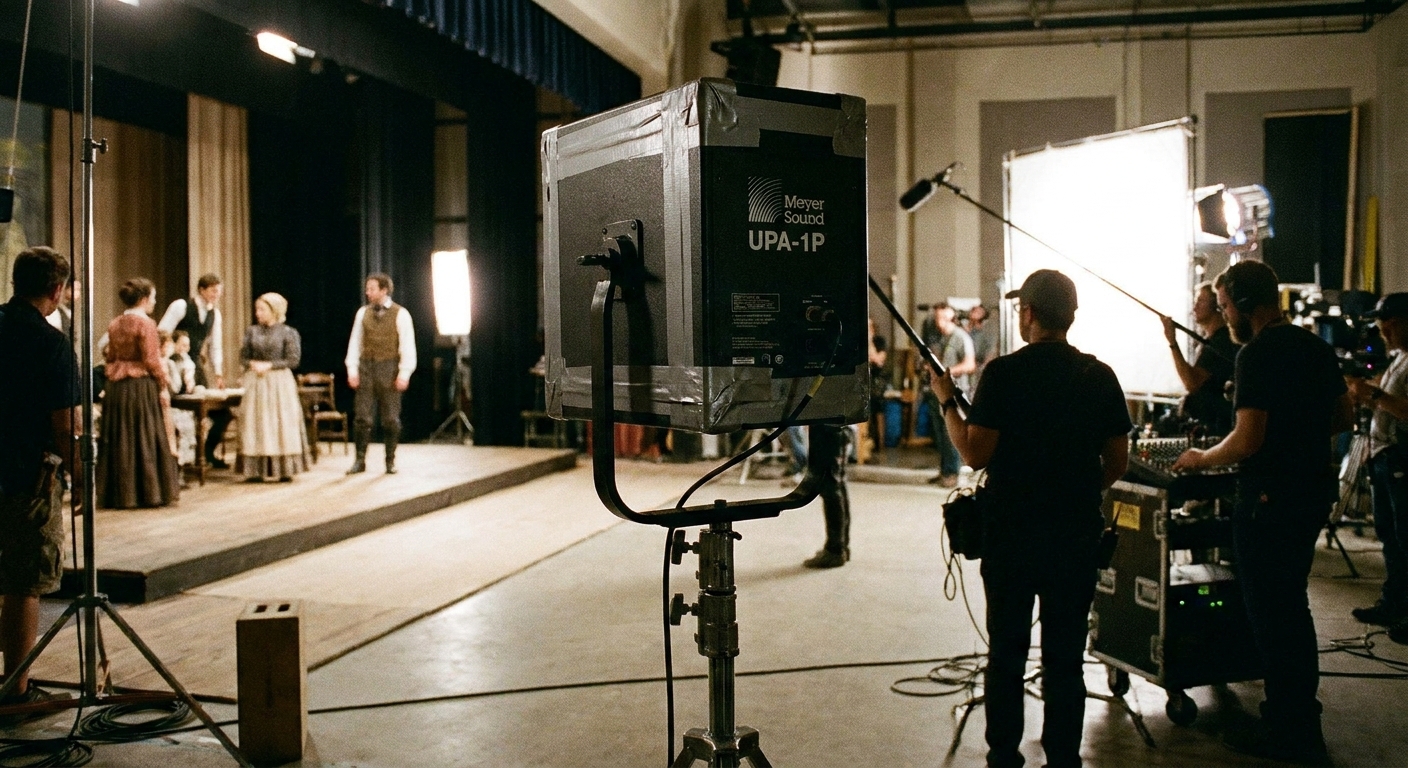
Playback, defined
Playback on a film set is pre-recorded audio that is played during a take so performers can move, sing, speak, or react in perfect time. The audio might be:
- A music track for dancing, marching, or a party scene
- A pre-recorded vocal (the actor’s voice, a singer’s voice, or a blended track) for lip-sync performances
- Pre-recorded dialogue used in specific situations, like timing to an off-screen line, a phone call, a PA announcement, a foreign-language cue, or matching previously recorded material
- Rhythm cues like a click track or count-in to keep choreography tight
The key idea: playback is there to help the moment happen in sync while the camera is rolling.
Why productions use playback
Film sets are full of things microphones do not love: camera noise, footsteps, fans, crowds, traffic, and dozens of crew members trying not to breathe too loudly. If a scene requires exact musical timing, complicated choreography, or a believable lip-sync, playback makes that possible.
It keeps everyone on the same beat
When dancers hit a move on the same drum fill, or a crowd jumps on the chorus together, it reads as real. Playback makes timing consistent from take to take, which matters for continuity and editing.
It gives actors something real to perform to
A performance changes when a performer can hear the tempo, phrasing, and emotional shape of a track. Even when the final audio will be polished later, playback helps the acting land on the day.
It supports camera choreography
Complex shots are often timed to music beats: a whip pan on the downbeat, a push-in on a lyric, a cut on a cymbal crash. Playback lets the camera team and performers “dance” together.
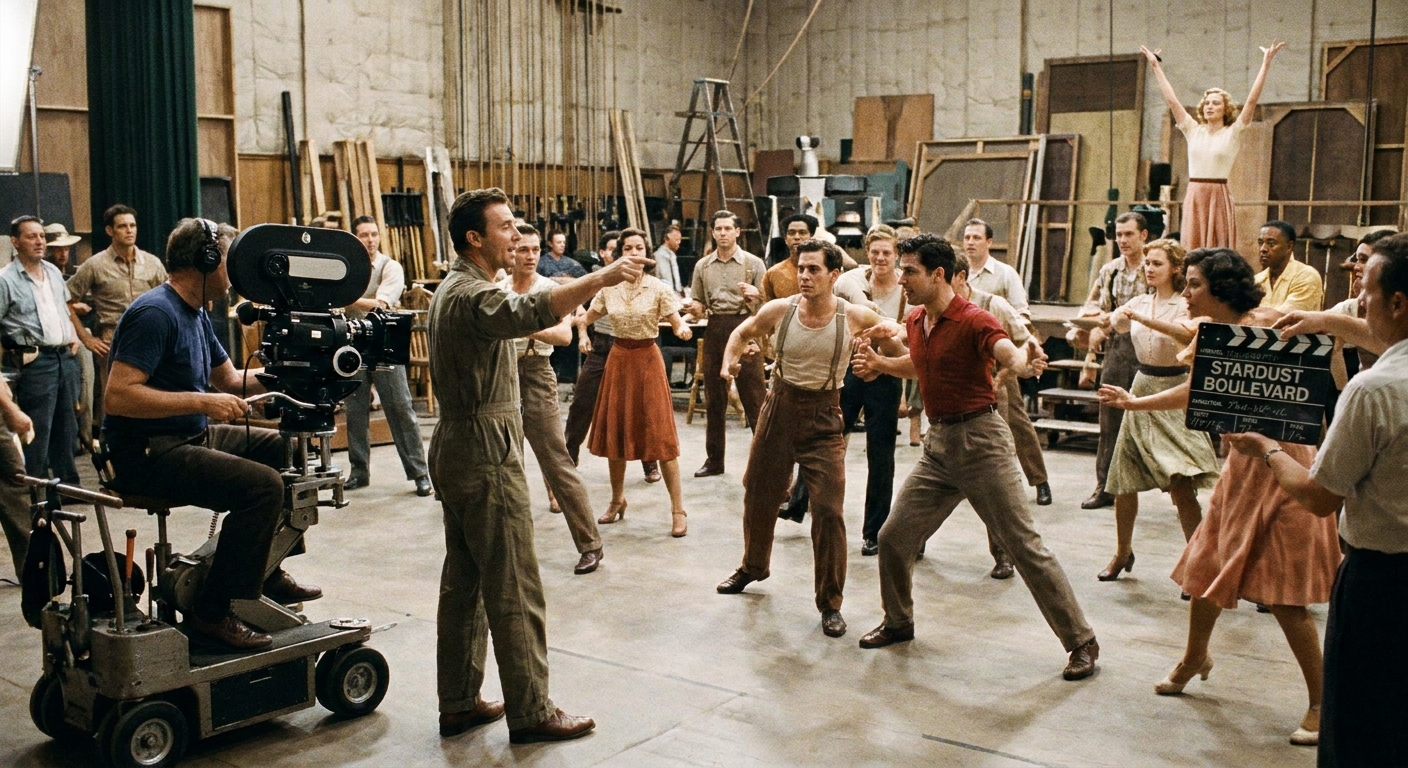
What playback sounds like on set
Playback is not always blasted like a concert. It might come from hidden speakers, a portable system near the action, or a feed routed so only certain people hear it clearly.
Depending on the scene, playback could be:
- Full-volume music for a dance floor, parade, or concert scene
- Low-volume guide playback so performers can stay in time without overwhelming any live dialogue the director wants to capture
- Short bursts like a count-in, then silence while the action continues
- Diegetic-style playback that sounds like it is coming from a radio, club speakers, or a car stereo
Sometimes departments also use an “earwig” style approach for a performer, but the core idea is the same: the performance is being synced to a known audio reference.
Why the set goes quiet
Here is the part that can surprise newcomers, especially background actors: even if music is playing, the set may still be treated like it is on a “quiet set.”
That is because the production might be recording any combination of:
- Production dialogue from principal actors (when the setup allows)
- Guide audio for editorial sync and reference
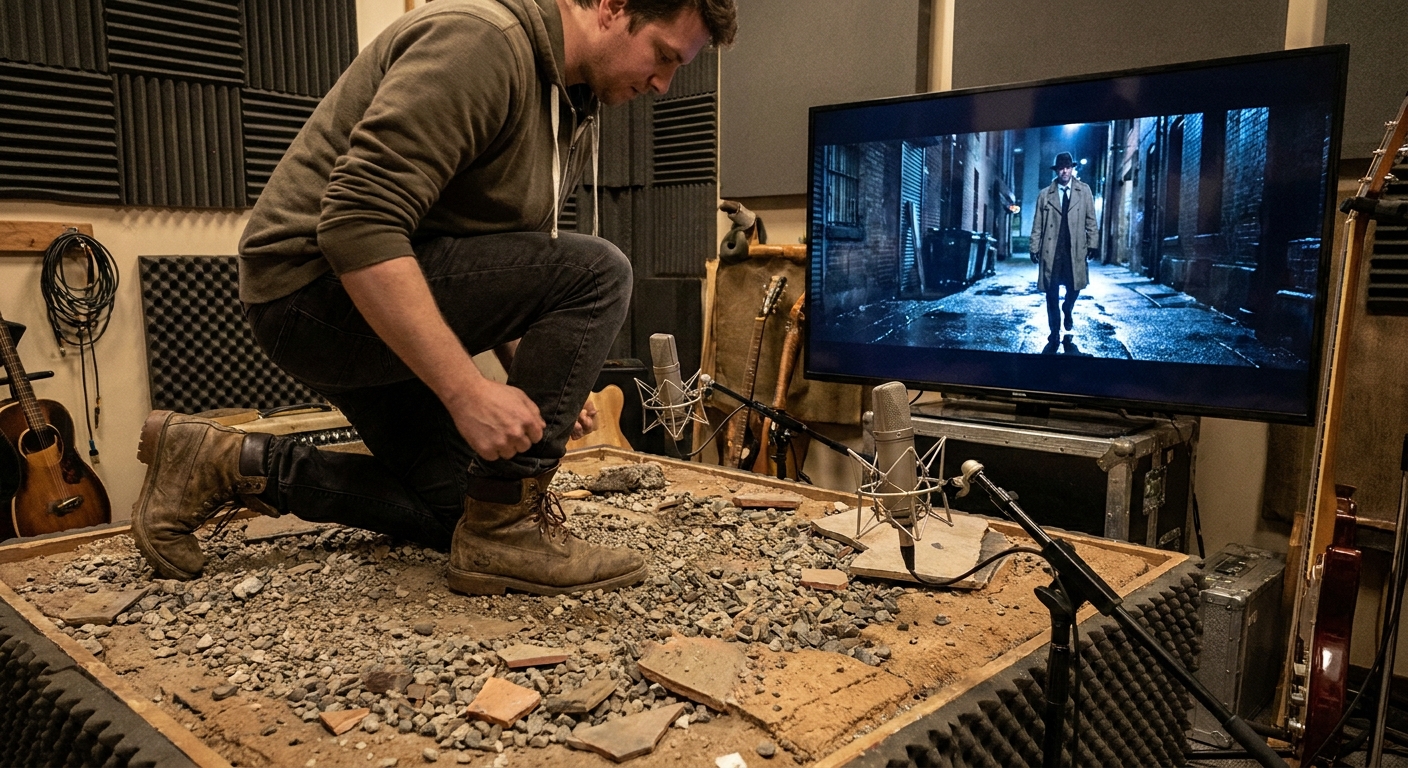
- Usable production effects when they happen to be clean, plus plenty of reference sound that will be rebuilt or enhanced later with foley, wild tracks, and sound design
And even when the music itself will not be used from that take, uncontrolled noise can make it harder for the sound team to do their job and harder for the director to judge performances.
So yes, you may be in a packed “party scene” while everyone is whisper-quiet between “Action” and “Cut.” Movie magic is polite like that.
Who runs playback
Playback is usually managed by a dedicated playback operator or a member of the sound team, sometimes in coordination with the music department on musicals. On the floor, the assistant director team typically calls the roll and helps cue the moment, but the playback crew is the one triggering the track and keeping the right version ready for every take.
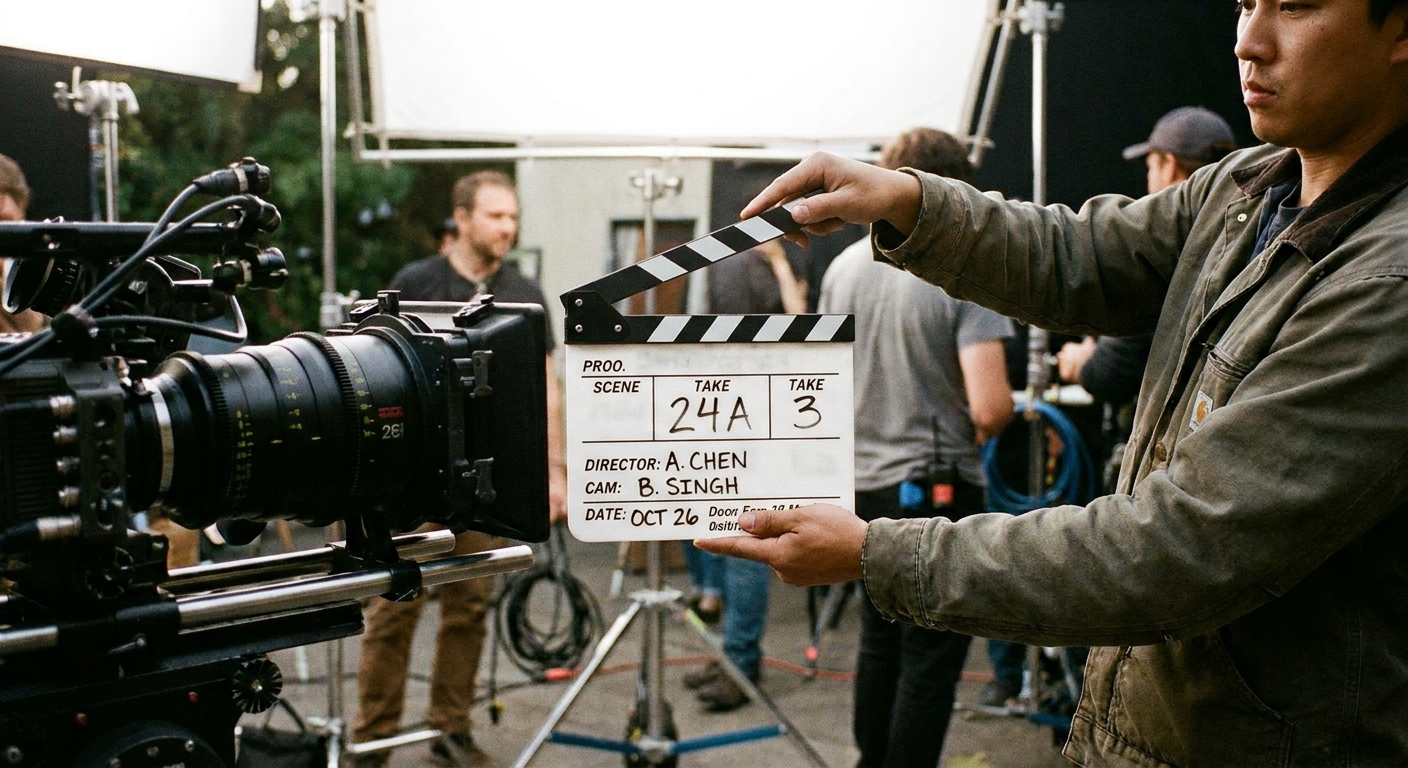
To keep things lined up, productions may use the slate, audible count-ins, and increasingly timecode tools such as sync boxes that help audio and camera stay in lockstep. The goal is simple: when the editor drops in the “real” track later, the picture already knows exactly where the beat lives.
What background actors do
If you are working as background in a scene with playback, your job is typically about selling the illusion while staying out of the way of camera and sound.
During music playback
- Dance without making big noise: keep feet light, avoid stomping, and watch jewelry that clinks
- “Silent singing”: mouth lyrics or cheer without actually shouting, unless the assistant director says otherwise
- Keep reactions in time: jump on the chorus, clap on the beat, sway together when the track changes
- Maintain continuity: do the same general movement pattern each take so edits match
- Watch eyelines: do not stare at camera, do not look at the playback speaker, and keep focus where the scene lives
During dialogue playback
- Mime conversation in the background so principal dialogue stays clean
- React on a cue if the scene needs a crowd response timed to a line
- Hold positions so the camera can repeat marks and the editor can cut between angles
If you are ever unsure, ask quietly between takes. The assistant director team and background PA would always rather answer one quick question than reset a whole shot.
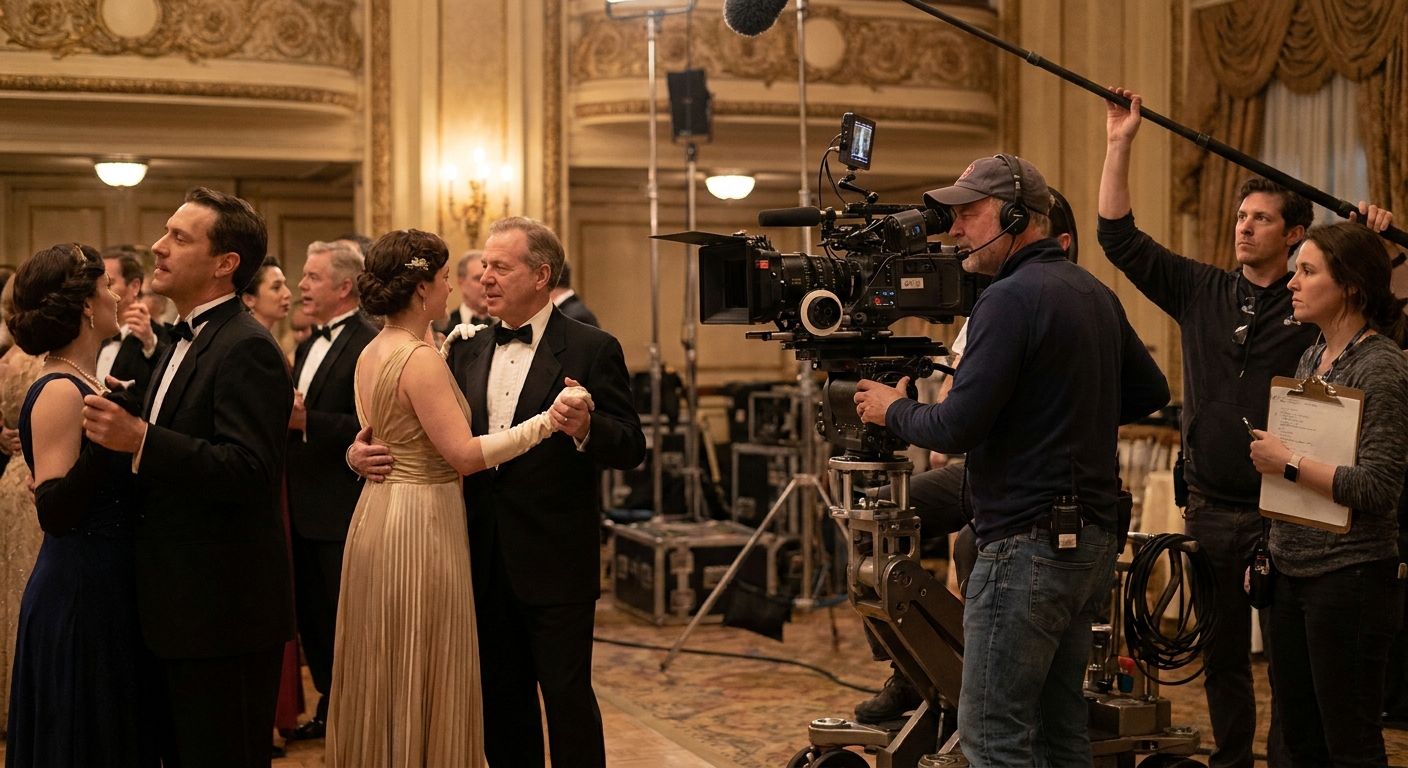
Playback vs ADR
Playback and ADR both involve recorded audio, but they happen at different times and for different reasons.
Playback happens during filming
Playback is played on set during the take so performers can synchronize movement, lip-sync, or reactions. It is a performance tool and a timing tool.
ADR happens after filming
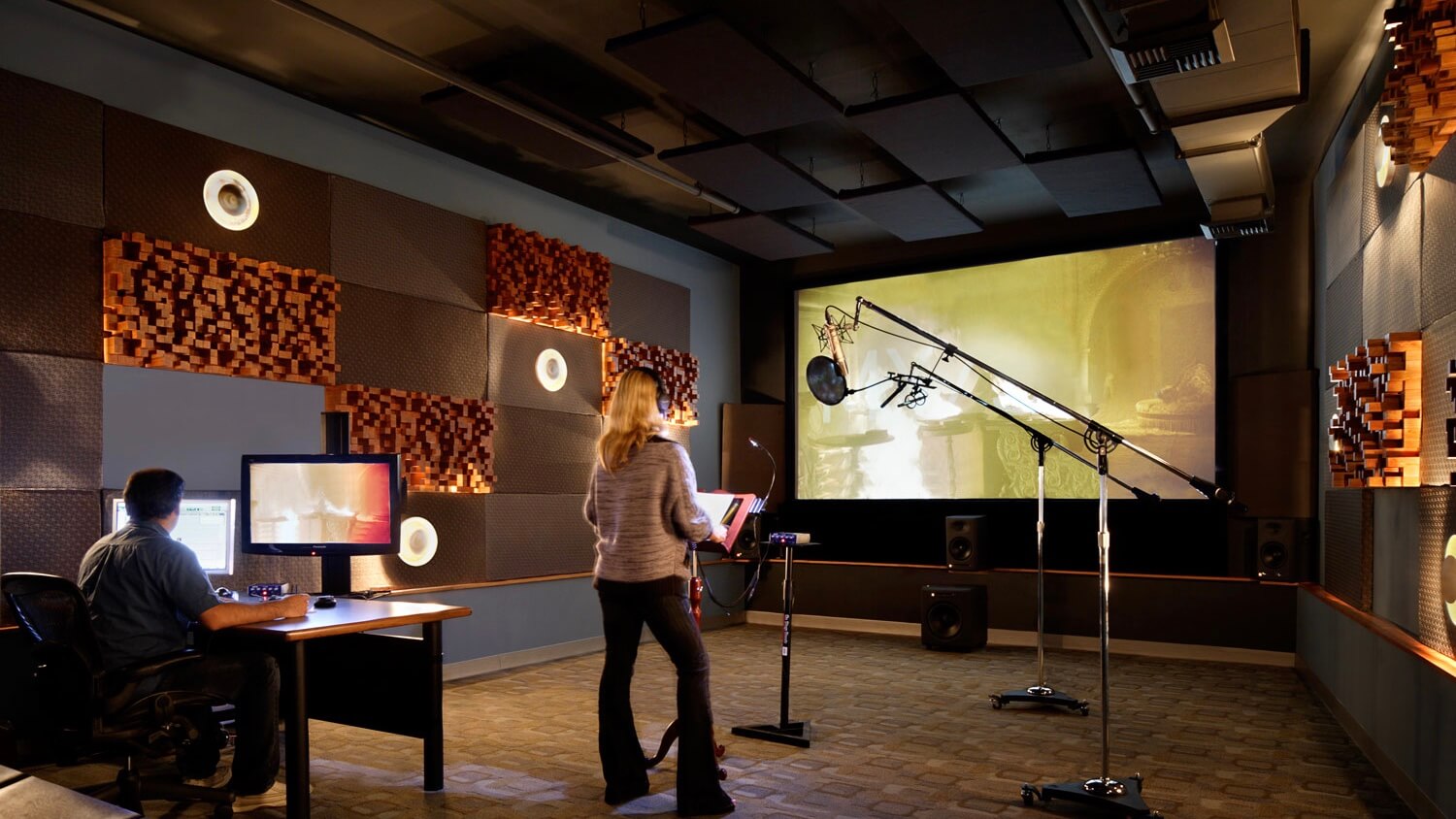
ADR is when dialogue is re-recorded later in a studio and matched to the actor’s mouth movements. You will hear it expanded as Automated Dialogue Replacement and also as Additional Dialogue Replacement. Either way, the idea is the same: it is a post-production fix or upgrade when on-set dialogue is noisy, unclear, or needs story tweaks.
A simple way to remember it:
- Playback: audio you hear while the scene is being shot
- ADR: audio recorded after the shoot to replace or refine dialogue
Does playback end up in the movie?
Sometimes yes, often no.
- For music numbers: the final mix is usually the mastered track, not what was played through speakers on set.
- For live-feeling performances: a production might blend in some on-set elements if they captured something special, but it depends on the scene and the audio quality.
- For crowd scenes: the sound you hear in the finished film is frequently built later from multiple layers, even if playback was used to guide energy and timing on the day.
Playback’s superpower is not being “final.” It is being consistent and precise while the cameras capture the visuals.
Quick etiquette
If you are new to set life, playback days come with a few extra rhythms.
- Do not talk during a take, even if music is loud and it feels like you can get away with it.
- Follow the count-in if you hear one. That is your map.
- Avoid noisy props unless they are meant to be noisy. Glassware, heels, bangles, and purses can become surprise percussion.
- Hold until cut. Music may stop and start for camera, but your continuity should not drift.
Playback FAQ
Is playback the same as lip-syncing?
Lip-syncing is one use of playback. Playback is the broader term for any pre-recorded audio played during a take, whether performers are singing along, dancing to it, or reacting to it.
Why not just add the music later?
You can, and productions do. But without playback, performers might drift off tempo, choreography can lose precision, and reactions can vary from take to take. Playback helps the visuals lock to the rhythm the editor will use later.
Can the sound mixer record clean dialogue if music is playing?
Sometimes, but often the music is there for timing and the production will not rely on that take’s dialogue. If the scene needs usable spoken dialogue, playback might be quieter, positioned carefully, routed differently, or used only for a count-in.
What is a wild track, and is that playback?
A wild track is audio recorded on set without filming, often to capture clean dialogue or specific sounds. It is not playback. Playback is audio played during filming. A wild track is audio captured for later use.
Playback is one of those on-set details that reveals how movies juggle art and logistics at the same time. The camera sees a roaring club. The crew hears a carefully controlled track, a whispered cue, and the softest pretend cheers you have ever witnessed.
And that, dear reader, is how the magic stays on beat.