Lights down. Curtain up.
If a scene calls for nudity or simulated intimacy, the most important work often happens long before the camera rolls. That is where the nudity rider comes in: a written contract addendum that spells out, in plain detail, what a performer has agreed to do, what they have not agreed to do, and the guardrails the production must follow.

What a nudity rider is
A nudity rider is a written addendum to a performer’s contract that specifies the exact nature of any nudity or intimate content the performer has affirmatively agreed to for a project.
Think of it as the scene’s boundaries, translated into contractual language. The point is clarity. A rider reduces the odds of last-minute pressure, misunderstandings, or a vague “we will keep it tasteful” promise that means something different to every person in the room.
One important nuance: a rider can document what was agreed to, but it does not make consent automatic, permanent, or one-and-done. Consent is ongoing, and if anything changes, the paperwork should change too.
What a nudity rider usually covers
Riders vary by production, union rules, and the performer’s comfort level, but they can get very specific. Common items include:
- Exactly what will be shown (for example: topless only; rear nudity; implied nudity; no full frontal; no exposure of specific body parts).
- What intimate content is involved (for example: kissing, hands under clothing, simulated sex beats, duration, and whether movement is tightly choreographed or minimal).
- Wardrobe and modesty protections (modesty garments, skin-tone coverings, barriers, robes, how and when they are used).
- Physical boundaries and touch (where a scene partner may and may not touch, and how contact is staged).
- How the scene will be filmed (shot sizes, camera angles, whether certain angles are prohibited, and whether body doubles are allowed or prohibited).
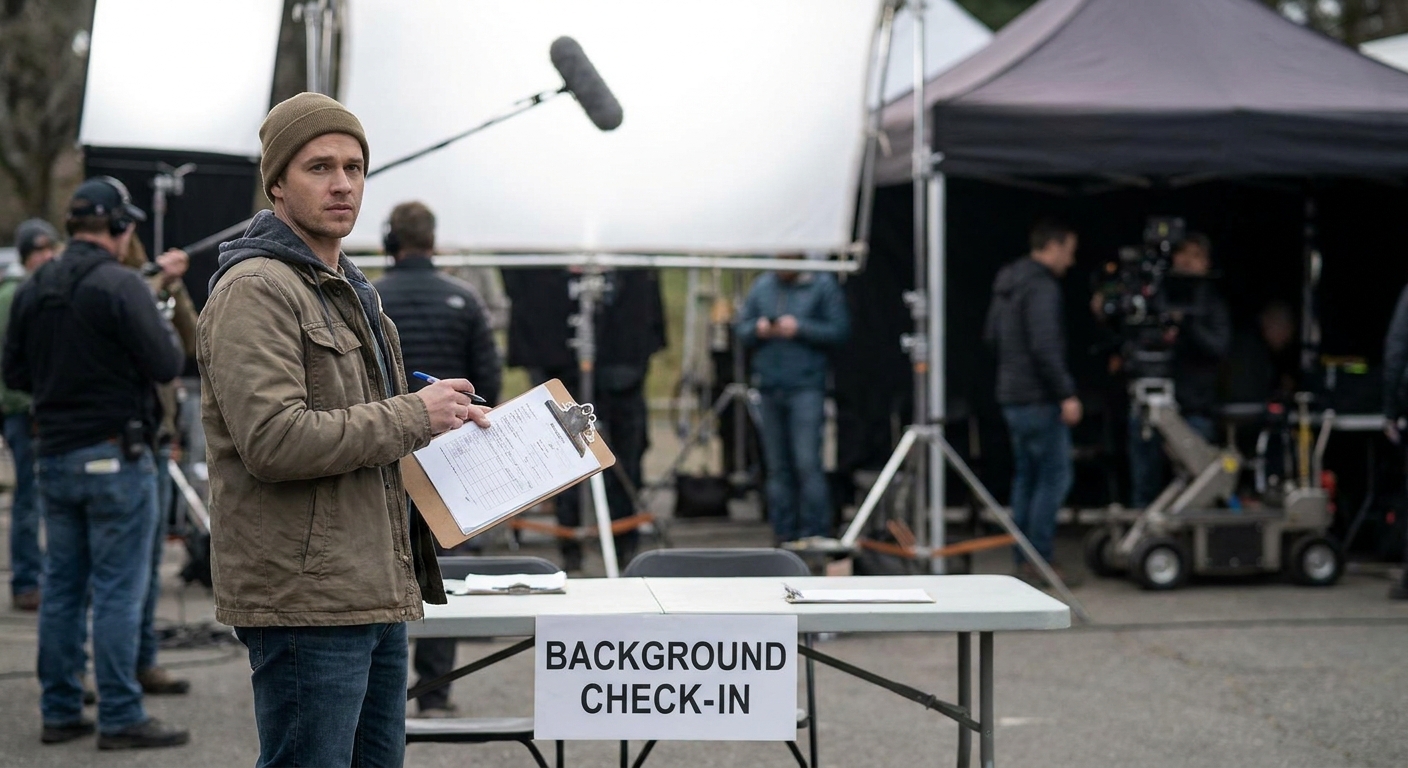
- Who is allowed on set (often referencing closed-set expectations or limits on video village access).
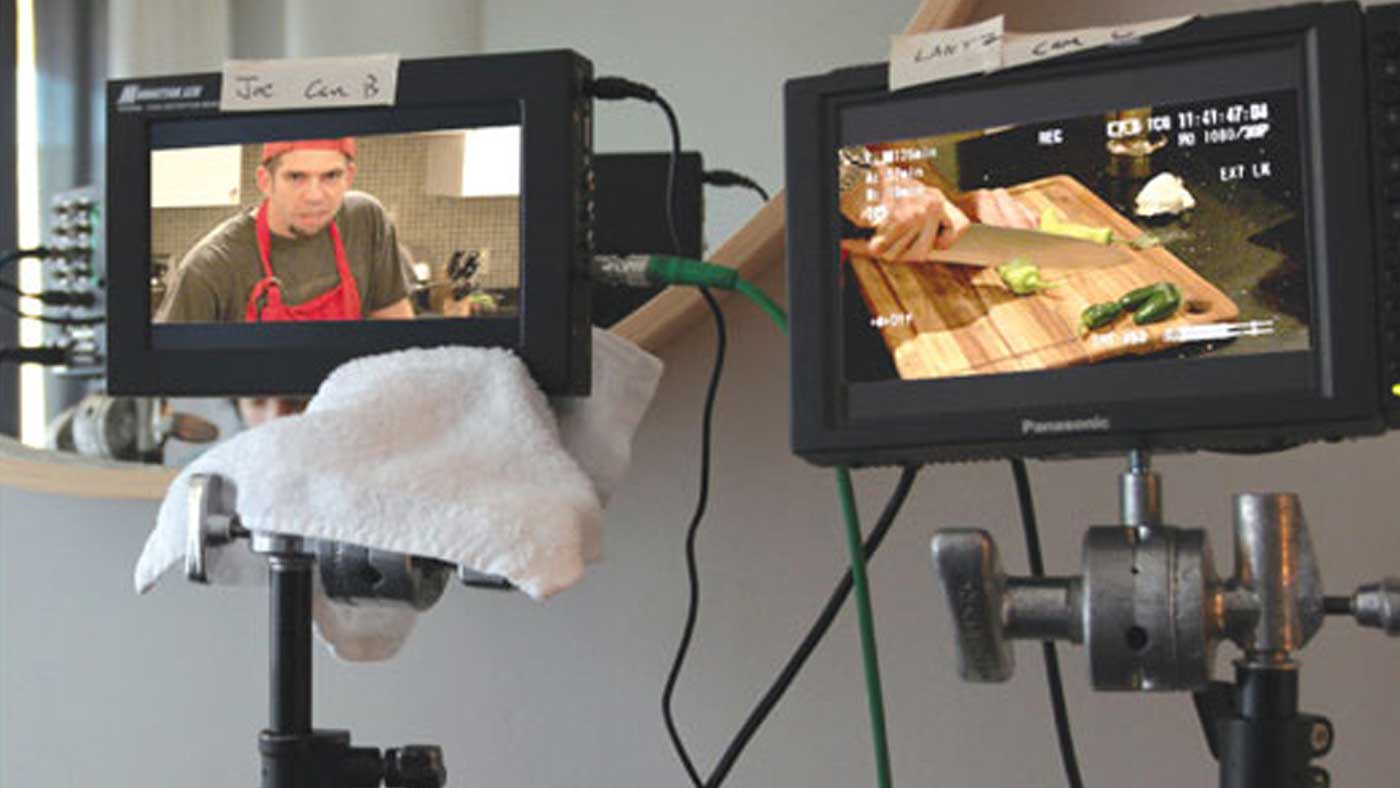
- Playback and monitoring (who can view monitors, whether a monitor feed is limited, and how playback is handled, if at all).
- Reuse of footage (limits on outtakes, bloopers, promotional use, or use of nudity in trailers and marketing).
- Post-production boundaries (for example: no sound additions or editorial changes that materially change the meaning of the scene without additional sign-off).
- Edits and context (sometimes: no intercutting with other footage to suggest acts that were not performed).
The key idea is that the rider is not a broad “yes to nudity.” It is often a careful list of yes items, paired with explicit no items.
What a nudity rider limits
In practice, a nudity rider is designed to limit three things:
- Surprises: No last-minute additions like “let’s just lose the sheet” if it was not agreed to in writing.
- Scope creep: No expanding a scene’s nudity beyond what was negotiated, such as changing blocking to reveal more.
- Uncontrolled exposure: No casual on-set viewing, extra people in the room, or footage being used outside the intended context.
It also creates a paper trail. If a boundary is violated, a written rider may help support a complaint through the production, a union process, or legal counsel, but the remedies depend on the contract language, union coverage, jurisdiction, and the facts of what happened.
Nudity rider vs. intimacy coordinator
These two get lumped together, but they do different jobs.
The nudity rider is paperwork
A nudity rider is a contract document. It defines what is permitted and what is not, plus any conditions the production must meet.
The intimacy coordinator is on-set practice
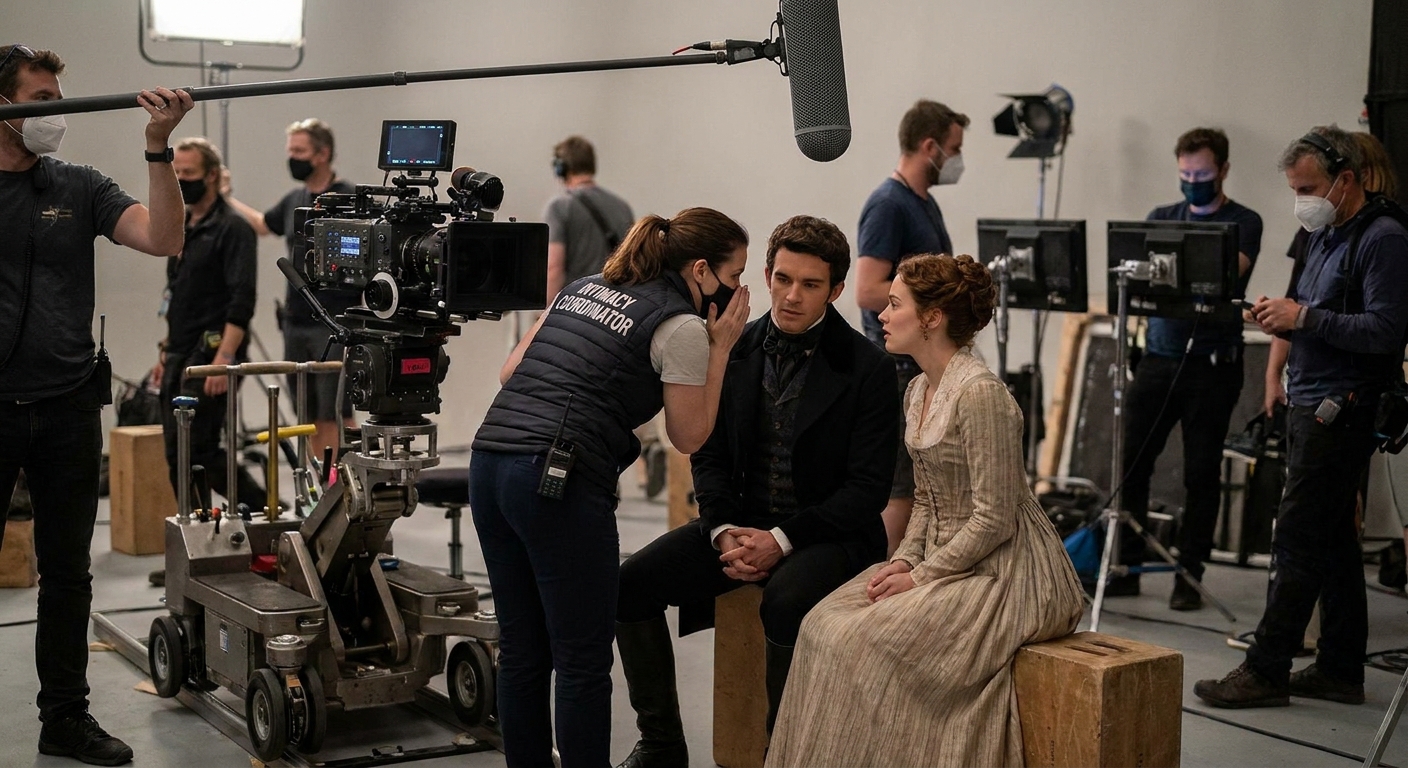
An intimacy coordinator is a specialist who helps stage and choreograph intimate content and supports professional, consent-based processes during rehearsals and filming. On set, that can include:
- Choreographing movement like stunt work, with repeatable beats
- Confirming boundaries before takes and adjusting as needed
- Helping coordinate modesty garments and barriers
- Managing communication between performers and key crew
- Advocating for agreed protocols during the shoot day
They can help a production follow the nudity rider, but they do not replace it. A rider is the agreement. The coordinator helps execute the work safely and professionally.
Nudity rider vs. closed set
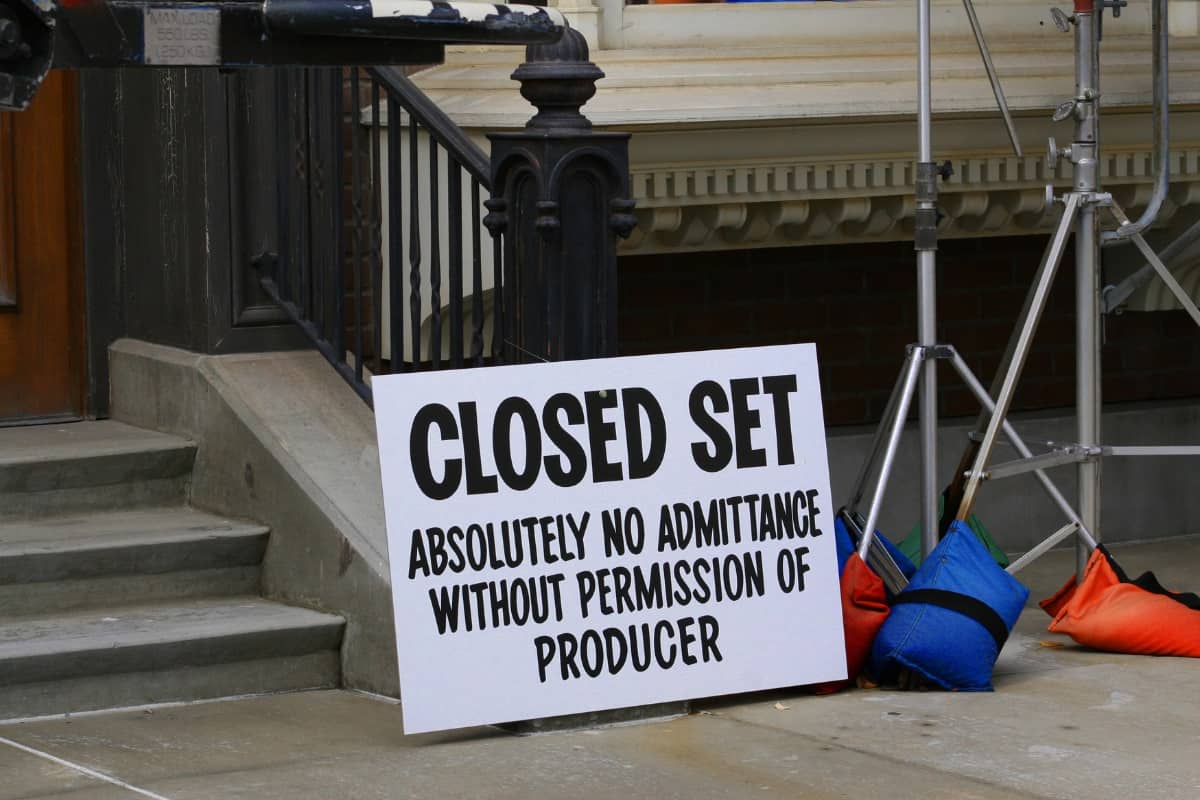
A closed set is about who may be present while a sensitive scene is filmed. A nudity rider is about what is allowed to happen and what may be shown.
Closed set, in a nutshell
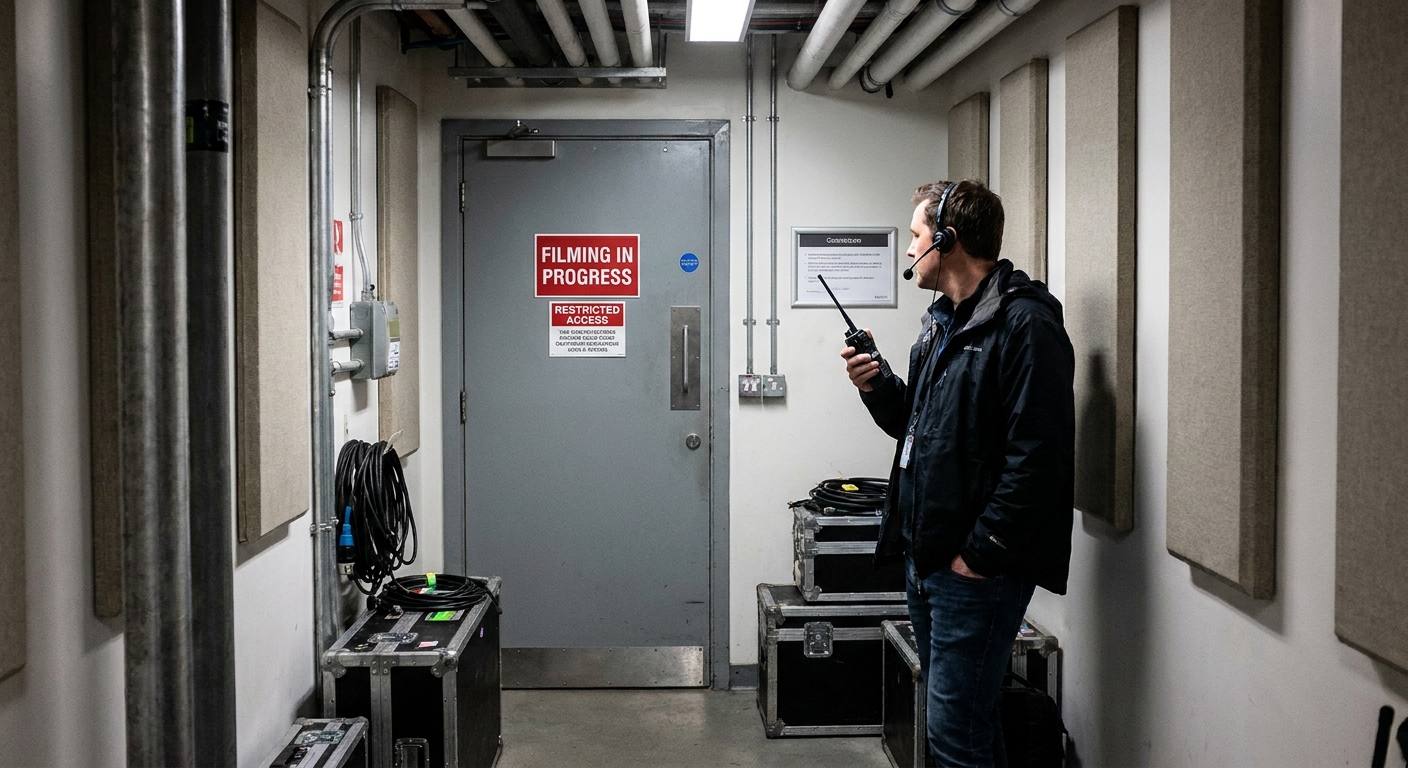
On a closed set, the production limits access to essential personnel only. That usually means fewer eyes, fewer distractions, and better privacy.
Why a closed set is not enough
A scene can be on a closed set and still cross boundaries if the performer’s consent was never clearly defined. Privacy is important, but privacy does not equal consent. The rider is what pins down the specifics in writing.
Who asks for a nudity rider?
Often, nudity riders are initiated by the production as part of standard contracting when a script includes nudity or intimate content. Performers and their representatives may also request or negotiate one, especially if the script’s description is broad or the blocking is not fully defined.
For performers, this is a normal professional step, not a sign of being difficult. Clear boundaries keep the day calm and the work consistent.
Who negotiates and signs?
In many productions, the rider is negotiated between the performer (often through an agent, manager, and or attorney) and the production side (producer, production counsel, and sometimes the director). The performer signs, and an authorized production representative signs. Union productions may also have required language or additional requirements that sit alongside the rider.
However it is structured, the goal is the same: make sure the person being asked to perform the intimate content has the terms in writing, before the scene is shot.
When does it happen?
Ideally, the nudity rider is negotiated and signed before filming the scene. The earlier it is addressed, the less likely anyone is to feel rushed or pressured.
If a script changes later, best practice is to update the agreement in writing. In other words: new request, new conversation, new consent.
Consent is ongoing
Even with a signed rider, consent is not a one-time checkbox. Performers can pause, raise concerns, or decline new elements that were not agreed to. If the production wants to change choreography, coverage, or exposure, that should trigger a clear conversation and a written update, not an on-the-spot push.
Footage control and confidentiality
Where intimate footage goes after the take matters. Some riders include confidentiality and security terms, such as limiting who can access dailies, restricting downloads and sharing, controlling where footage is stored, and setting approval rules for promotional use. Even when the rider does not spell this out, it is a reasonable topic to raise during negotiation, because privacy can be lost in post just as easily as it can be lost on set.
What performers can ask for
- A clear “yes” list and a clear “no” list, written down
- Closed-set protocols that name who is essential
- Modesty garments, barriers, robes, and private changing access
- Limits on camera angles, shot sizes, and rehearsal requirements
- Restrictions on monitor viewing and playback
- Limits on marketing use, trailers, and outtakes
- A process for changes: who asks, how it is documented, and when it is revisited
Does a nudity rider guarantee comfort?
It helps, but it is not magic. A rider is a tool that supports comfort through clarity and enforceable boundaries. Comfort on set also depends on:
- How well the production communicates
- Whether the set protocols are respected
- Whether the scene is properly choreographed
- Whether a performer feels empowered to pause or speak up
That is why the rider, the intimacy coordinator’s work, and closed-set practices are often strongest as a package.
Quick FAQs
Is a nudity rider only for stars?
No. Any performer asked to do nudity or intimate content can have terms spelled out in writing. The level of detail can vary by project, but the concept is not reserved for top billing.
Does intimate content always require a nudity rider?
Not always, especially if there is no nudity and the scene is mild. But if the content is explicit, involves extensive touching, or could be misunderstood later, productions may still use a rider or similar written terms to clarify boundaries.
Can a performer say yes to nudity but no to certain shots?
Yes. Riders often separate what the performer agrees to do from what the camera is allowed to capture. A performer might agree to implied nudity, but prohibit certain angles or close-ups.
Is a closed set the same thing as consent?
No. A closed set limits who is in the room. Consent is the performer’s clear, specific agreement to the actions and exposure involved, defined in writing and supported by on-set practice.
The bottom line
A nudity rider is the production’s written promise, signed and specific, about what nudity or intimate content will happen and under what conditions. It can limit exposure, restrict what can be filmed and used, and set boundaries around touch, angles, and context.
It is different from an intimacy coordinator’s on-set choreography and advocacy, and it is different from a closed set’s access control. Together, those tools can help intimate scenes be what they should be: deliberate, professional, and fully agreed to.