Roll sound. Roll camera.
If you have ever heard someone on set call out, “This is the Abby Singer,” you might feel the energy shift. People move a little faster. Carts start rolling. Someone starts eyeing the clock like it owes them money.
An Abby Singer shot is the second-to-last planned shot of the day. It is a piece of set shorthand that helps the crew start the end-of-day process without tempting fate by declaring victory too early.
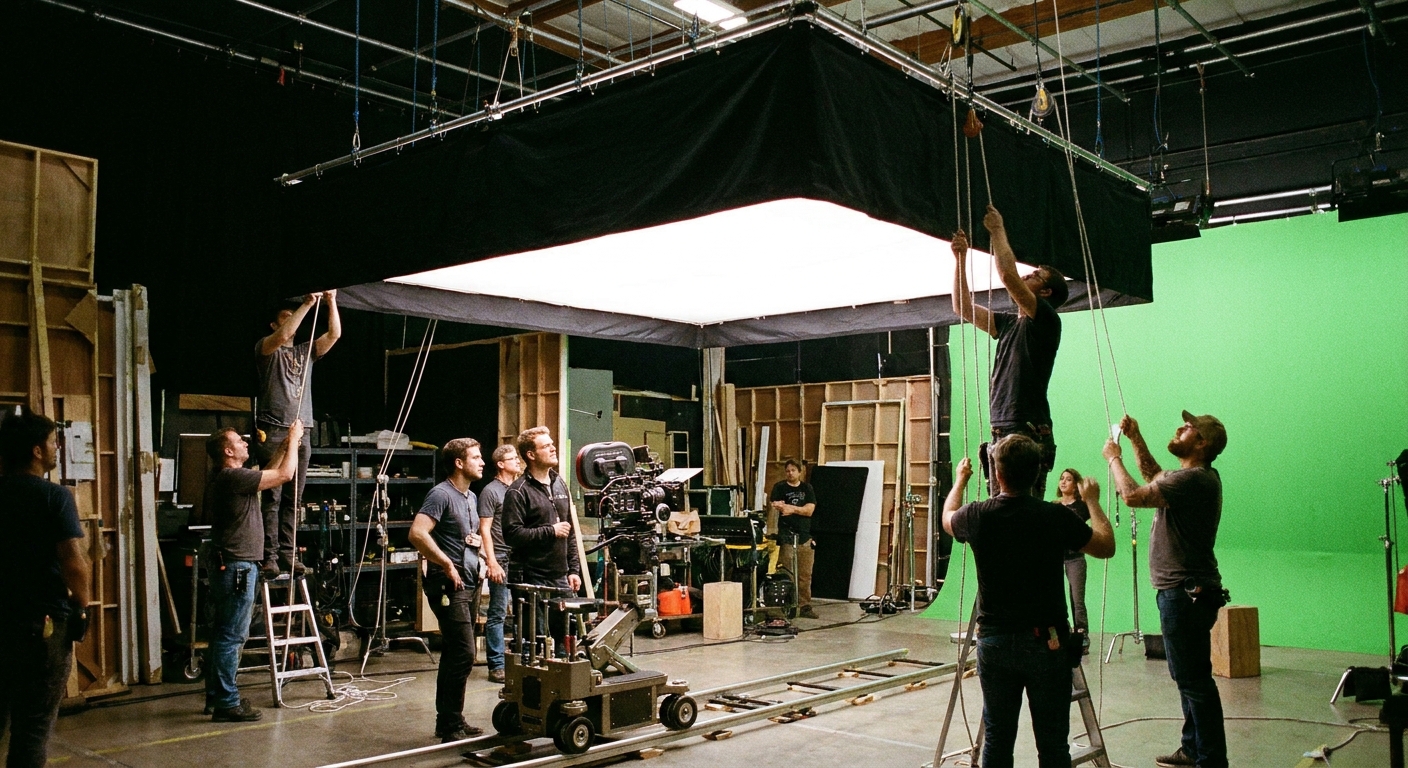
The quick definition
An Abby Singer is the second-to-last shot on the day’s shot list. It is announced so departments can begin wrapping up gear and paperwork they will not need for the final setup, while still staying ready in case the plan changes.
In plain language: it means “We are almost done, but we are not done.”
Why it is called an Abby Singer
The term is widely credited to Abby Singer, a longtime assistant director. The story you will hear most often is that calling “Abby Singer” became a way to signal the second-to-last setup because he disliked when people prematurely declared the last shot and then production had to add another.
Film sets run on tight schedules and even tighter patience. So the nickname stuck because it solves a real problem: it gives everyone a reliable heads-up that the finish line is near, without confusing “near” for “finished.”
How the shorthand works on set
On a typical day, the assistant director team is tracking the shot list and keeping the machine moving: what is next, what is changing, and what needs to be ready.
When the AD or 2nd AD calls an Abby Singer, it is a signal with two meanings at once:
- For the crew: Start wrapping what you can without risking delays for the last setup.
- For everyone: Stay focused. The day is not over until the final shot is complete and the appropriate wrap is called.
Important nuance: the Abby Singer is about the plan. If the director and DP decide to change coverage, add inserts, or steal a quick additional angle, the Abby Singer can stop being the second-to-last shot in practice. It is still useful, but it is not a guarantee.
Why departments start wrapping around the Abby Singer
Once the Abby Singer is announced, many departments can safely begin end-of-day tasks while the current shot is being completed.
Common wrap tasks that may begin
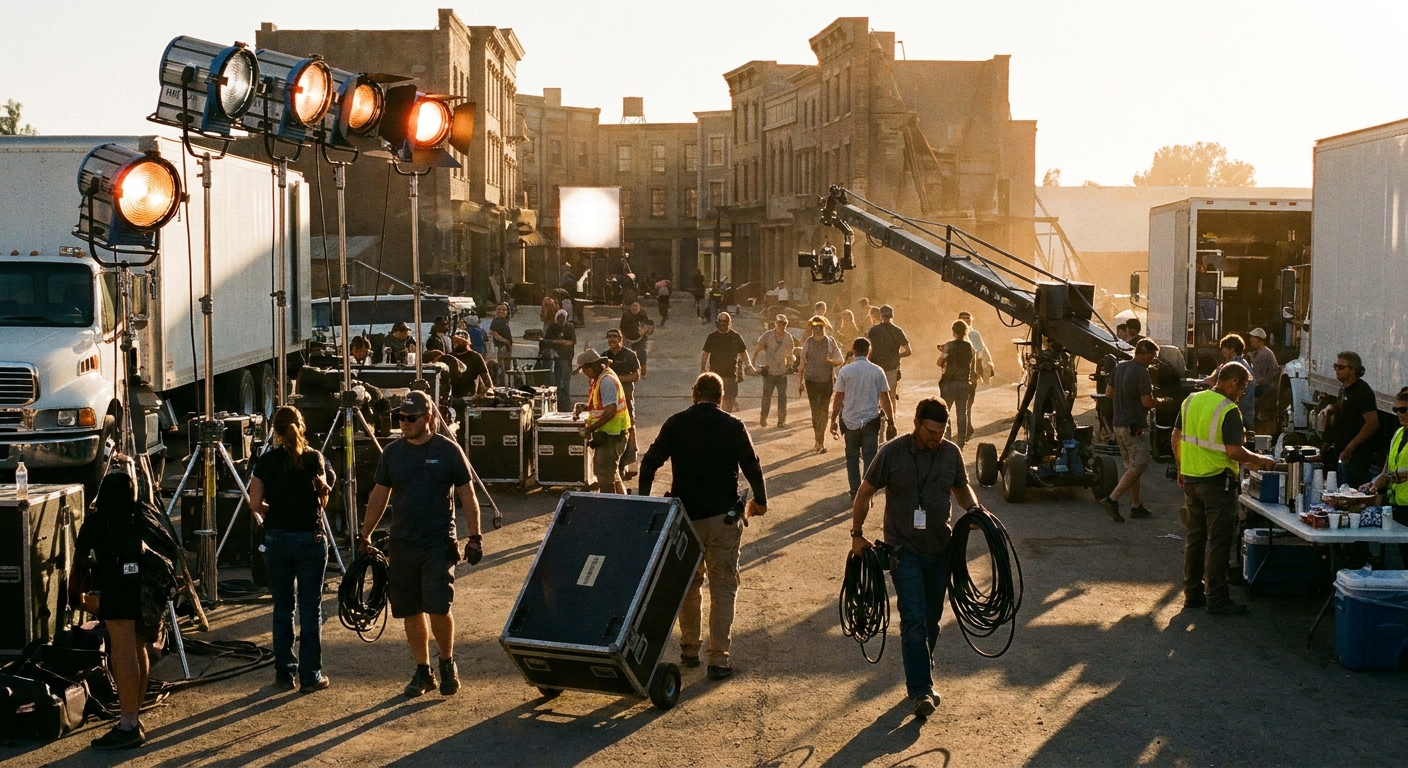
- Grip and electric: Prepping to strike certain units and cables that are no longer needed, staging carts for a quicker wrap once the last setup is finished.
- Camera: Organizing cases, clearing nonessential accessories, prepping media workflow steps.
- Hair and makeup: Tidying stations, starting kit organization, checking continuity notes for tomorrow.
- Wardrobe: Resetting racks, pulling returns, checking what needs laundry or repair.
- Art department: Consolidating dressing elements that will not appear in the final shot.
- Sound: Beginning controlled pack-down of items not needed for the last setup.
The key is that wrapping is selective. People wrap what is clearly not needed, but they keep essentials available because the last setup can still shift.
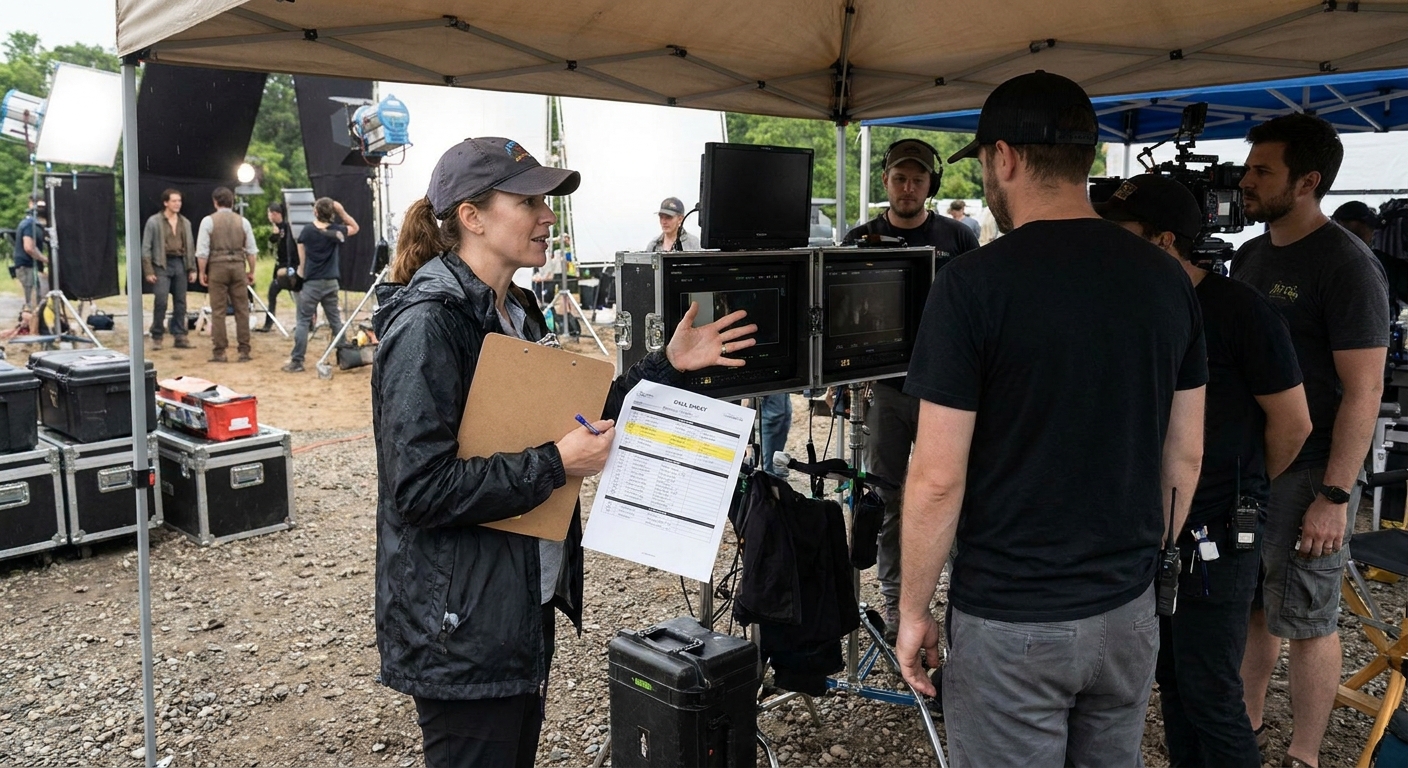
If you are background, do not treat it as your release
This is the part I want stitched into every extra’s brain like a perfectly secured mic pack: an Abby Singer is not a release.
Background actors sometimes hear “second-to-last shot” and assume it is safe to mentally clock out. But the Abby Singer call is for crew logistics, not cast release.
Why you might still be needed after the Abby Singer
- The last shot may require background, even if the Abby Singer did not.
- The last shot might change, and suddenly background becomes essential again.
- Continuity and matching action can require holding background until the scene is truly finished.
- Wild lines, pickups, or quick inserts may be added while the camera and lighting are already in place.
What to do instead
- Stay available in holding unless you have been specifically told to move.
- Listen for instructions from the AD team or background PA, not hallway rumors.
- Do not leave set or change wardrobe until you are officially released.
- If you are unsure, ask quietly and directly: “Am I released, or should I stay in holding?”
The professional move is simple: treat the Abby Singer as a helpful signpost, not an exit sign.
Does the Abby Singer always happen?
Not always. Some sets use the term constantly, some rarely, and some never. Schedules, crew culture, and the AD team’s habits all play a role.
You may also hear variations like:
- “This should be the Abby Singer, unless we add something.”
- “Abby Singer is up next.”
- “We are on our Abby.”
Different words, same goal: get everyone positioned for an efficient finish while staying flexible.
Abby Singer vs. other end-of-day language
End-of-day set talk can feel like its own dialect. Here is where the Abby Singer fits:
- Abby Singer: second-to-last planned shot.
- Martini shot: the last planned shot of the day.
- Wrap calls: the official “you can go” language, which can differ depending on whether you mean the picture, the company, or a specific department.
One note from the front row: even when people speak confidently about “the last shot,” the only things that are truly final are what has been shot, checked, and called.
Fast FAQ
Is an Abby Singer shot always the second-to-last shot filmed?
It is the second-to-last planned shot. If the schedule changes, the actual second-to-last shot filmed might be different.
Who usually calls the Abby Singer?
Most often, someone on the AD team will announce it, but you might hear it from any department that is tracking the plan closely.
Is the Martini shot always the last shot filmed?
It is the last planned shot. If coverage changes or an extra pickup gets added, the Martini shot may not end up being the true last shot captured.
Can I pack my stuff if I am background?
You can quietly stay organized, but do not change wardrobe, leave holding, or assume you are done until you are officially released by the AD team or background PA.
Does the Abby Singer mean overtime is coming?
Not necessarily. It simply signals that the day is nearing its final setup. The timing still depends on how complex the remaining work is and whether anything changes.