Lights down. Curtain up.
If you have ever watched a show that felt like a living painting, neatly composed with most of the action oriented in one direction, you were probably looking at a proscenium stage. It is the most familiar stage layout in many traditional theaters, touring houses, and school auditoriums, and it shapes everything from scenery to sightlines, including what you can and cannot see from far-side seats.
What a proscenium stage is
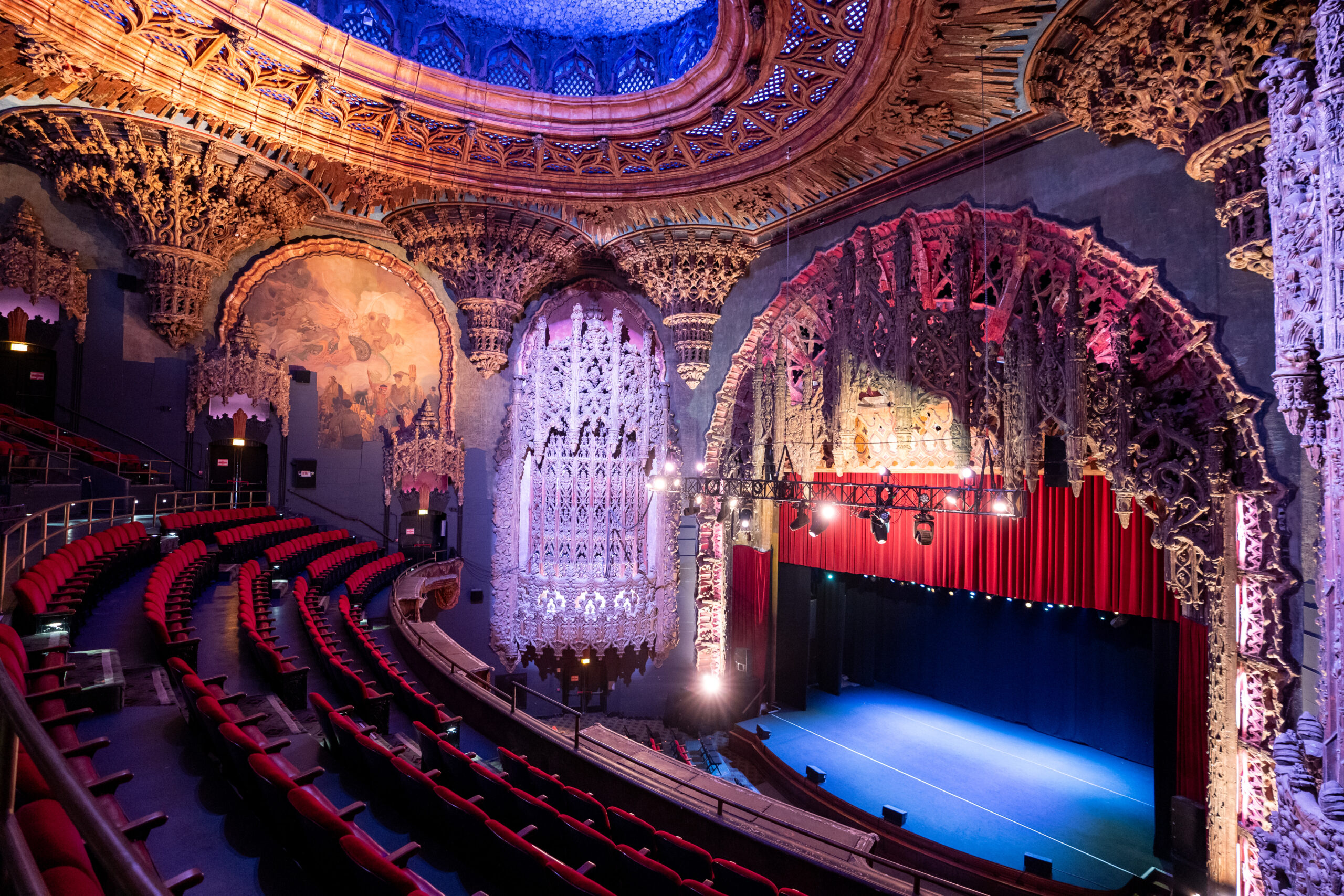
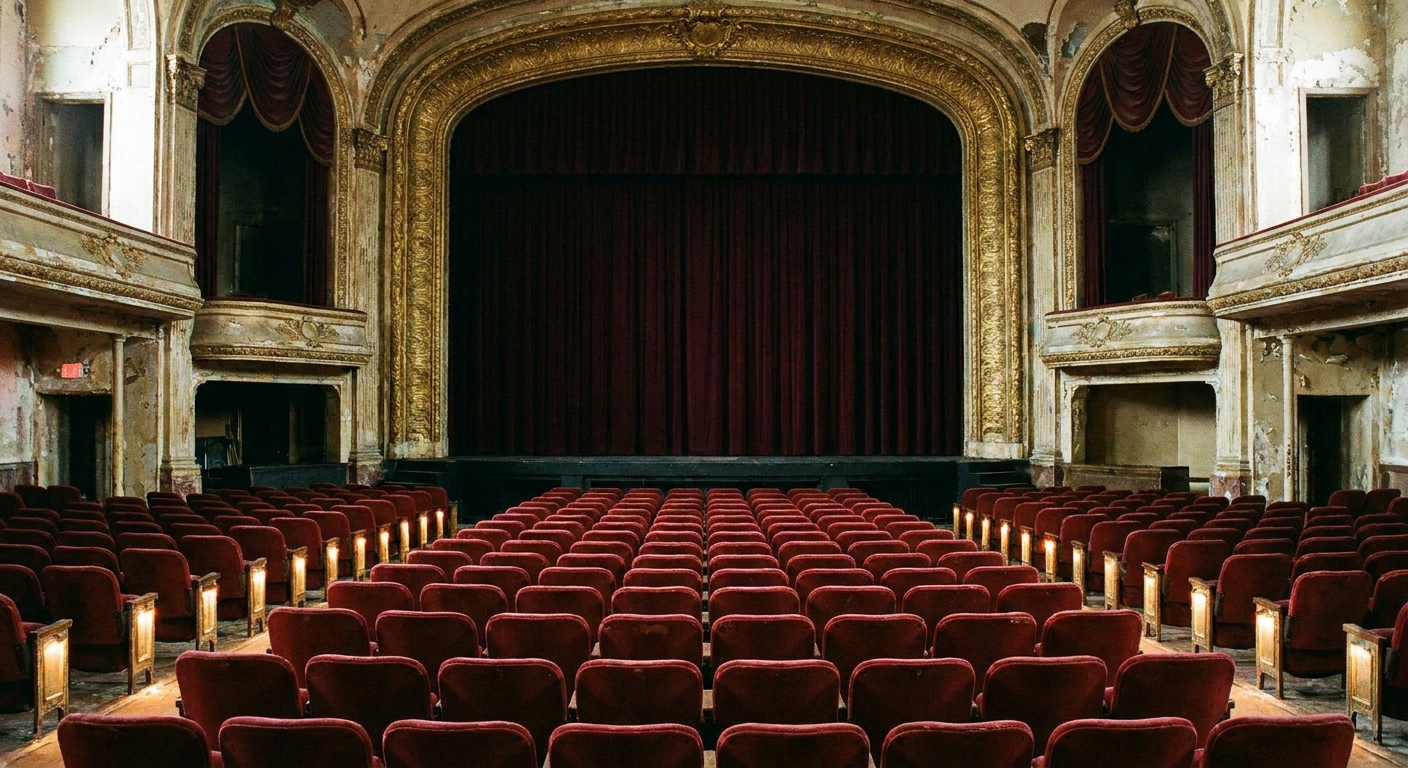
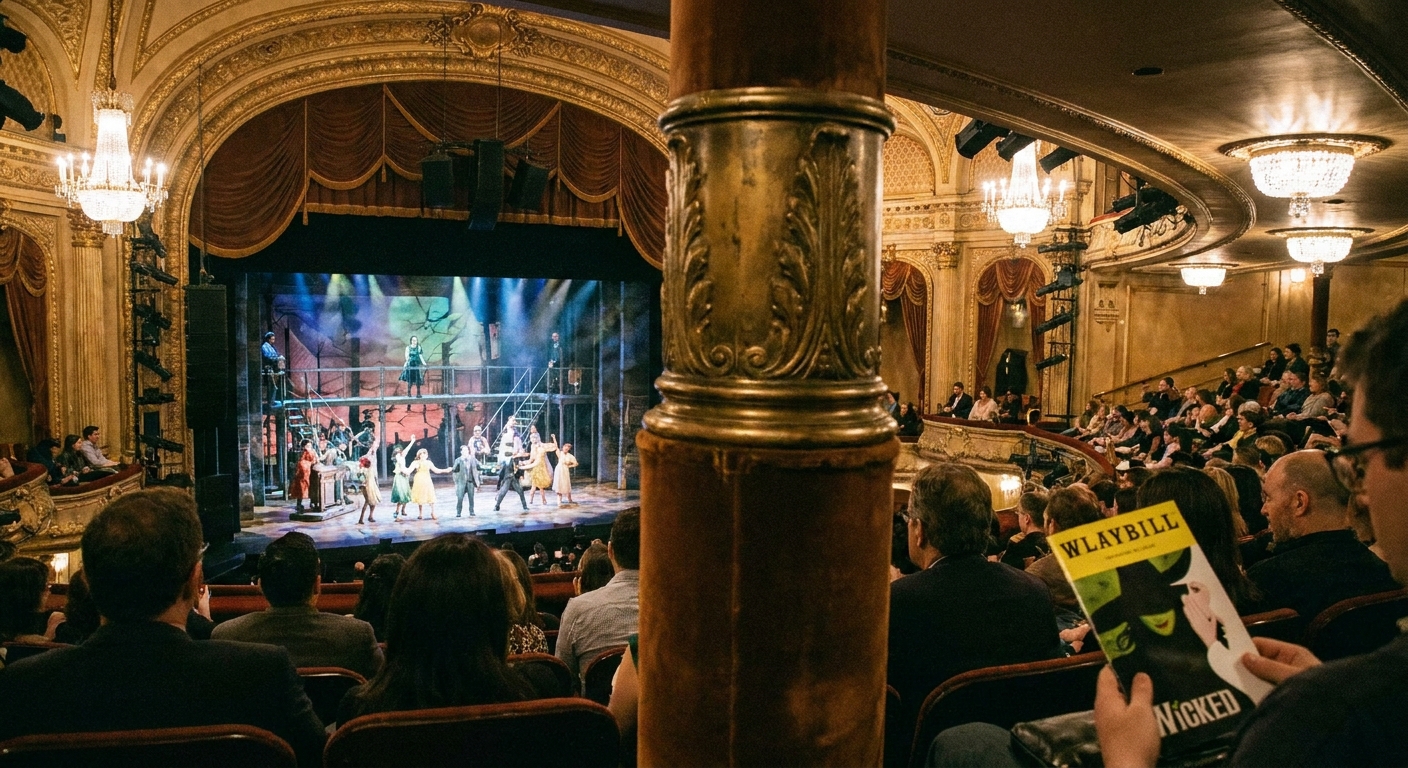
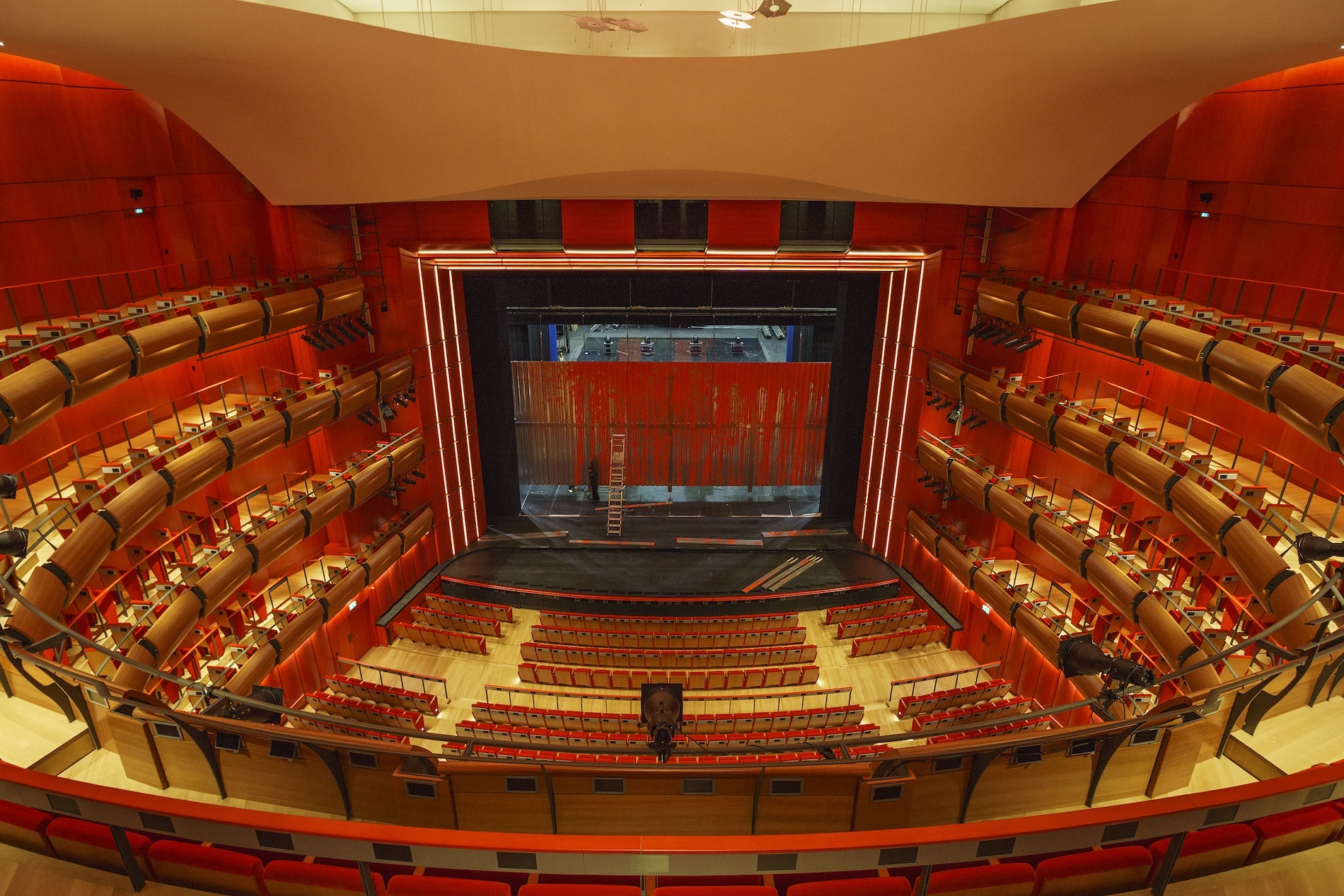
A proscenium stage is a stage configuration where the performance space sits behind a framed opening called the proscenium arch. The audience is seated mostly in front of that opening, facing the stage.
That arch does more than look elegant. It creates a clear border between the world of the audience and the world of the play, musical, opera, dance concert, or comedy act. The opening you see is often called the picture frame of the stage, because it presents the performance as if you are looking into a composed scene.
You will also hear people use the word proscenium to refer to the arch or opening itself, and the front-facing stage arrangement it creates.
The proscenium arch
The proscenium arch is the architectural frame around the stage opening. Depending on the venue, it might be an ornate arch with gold detailing or a simpler rectangular portal. Either way, it helps define:
- What the audience can see of the stage
- Where masking and concealment typically begin, meaning where theater starts to hide the machinery that makes stage magic happen
- Where curtains and scenic elements can be revealed, closed, flown in, or shifted
Inside that opening is the action you are meant to focus on. Outside it is much of the backstage world that supports it.
What the proscenium hides
One of the defining features of a proscenium theater is how much it can conceal from the audience. Two key hidden areas are the wings and the fly space.
Wings
The wings are the spaces to the left and right of the stage that are typically out of view for the audience. This is where you might find:
- Performers waiting for entrances
- Stagehands moving props and set pieces
- Scenery stored just out of sight for quick changes
- Lighting equipment and masking curtains (often called legs)
The arch and side masking work together so that a couch can appear “as if by magic,” when in reality it was rolled in from the wing.
Fly space
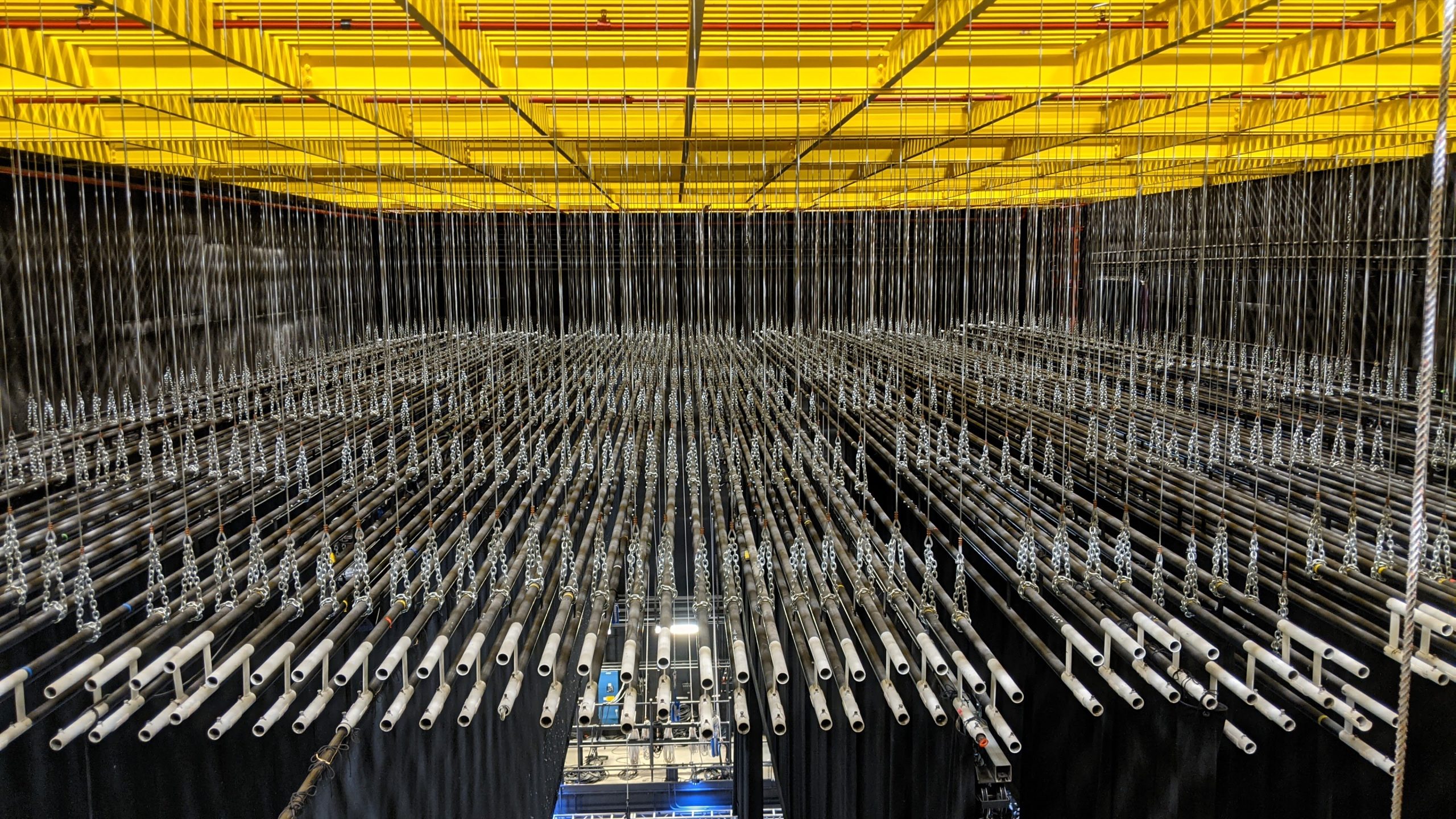
The fly space is the tall area above the stage, where scenery, curtains, and sometimes lighting or special effects can be raised out of view or lowered in. In many theaters, a system of ropes, counterweights, and pulleys (or modern motorized systems) controls what can “fly” in and out.
That vertical height is a big reason proscenium stages are so friendly to:
- Big scenic reveals
- Rapid set changes
- Drops, backings, and show curtains
- Moments where the environment transforms mid-scene
Common terms
Even if you never set foot backstage, a few proscenium terms show up in programs, talkbacks, and theater chatter:
- Apron: The part of the stage that extends in front of the proscenium opening (some theaters have a deep apron, others very little).
- Downstage and upstage: Historically, stages were raked, meaning sloped. Downstage is toward the audience, upstage is away from the audience. The terms remain even on flat stages.
- Masking: Curtains or panels that hide offstage areas and shape what the audience sees.
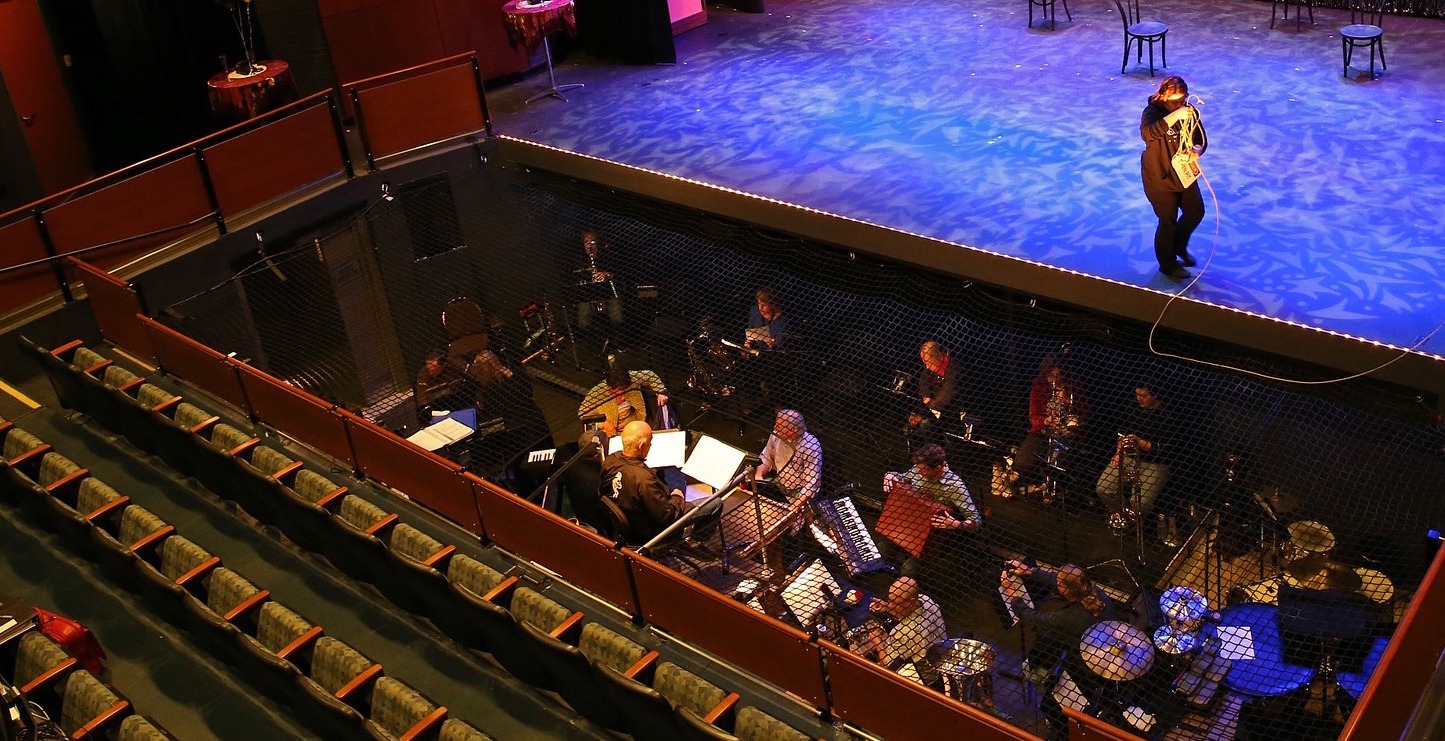
- Orchestra pit: A lowered area between the audience and stage in some theaters, often used for musicians in musicals, opera, and ballet.
- Portal or tormentors: The vertical masking pieces (often paired) that narrow the visible opening and help hide the wings.
- Borders: Horizontal masking pieces that hide lighting and rigging above the visible opening.
- Grand drape: The main front curtain in many proscenium houses.
How it shapes the experience
A proscenium stage creates a strong front-facing relationship. Most staging, choreography, and scenic composition is designed to be read from the house like a composed image. That tends to encourage:
- Clear focal points, with action oriented toward the audience
- Large scenic worlds, because there is room to store and move scenery offstage
- Lighting control, since angles and positions can be optimized for a mostly forward-facing audience
- Illusion-based storytelling, where transformations happen behind masking
It can also mean a more defined boundary between audience and performer. Some shows lean into that separation for spectacle, while others deliberately blur it by using the apron, the aisles, or direct address.
Tradeoffs to know
The same features that make proscenium stages powerful can come with a few tradeoffs. They can feel less intimate than thrust or in-the-round setups, and extreme side seats can lose sightlines to moments staged far upstage or behind scenic elements. Some productions also have to work harder to avoid a “fourth wall” feeling if they want the audience to feel fully included in the room.
Proscenium vs. thrust
A thrust stage pushes out into the audience, with seating typically on three sides (front, left, and right). Compared with a proscenium:
- Audience relationship: Thrust staging often feels more immediate because performers are surrounded on more sides.
- Scenery: Large, solid walls can block views for part of the audience, so sets are often more open and sculptural.
- Blocking: Actors and directors must consider multiple angles so no one side gets “the back of the scene” all night.
If proscenium is a picture frame, thrust is more like a playing space that reaches toward you.
Proscenium vs. in the round
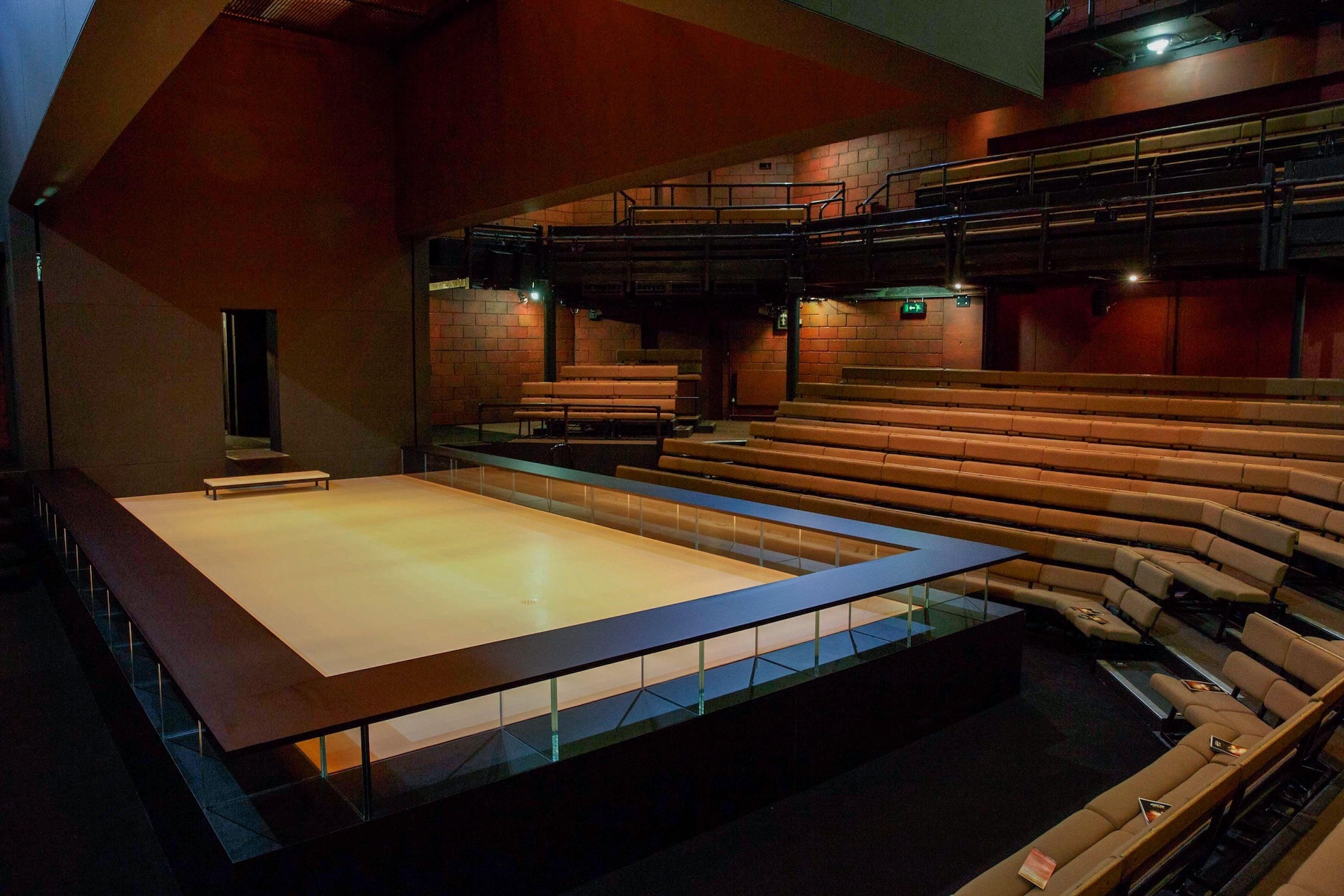
Theater in the round places the stage at the center with the audience seated on all sides. That can feel more immersive than a thrust, but it changes the rules of the game:
- No front: Direction, choreography, and design must work from every angle.
- Less hiding: Wings and fly space are limited or used differently, so scene changes and entrances may be more visible.
- Design priorities: Costumes, props, and actor movement do a lot of storytelling work since towering scenic walls are rarely practical.
If a proscenium is a composed world you look into, in-the-round is a world you gather around.
Where you will see proscenium stages
Proscenium stages show up in many places because they are versatile and support complex technical work. You will commonly find them in:
- Historic theaters and grand opera houses
- Large regional theaters and touring venues
- Performing arts centers
- Many school and community auditoriums
They are especially well-suited to productions with major scenic shifts, large casts, or heavy technical demands.
Quick FAQ
Is a proscenium stage always traditional?
No. While the layout is classic, plenty of contemporary productions use proscenium stages, sometimes in very modern ways. Directors can keep the “frame,” ignore it, or play against it by staging action on the apron or using bold, visible scene changes.
Does a proscenium stage always have a curtain?
Many do, but not all. Some theaters use a grand drape, some use a traveler curtain, and some keep the stage open. The defining feature is the framed opening and audience orientation, not the presence of a curtain.
What is the main advantage of a proscenium stage?
It provides strong control over what the audience sees, plus ample backstage space for storing scenery, managing entrances, and flying pieces in and out.