Lights down. Curtain up.
If you’ve spent any time around screenwriting, you have probably heard someone say, “It got coverage.” In film and TV, script coverage is not about camera angles or press clippings. It is a written evaluation of a screenplay or teleplay, created so producers, agents, managers, executives, and development teams can quickly understand what a script is, how it plays, and whether it is worth pursuing.

Script coverage, defined
A script coverage report is a document written by a professional reader (often called a script reader) after reading a screenplay or teleplay. It usually includes:
- Basic info (title, genre, format, page count, and sometimes a rough budget range)
- Logline (a tight, one- or two-sentence premise)
- Synopsis (a longer summary of the story, including the ending)
- Comments (strengths, weaknesses, story notes, character notes, and market considerations)
- Verdict, commonly Pass, Consider, or Recommend (though labels vary by company)
Think of coverage as the industry’s way of turning one person’s full read into a clear, shareable snapshot for everyone else in the room.
If you have never seen a report, the top can look like a simple header block with the essentials: title, writer, date, reader, genre, format, and pages. Then it moves into logline, synopsis, and notes.
Who assigns coverage, and why it exists
Coverage is most often assigned by companies and representatives that receive more material than they can personally read in full. The whole point is time and triage. A coverage report helps decision-makers answer a few urgent questions fast:
- What is this story?
- Does it work on the page?
- Does it fit what we make, sell, or package?
- Is there something here worth a meeting or a deeper conversation?
You will see coverage used at production companies, studios, networks, agencies, and management companies. You will also see similar written evaluations at festivals and labs that process large volumes of submissions, even if they do not always call it “coverage.” It is also common internally during development when a company is weighing rewrites or comparing projects.
Who writes a coverage report
Coverage is usually written by a reader. Depending on the setting, that reader might be:
- An assistant or coordinator trained to write coverage
- A dedicated script reader (in-house or freelance)
- A development staffer writing notes for internal use
In professional contexts, readers are expected to be consistent, clear, and fair. They are not writing fan mail, and they are not writing a takedown. The goal is to describe the script accurately, identify what is working and what is not, and make a recommendation that fits the company’s needs.

What is in a coverage report
1) Logline
The logline in coverage is a fast distillation of the premise. It names the protagonist, the central goal, the key obstacle, and what is at stake. In good coverage, the logline is not just “what happens.” It is what the movie or show is.
2) Synopsis
The synopsis is a full story summary, usually written in clear prose and often in present tense. It almost always includes the ending, because coverage is meant to inform internal decisions, not tease an audience. Length varies, but the point is readability: someone should be able to understand the plot without reading the script.
3) Comments and notes
This is where the reader discusses how the script is built and how it plays. Comments often touch on:
- Concept: Is the hook fresh, clear, and playable?
- Structure: Does it move? Are stakes escalating? Are turns earned?
- Characters: Do we know what they want? Do they change? Are relationships active?
- Dialogue: Distinct voices, subtext, rhythm, exposition load
- Tone: Is it consistent? Does it match the genre expectations?
- Pacing: Is it lean, repetitive, rushed, or padded?
- Production realities: Scale, locations, cast size, effects, period elements
- Market fit: Who is the audience, and does it resemble recent successful comps?
Some companies prefer “developmental” notes (how to improve it). Others want “evaluation” notes (whether it is right for them). Many want both.
4) Ratings and verdict
The verdict is the headline decision. While specifics vary by organization, many systems use some version of these calls:
- Pass: Not right for the company, not strong enough to pursue, or too many fundamental issues.
- Consider: There is something here. Maybe the writing is strong, the concept is promising, or the voice is distinct, but it may need work or may not fit perfectly.
- Recommend: Actively worth pursuing, circulating, or taking a meeting on. In many systems, “Recommend” is rare on purpose.
Some coverage formats also include category scores (premise, plot, character, dialogue, tone, and commercial potential), “Consider with reservations,” or “Strong Recommend.” Even when there are numbers, the real value is in the clarity of the write-up.
Coverage vs. other documents
Coverage vs. logline
A logline is a short pitch. It is meant to spark interest. Coverage includes a logline, but it goes further by summarizing the story and evaluating the execution.
Coverage vs. treatment
A treatment is a prose version of the story, often written by the writer as a development document. It can be used to sell the idea, plan the draft, or align collaborators. A coverage report is written after the script is read, and it includes opinion and a verdict.
Coverage vs. spec script
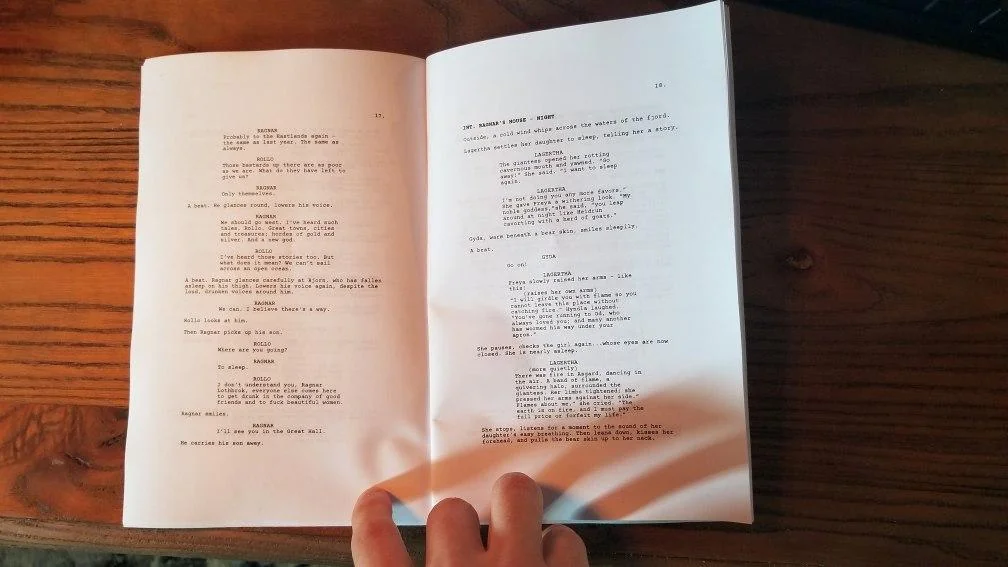
A spec script is the screenplay or teleplay itself, written on speculation without being hired for the job. Coverage is someone else’s response to that script, shaped for decision-makers who need a fast, organized read-out.
How coverage is used
Script coverage can travel in a few directions, depending on who ordered it:
- Internal tracking: A company logs the synopsis and verdict so the project is searchable later.
- Development discussions: Coverage becomes the starting point for a meeting about whether to pursue, pass, or request a rewrite.
- Second reads: A “Consider” might trigger another reader or a higher-up to read the script themselves.
- Packaging and strategy: If the concept is strong but the draft is uneven, the conversation might shift to attachments, rewrites, or finding the right lane for the material.
One important nuance: a “Pass” is not always a condemnation. Sometimes it simply means “not for us,” “wrong moment,” or “too expensive for our slate.” Coverage is a tool, and the verdict often reflects the mandate of the company holding it.
Another nuance: coverage is frequently confidential and internal. Writers do not usually see a company’s coverage unless they are in a relationship with that company or they pay for coverage through a service.
Can writers get coverage too?
Yes. Outside of company coverage, there is also paid coverage offered by consultants, reader services, and some industry-facing platforms. The intent there is usually craft-focused: identify what is landing, what is not, and what to revise next.
If you are seeking coverage as a writer, it helps to know what kind you want:
- Evaluation coverage: More like “Would this get traction?”
- Development notes: More like “How do I make this draft better?”
Either way, you will get the most useful feedback when you provide the correct draft, the correct format (feature, pilot, short), and a clear sense of what you are trying to make.
Quick FAQs
Does coverage spoil the ending?
Usually, yes. Coverage is written for decision-making, not marketing, so the synopsis commonly includes the ending and major reveals.
How long is a coverage report?
It varies by company and reader. Many fall in the range of 1 to 3 pages, especially for internal use. Paid coverage and more detailed notes can run longer, and some internal summaries can be under a page.
Is “Recommend” the same as “greenlight”?
No. A recommend is closer to “this deserves serious attention.” It can lead to a meeting or a second read, but it is not a promise of purchase or production.
Is script coverage objective?
It aims to be fair and accurate, but it is still a human response shaped by taste, mandate, and the company’s needs. The synopsis should be factual. The comments and verdict are informed opinion.
The takeaway
A script coverage report is the industry’s short-form way of saying: here is what this script is, here is how it works, and here is what we should do about it. It bundles a logline, synopsis, and notes into one readable document, then lands on a simple verdict, often some variation of pass, consider, or recommend.
For writers, understanding coverage is useful even if you never see the document itself. It tells you how your script will be summarized when you are not in the room, and what the gatekeepers are listening for once the lights go down and the reading begins.