Lights down. Curtain up.
Before a screenplay is dressed in slug lines and snappy dialogue, it often exists in a simpler form: a treatment. If you have ever heard someone say, “Send me the treatment,” they are asking for the story told in clear, readable prose, not a fully formatted script.

What a treatment is
A treatment in film and television is a prose document that tells the story of a project from beginning to end (or close to it). It usually reads like a short story version of the movie or episode, with the emphasis on plot, character, and tone.
Treatments are most commonly written before a full screenplay, but they can also be used instead of a screenplay at an early stage when someone wants to understand the project quickly, approve the direction, or decide whether it is worth paying to develop further.
How long is a treatment?
Length varies by project and buyer, but many feature treatments land somewhere around 5 to 15 pages. TV can be shorter for an episode, or longer for a pilot or series pitch. The core idea stays the same: fast, focused storytelling without screenplay formatting.
What’s inside a treatment
There is no single official layout across the industry, but most treatments include a familiar set of ingredients. A good treatment helps a reader see the movie or episode in their head.
- Title and logline: A one- or two-sentence hook that frames the concept.
- Premise and tone: What kind of ride it is, including genre and emotional flavor.
- Main characters: Who they are, what they want, and what they are up against.
- Story summary: A beginning, middle, and end told in narrative paragraphs.
- Key set pieces: The big moments a producer or executive needs to “see.”
- Ending: Usually included, because decision-makers want to know what they are buying and building.
Treatments often mention important dialogue moments, but they generally do not present long back-and-forth conversations. Think of it as story first, with just enough voice to communicate the vibe.
Common variants
You may hear “treatment” used as a catch-all, but there are a few adjacent documents that show up in the same conversations:
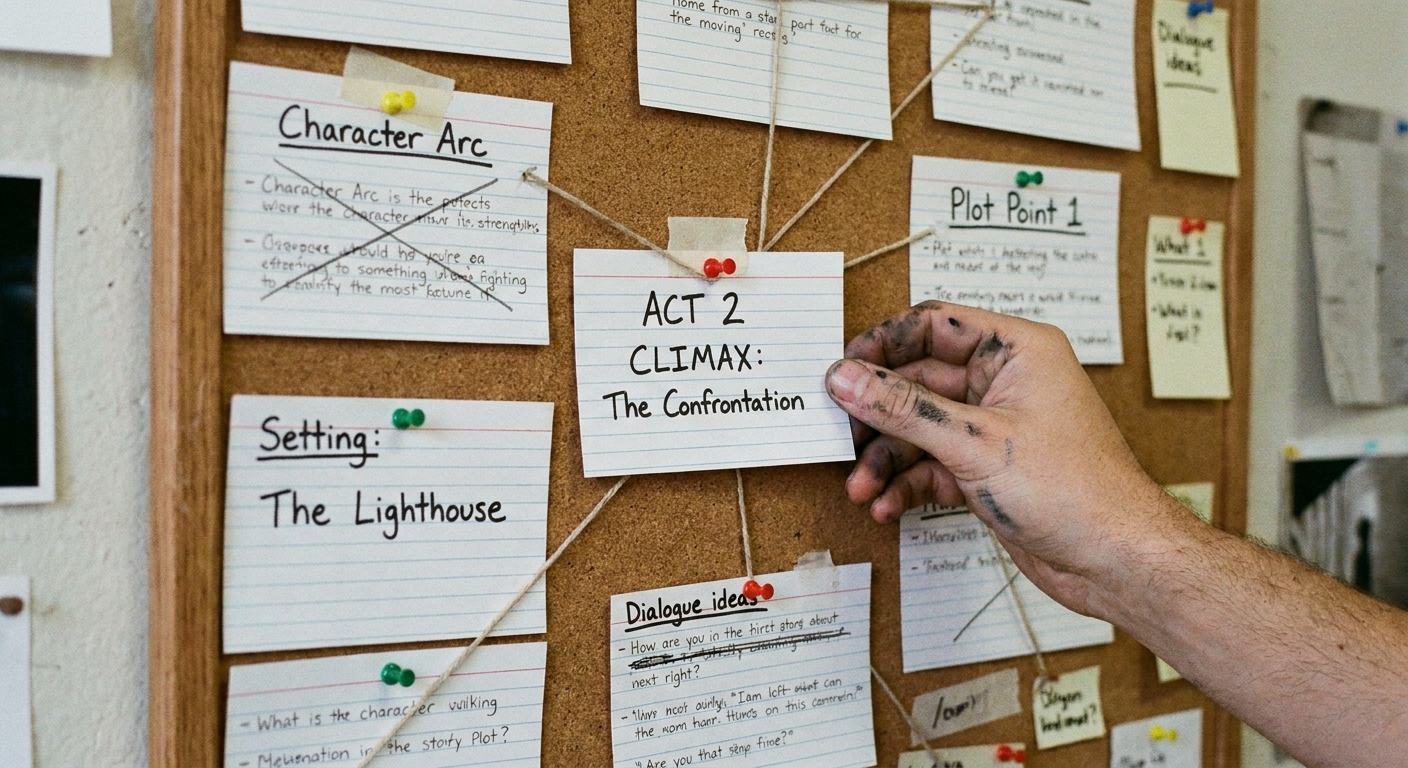
- Outline: A more skeletal, beat-by-beat map of the story, often less concerned with tone on the page.
- Beat sheet: A tighter list of major story turns and set pieces, sometimes in bullet form.
- Scriptment: A hybrid between a script and a treatment, often longer and more scene-driven, sometimes with more dialogue.
Different rooms and companies use these terms differently, but the practical question is always the same: how much story, how much voice, and how close to “movie on the page” does the reader need?
How treatments are written
Most treatments are written in third person and present tense, so the story feels like it is unfolding in real time. A few common conventions help keep it clean and readable:
- Character names in caps on first mention (for quick scanning).
- Clear act turns or section breaks, especially for TV or anything with obvious act structure.
- Lean paragraphs that keep momentum moving, like a good trailer in sentence form.
Who reads a treatment?
Treatments exist to be read quickly and evaluated. Common readers include:
- Producers: Looking for a viable story engine, audience appeal, and a path to production.
- Studio and network executives: Assessing concept, tone, and whether the story fits their slate.
- Development executives: Gauging what needs work before a script draft is commissioned.
- Financiers and partners: Deciding if the story, scale, and market position make sense.
- Creative collaborators: Directors, co-writers, or showrunners aligning on the same vision.
Because so many early decisions are made at speed, a treatment is often designed to be a smooth read, not a technical document.
Treatment vs. spec script
If a treatment is the story told in prose, a spec script is the story told in proper screenplay format, typically written on speculation (meaning it was not commissioned).
Format
- Treatment: Paragraphs of narrative prose. Minimal formatting.
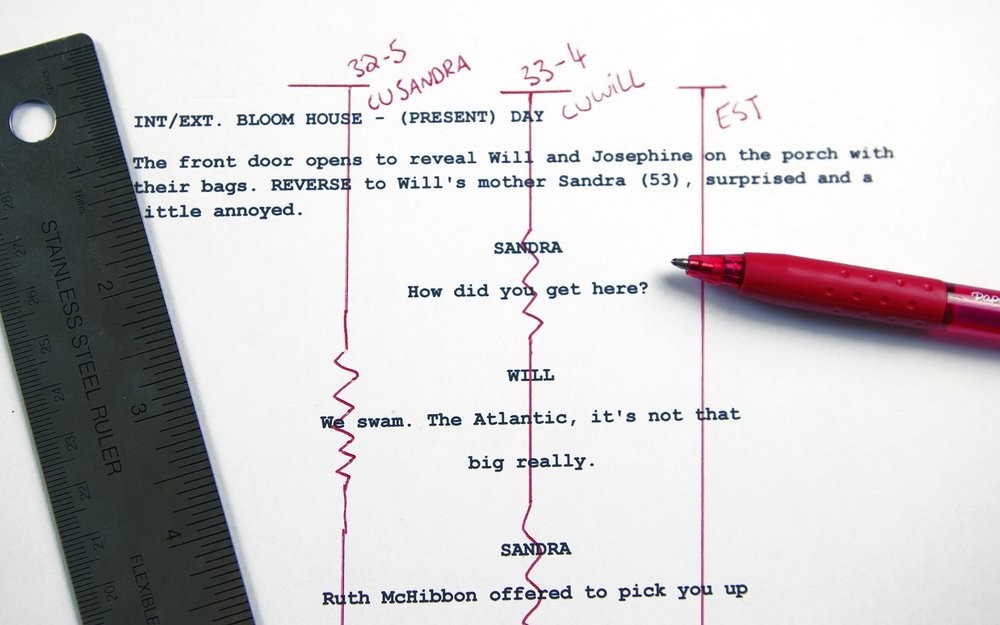
- Spec script: Industry screenplay format with scene headings, action lines, character names, and dialogue.
Purpose
- Treatment: Communicates the whole story efficiently. Helps sell the idea or align the team before drafting.
- Spec script: Demonstrates execution on the page, including structure, pacing, voice, and dialogue.
In other words: a treatment answers, “What happens?” A spec script proves, “Here is how it plays.”
Treatment vs. shooting script
A shooting script is a different creature entirely. It is the production draft used on set, built for logistics as much as story.
Numbering and stability
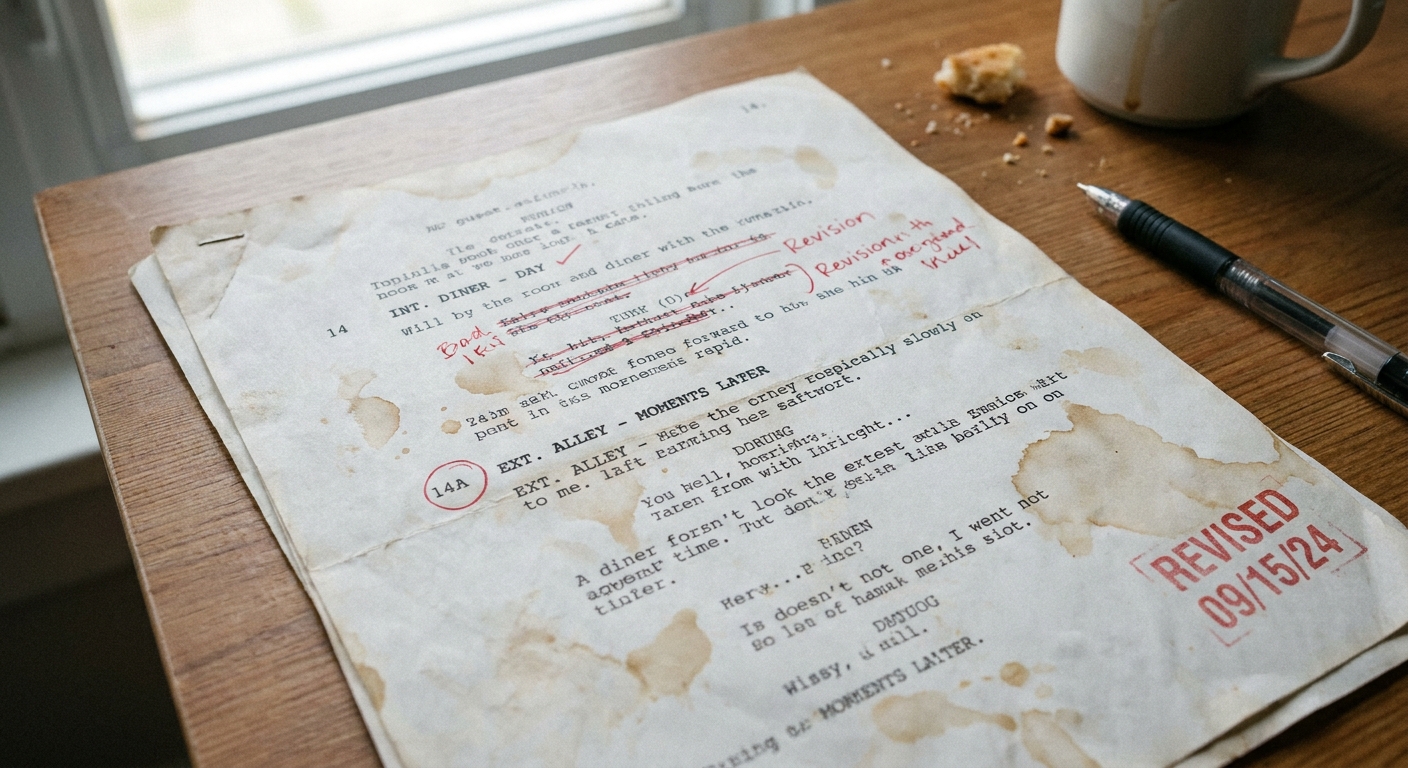
A key difference is that a shooting script typically has locked scene numbers, so departments can coordinate changes without chaos. If a new scene is added, it may be labeled with letters (for example, 12A) rather than renumbering the entire script.
Production-ready details
Shooting scripts often include technical or production-related adjustments, such as revised pages, standardized scene numbering, and other elements that keep a crew synced. A treatment does not do this. A treatment is for development and pitching, not for calling “action.”
Why treatments are useful
Treatments endure because they solve a simple problem: lots of people need to understand a story before anyone has the time or budget to refine it into a full script.
- Speed: Easier to read than a full screenplay.
- Clarity: Makes plot and character arcs visible in one pass.
- Alignment: Helps collaborators agree on what the project is before pages multiply.
- Pitch power: Communicates tone and momentum without asking a reader to decode format.
They also help writers spot problems early. When a story feels muddy in a treatment, it will usually feel muddier in a 100-page script, or a 90 to 120-page feature draft.
And if you want to keep the same movie-in-your-head energy you opened with, here is the north star: by the time someone finishes your treatment, they should feel like they just watched the highlights reel.
Quick checklist
If you are reading a treatment, here are the questions it should answer cleanly.
- Who is the protagonist, and what do they want?
- What changes when the story kicks off?
- What stands in the way, and how do the stakes climb?
- What are the turning points that reshape the plan?
- How does it end, and what is the emotional landing?
- What is the tone, and what makes it distinct?
FAQ
Is a treatment the same as a synopsis?
They are close cousins. A synopsis is often shorter and more purely summary-focused. A treatment tends to be more immersive, with more attention to tone, rhythm, and key moments.
Does a treatment include dialogue?
Sometimes a line or two, especially if it captures the project’s voice. But treatments generally avoid pages of dialogue and keep the focus on story beats.
Do TV shows use treatments?
Yes. TV development commonly uses prose documents to communicate the story of a pilot, an episode, or even a season shape, depending on the stage of development.
Can a treatment replace a screenplay?
For pitching and early development, it can be enough to start a conversation. For production, a treatment cannot replace a screenplay. Eventually, the story needs a script that departments can break down and a set can shoot.