Lights down. Curtain up.
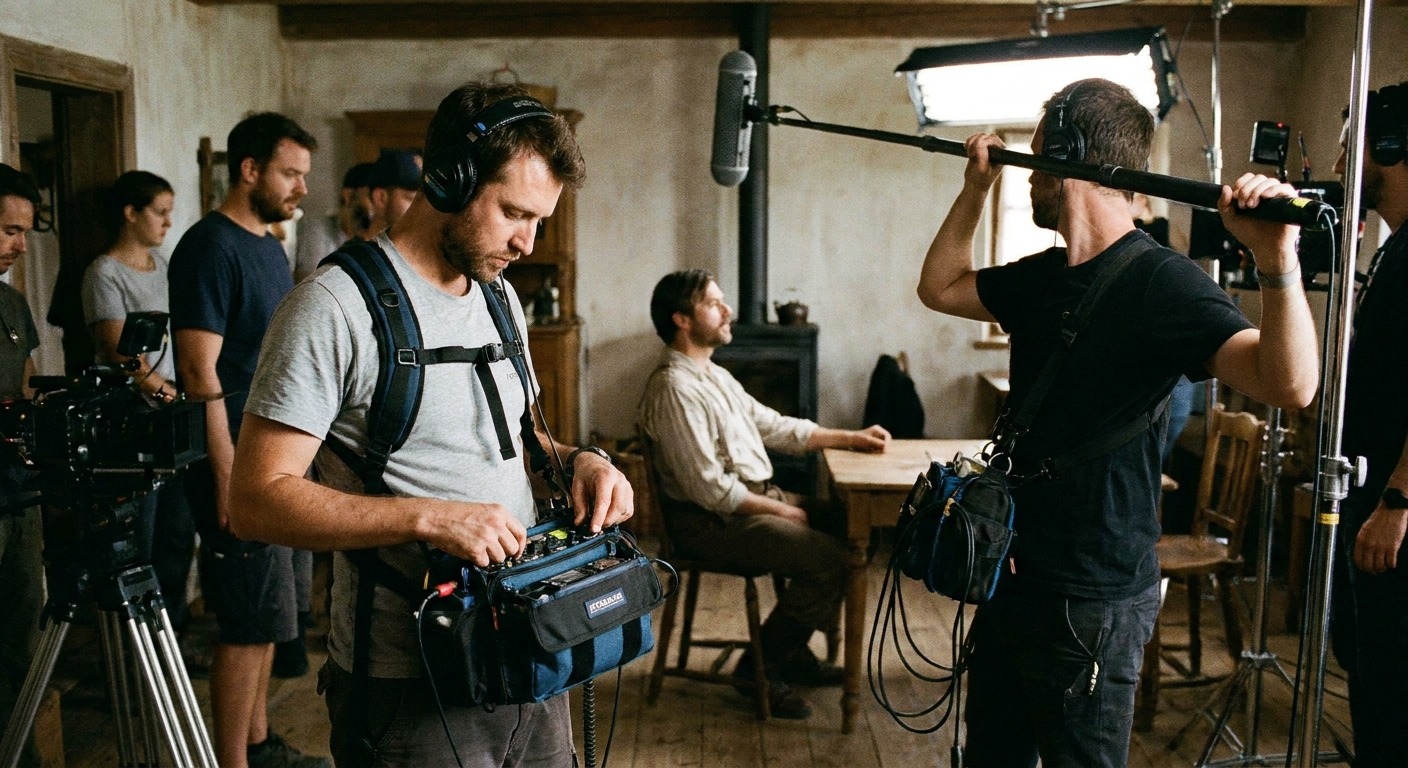
If you have ever been on a film or TV set, you might have heard the assistant director, the sound team, or both call for a strange kind of stillness: “Quiet for room tone.” No lines. No action. Just everyone freezing in place like the world hit pause. It sounds like nothing, and that is the point.
Room tone, defined
Room tone is an audio recording of the natural “quiet” of a specific location, captured so editors can fill gaps between dialogue lines and make a scene sound continuous.
Even when a space feels silent to us, a microphone hears a signature bed of sound: an air conditioner cycling, electricity hum, distant traffic, a refrigerator buzz, wind rubbing a window frame, fluorescent lights, HVAC vents, or the gentle hiss of a building at rest.
That fingerprint changes from room to room and can even change within the same room depending on where the mic is and what is switched on.
Room tone is also sometimes called tone, ambient tone, or presence. Terminology varies by show and by department. Some crews use “ambience” as a broader, more designed idea, and “room tone” as the clean, literal bed captured for editorial glue.
Why editors need “silence” that is not silent
When dialogue is cut together, there are often tiny holes where sound suddenly drops away: pauses between lines, trims inside a sentence, reaction shots, or a pickup line spliced into the middle of a take. If there is no background bed under those edits, you get an unnatural dip that can feel like the audio is blinking on and off.
Room tone gives the post team location-matching sound to:
- Fill pauses between dialogue so the background stays consistent.
- Smooth edits when two takes are stitched together.
- Support noise reduction by providing a representative sample of the environment, when it is clean enough to be useful.
- Build a believable space under close-ups, cutaways, and reaction shots.
In other words, room tone is part of the illusion. It keeps your ear from noticing the scissors.
When “stand still for room tone” happens on set
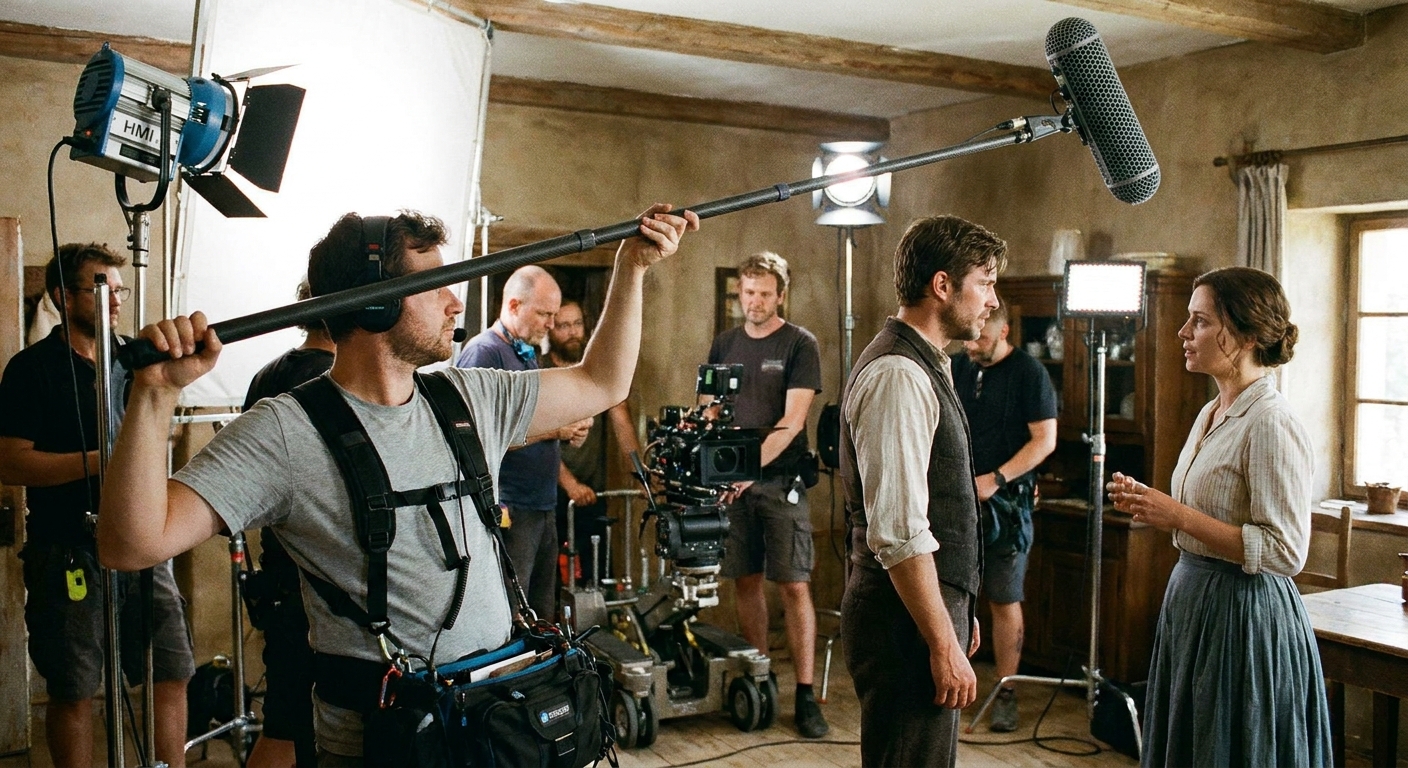
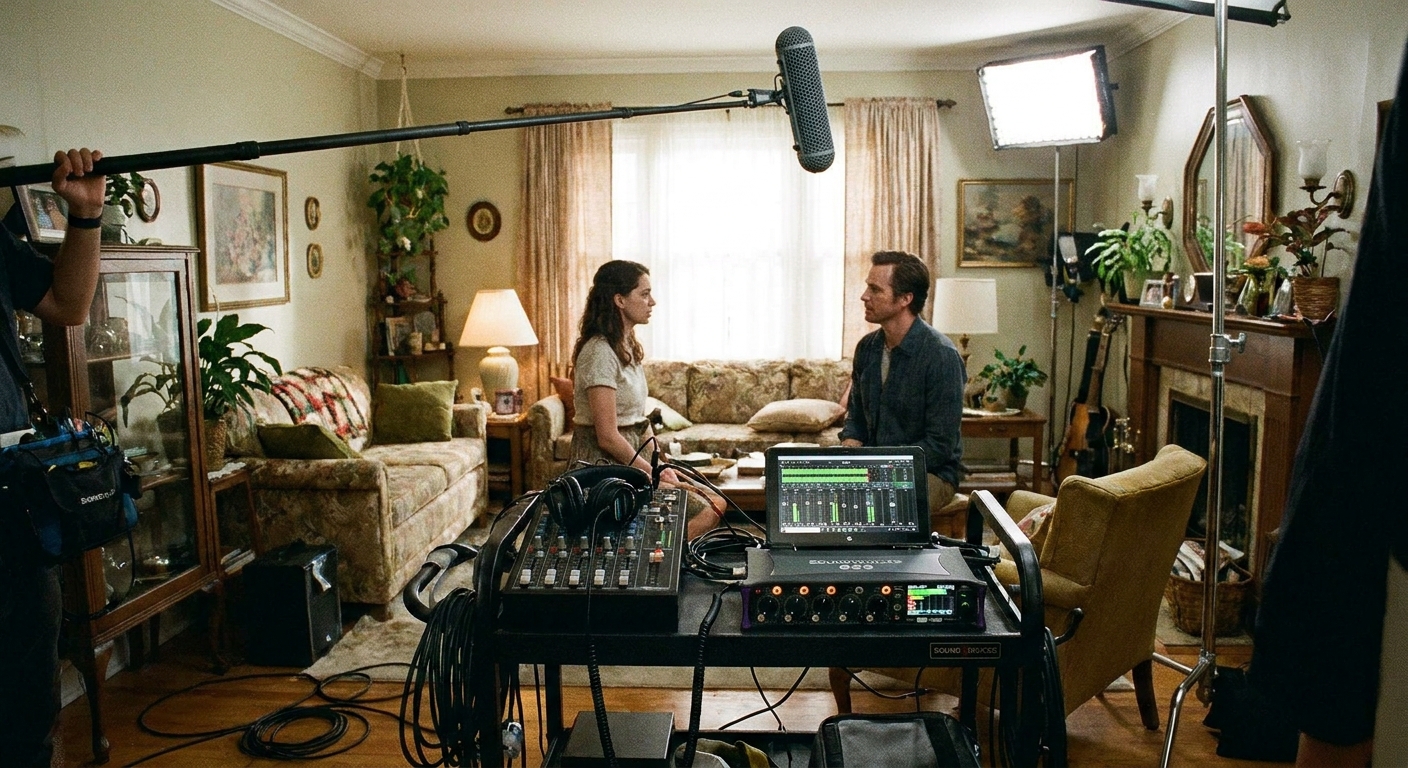
Room tone is typically recorded by the production sound mixer and boom operator after a setup, often once the director is happy with the takes and before everyone moves on. The request is simple but strict: hold positions and stop making any noise, including the little noises you do not notice you are making.
What the crew is asking for
- No talking, whispering, or laughing.
- No movement that creates cloth rustle, chair squeaks, or footsteps.
- No prop handling unless it is meant to be part of the tone.
- No fidgeting with jackets, jewelry, phones, or water bottles.
In many cases, the sound team wants the room to match the scene conditions. If the refrigerator was on during the take, it stays on. If the scene was shot with a door open to a noisy street, that door stays open. If wardrobe rustle was part of the real-world setup, actors stand as they stood, because the microphone hears what it hears.
How long is room tone?
There is no single universal length, but it is often recorded in short stretches, commonly around 30 seconds to a minute, sometimes longer if the environment is complicated or the scene will require lots of editorial patching. The key is that it is clean, steady, and specific to that setup.
Also, editors do not rely only on dedicated room tone. They often pull usable “tone” from the handles, the few seconds of sound before “action” and after “cut”, or from quiet moments within a take.
Room tone vs. ambience
Room tone is the base layer of a location, captured with the same microphones used for the scene, in the same space, under the same conditions. It is the glue.
Ambience is often a broader term for background sound design: birds, distant city wash, a refrigerator that feels louder for mood, a hallway tone that sells the building, or a night exterior bed. Ambience might be recorded on set, sourced from libraries, or built by sound designers to shape the world of the story.
In practice, room tone is usually more subtle and more literal. Ambience can be more expressive.
Room tone vs. ADR and foley
Room tone often gets mentioned in the same breath as other sound terms, especially on sets where people are learning the language. Here is the clean separation.
Room tone vs. ADR
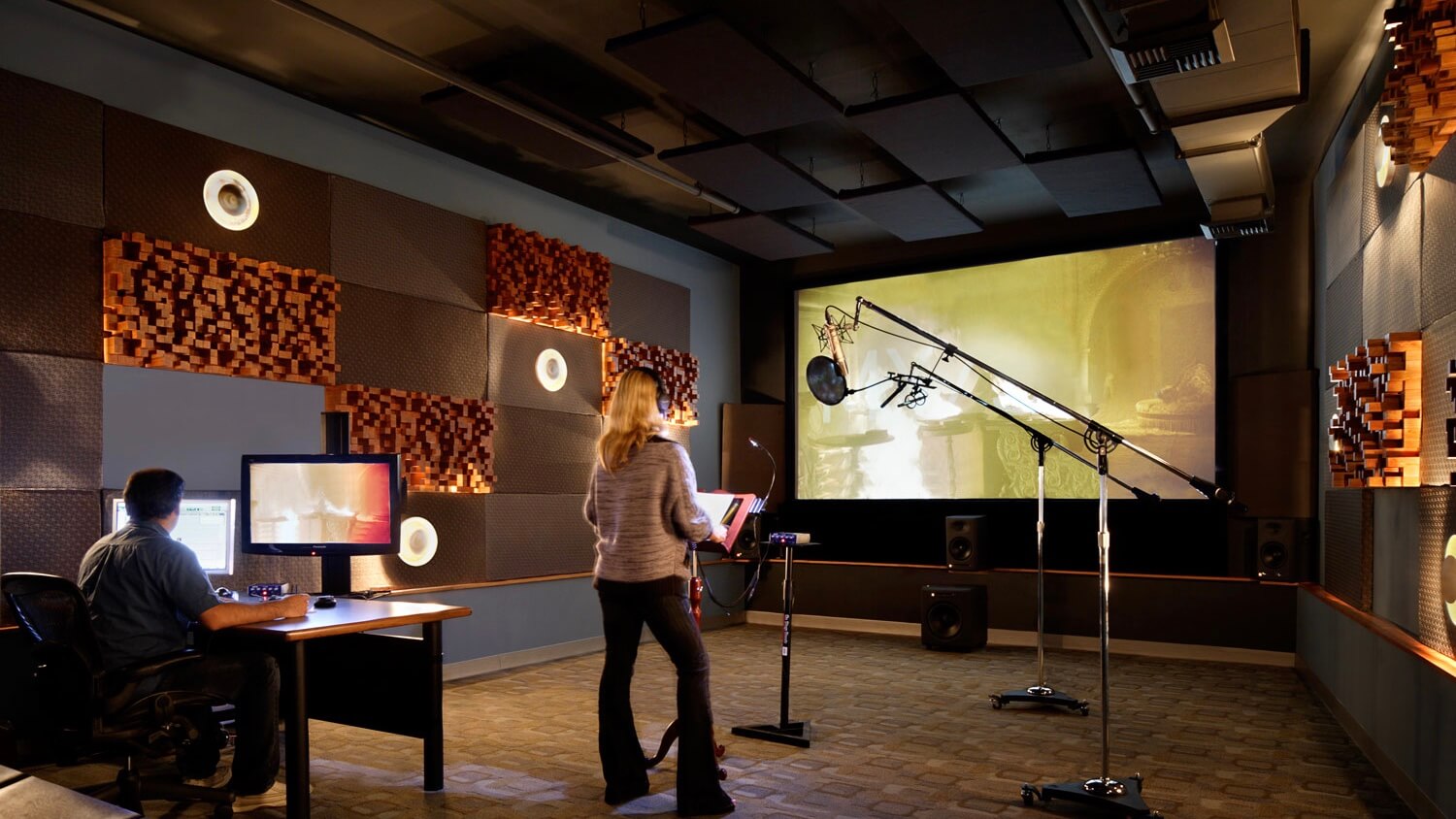
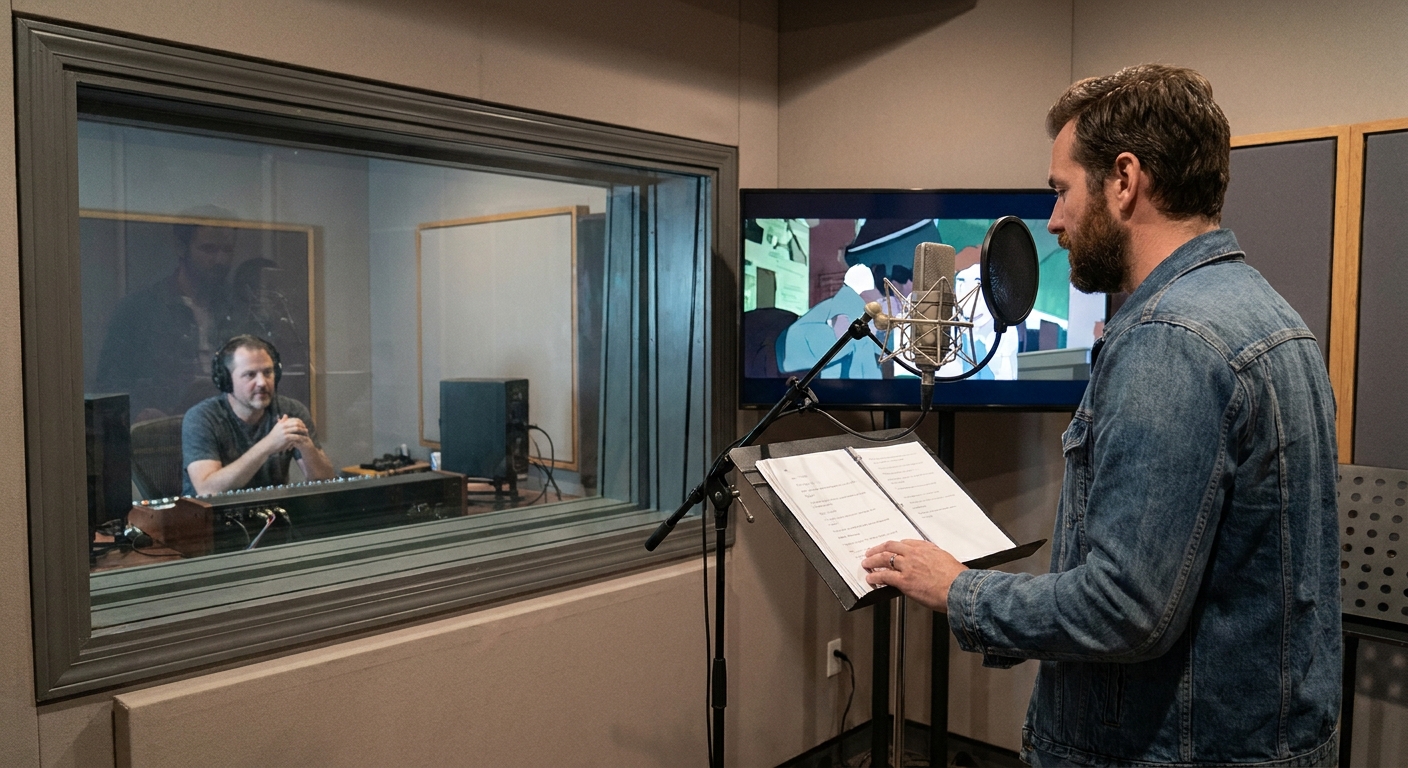
ADR (automated dialogue replacement) is when actors re-record dialogue lines after filming, usually in a studio, to replace or improve what was captured on set. ADR is performed speech. Room tone is the quiet of the space used to support edits and help ADR sit naturally in the scene.
Room tone vs. foley
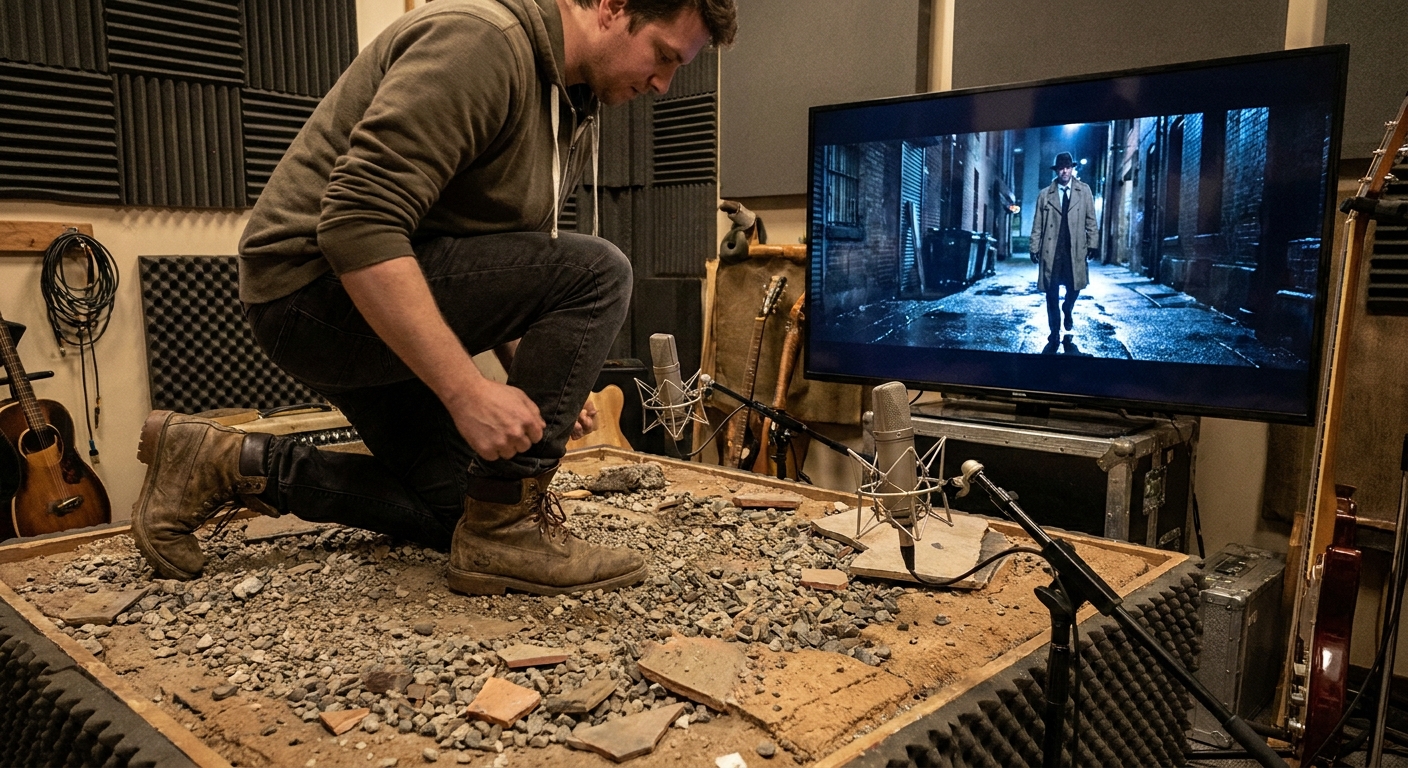
Foley is performed sound effects created in sync with picture, like footsteps, clothing movement, a hand setting down a glass, or a chair creak. Foley is deliberate performance. Room tone is non-performed environmental bed.
Room tone vs. loop group walla
A loop group (also called group ADR) records background voices like party chatter, restaurant murmur, or crowd reactions. That background is often called walla. Walla is human voices performed to create a crowd. Room tone is what is left when the humans stop making noise.
What room tone is not
- Not “mute.” It is full of tiny sounds that define the space.
- Not a sound effects track. It should not include intentional actions like footsteps, dishes, or a door slam.
- Not the same everywhere. Each room, each street, each car interior has its own signature.
- Not optional when you are cutting dialogue. You can survive without it, but your edits will fight you.
If you are an extra, why room tone still matters
Room tone moments are part of the rhythm of set life, and they are a small place where professionalism shows.
- Freeze your body. Even a jacket shift can sound like thunder on a sensitive mic.
- Hold props still. Phones, cups, jewelry, and bags love to click at the worst moment.
- Watch your shoes. A tiny scuff can be louder than you think.
- Stay ready. The room tone take can be called quickly, and it ends quickly.
It is one of those behind-the-scenes details that helps the finished scene feel effortless.
Room tone FAQ
How do you record room tone?
Typically, the production sound mixer records it on the same recorder and with the same mic or mics used for the scene, with placement and settings kept as close as practical to the dialogue setup, while everyone stays still and quiet. If a scene used both boom and lavs, the sound team may capture tone that matches each mic perspective if time allows.
Is room tone the same as “silence” in editing?
No. True digital silence can sound unnatural when inserted into a live-action scene because the background suddenly disappears. Room tone keeps the world present, even in pauses.
Do you record room tone for every location?
Often yes, especially for dialogue-heavy setups or locations with noticeable environmental sound. Many productions try to capture tone whenever they can because it saves time and fixes headaches later.
What happens if you forgot to record it?
Editors may pull tone from handles, unused parts of takes, or alternate takes, or they may build a matching bed from ambience or library recordings. It is possible, but it is harder to make it perfectly seamless.