Lights down. Curtain up.
If you spend any time around theater people, you will hear the phrase “Is it Equity?” whispered like a backstage password. Actors’ Equity Association, usually just called Equity, is the labor union that represents professional stage actors and stage managers in the United States. It negotiates contracts, enforces workplace rules, and backs members up when things get messy.
Actors’ Equity, defined
Actors’ Equity Association (AEA) is a U.S. labor union that represents stage performers and stage managers working in live theater. Equity’s core job is collective bargaining: negotiating agreements with producers and theaters that set minimum standards for wages, working conditions, benefits, and safety.
Equity is focused on live stage work, from Broadway and national tours to many regional theaters and smaller professional houses that operate under Equity agreements.
What an Equity contract changes
When a show is produced under an Equity agreement, it is not just a label. It is a set of enforceable rules that shape day-to-day work. Specifics vary by contract type and theater, but these are the big categories that typically change.
Pay and minimums
Equity contracts generally establish minimum salaries for covered roles, including stage actors and stage managers. A production can always pay above minimum, but the contract sets a floor.
Many agreements also address things like:
- When you get paid and how payroll is handled
- Overtime or premium pay in certain situations
- Additional payments for specific duties, depending on the contract
Rehearsal hours and work rules
One of the most immediate differences between Equity and non-Equity work is structure. Equity agreements commonly regulate:
- Maximum rehearsal hours per day and per week
- Breaks during rehearsal and performances
- Days off and turnaround time, meaning rest time between calls
- Schedule notice, so last-minute surprises are limited
That does not mean theater becomes easy. It means the workload is defined, documented, and something you can formally challenge through the grievance process if it goes off the rails.
Health and safety protections
Equity has a long history of pushing safety forward in live performance, where the hazards are real: choreography, fight calls, quick changes, automation, pyrotechnics, fog, and working in older venues with tight wings and steep stairs.
Depending on the agreement, rules and best practices can cover:
- Safe rehearsal and performance conditions
- Fight choreography and intimacy staging expectations when applicable
- Backstage and dressing room standards
- Special protections for minors when productions involve young performers

Stage management protections
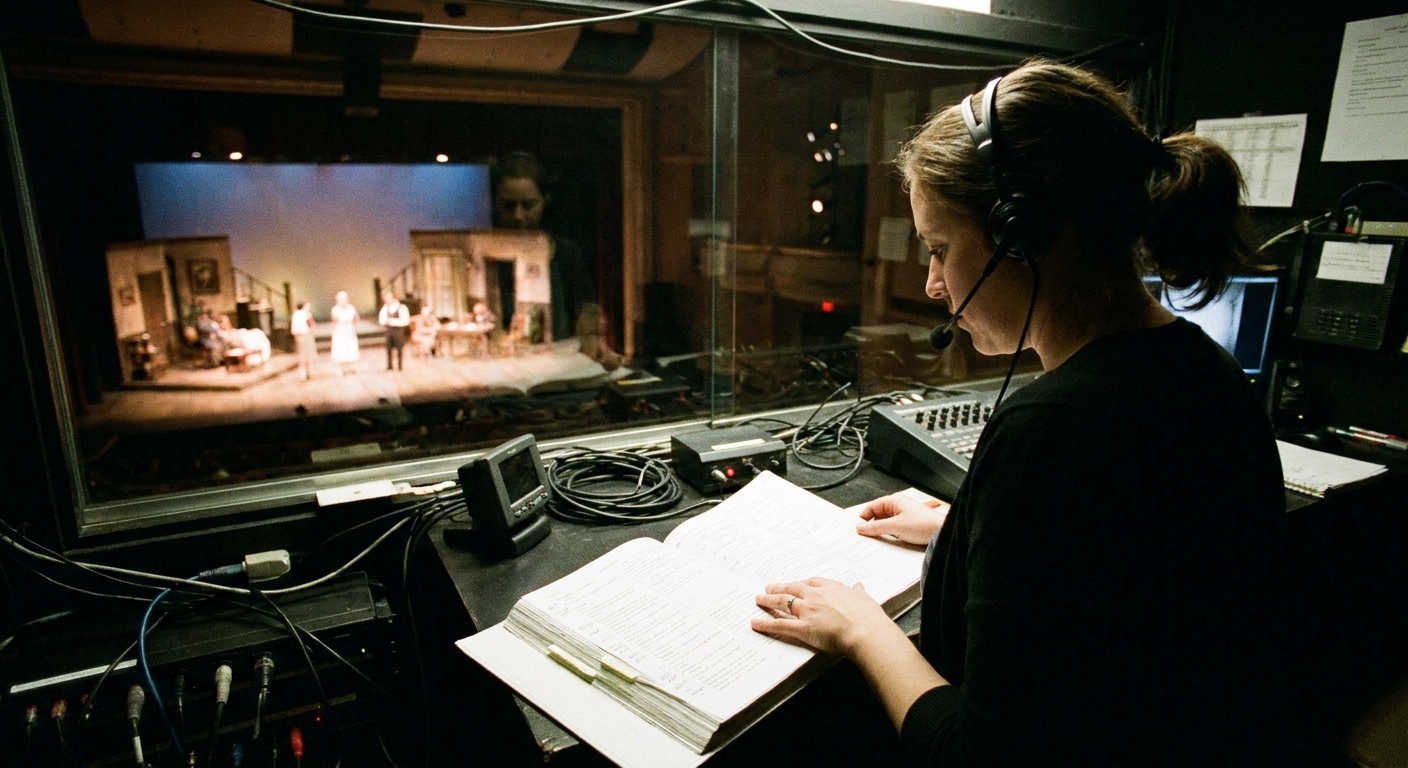
Equity represents stage managers too, and that matters. Stage managers are often the hub of communication, scheduling, and documentation. Equity agreements typically define stage management staffing needs and working conditions so the job is not treated like an endless, always-on task without boundaries.
Disputes and enforcement
A contract only matters if it can be enforced. Equity provides a framework for addressing violations, from informal fixes to formal grievance procedures. The goal is not drama. The goal is a professional workplace where everyone can do their best work safely.
How do you join Actors’ Equity?
Equity membership is not something you “click to unlock.” It is typically tied to doing qualifying professional work under an Equity agreement, or through a membership pathway recognized by the union.
Because eligibility rules and entry programs can change over time, the most reliable move is to confirm the current requirements directly with Equity. Here is the official site: actorsequity.org.
Common routes
- Working under an Equity agreement: In many cases, doing qualifying work for an Equity producer is part of the path to membership.
- Recognized entry programs: Equity has offered structured candidate systems in the past and policies can evolve, so check Equity’s current membership pages for what is active now and what it requires.
However you get there, joining a union is a career decision as much as a paperwork decision. It can change which jobs you are eligible for, which auditions you can accept, and how you navigate non-Equity work.
Equity vs. SAG-AFTRA
The quickest way to separate the two is by medium:
- Actors’ Equity: live stage work, representing stage actors and stage managers.
- SAG-AFTRA: screen and recorded media work, representing performers in film, television, streaming, commercials, voiceover, and more.
There is overlap in the sense that many artists work in both theater and screen. But the unions are distinct, with different contracts, different employers, and different rules. Some projects also blur the line between live and recorded, so it is always worth checking which agreement applies before you say yes.
If you do both
Some performers hold membership in both unions during their careers. That comes with obligations and eligibility requirements for each, and it can affect what work you can accept. If you are at that crossroads, it is smart to talk directly with the unions and with trusted reps or mentors, especially before signing anything.
Equity vs. non-Equity
In theater, you will often see auditions and jobs described as Equity, non-Equity, or Equity Principal Audition (EPA) language depending on what is current in your region.
Broadly:
- An Equity production uses an Equity contract and employs Equity members under those terms.
- A non-Equity production does not use an Equity agreement, meaning pay, hours, and conditions are set by the producer and any applicable laws, plus whatever you negotiate.
Non-Equity does not automatically mean “bad,” and Equity does not automatically mean “perfect.” But Equity agreements are designed to create minimum standards, and they give members a formal structure for addressing problems.
Why this matters
Unions influence the whole ecosystem. Equity standards often become reference points in the wider theater community. Even outside Equity contracts, you will hear theaters and artists talk about “Equity-level” rehearsal schedules, safety practices, and professional expectations.
If you are a theatergoer, it matters too. The working conditions behind the curtain shape what ends up on stage, night after night.
Quick questions
Is Actors’ Equity only for Broadway?
No. Equity is strongly associated with Broadway because those contracts are high-profile, but Equity agreements also exist across tours, regional theaters, and other professional venues.
Does Equity cover film and TV acting?
Equity is the stage union. Film and TV are generally under SAG-AFTRA contracts in the U.S.
Are stage managers included?
Yes. Actors’ Equity represents stage actors and stage managers.
Can a show have both Equity and non-Equity actors?
Some productions operate with a mix, but it is contract-specific and often limited or tightly regulated. If you are being offered a contract, read it closely and ask questions before you sign.
The takeaway
Actors’ Equity is the union that protects and advances the working lives of U.S. stage actors and stage managers. An Equity contract can reshape a production’s reality in concrete ways: minimum pay, rehearsal limits, rest time, safety standards, and a process for enforcing them.
And if you are building a life in theater, understanding Equity is part of learning the business behind the art.