Lights down. Curtain up.
If you have ever scanned a Broadway listing and seen the words limited engagement, you have spotted a very specific promise. It does not mean the show is “exclusive” or “hard to get into” by definition. It means the production is scheduled to end on a set date.
Limited engagement, defined
A limited engagement on Broadway is a production announced for a pre-planned, fixed run. The marketing and ticketing will typically name an end date, often phrased like:
- “Through January 4”
- “Now through February 15”
- “Final performance March 8”
In other words, the show is not trying to run forever. It is selling a specific window of performances, then it is done.
For simplicity, I will use limited engagement and limited run interchangeably here. Same idea: a capped schedule with a posted end date.
Open run vs limited run
Broadway productions generally fall into two scheduling buckets:
Open-ended (or “open run”)
An open run does not have a publicly announced end date. The show continues as long as it is financially viable and the theater, company, and producers keep it going. This is the model behind long-running hits, but it is also how many brand-new shows begin.
Limited engagement
A limited engagement has a built-in closing date from the start. Even if sales are strong, the plan is still to stop on that date unless the producers officially announce an extension.
One quick rule of thumb: if the listing includes a clear “through” date, you are probably looking at a limited engagement.
Why go limited
Broadway is a puzzle of schedules, unions, theater availability, and pure logistics. A limited engagement can be a smart solution, not a compromise.
Star casting and tight availability
Sometimes a production is built around a performer who can only commit for a certain number of weeks. A limited engagement lets a show say, clearly: this is when you can see this version of the production.
An event feel
A limited run can create urgency. If audiences know the clock is already ticking, they are more likely to commit to a date instead of saying, “I will catch it later.”
Planned transfers and special runs
Some productions arrive on Broadway with a clear, finite goal, like a revival with a specific cast, a short run by a visiting production, or a booking that only has the theater for part of the season.
Also worth noting: limited engagements are common for plays, concerts, solo shows, comedy runs, and star-led revivals, not just musicals.
Budgeting and risk control
Running a Broadway show is expensive. A limited engagement can cap costs and help producers plan marketing, staffing, and recoupment targets around a known end point.
What the end date means for tickets
When a show is a limited engagement, the closing date changes how you should think about availability.
Supply is capped
There is a ceiling on how many performances exist between now and closing. Producers can sometimes add an extra performance (like an added matinee) within the existing window, but once the published end date passes, that schedule is over unless an extension is announced.
Popular dates go first
Weekends, holidays, and travel-heavy weeks can disappear fast because tourists and groups tend to target the same time slots. In a limited run, those high-demand performances have less wiggle room.
Prices can rise near closing
Ticket prices are not only about seats. They are about demand meeting a fixed amount of inventory. For limited engagements that catch fire, you can see:
- More premium-priced seats released
- Fewer discounts, if any
- Resale prices climbing for the best dates and sections
That said, limited engagement does not automatically mean “expensive.” Some limited runs have plenty of availability, especially earlier in the engagement or midweek.
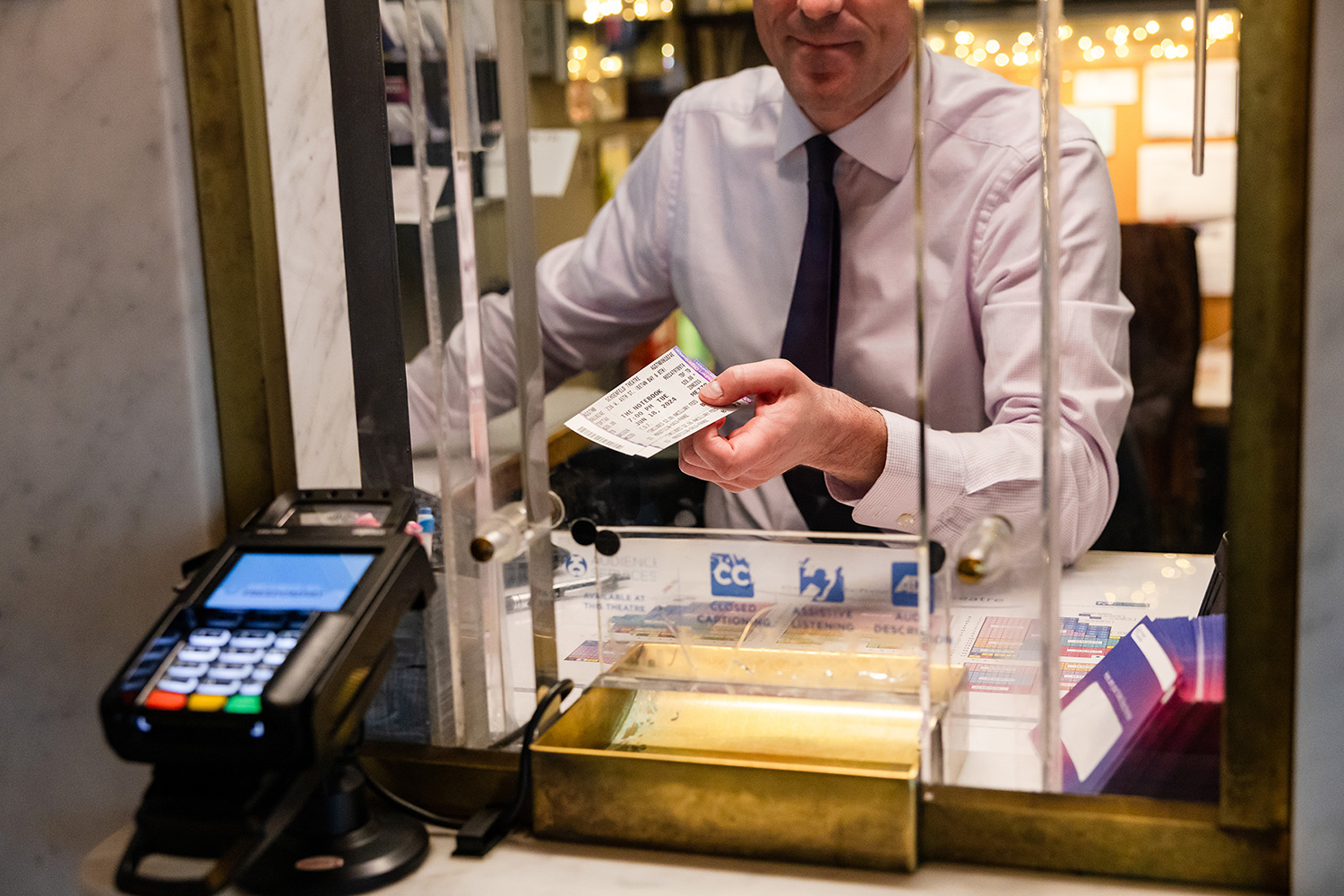
Quick safety note: to avoid headaches, confirm dates and buy through the show’s official site or the primary ticketing provider. If you use resale, double-check delivery method, fees, and seat details.
Can it be extended?
Yes. A limited engagement can be extended if the production, cast, and theater can make it work. When that happens, you will usually see an announcement like “extended through…” and a new end date appears.
But until an extension is official, treat the published end date as real. Broadway schedules are set for a reason. If you are planning travel, do not assume more dates will magically appear.
Reading listings
Broadway ticket pages and show ads tend to use similar language. Here is what it usually means:
- “Through January 4”: planned to play until that date.
- “Final performance March 8”: the closing date is set and publicly announced.
- “Limited engagement”: there is an end date, even if you have to click through to find it.
- “Special engagement”: often a short run, sometimes celebrity-led, typically limited.
If you are booking travel, look for the phrase “through” or “final performance” on the official show site or primary ticketing page before you lock plans.
Last-minute buyers
I see you, spontaneous theatergoers. A limited run can still work with last-minute ticket habits, but the risks are sharper.
- If it is a hot ticket, waiting can backfire. Near the end date, the remaining inventory may be sparse or premium-priced.
- If it is not selling out, you can sometimes find better options close to showtime, especially midweek.
- If you have one must-have date, buy earlier. Flexibility is the friend of last-minute deals, and limited engagements reduce flexibility.
FAQ
Does limited engagement mean the show is leaving Broadway forever?
It means this Broadway run is scheduled to end. The production could still continue elsewhere, tour, transfer, or return in another form, but Broadway audiences should assume the run is ending on that date.
Is a limited engagement the same as previews?
No. Previews are performances before the official opening night, when a show is still adjusting. A limited engagement is about the overall length of the run and its scheduled closing date.
If a show says “limited engagement,” will it be harder to get tickets?
Not always. It simply tells you the number of performances is capped. Difficulty depends on demand. Some limited runs are easy to book. Others sell out quickly, especially if they are star-driven or heavily buzzed.
Do tickets get cheaper right before a limited engagement closes?
Sometimes, but it is not guaranteed. If demand spikes near closing, prices can rise. If demand softens, you might see more availability. The key is that there are fewer chances for the market to reset because the run ends on a known date.