Lights down. Curtain up.
Then, right on cue, the sky decides to join the headliner.
If you have tickets to an outdoor concert and the forecast turns moody, the biggest question usually is not “Will I get wet?” It’s “What does my ticket actually promise?” Here’s how rain-or-shine works in real life, what typically causes delays, why lawn tickets rarely come with shelter, and when weather crosses the line into a true cancellation that can mean a refund.
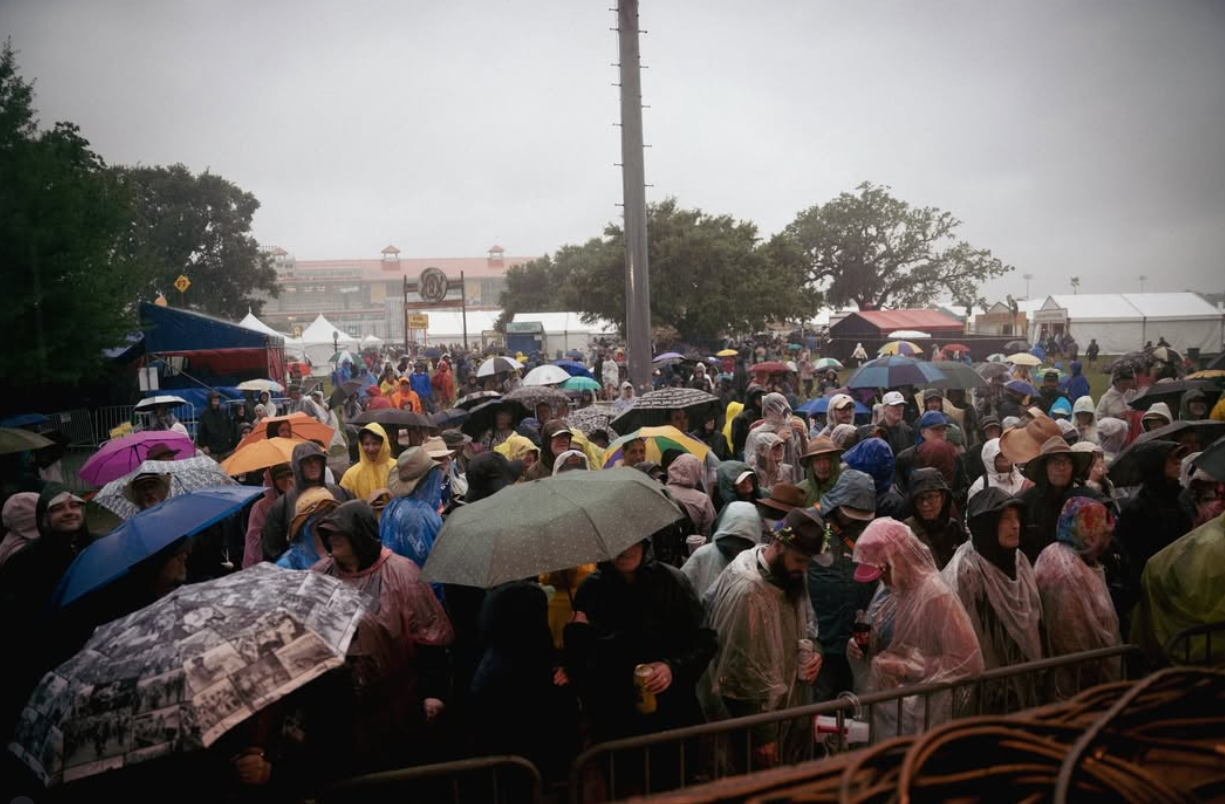
What “rain or shine” means
A lot of outdoor concerts are sold as rain or shine. In plain terms, that usually means:
- Rain alone often does not stop the show. Drizzle, steady rain, and messy conditions are commonly treated as part of the outdoors package.
- Your ticket is for entry, not comfort. The venue is promising a performance if conditions are safe enough to hold one, not a dry seat or a perfect forecast.
- Policies come from the venue and promoter, not the weather app. Even if the forecast looks grim all day, many organizers wait to decide based on conditions on site.
That said, “rain or shine” does not mean “anything goes.” Safety still runs the show, and certain weather conditions can trigger a pause, delay, or cancellation.
Delays are common
If a concert pauses in bad weather, it is often a hold or delay, not a cancellation. Outdoor venues typically plan for temporary stops so they can resume when it is safe.
Quick translation: a delay/hold pauses the show, an evacuation clears exposed areas (sometimes the whole venue) to shelter, and a postponement moves the event to a future date.
What can cause a delay
- Lightning in the area. Many venues follow lightning safety protocols that require clearing exposed seating and pausing the show until enough time has passed without a strike nearby.
- High winds. Wind can threaten staging, video walls, speaker hangs, temporary roofs, and rigging.
- Severe storms. Downpours can reduce visibility and raise electrical risk. Hail and tornado warnings tend to change the whole conversation fast.
- Flooding on site. Even if the sky calms down, standing water can make walkways, stairs, and lawn areas unsafe.
- Extreme heat. Heat advisories, high heat index readings, and medical call volume can lead to schedule changes, extra water breaks, or, in rarer cases, a stop.
During a delay, you might be asked to return to your car, move to a concourse area, or shelter in designated spaces. Whether you can shelter in your car or leave and come back depends on venue re-entry rules and how scanning is being handled that night, so check the venue’s policy and listen to staff instructions.
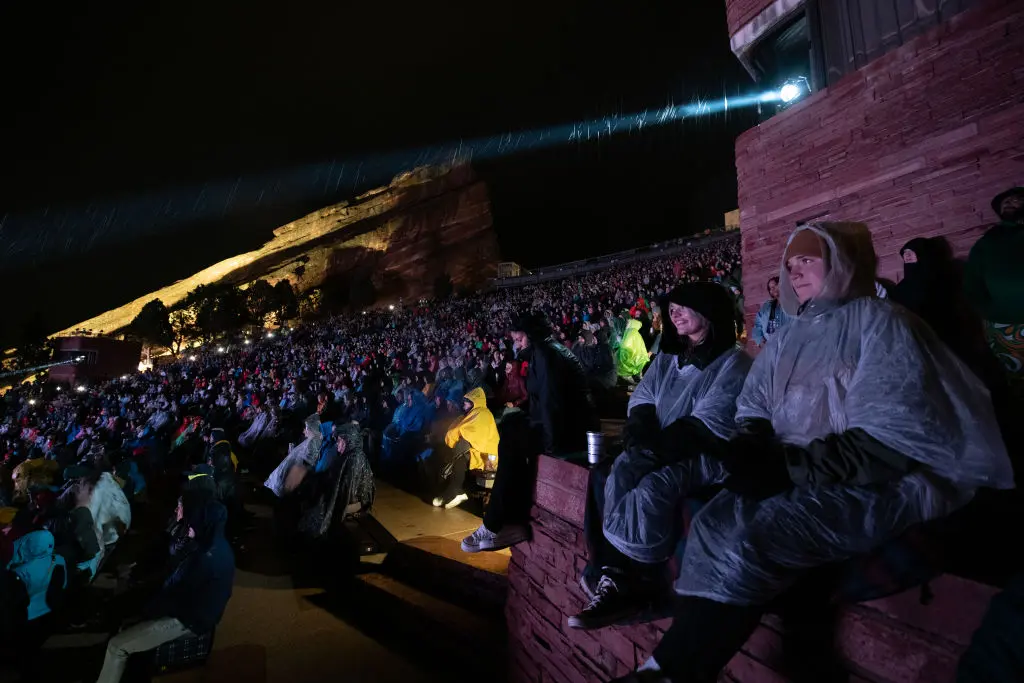
Lawn tickets
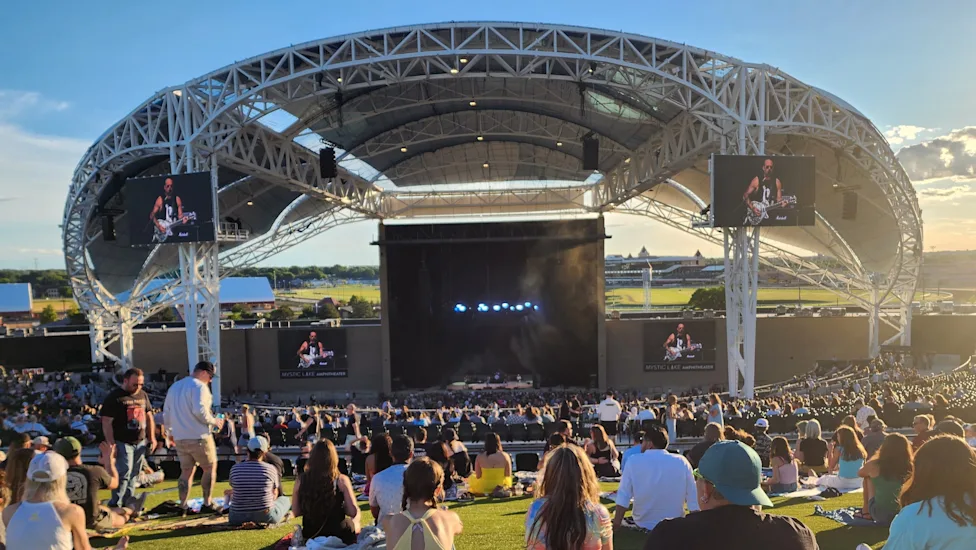
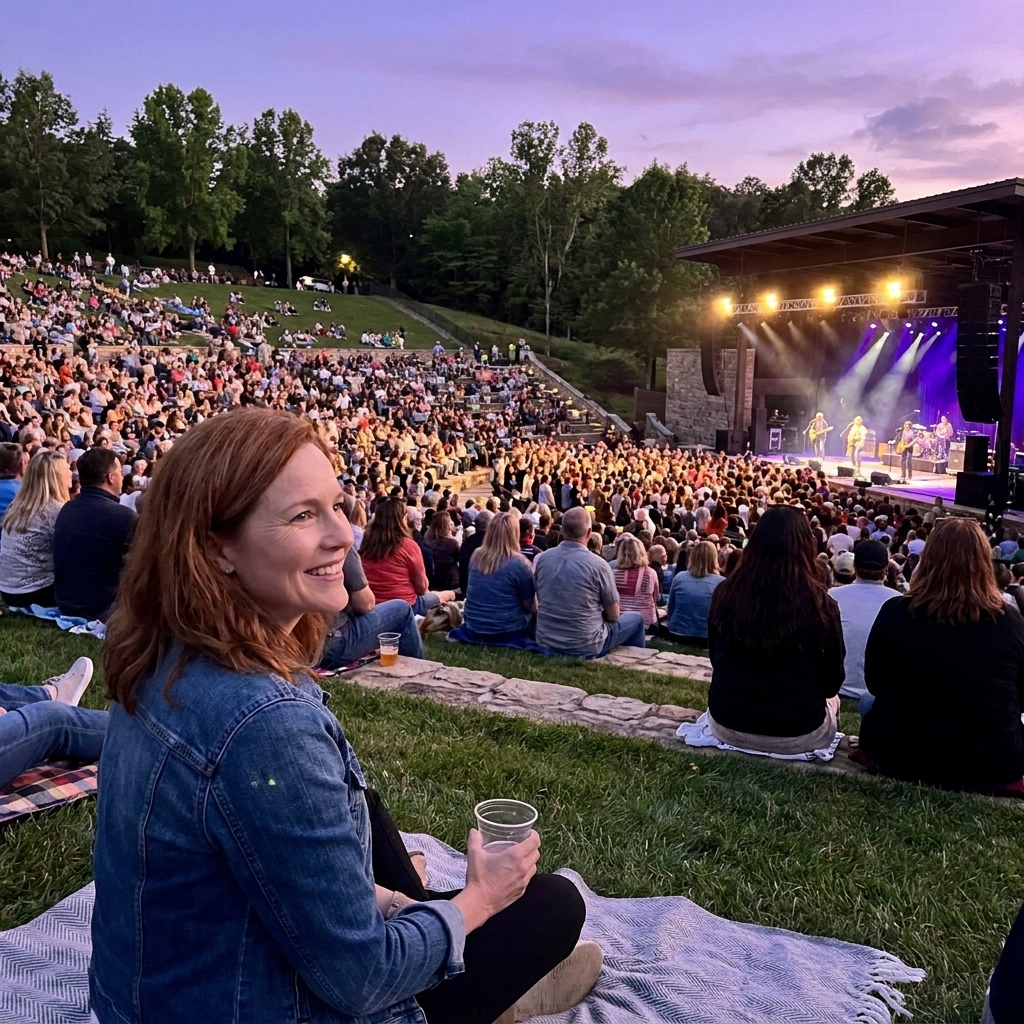
Outdoor amphitheaters love a lawn. It is social, it is scenic, and it is often the most affordable way to get in the gate.
It is also, in most venues, the most exposed part of the property.
What a lawn ticket includes
- Entry to the venue and access to the lawn viewing area
- Whatever sightlines the lawn provides that night
- Space that is typically first come, first served within the lawn section
What a lawn ticket usually does not include
- Guaranteed shelter. Lawn areas are usually open to the sky. Even if there are covered concourses elsewhere, that is not the same as a roof over your spot.
- A “move me under cover” upgrade. If it rains, venues typically do not relocate lawn ticketholders into reserved seats. Exceptions do happen, usually when the lawn is closed for safety or capacity, but it is not something to count on.
- Dry ground. Grass becomes slick. Dirt becomes mud. Blankets become sponge experiments.
If you are choosing between reserved seats under a roof and the lawn, weather is one of the biggest practical differences. Not because the show will automatically stop, but because the lawn experience changes dramatically once the rain arrives.
Umbrellas and ponchos
One more reality check: some venues restrict umbrellas, especially in seated sections, because they block sightlines and can turn into a hazard in wind. Before you pack one, scan the venue’s prohibited items list. A poncho is usually the safer bet.
When weather becomes a cancellation
Venues do not cancel lightly. Canceling means logistics, staffing, touring schedules, local regulations, and thousands of ticketing headaches. More often, they delay, wait it out, and try to complete the performance.
But sometimes weather crosses into unsafe territory or makes it impossible to continue.
Common reasons concerts get canceled
- Lightning and severe storms that do not clear within a workable time window
- High winds that compromise staging, rigging, or temporary roofing
- Tornado warnings, hurricanes, or extreme conditions under local emergency guidance
- Major flooding that affects evacuation routes, entrances, or power systems
Refunds depend on status
This is the part that surprises people. Whether you get a refund is usually tied to the event status and, sometimes, how much of the show occurred.
- If the event is officially canceled: refunds are commonly issued to the original method of purchase, typically through the ticketing provider, but timing can vary.
- If the event is postponed: your ticket is usually valid for the new date. Refunds may be offered within a specific window, but not always automatically.
- If the show starts and ends early: policies vary widely. Some organizers treat a partially completed show as “performed,” and some ticket terms use a time-based cutoff, while others do not spell out any threshold at all. Your most accurate answer is the event’s terms and the official call from the venue, promoter, or ticketing provider.
Also worth knowing: VIP packages, comp tickets, and third-party resale purchases can follow different refund rules or require you to go back through the original seller. If you bought on a resale marketplace, the venue usually cannot override that platform’s process.
How you will find out
Updates can be sporadic in fast-changing weather. Here is where decisions are typically posted first:
- The venue’s official channels (website and social accounts)
- The promoter or tour’s official channels
- Your ticketing provider account (status updates, emails, app notifications)
- On-site announcements over PA systems and venue screens
If you are already at the show, keep an eye on staff instructions. Outdoor venues plan evacuation routes and shelter procedures for a reason, and weather is not the moment to freelance.
One practical note: delays can ripple into parking lot exit times and public transit schedules. If you are relying on the last train or a shuttle window, build in extra margin on rough-forecast nights.
Quick ticket check
If the forecast looks rough, a few ticket-focused reminders can save stress:
- Assume rain means “still on” unless you see an official delay, postponement, or cancellation.
- Know what section you bought. Lawn is rarely sheltered, and some reserved sections have partial cover while others are fully exposed.
- Plan for a longer night. A delay can push end times later than you expected, especially on weekdays.
- Check re-entry rules. If you shelter in your car or step out, you may or may not be able to re-enter depending on venue policy and how tickets are being scanned during the delay.
- Keep your tickets accessible. If you do re-enter after sheltering, you may be asked to show them again.
FAQ
If it’s raining, will the outdoor concert be canceled?
Usually not. Many outdoor concerts are rain or shine, meaning rain alone is not enough to cancel. Severe weather like lightning, high winds, extreme heat, or dangerous storms is more likely to cause delays or cancellations.
If the show is delayed for weather, do I get a refund?
Not typically. A delay is usually treated as the event continuing later, not as a cancellation. Refunds are most commonly tied to an official cancellation, and sometimes to postponements under specific rules.
Does a lawn ticket come with shelter if it rains?
In most venues, no. A lawn ticket generally buys entry and lawn access, not cover. You may have access to concourses or other common areas, but your viewing area itself is usually exposed.
What weather is most likely to stop an outdoor concert?
Lightning is a frequent cause of pauses and evacuations. High winds and severe storm warnings can also stop a show, especially if staging or crowd safety becomes an issue. In some cases, extreme heat can also trigger schedule changes or stoppages.