Lights down. Curtain up.
If you have ever wondered how the same people always seem to have the “good seats” and a calendar that magically fills with opening nights, there is usually a simple answer: they are subscribers. A theater season subscription is not a single ticket. It is a package that reserves your place across several productions the venue presents during its season.

The quick definition
A theater season subscription is an advance purchase that includes multiple shows (and sometimes extra benefits) for a specific season. The exact timing varies by organization. Many run roughly fall through spring, but plenty follow a calendar year, a summer season, or a year-round schedule. Instead of buying each production one at a time, you commit to a bundle and the theater commits to holding seats for you.
Subscriptions are common at regional theaters, opera and ballet companies, symphonies, presenting organizations, and many nonprofit venues. Some commercial venues and presenters offer multi-show packages too, but the classic “season subscription” model is most at home in organizations that curate a lineup each year.
What you usually get
Every theater writes its own rules, but most season subscriptions combine some mix of these core features:
- A set number of productions included in the package, often the “mainstage” season (the headline productions on the primary stage).
- A defined seat location (for fixed-date packages) that is held for you across the season.
- Early access to choose seats or buy add-on tickets before the general public.
- Exchange options if you cannot make your scheduled performance.
- Subscriber pricing that can be lower than buying the same seats show by show, though the value varies widely by organization.
One more thing to watch: some venues include ticketing and handling fees in subscription pricing, while others still add them at checkout. It is not glamorous, but it is real money.

Full-season vs flex
Full-season (fixed) subscriptions
A full-season subscription typically means you are attending every mainstage show (or a defined portion such as a “classic series” or “musical series”). You usually choose:
- Your seating area (and sometimes exact seats).
- Your day of week and time (for example: Friday nights, Sunday matinees).
After that, one of two common setups kicks in: either the dates are pre-set for that series, or you choose from a menu of subscription performances within each production. The appeal is consistency: a familiar sightline, fewer decisions, and a season that arrives mostly pre-planned.
Flex subscriptions (choose-your-own)
A flex package is more mix-and-match. Instead of locking into a specific night for each show, you buy a bank of tickets, credits, or vouchers to redeem for the productions and dates you want. Flex packages can be great if your schedule changes often or if you want to double up on one show and skip another.
Flex plans come in a few common forms:
- Pick-any X shows (for example: choose 4 out of 6 productions).
- Create-your-own series where you select dates first, then seats.
- Ticket bank or credits that you apply toward seats at different price levels.
How seating works
Seating is where “subscription” can mean very different things depending on the package.
With fixed subscriptions
You often keep the same seats all season, and many theaters let you renew those seats year after year. Over time, subscribers can gradually move closer to their preferred section as seats open and upgrades become available during renewal periods.
With flex packages
You usually select seats when you redeem your tickets. Some venues still give flex subscribers early booking windows so you can shop the best availability before single tickets go on sale.
Timing and early access
One of the most practical reasons people subscribe is not glamour. It is earlier access to the inventory that everyone else wants.
Many theaters release tickets in stages:
- Renewing subscribers choose or confirm seats first.
- New subscribers buy next.
- Single tickets go on sale after that.
That sequence matters most when a season includes a high-demand title, a limited run, a holiday favorite, or a marquee guest artist. If you have ever clicked “buy” and found only scattered singles, you already understand the quiet power of buying before the public.
Exchange rules
Exchange policies are a major part of what you are paying for. They are also the part most likely to come with fine print. Common exchange patterns include:
- Deadline-based exchanges: you must swap by a certain time, often 24 to 72 hours before curtain.
- Same-production exchanges: you can move to a different date of the same show, subject to availability.
- Seat value differences: if you exchange into a higher-priced seat, you pay the difference. If you exchange into a lower-priced seat, some theaters issue a credit, others do not.
- Exchange fees: some venues charge a small per-ticket fee, while others waive it for subscribers.
- Blackout dates: popular performances (opening night, weekends, holiday weeks) may be restricted, especially for discounted packages.
Two practical tips from the aisle: first, check whether exchanges are handled online, by phone, or only at the box office. Second, confirm whether you can exchange multiple times or only once per ticket.
Also worth asking: if you miss a performance without exchanging, what happens to that ticket? Often it is forfeited. Sometimes there is an option to donate it back, convert it to account credit, or release it for resale, but those programs vary a lot.
Accessibility note
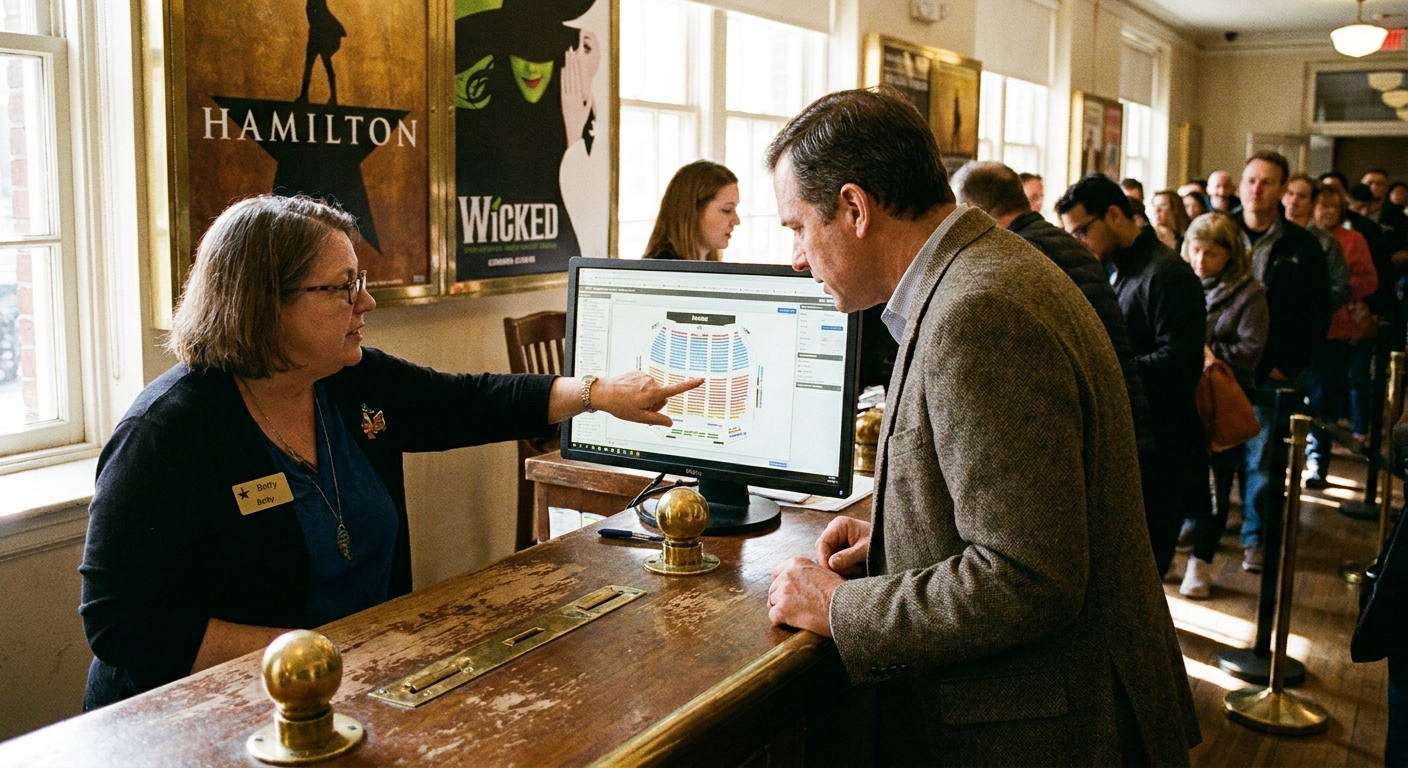
If you need wheelchair, aisle, or companion seating, call the box office early, especially during renewals and seat-selection windows. Accessible inventory can be limited, and the staff can usually guide you to the right location faster than a seating map can.
What it is not
A subscription is an advance commitment to a season. It is different from last-minute tactics that theaters and productions use to fill seats closer to showtime. If you want spontaneous, same-week bargains, you will be looking at a different toolbox than a season package.
Is it worth it?
It can be, especially if you value any of these:
- Consistency: a planned-out calendar of shows you will actually attend.
- Preferred seats: keeping a section you like and improving it over time.
- Earlier access: buying before the public for popular titles and add-ons.
- Convenience: fewer separate purchases and fewer decision points.
It may be less appealing if you only want one specific production, dislike committing far ahead, or expect your schedule to change constantly without the patience to navigate exchange rules and deadlines.
Questions to ask
- How many productions are included, and does the package cover the full mainstage season or a smaller series?
- Are my seats fixed for each show, or do I book each date?
- When can I pick my dates (especially for flex plans), and do subscribers book before single-ticket buyers?
- What are the exchange deadlines, and are there fees or blackout dates?
- What happens if I miss a performance without exchanging?
- Are there added benefits like discounts on extra tickets, parking deals, or invitations to events?
- Are fees included in the subscription price, or added per ticket at checkout?
- What is the accessibility process if I need companion or wheelchair seating?
FAQ
Do subscriptions always save money?
Not always. Some packages mainly reward you with priority and consistency rather than a dramatic discount. Compare the subscription total to the cost of buying the same seating area for the same number of shows as single tickets, and include fees if the theater itemizes them.
Can I give my tickets to someone else?
Often yes, especially for printed tickets or transferable mobile tickets, but policies vary. Some venues allow easy transfers; others require the subscriber account holder to manage exchanges or pickup.
What is the difference between subscribing and donating?
A subscription is a ticket purchase. A donation is a charitable contribution (for nonprofit organizations) that may come with its own priority access or perks. Many theaters offer both, and they can stack, though the earliest seat-selection windows and best priority are sometimes tied to donor level.
When do season subscriptions go on sale?
Typically when a theater announces its upcoming season. Renewals for existing subscribers often happen first, then new subscriptions, then single tickets.