Lights down. Curtain up.
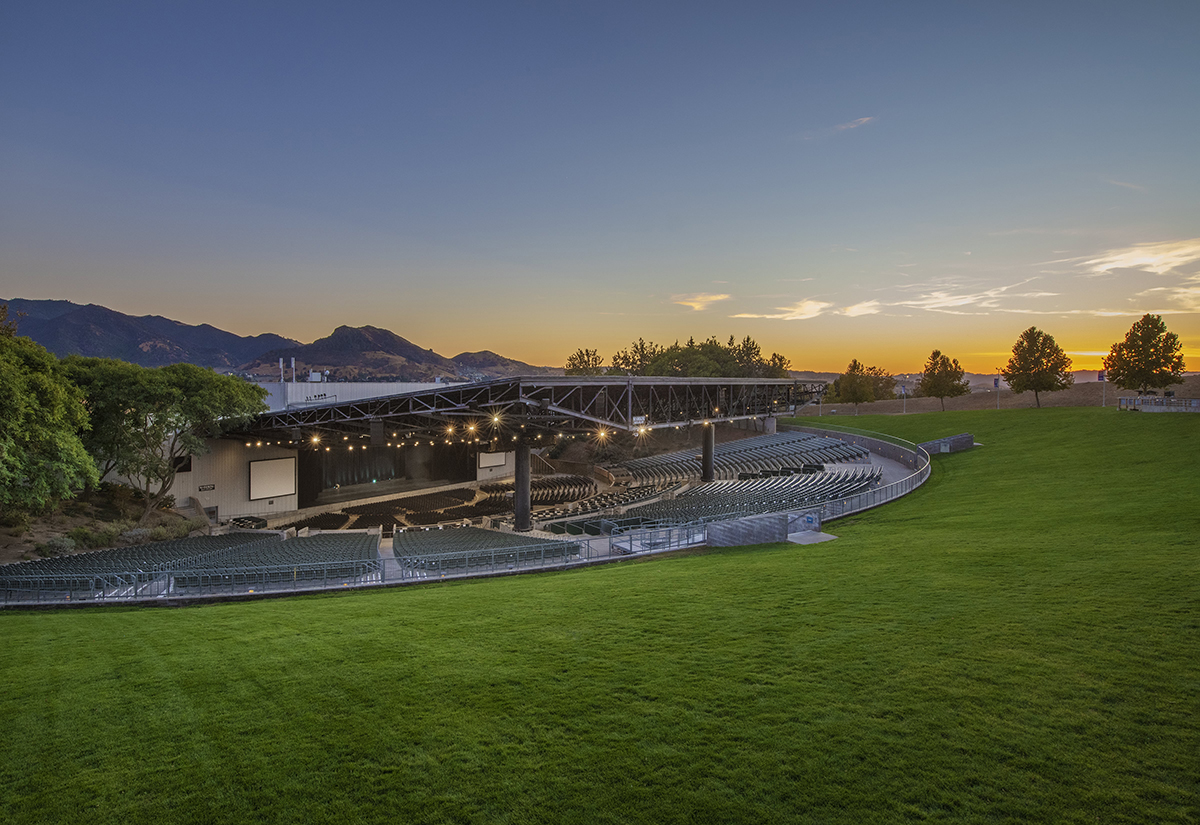
If you have ever bought an amphitheater ticket that simply says Lawn, you are holding a pass to the venue’s open grassy seating area, often located behind the reserved pavilion sections. No row. No seat number. Just a stretch of hillside where you can claim a spot once you’re inside. (Exact layouts vary by venue, so the lawn might be terraced, off to one side, or split into multiple general-admission areas.)
What a lawn ticket includes
A lawn seat at an amphitheater is unreserved, general lawn access. It usually means:
- You sit on the grass behind the venue’s reserved seats, often under or near the pavilion.
- There is no assigned location within the lawn. Your “seat” is wherever you can fit comfortably while following venue rules.
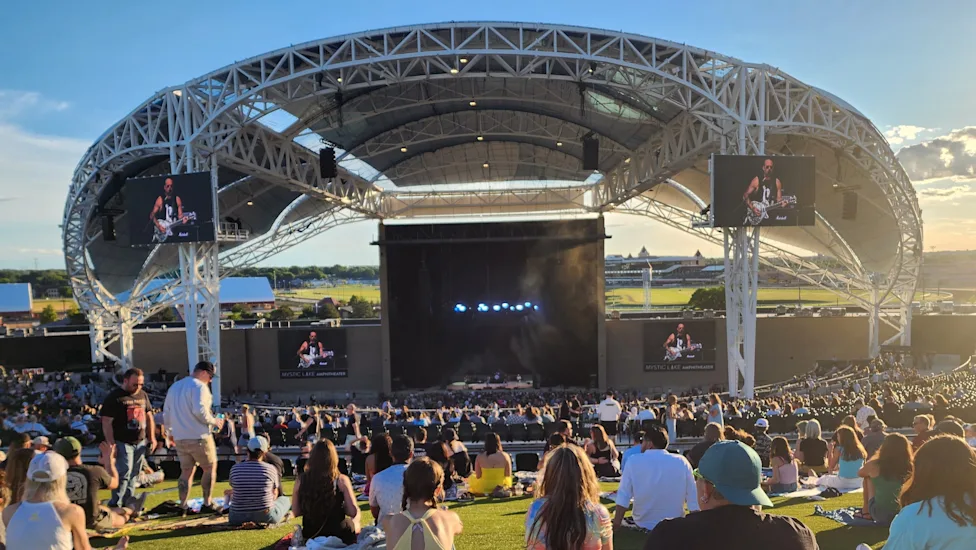
- Your view is from farther back in the venue, sometimes on a gentle slope meant to help sightlines.
Some amphitheaters treat the lawn as its own ticketed zone with dedicated entry lanes, ushers, or wristbands. Others scan everyone at the same gates and rely on staff checks inside. Either way, your ticket’s category is what matters: lawn access rather than a specific chair.
Where the lawn is located
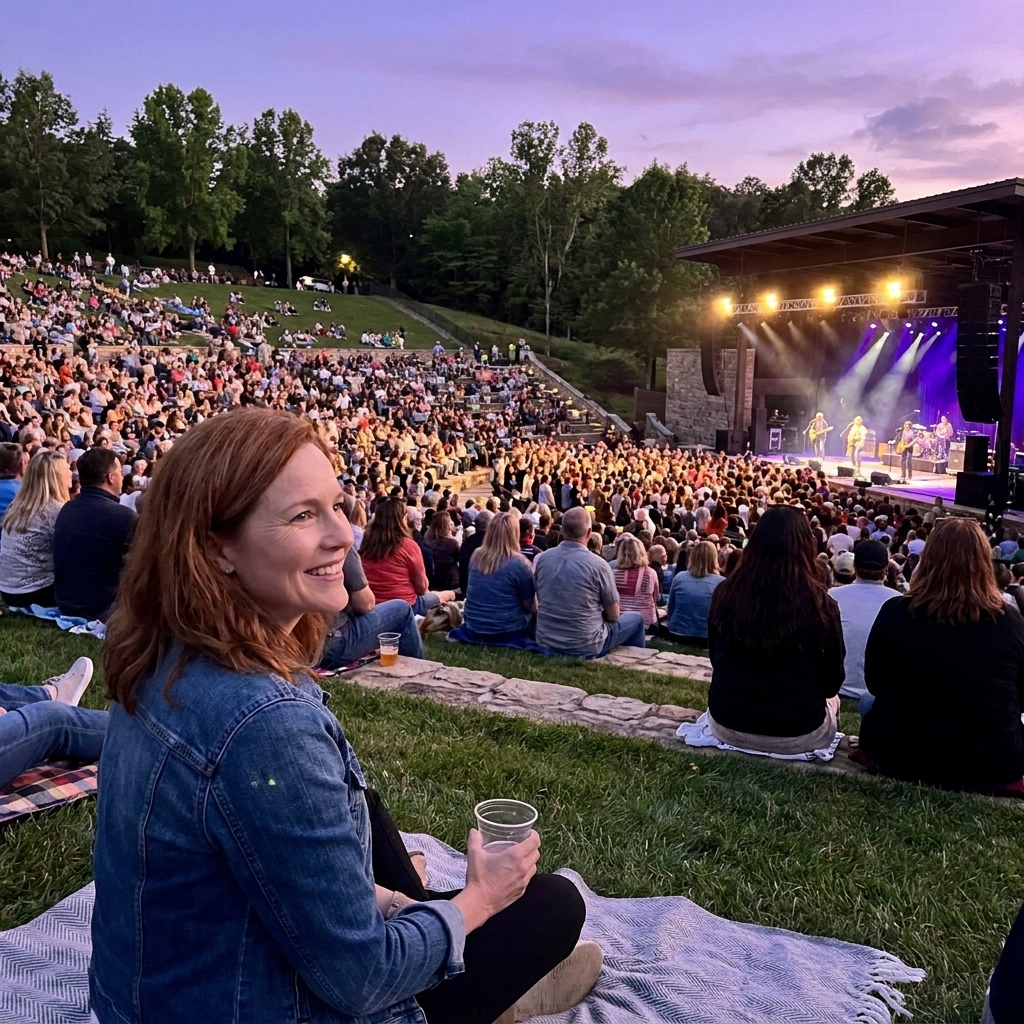
In a classic amphitheater setup, the lawn sits behind the pavilion, which is the structured seating area closer to the stage (and sometimes covered by a roof). Past that, the venue opens into the grassy section where lawn ticket holders spread out.
Depending on the venue, the lawn can be:
- Flat or sloped, with sloped lawns often giving better over-the-shoulder viewing.
- One large area or broken into terraces with walkways.
- Open-air with limited shade, even when the pavilion is covered.
How entry and finding a spot works
With a lawn ticket, the main difference is not how you enter, but what happens after you are scanned in. Since there are no assigned spaces, the lawn runs on a simple principle: first come, first served.
What you can usually expect
- Ticket scan at the gate, just like any other section.
- Walk to the lawn and choose an open area that fits your group.
- Staff may guide traffic to keep aisles clear and prevent people from blocking ramps or walkways.
If you want the easiest sightline, a practical play is to arrive early and aim for a centered spot about mid-slope. It tends to balance view and sound without feeling like you’re watching from the parking lot.
If you are arriving with friends separately, it helps to pick a recognizable landmark on the lawn, like a lighting tower or the edge of a walkway. Just remember that saving space can be limited by venue policy and basic crowd etiquette.
Blankets and chairs
The lawn is built around a relaxed setup, and most people come prepared to sit low to the ground. Common items include:
- Blankets for sitting, stretching out, or layering warmth after sunset.
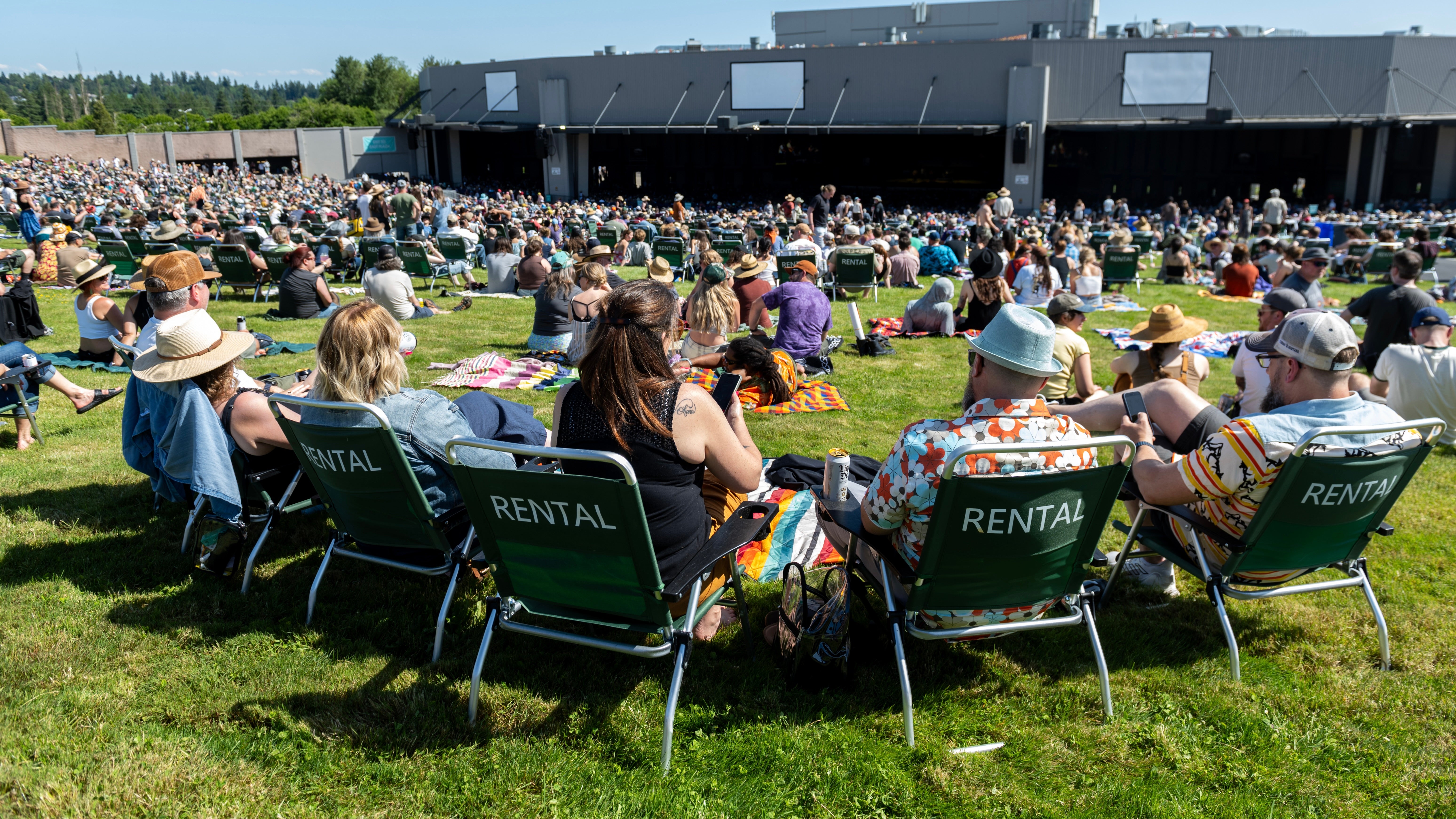
- Low-profile beach chairs or “lawn chairs” designed to keep your seat close to the ground.
- Small cushions or stadium seats for a little support without adding height.
Every amphitheater sets its own rules, so check the venue’s website before you pack. Many venues allow blankets and low chairs but restrict tall camp chairs because they can block sightlines behind you. Some venues also offer chair rentals on-site, which can be convenient if you are traveling light.
What the view is like
Lawn sightlines are generally farther from the stage than the pavilion, but they are often designed to be workable for big crowds. Here is what typically shapes the view:
- Distance: You will likely rely more on the venue’s big screens, lighting, and overall atmosphere than facial expressions onstage.
- Slope: A sloped lawn can help you see over people sitting in front.
- Obstructions: Walkways, railings, sound booths, and people standing can affect what you see.
- Center vs edges: More centered spots usually align better with the stage, while far sides can feel more angled.
Sound is designed to cover the whole venue, but it will not feel identical everywhere. Speaker placement, delay towers, wind, and crowd density can all change what you hear. Being closer to the main speaker arrays can sound louder and clearer, while farther back can feel more spacious, especially on breezy nights.
What to wear and bring
The lawn is an outdoor hang, and it pays to dress for the long run. A few practical staples can make the experience smoother without turning you into a pack mule.
Good lawn basics
- A light layer for temperature drops after sunset
- Closed-toe shoes if the ground is uneven, slick, or muddy
- A small blanket even if you plan to stand part of the time
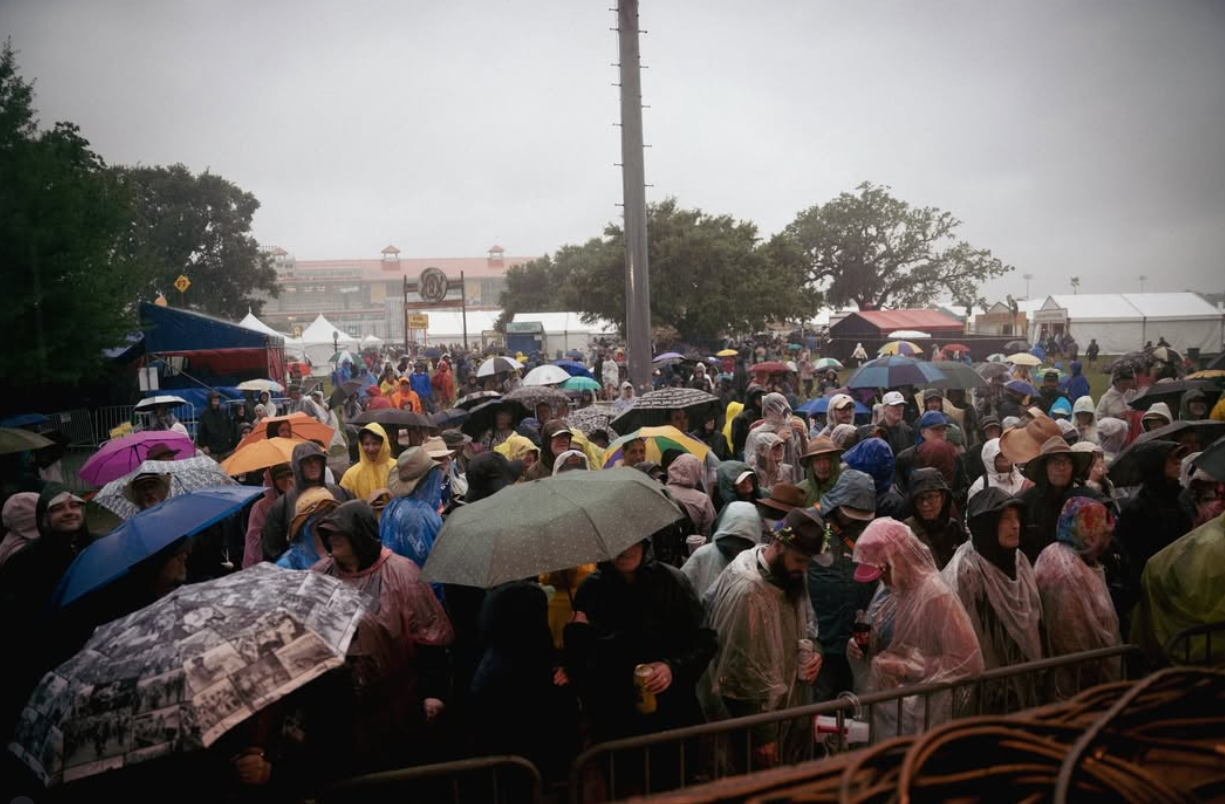
- Rain prep if the forecast is iffy, like a compact poncho
- Sun protection for early shows, like sunscreen and a hat (if allowed)
- Water and ear protection, within venue rules
One underrated reality: lawns get damp. Dew can roll in fast after sunset, and a patch of grass that felt fine at 7 p.m. can feel cold and wet by encore time. If the venue allows it, a waterproof layer under your blanket can help a lot.
Bag rules vary widely, so treat the venue’s policy as your final authority on sizes, clear-bag requirements, and what is allowed in.
Accessibility
If you have mobility needs or do not want to navigate a slope, check whether the venue offers accessible viewing areas for lawn ticketholders. Many amphitheaters have paved platforms, designated sections, or staff assistance routes. Policies and locations vary, so the safest move is to contact the venue ahead of time for specifics.
Lawn etiquette
The lawn works best when everyone can settle in without feeling crowded out. A little awareness goes a long way.
- Sit low when you can: If people behind you are seated, staying low helps keep views open.
- Keep walkways clear: Ushers will enforce this, and it is also safer in the dark.
- Claim reasonable space: A blanket perimeter is normal. Sprawling gear for a small group is where tensions start.
- Stand where it makes sense: Many people stand for headliners. If you want to sit the whole time, choosing a spot with fewer sightline conflicts can help.
Quick lawn seat FAQ
Is a lawn ticket the same as assigned seating?
No. A lawn ticket generally gives you access to the lawn area without a specific seat number or row assignment.
Do lawn seats have chairs provided?
Usually not. Lawn seating typically assumes you will sit on the grass or bring an allowed blanket or low chair, depending on venue rules. Some venues offer rentals.
Can you see the stage from the lawn?
Yes, but you are farther back. The view depends on the lawn’s slope, where you sit, and how many people stand during the show.
Can you move around on the lawn?
In most venues, yes, as long as you stay within the lawn section and do not block aisles, accessible routes, or walkways. Once the crowd fills in, moving can be more difficult.