Lights down. Curtain up.
Then real life taps you on the shoulder: a flight delay, a sick kid, a work shift that won’t budge. If you are the one who can’t attend, the tough truth is that ticket refunds are often the exception, not the rule. Still, you usually have options if you move quickly and follow the seller’s rules.
The usual rule: refunds vary
For many concerts, Broadway and touring shows, comedy, and local theater, the standard policy is simple: sales are often final unless the event organizer cancels the performance or offers a specific exception.
That said, it is not universal. Some nonprofit theaters, symphonies, museums, and festivals build flexibility into their standard terms, such as exchanges, credits, or limited refunds. The only way to know is to check the policy attached to your order.
Why the strict policies? A ticket is more like a reservation than a retail product. The seat (or entry capacity) is held for you, and the presenter counts on that revenue to pay artists, crew, and the venue. Policies are set at purchase, and fees are often excluded from refunds.
Common exceptions that sometimes exist
- Exchanges (swap to another performance, sometimes for a fee).
- Upgrades (pay the difference to move to a higher-priced seat).
- Subscriber and member perks (some organizations allow flexible swaps or credit).
- Accessible seating accommodations (venue-specific solutions if your needs change).
- Ticket insurance coverage if you purchased it and your reason qualifies.
When in doubt, assume the default is limited refunds, then look for the best alternative path.
First step: check where you bought it
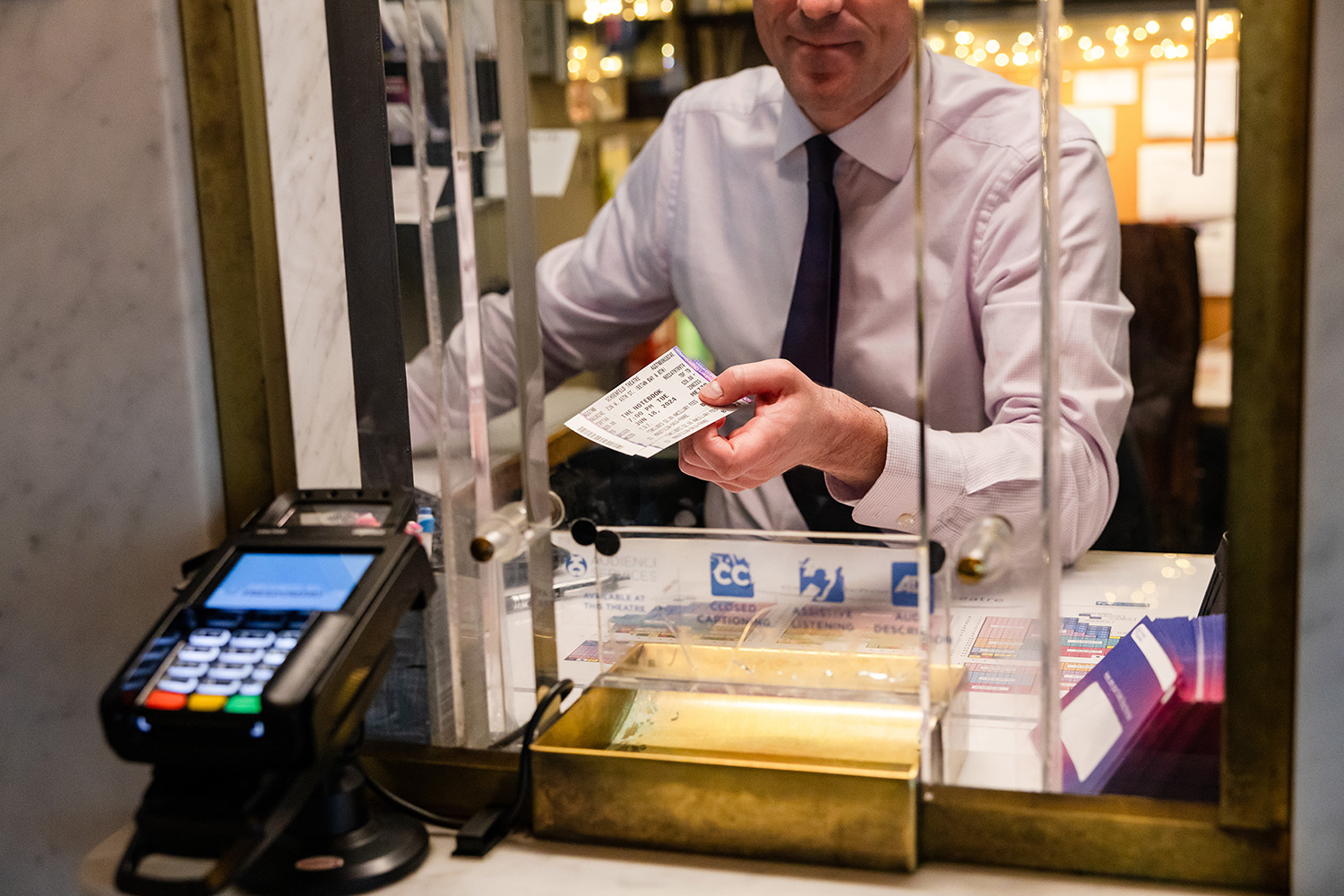
Your options depend less on the venue marquee and more on the point of sale. A ticket bought at the venue box office can have different rules than the same seat purchased through a primary ticketing platform, a presenter’s website, or a resale marketplace.
One more complicating factor: consumer protection rules can vary by country, state, or province. In some places, “all sales final” language has limits or extra disclosure requirements. When the policy and your local law collide, local rules may matter.
Look for these details in your confirmation
- Refund language like “All sales final” or “No refunds or exchanges.”
- Exchange window (some allow changes up to 24 or 48 hours before curtain).
- Where changes must happen (box office vs your online account).
- Transfer and resale rules (whether the ticket is eligible for official resale).
- Fee policy (service, processing, and delivery fees often have special rules).
- Refund method (many refunds, when allowed, go only to the original payment method).
- Entry requirements (ID requirements or restricted transfer for will-call pickups).
If your email receipt is vague, open the order page in your ticketing account. That is usually where the fine print lives.
Option 1: Exchange dates
If the production has multiple performances, an exchange is often the cleanest solution. Some organizations allow exchanges only for equal or higher value, and some charge a per-ticket fee.
Exchange tips that improve your odds
- Act early. Policies often cut off exchanges shortly before showtime.
- Call the box office during business hours. If an online portal fails, a human may be able to offer alternatives.
- Have your order number ready. This speeds up verification, especially if you used a third-party seller.
- Ask about credit. Some presenters do not refund to your card but may issue account credit for a future show.
Option 2: Use official resale
Many major ticket platforms and some venues support an official resale marketplace. If your ticket is eligible, you can list it for sale inside the same system, which helps with buyer trust and reduces the risk of invalid tickets.
What to know about official resale
- Payout timing varies. Some platforms release funds only after the event.
- Fees can stack up, depending on the platform. You might pay a seller fee, and the buyer may also pay fees. Some events cap resale pricing or fold fees into the list price.
- No guarantee it sells. Pricing and demand matter, especially close to the performance.
- Some tickets are restricted. Promoter holds, VIP bundles, and certain delivery methods may not be resellable.
If you go this route, keep screenshots or receipts of the listing and any platform messages. It helps if there is a payout dispute later.
Option 3: Transfer to a friend
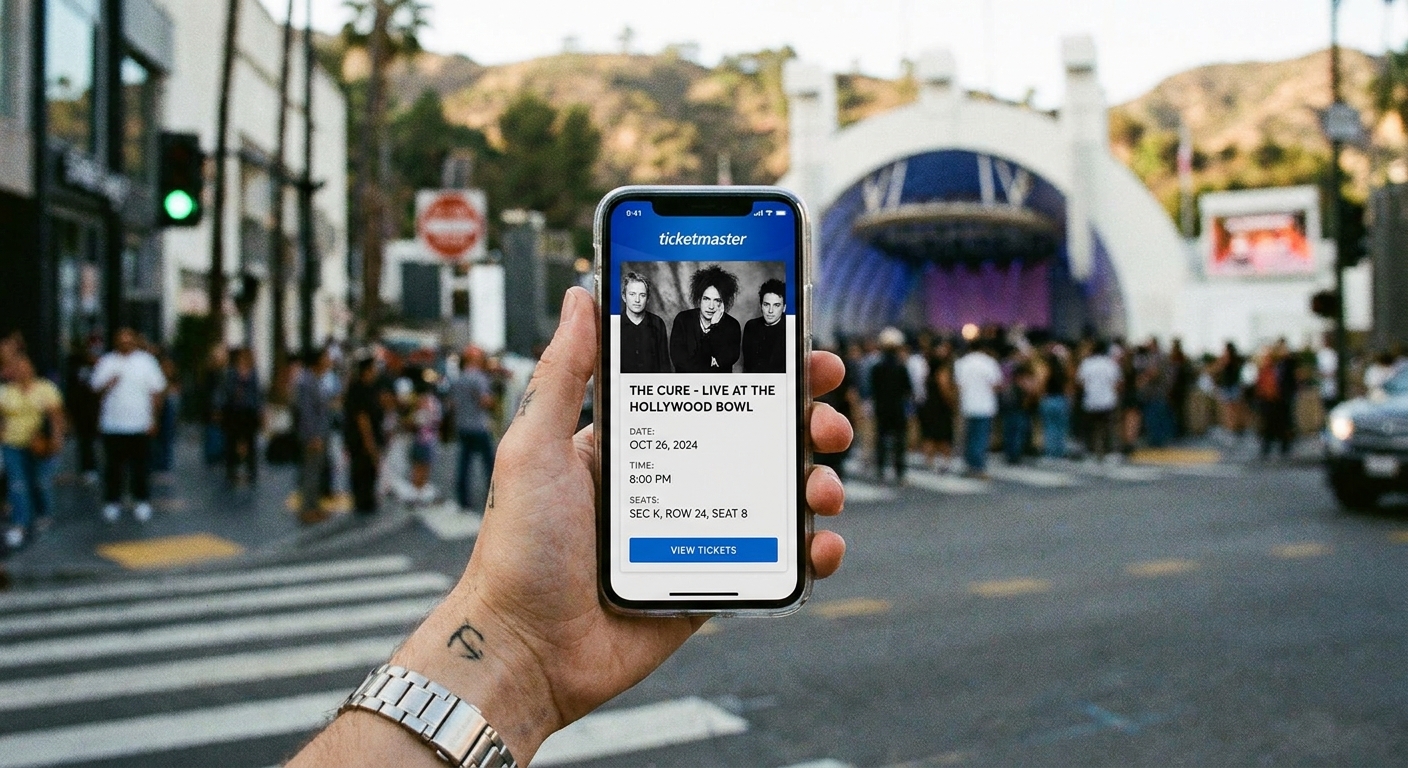
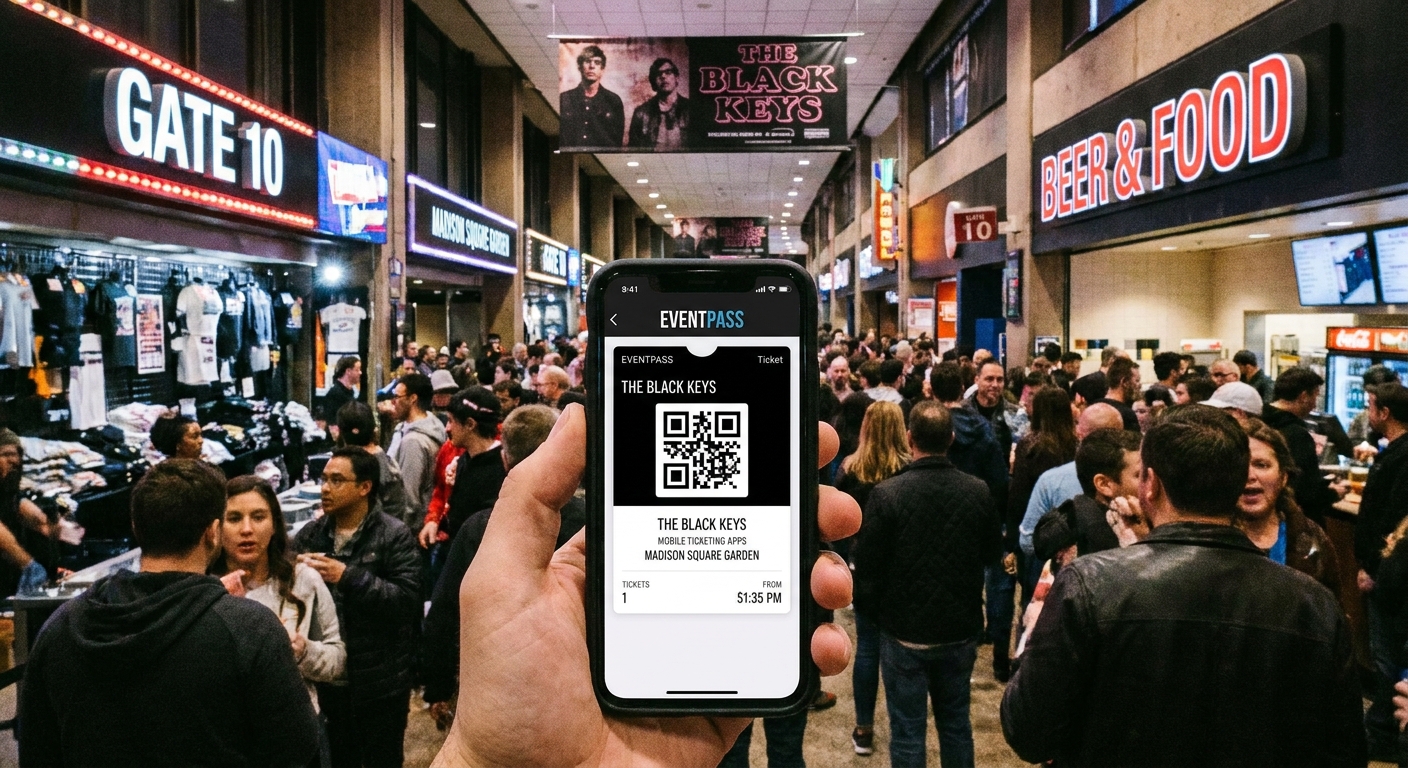
If resale is not available, a simple transfer might be. Many mobile tickets allow you to send the ticket to someone else through the app or email.
Before you transfer
- Confirm the ticket is transferable. Some events lock transfers to reduce scalping.
- Do not rely on screenshots. Some major ticketing systems use rotating or dynamically refreshing barcodes, and a saved image may not scan at the door.
- Check ID rules. If the venue requires the purchaser’s ID or the original payment card for entry or VIP perks, your friend could be turned away.
- Send the whole package. Include any notes about entry time, door location, and accessibility information.

Option 4: Donate the ticket
Some nonprofit theaters, orchestras, museums, and festivals will let you donate your tickets back if you cannot attend. This can free up seats to be resold or used by community partners.
Tax rules are tricky here. In the United States, for example, if you received something of value (admission), you generally cannot deduct that value. If you fully return the ticket and truly forgo the benefit, the organization may be able to provide documentation of what, if anything, is deductible. Save any written acknowledgment and consult a tax professional if you plan to claim it.
When donation works best
- Member organizations that have established ticket return programs.
- Sold-out runs where returned seats can be resold quickly.
- When resale is not allowed but you still want the ticket to be used.
Watch out for off-platform resale
It is tempting to sell a ticket through social media or a local listing when you are in a hurry. Just remember: some events prohibit transfers, some tickets are locked to an account, and scams are common on person-to-person marketplaces.
If you sell privately, use the platform’s built-in transfer (not screenshots), confirm payment before sending anything, and be honest about restrictions like will-call pickup or ID requirements.
What about ticket insurance?
Ticket insurance can help, but it is not a magic refund button. Coverage depends on the plan terms and the reason you cannot attend. Common covered reasons may include certain illnesses, accidents, severe weather, or travel disruptions, but you often need documentation and you must file within a set time window.
Before you file a claim
- Read the covered reasons list and exclusions.
- Gather documents such as medical notes, airline delay confirmations, or accident reports as required.
- Note deadlines for claim submission.
- Keep your original receipt and proof of purchase.
If you did not buy insurance at checkout, your credit card may still offer protections, but those benefits often focus on things like travel interruptions or certain types of purchase protection rather than “I cannot attend.” A few premium cards do offer event ticket protection or interruption coverage in some cases. Check your card’s current guide to benefits to see what, if anything, applies.
Canceled vs rescheduled shows
This is the key split: when the producer or venue changes the event, refund rules often get more generous.
If the show is canceled
Many presenters will offer a refund to the original payment method, sometimes automatically. Whether fees are refunded depends on the seller and the event, so read the cancellation notice closely.
If the show is postponed or rescheduled
Often your ticket remains valid for the new date. Refunds may be available only during a specific window, and only if you purchased through an authorized seller. If you paid with a gift card, voucher, or third-party payment method, timing and refund mechanics can be trickier.
Those refund windows can be easy to miss. Check the announcement email, peek in your spam folder, and set a reminder so you do not sleep through the deadline.
If you bought through a resale marketplace, the process can be different. Some marketplaces refund only if the seller cannot provide a valid ticket for the new date, while others follow the primary issuer’s decision. Always check the marketplace’s policy page tied to your order.
What to check before you assume a refund
Before you refresh your bank app and hope for the best, check the fine print. These are the lines that decide your next move.
- Refund eligibility: Does it say “no refunds” unless the event is canceled?
- Exchange terms: Is exchanging allowed, and what is the cutoff time?
- Fees: Are service, processing, facility, or delivery fees excluded from refunds?
- Delivery method: Mobile transfer allowed, or will-call pickup only?
- Resale restrictions: Is official resale enabled for this event?
- Refund method: If a refund is allowed, is it to the original card only?
- Partial refunds: If a refund is allowed, is it face value only?
- Chargeback warnings: Some sellers may contest chargebacks if the policy was disclosed at purchase.
If the policy is unclear, contact the seller first in writing. Keep it short, polite, and specific.
A quick message you can copy
Hello, I’m writing about order #123456 for the upcoming performance I purchased through your site. I can’t attend due to an unexpected conflict. Can you please advise whether an exchange, account credit, or refund is available under your policy?
Quick answers
Can I get a refund if I am sick and cannot go?
Often no, unless the seller offers a compassionate exception, you can exchange, or you purchased ticket insurance that covers illness and you can provide the required documentation.
Do I get fees back if I get a refund?
Sometimes. Many ticketing fees are treated separately from the ticket price. Some sellers refund fees on cancellations, others keep certain fees even when the ticket is refunded. Your order terms should spell this out.
What if I bought from a resale site?
Your options are governed by the resale marketplace’s policies, which can differ from the venue’s box office rules. Start with your resale order page and the site’s buyer protection terms for that event.
Is it better to call the venue or the ticketing platform?
Contact the entity that processed your payment. If you bought from the venue, call the box office. If you bought through a platform, start in your account help center, then escalate to support with your order number.
The Encore takeaway
If you cannot attend a show, a refund is not the default when the buyer backs out. Your best bet is to pivot fast: request an exchange, use official resale if available, transfer to someone who can go, or donate the ticket if the organization offers that route. And if the performance is canceled or officially rescheduled, that is when refund and credit policies usually kick in.
One last bow-tie-sized reminder from the front row: the order terms you agreed to matter more than what you wish were true. Check them before you make assumptions, and you will know exactly which box office windows are actually open.