Lights down. Curtain up.
If you have ever bought tickets and then felt the calendar glare back at you, you have probably seen the add-on: ticket insurance. It sounds like it is part of your ticket, but it is usually a separate, optional insurance product sold during checkout. That distinction matters, because the rules for getting money back depend on who is responsible: the venue or presenter (refund policy) or the insurer (claim policy).

Ticket insurance, defined
Show ticket insurance (often called “ticket protection”) is typically a policy offered through a third-party insurer that may reimburse you for eligible ticket costs if you cannot attend for a covered reason.
It is not the same as:
- A venue refund for a canceled or rescheduled performance (that is usually handled under the event’s own policies).
- A venue’s “no refunds or exchanges” rule (that is about voluntary changes, not insurance).
- A credit card benefit like trip cancellation or purchase protection (different terms, different process).
Think of it this way: your ticket gets you in the door. Insurance is about what happens if you cannot use it.
What it typically covers
Coverage varies by insurer and by the specific plan attached to your purchase, but ticket insurance commonly covers situations where you cannot attend due to something unexpected and documented. Typical covered reasons often include:
- Illness or injury (you or, in many policies, an immediate family member) that prevents attendance.
- Medical emergencies, sometimes including hospitalization.
- Severe weather that prevents travel or makes the venue inaccessible, depending on the policy wording.
- Travel delays (for example, common carrier issues) that cause you to miss the event, when the policy includes travel-related coverage.
- Work conflicts like being required to work unexpectedly, sometimes limited to certain job types or documentation requirements.
- Jury duty or court appearances that you did not know about at the time of purchase.
- Military orders or redeployment, where applicable.
- Death in the family, typically limited to close relatives and requiring documentation.
Some plans also cover related fees, while others reimburse only the ticket price. The only honest way to know is to read the plan’s “covered reasons” list and the “what we pay” section before you click purchase.

Common exclusions
Ticket insurance is designed for can’t-go situations, not don’t-want-to-go situations. Exclusions vary, but these are among the most common:
- You do not like your seat after seeing the view.
- You change your mind or decide you are too tired.
- You find a cheaper ticket later.
- A performer swap, understudy appearance, or cast change. Many policies treat this as a normal risk of live performance, not an insurable loss.
- Setlist or program changes in concerts, or changes to featured artists unless the policy specifically states otherwise.
- Minor schedule conflicts that are not covered, or conflicts you could reasonably predict (policy language often excludes foreseeable events).
- Transportation problems you control, like missing the show because you left late or could not find parking.
- Pre-existing medical conditions, depending on the plan. Some policies exclude them outright, others allow coverage if certain conditions are met.
- Government advisories or restrictions, depending on the insurer and current rules. Some plans exclude broad disruptions unless they are specifically included.
Also worth knowing: insurance typically reimburses only what you can prove you paid, and it may be limited to the face value of the ticket or to a maximum benefit amount.
When to buy it
In most checkouts, ticket insurance must be purchased at the same time as the ticket. Sometimes there is a short window after purchase, but often it is strictly “add it now or you cannot add it later.”
That timing rule is part of how insurers manage risk. If insurance could be added anytime, it would be easier to buy it after a problem appears on the horizon. So if you think you might want it, pause at checkout and read what the plan actually covers before you click away.
Claim vs refund
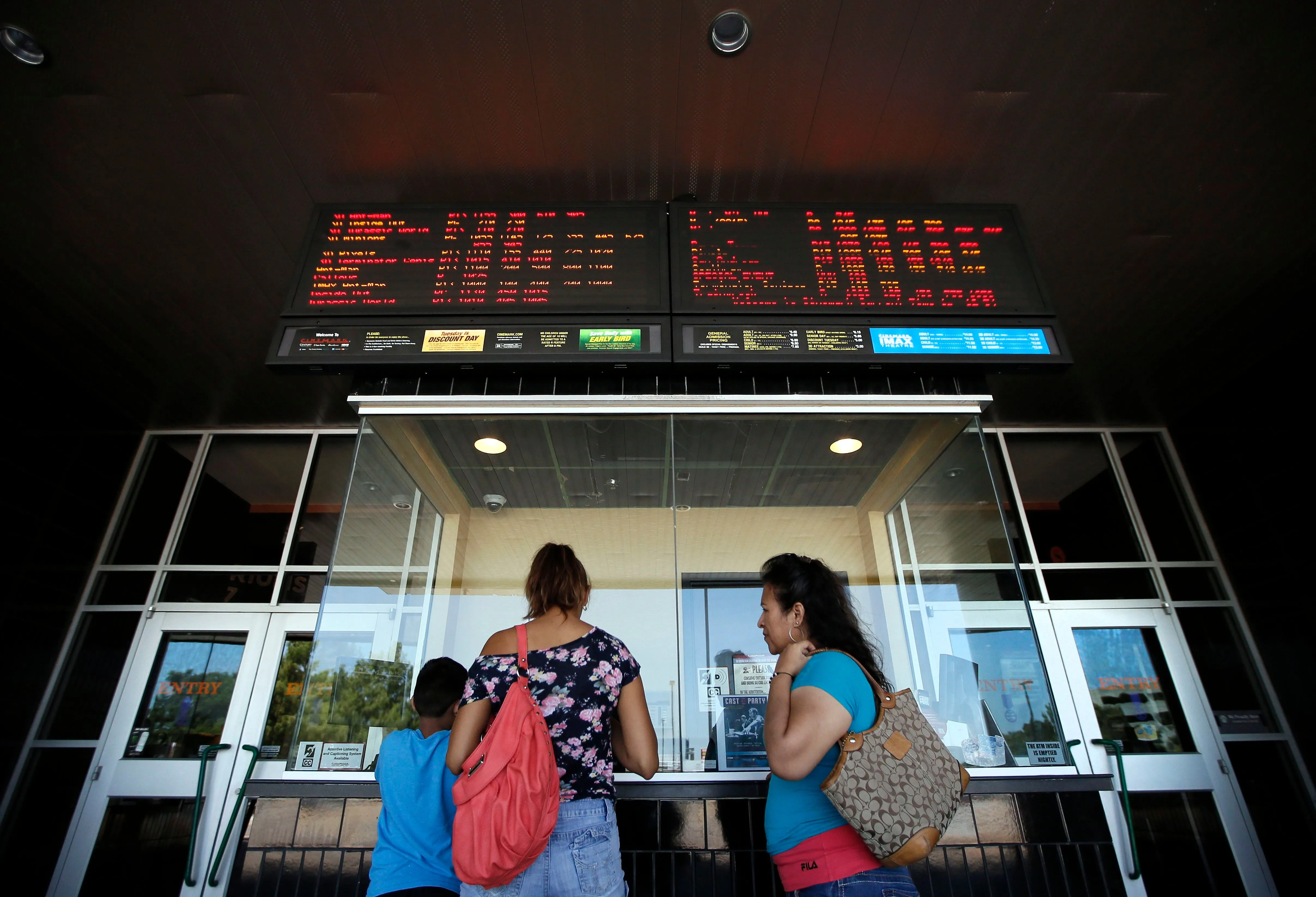
Venue refunds
Refunds are controlled by the presenter, venue, producer, or ticketing platform and usually apply when the event is canceled or sometimes rescheduled. Those policies live with the ticket seller and the event terms.
Insurance claims
Insurance is a separate process. If you cannot attend for a covered reason, you typically:
- File a claim with the insurer using the link or portal provided in your confirmation email.
- Submit documentation (examples: doctor’s note, employer letter, flight delay notice, court summons), based on the reason.
- Provide proof of purchase and sometimes the ticket terms.
- Wait for review. If approved, reimbursement usually comes from the insurer, not the venue.
Important: a venue employee at the box office usually cannot override an insurer’s decision, and the insurer cannot force a venue to refund outside its policies. They are parallel systems.
What you may get back
Policies differ, but reimbursements commonly focus on:
- Ticket price (sometimes up to the face value).
- Service fees (covered in some plans, excluded in others).
- Delivery fees (occasionally covered).
Watch for deductibles, per-ticket caps, and whether the plan reimburses the full amount or only a percentage. If you bought premium seating, verify whether there is a limit per ticket or per order.
Before you buy
- Who is the insurer? The checkout should name the provider and provide the terms.
- What are the covered reasons? Look for a specific list, not just marketing language.
- What is excluded? Cast changes and dissatisfaction are common non-starters.
- What documentation is required? If you cannot reasonably get it, the coverage may be hard to use.
- What is reimbursed? Ticket price only, or fees too?
- When must the claim be filed? Many policies have time limits.
FAQ
If the show is canceled, do I use insurance?
Usually, no. Cancellations are typically handled through the ticket seller or presenter under the event’s refund policy. Insurance is more often for when you cannot attend.
Is an understudy or performer change covered?
Most ticket insurance plans do not treat cast changes as a covered reason. Live performance is live, and policies often exclude performer swaps. Always confirm in the plan terms.
Will insurance cover a bad seat or blocked view?
Typically not. That is usually a customer service issue to raise with the seller at the time of the event, not an insurance claim.
Can I buy ticket insurance after checkout?
Often you cannot. Many sellers require you to add it during the ticket purchase flow, or within a short, clearly stated window.
How long does a claim take?
It depends on the insurer and how quickly you provide documentation. If you are considering filing, gather your receipts and proof right away so the claim is complete when submitted.
The bow tie takeaway
Ticket insurance is best understood as a separate reimbursement policy for specific, documented reasons you cannot attend. It is not a promise that every disappointment, cast change, or second thought will be refunded. Before you add it to your order, read the covered reasons and exclusions once, calmly, while the curtain is still up on the checkout screen.