For a moment, it looked like the internet had collectively decided it was Kate Middleton week. In early March 2024, her name, photos, and speculative threads about her health and whereabouts dominated conversation across platforms, especially after the UK Mother’s Day image controversy. It is worth stating plainly: this was not gossip about an outfit change. It was a story about illness, recovery, and what the public thinks it is owed.
What people kept calling a “rumor” was, more often, a vacuum of official information, plus a small number of images and short statements that did not fully settle public anxiety. Add a social web trained to treat every pixel as a clue, and you get a fast-moving cycle of interpretation.
It helps to separate two categories that got blurred online. First, there were verified facts anchored to public, on-the-record updates from Kensington Palace and Catherine herself. Second, there were unverified claims that rushed in to fill the silence. The first is context. The second is where the misinformation cycle took hold.
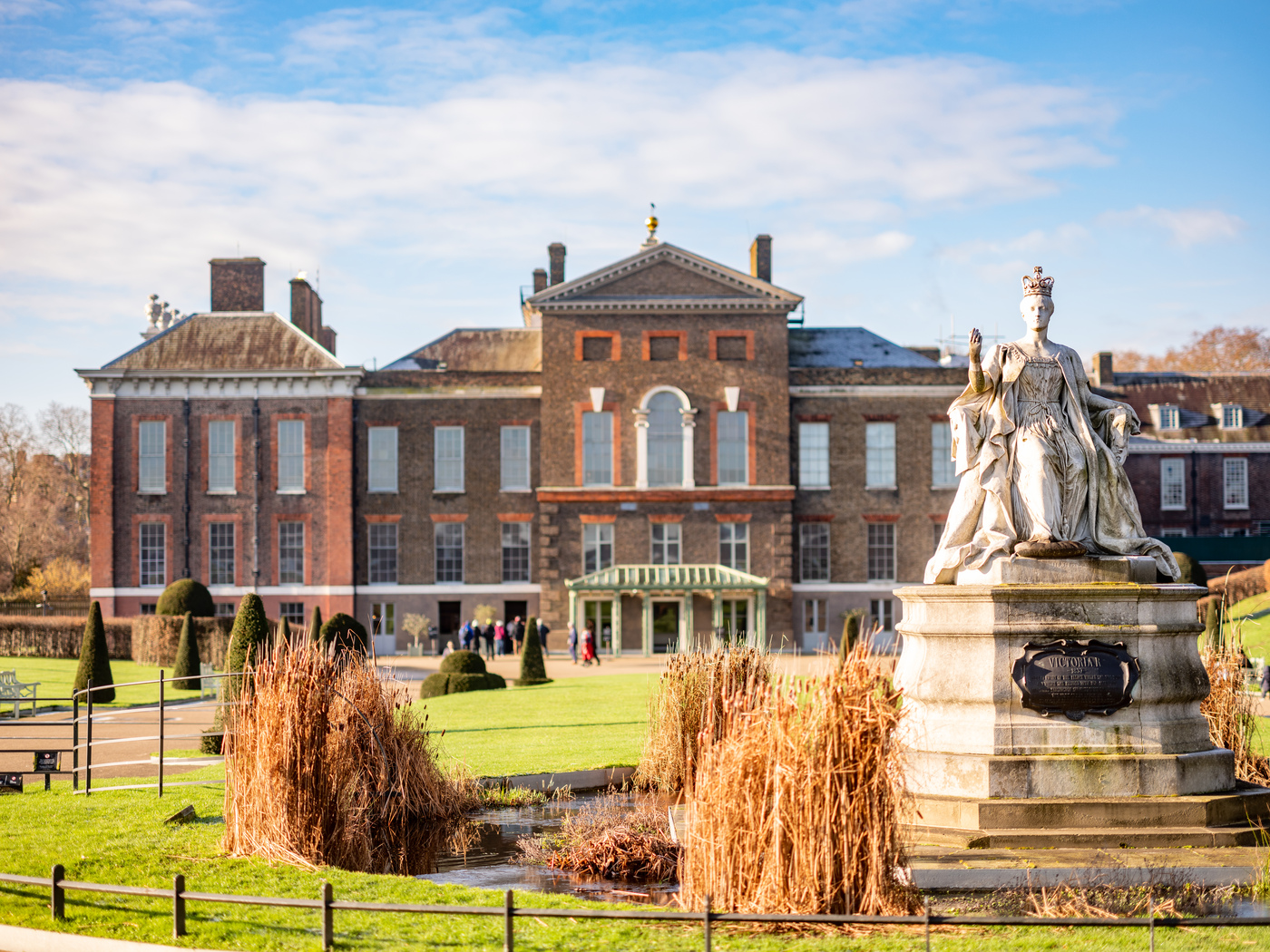
Here is what we can say, grounded in primary sources. On January 17, 2024, Kensington Palace announced that Catherine, Princess of Wales, had been admitted for planned abdominal surgery, that the surgery had been successful, that she would recuperate privately, and that she was not expected to return to public duties until after Easter.
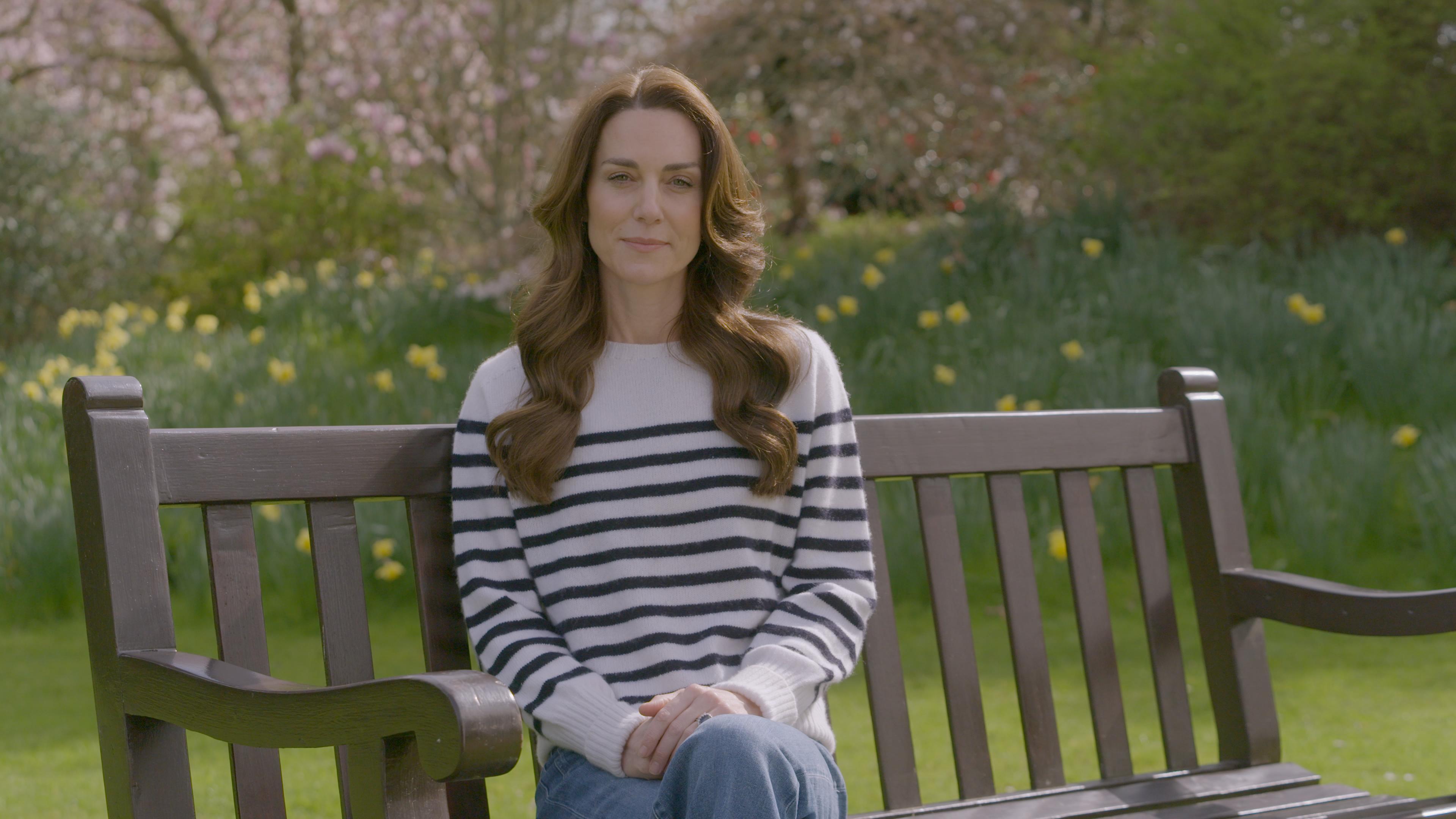
Online speculation surged until her March 22, 2024 video message, released by Kensington Palace. In it, she said cancer was found in post-operative tests and that she was undergoing “preventative chemotherapy”. In general usage, that phrase is often used colloquially to describe adjuvant chemotherapy, meaning treatment given after surgery to reduce the risk of cancer returning. Terminology varies by country and patient context, and this is explanatory context, not a claim about details she did not disclose. You can watch the statement via the Kensington Palace video release.
Everything else, from body double theories to claims that certain images or clips were definitive proof of a cover-up, spread for familiar reasons: it felt like an answer, it rewarded existing suspicion, and in some corners it also generated clicks, clout, or fodder for harassment. None of that turns it into documentation.
No public engagements is not the same thing as no public visibility. During the gap between the January announcement and the March statement, occasional paparazzi photographs and brief video clips circulated and were republished. Online, that distinction often collapsed into a single, more conspiratorial story.
Privacy and medical boundaries are real. Neither the palace nor Catherine owed the public intimate detail, and specific medical information beyond what she chose to share is not public. But in an attention economy, silence becomes its own headline. When information is scarce, absence becomes a story. People do not just share what happened. They share what would explain the discomfort of not knowing.
What is confirmed
There is a clear, verifiable timeline that responsible coverage returns to, anchored by primary sources from Kensington Palace and her own recorded statement. One clarity point for readers outside the UK: Kensington Palace communications generally handle updates for the Prince and Princess of Wales, while Buckingham Palace communications generally handle updates for the King. As with any institution, specific comms choices can vary by occasion.
- Jan. 17, 2024: Kensington Palace said Catherine had been admitted for planned abdominal surgery, the surgery was successful, she would recover privately, and she was not expected to return to public duties until after Easter. The statement also said further updates would be shared only if there were significant new developments.
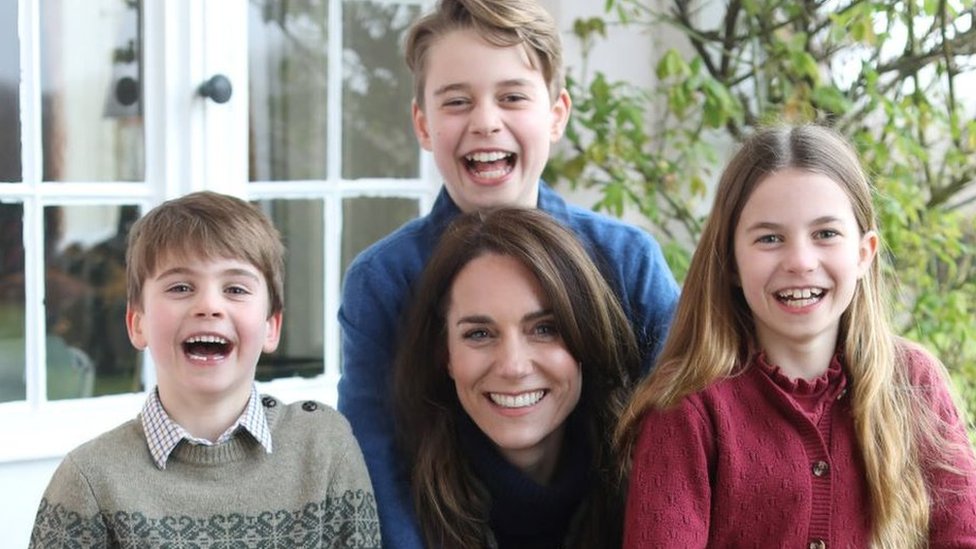
- March 10, 2024: Kensington Palace shared a UK Mother’s Day family image that later became a focal point of scrutiny after questions about editing.
- March 11, 2024: Catherine acknowledged editing and apologized for confusion in a social post attributed to her and signed with “C”.
- March 22, 2024: In a recorded message released by Kensington Palace, Catherine said cancer was found after post-operative tests and that she was beginning “preventative chemotherapy”.
Between the January announcement and the March message, there were weeks with no public engagements and only limited, formal updates. Part of what people labeled “missing” was simply reduced official visibility and a tightly controlled recovery window, not a literal disappearance.
For US readers, one small but relevant detail: UK Mother’s Day falls in March (it is tied to Lent), not in May. That is why the March 10 family release carried a familiar, seasonal expectation in the UK news cycle.
Easter mattered because it was the public-facing marker the palace used to set expectations about timing. In a hyper-observant media environment, the gap became an open space for interpretation.
Another boundary that matters here: no further medical specifics such as cancer type, stage, or a detailed treatment plan were publicly confirmed beyond what Catherine shared in the March 22 message.
It also remained unclear, beyond the palace’s broad “after Easter” framing, exactly when she would resume regular duties. That uncertainty was not evidence of a hidden story. It was simply unknown.
Everything outside that core timeline deserves extra care. The internet treated uncertainty as an invitation to crowdsource “answers,” but the most reliable answers are the ones attached to accountable sources.
What was not confirmed
Two things can be true at once: the public wanted reassurance, and much of what circulated was not just wrong but structurally misleading.
- Conspiracy claims such as body double narratives, fabricated marital storylines, and invented medical “leaks” were not supported by credible reporting or official statements.
- Social media “forensics” often treated compression artifacts, routine post-production, or normal privacy boundaries as proof of deception.
- Viral certainty replaced documentation. Repetition did the work of evidence.
When a story becomes a kind of habit, people stop asking “is this sourced?” and start asking “does this fit what I already suspect?” That is how speculation can harden into something that looks like news.
Why it spread
Even when individual claims were baseless, the system that produced them was predictable. It ran on a few reliable ingredients.
- A missing-person arc: When a public figure disappears from official view, audiences instinctively seek a plot. Silence reads like suspense.
- Fragment thinking: Modern audiences are trained by rollouts and teases to treat fragments as intentional clues, even when they are not.
- A trust problem: When people already suspect institutions manage narratives, they reward unofficial narrators who promise “the real story.” That does not justify conspiracies, but it helps explain why a tightly controlled comms strategy can backfire under stress.
There was also broader context: early 2024 included unusually high public attention on royal health updates after King Charles III’s cancer announcement. That backdrop did not cause misinformation, but it helps explain why anxieties were already turned up.
Platforms and tabloids also reward similar incentives: speed, certainty, and shareability tend to beat caution, context, and waiting.
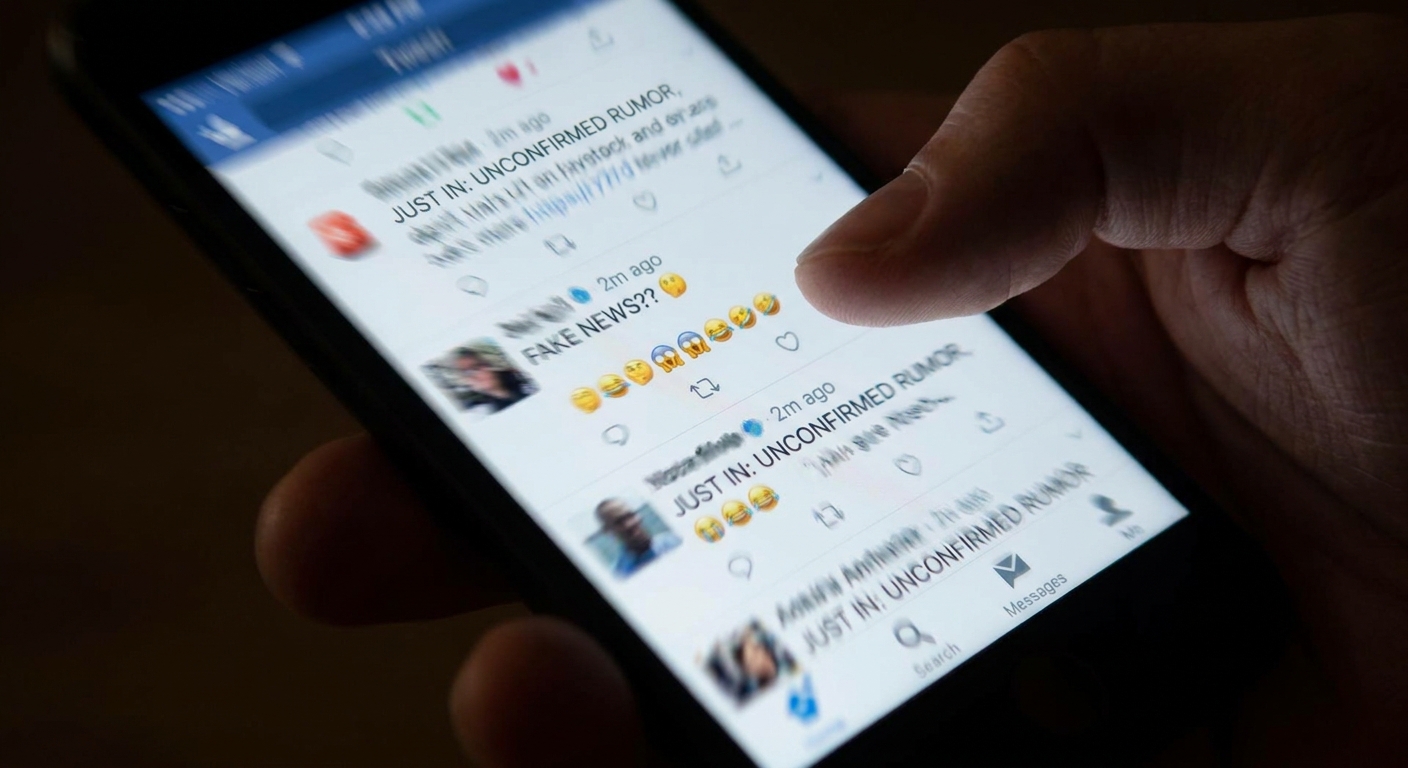
If you want a concrete sense of what filled the gap, it was rarely one big allegation. It was smaller, stickier content: cropped screenshots presented as receipts, side-by-side comparisons with circles and arrows, overconfident captions like “look closer,” and threads that treated routine choices such as a delayed appearance, a tightly worded statement, or a carefully framed image as puzzle pieces. Most of it was untraceable to any named, accountable source.
Responsible outlets handled the same uncertainty with a few unglamorous habits: linking to original statements and labeling claims as unverified when describing misinformation. That restraint can feel unsatisfying in the moment. It is also the difference between reporting and guessing.
The photo issue
Part of what supercharged the conversation was not an abstract “image,” but a specific moment with real consequences: the UK Mother’s Day family release posted by Kensington Palace on March 10, 2024. You can see the original post directly from the palace.
Multiple major distributors and news agencies took action under their editorial standards. The Associated Press said it withdrew the image because it did not meet AP standards and appeared to have been altered. BBC News reported that Reuters, AFP, and Getty Images were among the agencies that pulled the image.
At a high level, the agencies’ issue was not “minor retouching” as an aesthetic offense. It was that the image showed inconsistencies suggesting manipulation beyond routine edits, which triggered standards designed to protect the photo pipeline as documentary evidence.
To complete that mini-timeline: Catherine later acknowledged editing and apologized for any confusion in a social post attributed to her and signed with the initial “C”.
In a calmer media climate, an edited family release might have been a footnote. In this one, it became a credibility problem. Something meant to calm the room did the opposite because it introduced new ambiguity, then triggered a wave of visible corrections and clean-up that looked, to skeptics, like backtracking.
Here is the nuance worth holding onto. Questioning an altered official release is legitimate. Journalists and audiences should care when documentary-style material is manipulated, because it touches trust, provenance, and transparency. The problem is the leap from “this was edited” to “therefore there is a hidden plot,” especially when that leap is powered by anonymous accounts, unsourced threads, or visual guesswork presented as proof.
The takeaway is not “never publish a photo.” It is simpler: clarity beats cleverness. When audiences are already anxious, the smallest mismatch between intent and reception can turn into a week of noise.
Quick answers
Was Kate Middleton missing?
No. She had no public engagements for a period while recovering, and official updates were limited. Her March 22 statement explained why she had been out of official view and what she was undergoing.
Were the viral conspiracy claims confirmed?
No. The most widespread theories were not supported by credible reporting or official statements.
Why did it dominate the internet?
Because it combined high visibility, limited information, and a social ecosystem built to turn uncertainty into participatory storytelling. Some concern was ordinary and human. The problem was the leap from concern to certainty without documentation.
What about the other clips people argued over?
Additional photos and short clips, including paparazzi material, became their own mini-trials online, and mainstream outlets covered the debate around them as part of the broader misinformation cycle. You do not need to litigate each one to understand the pattern: when official information is scarce, any fragment becomes a referendum.
How do I follow this responsibly?
Rely on on-the-record statements from Kensington Palace and reporting from reputable wire services and major newsrooms, and be cautious with claims that rely on anonymous screenshots, “insider” threads, or visual guesswork presented as proof.
A simple checklist helps: find the original statement, read it in full (not as a cropped image), check the date, and see whether multiple credible outlets are describing it the same way.
When something visual is driving the claim, use practical tools: run a reverse image search, look for the earliest upload, check whether a wire service has published the material, and read the caption history. Also look for bylines, editorial notes, and corrections. Those details are not glamorous, but they are where accountability lives.
What to watch next
If you want a practical filter for the next big speculation cycle, look for signals that are boring, not viral: on-the-record statements, named sources at reputable outlets, consistent timelines, and corrections that are transparent rather than theatrical.
The internet loves the idea that every mystery has a hidden answer. But most “mysteries” are just privacy plus time. Time is the one ingredient the rumor cycle refuses to respect.