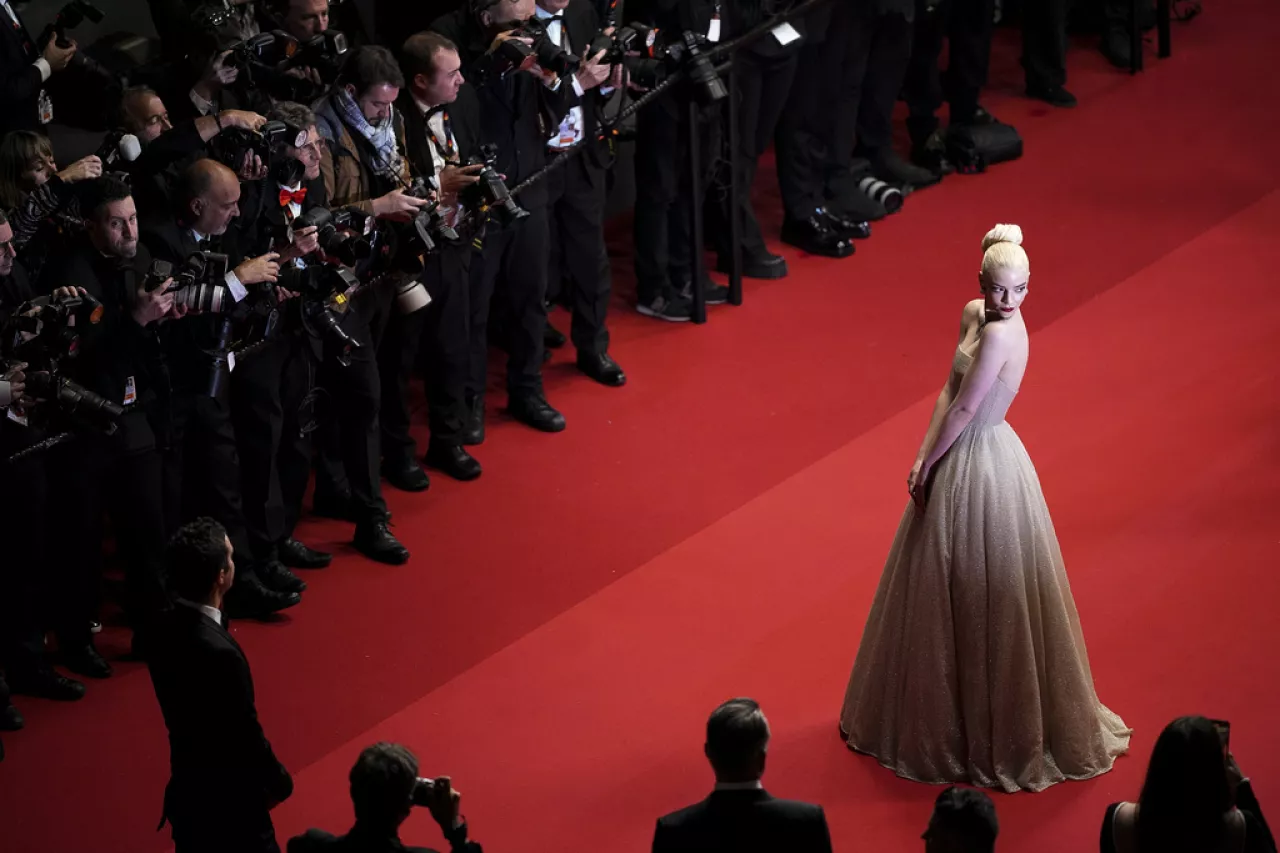
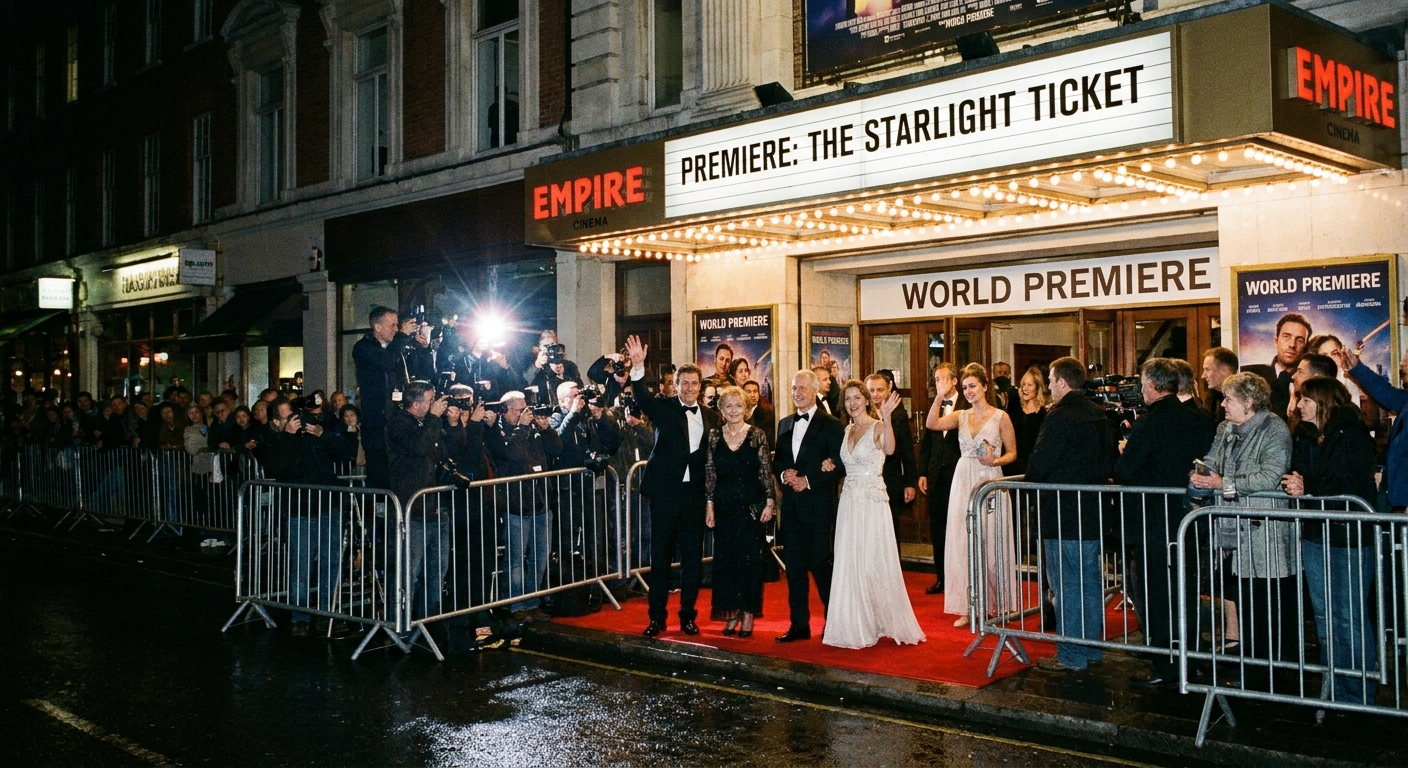
Lights down. Curtain up.
Typically held on the first Monday in May (with a few notable exceptions over the years), the Met Gala looks like a single red carpet moment. In reality, it is a tightly controlled fundraiser and a high-stakes fashion showcase where access is curated as carefully as the clothes. If you have ever wondered why some celebrities appear out of nowhere, why others never seem to get in, or why you cannot just buy a ticket, here is how it works.
What it is
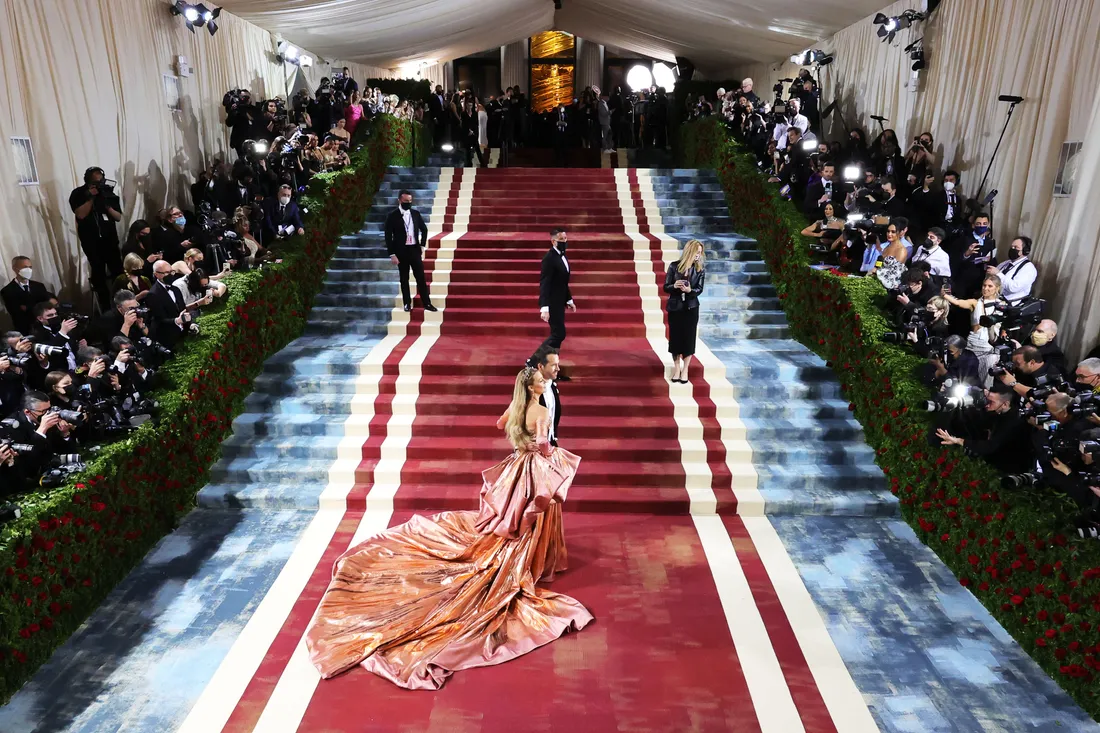
The Met Gala is the Costume Institute Benefit, a fundraising event for the Metropolitan Museum of Art’s Costume Institute. It also serves as the opening-night celebration for the Costume Institute’s annual spring exhibition.
That combination matters. A museum benefit comes with donors, patrons, sponsorships, and institutional goals. A global fashion spectacle comes with brands, designers, and talent strategy. The guest list is where those two worlds meet, and sometimes clash.
Who runs the list
The Met Gala is invitation-only. No public box office. No open RSVP. As widely reported over the years, the guest list is curated and subject to approval.
Vogue and final say
In the modern era, Vogue plays a central role in the event’s identity. Multiple outlets have reported that Vogue’s editor in chief has significant control over attendance, including, reportedly, final approval. In practice, that means the guest mix is shaped by a blend of visibility, brand alignment, and whether someone makes sense for the night’s theme and the cameras.
Co-chairs and host committee
Each year, the Met announces celebrity co-chairs and a host committee. Those names do not mean everyone involved can invite whoever they want. They help set the tone, raise the event’s profile, and support fundraising. Being on the host committee is less a plus-one perk and more a sign that you are part of the story the night is telling.
How tables work
If you are trying to understand invitations, start with the table. Many attendees arrive as part of a table purchased by a fashion house, luxury brand, or sponsor. A table is essentially a small block of dinner seats, often around 10, controlled by the host and filled deliberately.
In concrete terms, a luxury house might fill a table with a brand ambassador, a campaign star, a designer or creative director, a key editor or stylist, and a top client or two, then round it out with culturally relevant guests who make sense for the theme and the room.
Dressing is part of the invite
On Met Gala night, you will often see a designer walk the carpet with the celebrity they dressed. That pairing is the point. The brand gets a global stage for craftsmanship and theme interpretation, and the guest becomes part of the brand message.
In plain terms, one of the most reliable ways to attend is to be invited by a designer or brand that wants you in their look, at their table, and in the photos.
Tables are not a free-for-all
Buying a table does not mean every seat is automatic. Brands may propose guests, but, as coverage regularly notes, the final attendee list is still subject to approval. The night is built around a balance of:
- Fundraising priorities, including museum patrons and major supporters
- Fashion priorities, including designers and the guests they dress
- Editorial and cultural priorities, meaning people who will help define the conversation
This is why you will hear some version of the same line in Met Gala coverage year after year: reportedly, everyone is approved.
Who gets invited
Think of the Met Gala guest list as overlapping circles, not a single line. Attendees tend to fall into a few categories, and many people fit more than one.
Famous at the right moment
The Gala runs on attention, and attention runs on timing. A film star on a press tour, a musician in an album cycle, an athlete coming off a headline win, or a digital creator with a large audience is more likely to land on the radar because they keep the event in the cultural spotlight.
Fashion insiders
Designers, models, stylists, creative directors, and key editors are part of the ecosystem the Gala celebrates. Some are closely tied to the exhibition world. Others come through brand tables and long-standing relationships.
Patrons and donors
This part is easy to forget when the carpet dominates the coverage. The Costume Institute Benefit is a fundraiser. Patrons and donors matter, including people who support the museum year-round, not just for one night on the steps.
And to be clear: supporting the museum does not automatically guarantee an invitation. The benefit is curated like everything else about the night.
Artists and cultural figures
In recent years, the Gala has broadened what “fashion influence” can mean. Contemporary artists, filmmakers, directors, and other cultural leaders may be invited, especially when their work connects to the theme or the exhibit’s ideas.
Why you cannot buy a ticket
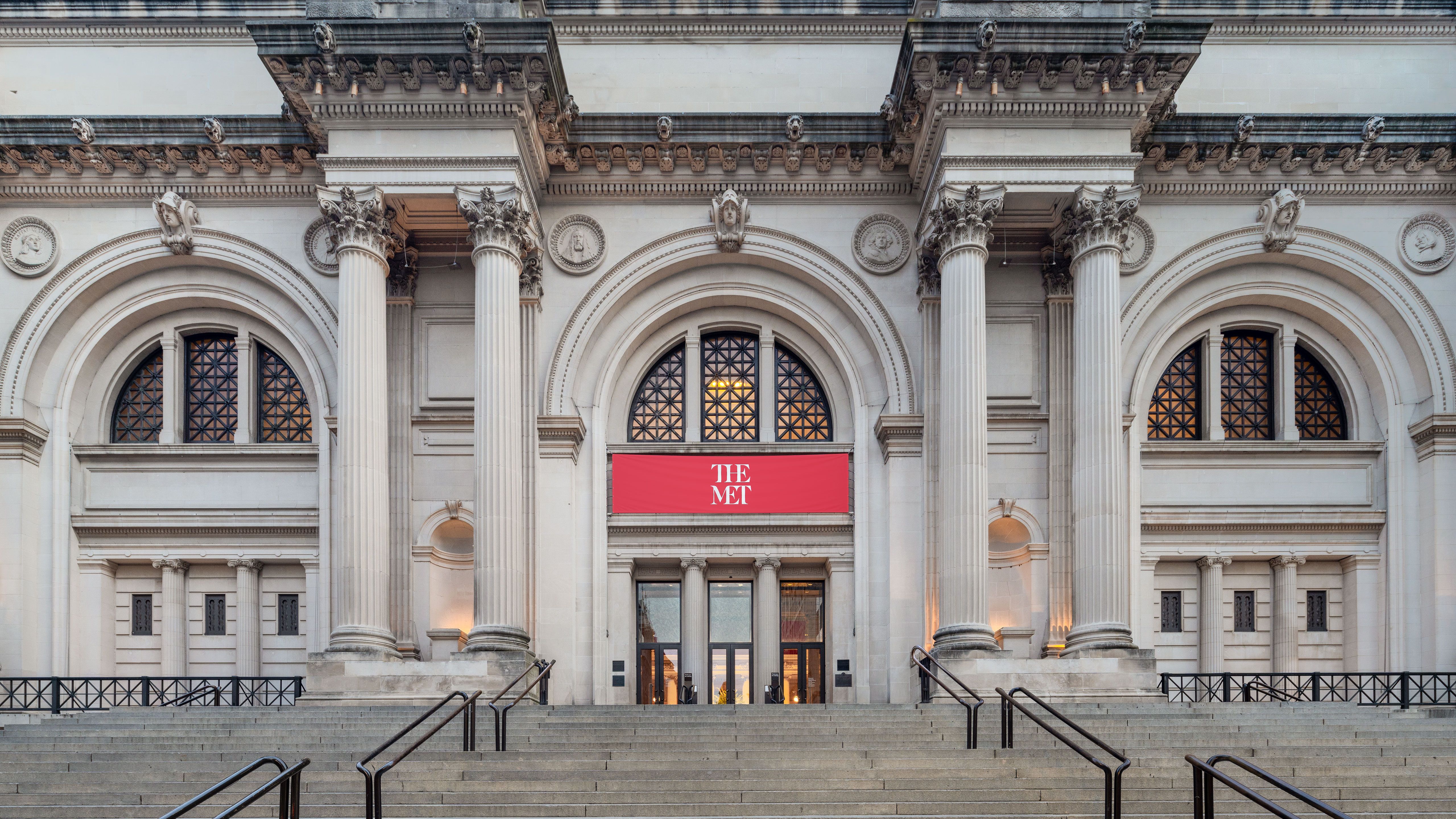
Public tickets are not sold because the Met Gala is not a public event in the way a performance or exhibition is. It is a private fundraising benefit with a tightly managed guest list.
You may see “ticket price” or “table price” figures cited in coverage. Those numbers typically refer to fundraising terms for sponsors, patrons, or brands supporting the event, not a public box office where anyone can purchase entry.
The structure stays closed for practical reasons:
- Security and logistics require controlled access
- Fundraising strategy is built around sponsorships, patronage, and institutional relationships
- Brand planning depends on coordinated dressing and seating
- Editorial control depends on a guest mix that fits the night’s tone
Behind the scenes
The Met Gala is not only about who shows up, it is also about how they move through the night. As reported by attendees and outlets over the years, arrivals are scheduled, seating is planned tightly, and rules inside have at times included restrictions on phone use and social posting. It is less like an open party and more like a staged production with a very specific cast list.
Myths
“If I have enough money, I can go.”
Money helps, but it is not the only key. Even when a table is purchased, guests are typically proposed, then approved.
“Celebrities get invited automatically.”
No. Some celebrities are recurring attendees because they reliably show up on theme and photograph well. Others are invited because of a specific brand relationship or a timely project.
“Influencers are replacing everyone.”
The guest list shifts with culture. Digital creators may be invited, especially when their reach aligns with what brands and media want. The mix still tends to include fashion, entertainment, art, and philanthropy.
If you are not famous
For most people, there is no direct, legitimate consumer pathway. The realistic routes are relationship-based and long-term, not transactional.
- Become a serious museum supporter, the kind involved beyond a single night
- Work in the fashion or arts ecosystem, where designers, brands, and institutions overlap
- Build a genuine brand partnership at a level where a house wants you at their table and in their look
Even then, support does not equal a guarantee. The Met Gala is not a prize you redeem. It is a seat in a room where the museum, Vogue, and fashion houses are telling a story on purpose.
FAQ
Do attendees pay for their own tickets?
Sometimes an individual cost is mentioned in coverage, but many guests attend as part of a brand or sponsor table, or through patron relationships. Practically, most guests are hosted by an institution or a brand.
Can you request an invitation?
There is no public application process. Invitations are issued privately, and attendance is curated.
Are there public contests to attend?
Be cautious. The Met Gala is invitation-only, so claims of “public tickets” are a red flag. Legitimate invitations usually come through established institutional, fashion, or sponsor channels.
Is the Gala the same as the exhibit?
No. The Gala is the benefit fundraiser and opening-night celebration. The exhibition itself is public and viewable during its run with museum admission.