Lights down. Curtain up.
If you are planning a Broadway night, the most useful number is not the seat row. It is the running time. Whether you are aiming for a pre-show dinner reservation, deciding between the subway and a rideshare, or figuring out if the parking garage will roll into “late night” pricing, knowing how long a typical Broadway show lasts takes a lot of stress out of the evening.

Typical Broadway runtimes
Broadway shows are usually listed by total running time. That number typically includes intermission if the show has one, and most listings will say so (for example, “including intermission”).
- Most Broadway musicals: often fall around 2 hours 15 minutes to 2 hours 45 minutes total, usually with one intermission.
- Most Broadway plays: often land around 1 hour 30 minutes to 2 hours 30 minutes total. Many modern plays are one act with no intermission.
- Outliers: Some productions run closer to 90 minutes total, while a small number stretch to 3+ hours.
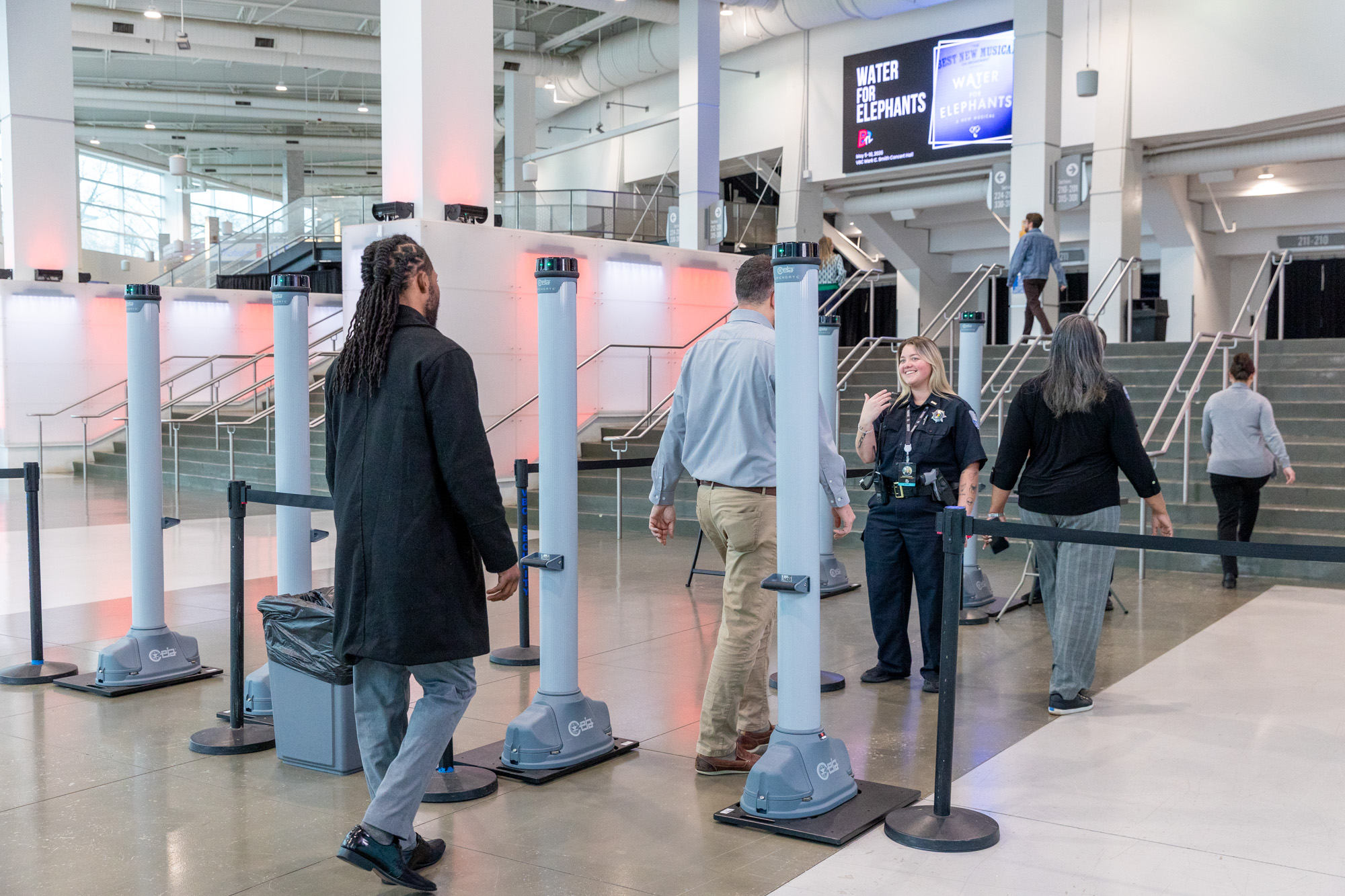
One more planning tip: the printed start time is when the performance begins, not when you should arrive. Add time for security screening, finding your seat, and a restroom line that mysteriously appears the moment the house lights dim.
Intermission and the clock
Intermissions vary, but they are typically about 15 to 20 minutes. Some shows run shorter or longer, so it is worth checking your specific listing if you are trying to thread a tight needle with dinner or trains.
What happens at intermission
- Restrooms: Lines move, but they can be long. If you know you will go, go quickly.
- Concessions: Many theaters sell drinks and snacks. Some offer pre-order options, which can save time.
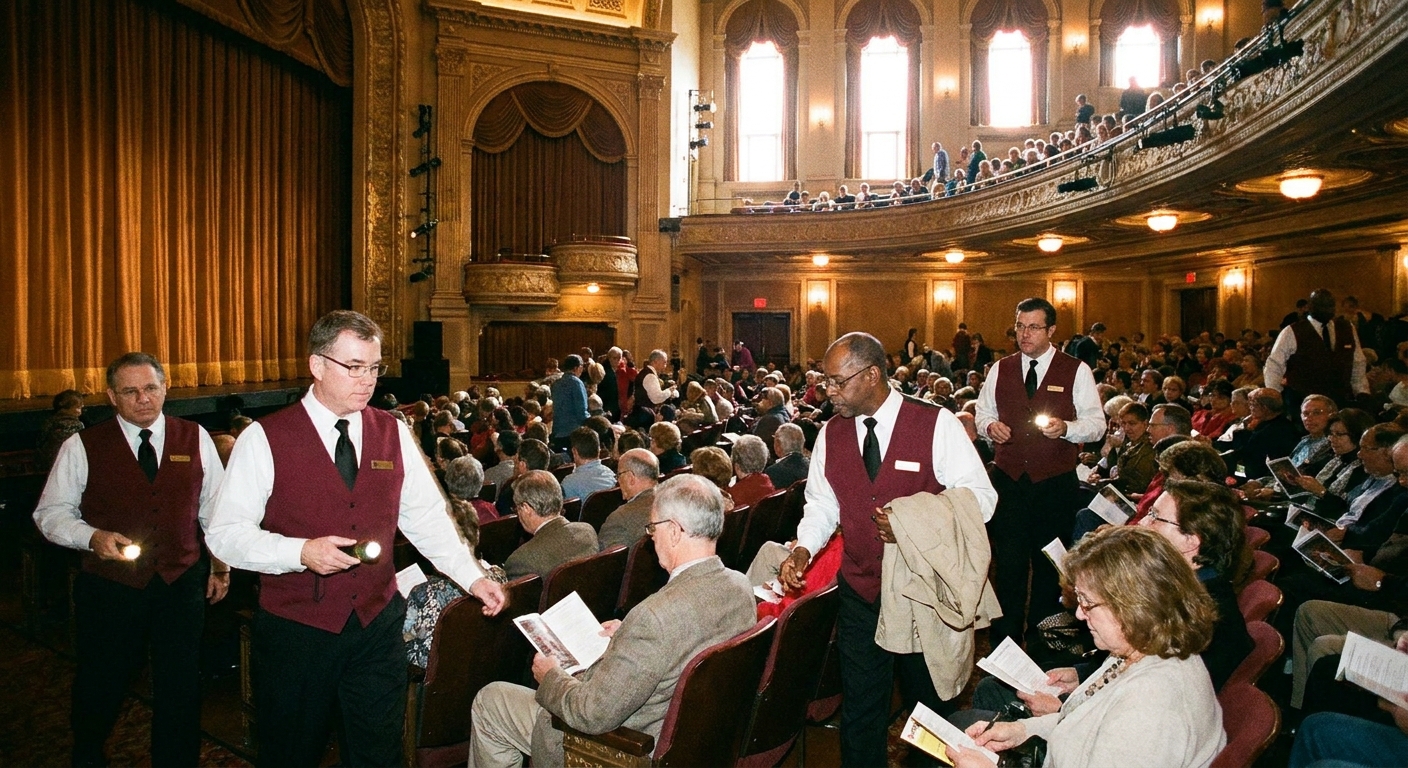
- Back to your seat: Ushers will encourage everyone to return before the second act begins. Aim to be seated a few minutes early.
If a show has no intermission, plan for a single continuous stretch. That is great for getting out earlier, but it also means you will want to handle everything before the curtain rises.

Check your show’s runtime
Runtimes are easy to find, but they can differ by production, and they can change after previews. For the most accurate answer, check more than one official source.
Where to look
- The show’s official website: Often listed under “FAQ,” “Plan Your Visit,” or “About the Show.”
- Your ticket seller listing: Major ticketing pages frequently show “Running Time” near the performance details.
- The theater’s website: Some venues list show details, including duration and late seating policies.
- Your ticket confirmation email: Sometimes includes runtime, door time, and late seating notes.
If sources disagree
Go with the most recent and most official source, usually the show’s site or the ticket seller for your specific performance. If your timing is tight, build in a cushion. On most nights Broadway starts close to the posted curtain time, but occasional house delays, technical holds, or late seating pauses can nudge the clock.
Dinner planning
Timing dinner is the classic Broadway puzzle: too early feels rushed, too late leaves you starving in Act Two.
Pre-show timing
- If the show starts at 7:00 or 7:30 pm: A reservation around 5:00 to 6:00 pm is usually comfortable, depending on how formal the meal is and how far you are walking.
- If you are eating near the theater district: You can often cut the buffer a bit, but build in time for crowded sidewalks and busy crosswalks.
- If you want dessert or a relaxed meal: Start earlier than you think. Being seated is not the same as being served.
Post-show timing
For an evening show, add the posted running time to the curtain time, then add another 10 to 20 minutes for exiting the theater and navigating the block. Many theaters release into a busy surge of people.
If your goal is a specific late reservation, consider a restaurant that takes later bookings, or aim for drinks and a snack instead of a full sit-down dinner.

Transit, parking, and pickups
Subway and commuter rail
- Know your last train: If you are connecting to commuter rail after the show, check the last departure and plan to leave the theater area with a time cushion.
- Expect platform crowds: Right after curtain calls, nearby stations can bottleneck.
- Accessibility and elevators: If you need step-free access, confirm elevator status ahead of time when possible.
Rideshare and taxis
- Surge timing: The moment a popular show lets out, prices can jump. Walking a few avenues or waiting 10 minutes can help.
- Pick a calmer pickup point: The closest corner to the theater entrance is not always the fastest.
Driving and parking
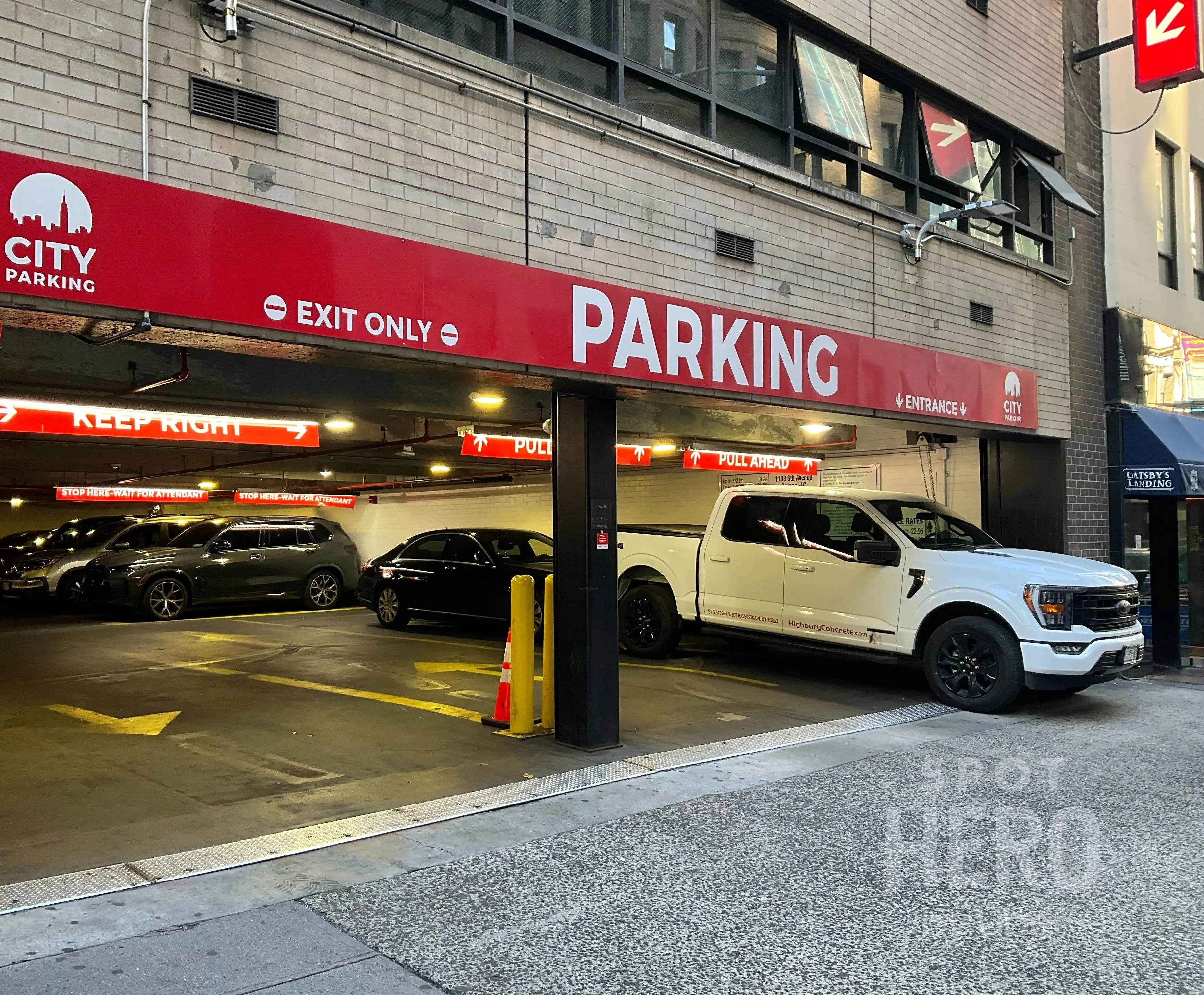
If you are parking, confirm three things before you commit:
- Hours and late cutoffs: Some garages change rates late.
- Event pricing: Broadway nights can trigger special rates.
- Exit time: Leaving a garage right after a show can mean waiting in a line of cars.
When to arrive
Even though this is a runtime guide, arrival time is the secret ingredient. A smooth night often starts with getting there early enough to settle in.
- Aim to arrive 30 minutes early: This gives you time for security, playbill pickup, coat check if offered, and finding your seat.
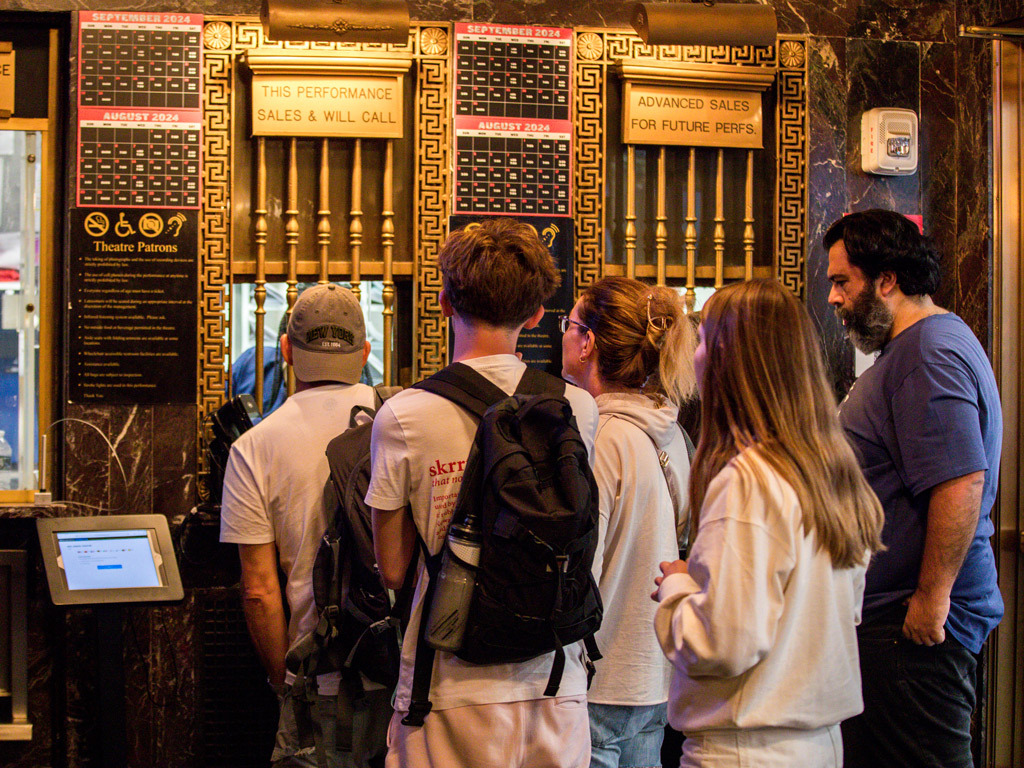
- If you need will-call pickup: Arrive earlier. Ticket windows can get lines close to curtain.
- If you are running late: Late seating policies vary. Some shows hold latecomers until a scene break, some wait until intermission, and some sections may have limited or no late seating.
Common exceptions
- Short, no-intermission shows: Some productions run about 80 to 100 minutes straight through.
- Long nights: A handful of shows stretch past 3 hours, sometimes with longer intermissions.
- What to watch for: If you see “no intermission” or an unusually long listed runtime, plan your food and transit around that, not the averages.
FAQ
Is the posted running time accurate?
Usually, yes, it is a solid planning number. But small variations happen based on applause, brief holds, or minor performance changes. If timing is tight, build in a buffer.
Do Broadway shows start on time?
Many start very close to the printed curtain time, but arriving after the start is risky. Late seating rules differ from theater to theater and show to show.
Are matinees shorter?
A matinee is typically the same production with the same running time. The difference is the start time, not the length.
Are plays shorter than musicals?
Often, yes, but not always. Many plays run about 90 minutes to a little over two hours, while musicals commonly land around 2½ hours including intermission.
Quick takeaway
If you are planning a Broadway evening without knowing the show yet, assume about 2½ hours total for a musical and about 2 hours for a play. Then, once you have tickets, confirm the exact running time on the show’s official site or your ticket listing and give yourself a little breathing room for arrival, intermission crowds, and the post-curtain-call shuffle back into the city.