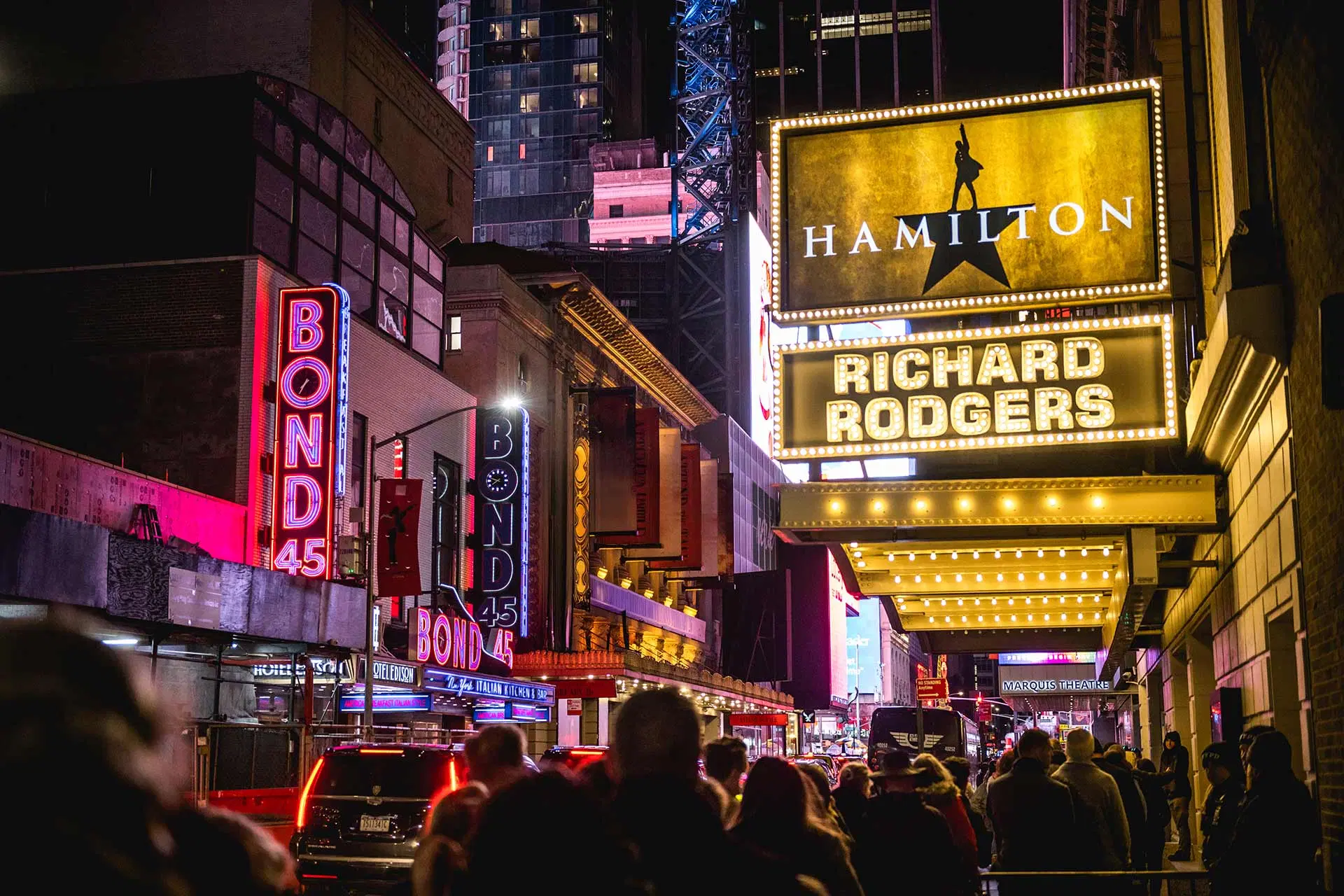
Lights down. Curtain up.
If you have ever stared at a Broadway seating map like it is a puzzle box, you know the real question is not just where to sit. It is when to buy. Buy too early and you might wonder if prices will drop. Wait too long and suddenly your dream date night is a Wednesday matinee in the last row.
As a starting point for many shows, buying about 3 to 8 weeks ahead often gets you a strong mix of seat choice and reasonable pricing. But Broadway is not “most shows.” Timing changes with demand, season, the day of the week, and even the policies of the seller you use.
The quick answer
- Must-see hit show: Often 2 to 6+ months ahead, earlier for weekends and holiday weeks.
- Popular but not impossible: Commonly 4 to 10 weeks ahead for the best seat choices.
- Slower seller or wide availability: Often 1 to 4 weeks ahead, or sooner if you want premium center orchestra.
- Holiday weeks and peak travel seasons: Often 2 to 4 months ahead at minimum.
- If your dates are flexible: You can often wait longer, especially for midweek performances.
Why timing matters
Broadway pricing can behave a bit like airfare. Many productions use dynamic pricing, meaning prices may rise or fall based on demand, seat location, and how fast a performance is selling. Not every show does this the same way, and pricing rules can vary by production and ticketing platform, but the overall pattern is familiar.
In practical terms:
- Early buyers get the best seat selection and the most performance options.
- Late buyers sometimes find deals, but they are also the first to get squeezed by sellouts, limited sections, and “only premium seats left” sticker shock.
So the best time to buy depends on which risk you would rather take: paying more than you hoped, or not getting the show you wanted.
Buy by show type
1) The blockbuster show
These are the titles with constant buzz and a calendar that fills fast.
- Common window: 2 to 6+ months in advance.
- Safer window for holiday travel: 3 to 8 months.
- For Saturdays: As early as you can once your trip dates are firm.
If you are traveling and there is one show you will be heartbroken to miss, this is not the category to “see what happens.”
2) The steady seller
These shows can be popular and still have consistent availability. You will often see inventory across many weeks, especially for midweek performances.
- Common window: 4 to 10 weeks in advance.
- If you care most about seat location: Buy earlier, especially for center orchestra or front mezzanine.
This category rewards planning but does not always require half-a-year lead time.
3) The quieter show
Some productions have more availability simply because demand is lower, the theater is larger, or the run is not under constant pressure.
- Common window: 1 to 4 weeks in advance.
- If you are flexible on day and time: You can sometimes buy even closer without much penalty.
The catch: even slower sellers can spike around holiday weeks and school breaks, so “quiet” does not always mean “available whenever.”

Buy by season
Peak periods
If you are visiting New York during a high-travel window, your ticket competition is not just theater fans. It is everyone with a weekend itinerary and a Midtown hotel reservation.
- Thanksgiving week
- December holidays (especially the week between Christmas and New Year’s)
- Spring break weeks (March and April are big)
- Summer travel season (June through August, with weekends often tighter)
Timing guidance: For these windows, 2 to 4 months ahead is a solid baseline for many shows, and 4 to 8 months is a safer range for the hottest tickets.
Quieter periods
You often have more breathing room in:
- January and February (after New Year’s, excluding holiday weekends)
- Early fall (parts of September)
- Some midweeks in October and early November
Timing guidance: 3 to 8 weeks ahead is often plenty, unless the show is a true blockbuster.
Buy by day
On Broadway, your calendar choice is half the strategy.
Weekend nights
- Demand: Highest
- Common window: 6 to 12+ weeks ahead for many shows, longer for hits and peak weeks
If you want a specific Saturday evening performance, treat it like a limited resource. Because it is.
Weekend matinees
- Demand: Very high, especially for tourist favorites
- Common window: 6 to 12 weeks ahead
Matinees can be just as competitive as evenings, particularly in peak seasons.
Midweek
- Demand: Often lower
- Common window: 2 to 6 weeks ahead
If you are price-sensitive, midweek is where Broadway sometimes relaxes its shoulders.
Mondays
Many Broadway shows are dark on Mondays, though there are exceptions and schedules change. If a show does perform on Monday, it can sell briskly simply because there are fewer choices that night.
- If Monday is your only night: 4 to 10 weeks ahead is a sensible target for popular titles.
When waiting backfires
Waiting can work when a show has plenty of seats and you are flexible. It backfires when any of these are true.
You have one possible date
If your trip has one open night, buy as soon as you know your schedule. The cost of missing the show is usually higher than the satisfaction of saving a few dollars.
You need seats together
Pairs are manageable. Groups are harder. If you need 3+ seats together, the best inventory disappears early, and what remains may be partial-view or scattered.
You are visiting in a peak week
Holiday crowds move fast. Waiting until you arrive can leave you with limited choices or premium-priced leftovers.
You care about a specific section
Want center mezzanine, an aisle seat, or a particular sightline? Seat selection is the main advantage of buying early, and it is not something you can reliably recreate at the last minute.

A simple timeline
If you are coming to New York with a suitcase and a show list, here is a no-drama approach that works for most trips.
3 to 6 months out
- Circle your one non-negotiable show.
- If it is a hit, buy now, especially for weekends.
- If your trip is during a holiday week, move faster.
6 to 10 weeks out
- Buy tickets for any second-choice show you would still be sad to miss.
- If you want specific seats, lock them in.
3 to 6 weeks out
- Fill in the rest of your theater nights, particularly midweek.
- Compare different days and times to balance price and seats.
1 to 2 weeks out
- If you are flexible, you can still shop around for availability.
- Have a backup show in mind in case your first pick tightens up.
During your trip
- Leave room for spontaneity if you love the chase, but do not gamble with your top priority.
- If you are set on a particular title, last-minute can mean last-minute pricing.
Buy smart and safely
Timing is only half the battle. The other half is where you buy.
- Start with official sources: The show’s official ticketing partner or the theater box office is the cleanest path, and it makes it easier to understand policies.
- Know what “premium” means: Premium is often dynamic pricing, not a separate seating section. It can be a great seat or simply a high-demand date.
- Watch the fees: Two similar-looking totals can hide very different service charges. Always check the final price before checkout.
- Be cautious with resale: Resale marketplaces can be legitimate, but they can also come with inflated prices, delivery delays, and stricter rules. Read the terms, verify the section and row, and keep screenshots of your confirmation.
Rush, lottery, and day-of-show
If you like a little suspense, some shows offer last-minute options like digital lotteries, rush tickets, student discounts, standing room, or day-of-show releases. Availability varies widely by production, and popular titles can be extremely competitive, but these programs can affect your timing strategy.
If your trip hinges on one specific show, treat rush and lottery as a bonus plan, not your primary plan.
Ticket policies to check
Before you hit “purchase,” take 30 seconds to confirm:
- Final sale vs exchanges: Many tickets are final sale, but some sellers allow exchanges or credits under certain rules and deadlines.
- Cast and schedule changes: Understudies, vacation dates, and schedule shifts happen. If a specific performer is the reason you are going, read the policy carefully.
Early vs late
Buying early is best for
- Seat selection (especially prime center sections)
- Guaranteeing a specific date
- Groups who need seats together
- Peak travel weeks
Buying later is best for
- Flexible schedules (you can pivot easily)
- Midweek performances
- Taking a chance on availability for non-blockbusters
In other words: buy early for control. Buy later for adaptability.
FAQ
Is it cheaper to buy in advance?
Sometimes. Buying in advance can protect you from price spikes and gives you more choices beyond premium-priced leftovers. But some slower-selling shows may have last-minute deals. The “cheapest” strategy depends on demand, your date flexibility, and where you are buying.
How early should I buy for Saturday night?
For many shows, 6 to 12+ weeks is a good starting point. For hot tickets and holiday weekends, look 2 to 6+ months out if you can.
Do matinees sell out?
Yes, especially on weekends and during tourist-heavy weeks. If a matinee is your main option, treat it like a prime-time performance.
If I wait, will better seats open up?
Occasionally, small blocks can reappear due to ticket holds being released, but it is unpredictable. If a particular seat area matters to you, buying earlier is the safer bet.
The rule of thumb
If you remember only one thing, make it this: buy earlier for certainty, buy later only when you can pivot.
Broadway is full of surprises. Your ticket plan does not have to be one of them.