Lights down. Curtain up.
If you have ever opened a seat map and wondered why you are seeing odd numbers on one side of the house and even numbers on the other, you are not alone. It is not random. It is a practical system that can make it faster to find seats, manage crowd flow, and reduce ticketing errors.
One important caveat up front: not every venue uses the odd-even split. Some number straight across a row (1, 2, 3, 4...) or follow a house-specific pattern based on renovations, ticketing software, or plain old tradition.
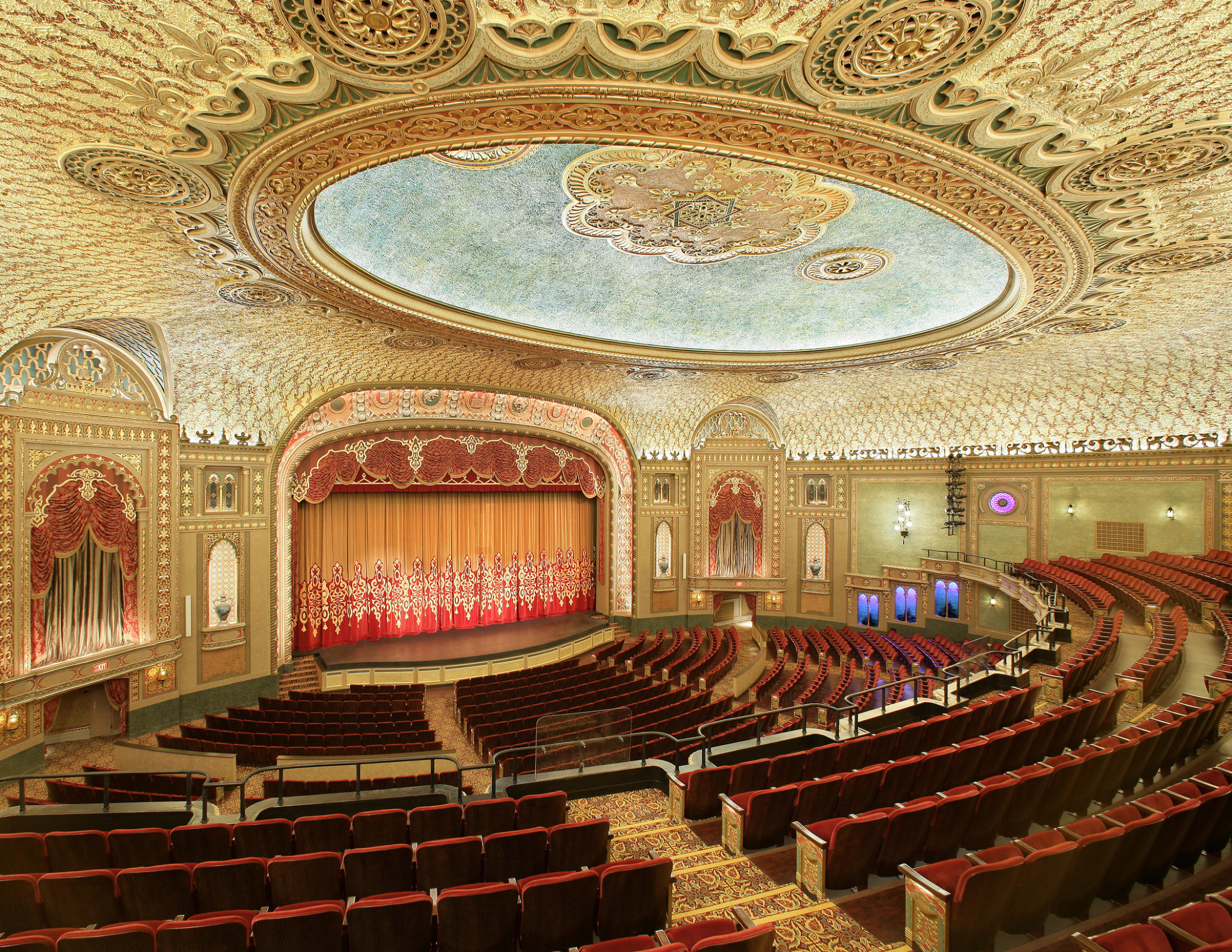
The short answer
Many theaters (though not all) number seats odd on one side and even on the other so staff and patrons can locate seats quickly without second guessing which direction numbers run. It is similar to the logic used in many street address systems, where odds and evens often fall on opposite sides, though those rules vary by place.
Once you know the key, a seat label like Row H, Seat 18 can tell you a lot at a glance: which half of the row you are on, roughly how far from the center you might be, and which aisle you should approach from.
Why odd on one side and even on the other
It speeds up wayfinding
In a dim auditorium, people do not want to count every chair. Splitting odds and evens across the room creates an instant clue. If your ticket says Seat 7, you already know you are heading to the odd-number side of that row (in venues that use the split).
It reduces mistakes during the rush
A common source of pre-show seat confusion is direction. Does the row start at the left wall? At the right wall? Does it start at the aisle? With odd and even separated, one wrong turn is easier to catch before someone has to stand up and do the polite shuffle.
It helps venues run operations
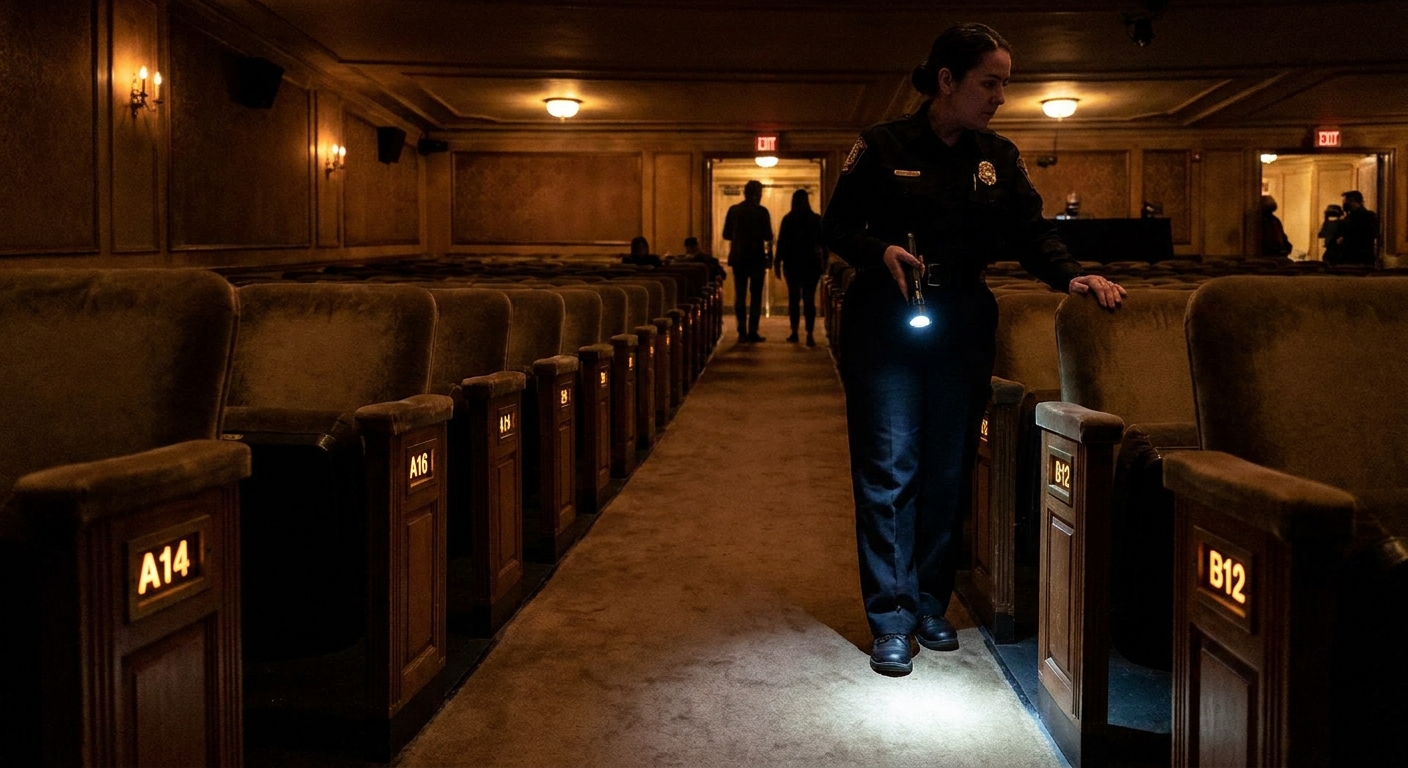
Ushers, ticket scanners, and front-of-house teams use seating patterns to solve real problems quickly: guiding latecomers, handling accessibility moves, and resolving double-sold or misread tickets. A consistent odd-even convention can cut down on back-and-forth.
How seat numbers usually run
Venues vary, but most seating charts fall into one of these families.
1) Center split (seen in many theaters)
If there is a center aisle dividing the orchestra, numbering often starts at that center aisle and moves outward toward the walls.
- Odd numbers on one side of the aisle
- Even numbers on the other side
- Lower numbers are closer to the aisle, higher numbers march outward
In this setup, Seat 1 and Seat 2 can be near each other, just on opposite sides of the aisle.
Here is what that can look like in a single row (aisle in the middle):
WALL 9 7 5 3 1 | 2 4 6 8 10 WALLWhich side gets odds depends on the venue.
2) Straight across (common in some houses)
Some venues number a row straight across from one end to the other, like 1 to 20. In that case, odds and evens are mixed together naturally because the sequence is consecutive. The row might start at house left, house right, or an aisle.
3) Section-based numbering
If an orchestra level is broken into left, center, and right sections with aisles in between, numbering may restart or shift by section. You might see:
- Each section starting at Seat 1
- Center section using smaller numbers, side sections using higher numbers
- Odd and even split within each section
That is why your ticket sometimes includes a section name along with the row and seat.
Row letters: A is not always front
Row lettering looks simple until it is not. Here are a few reasons Row A might not be where you expect.
Labels can start in different places
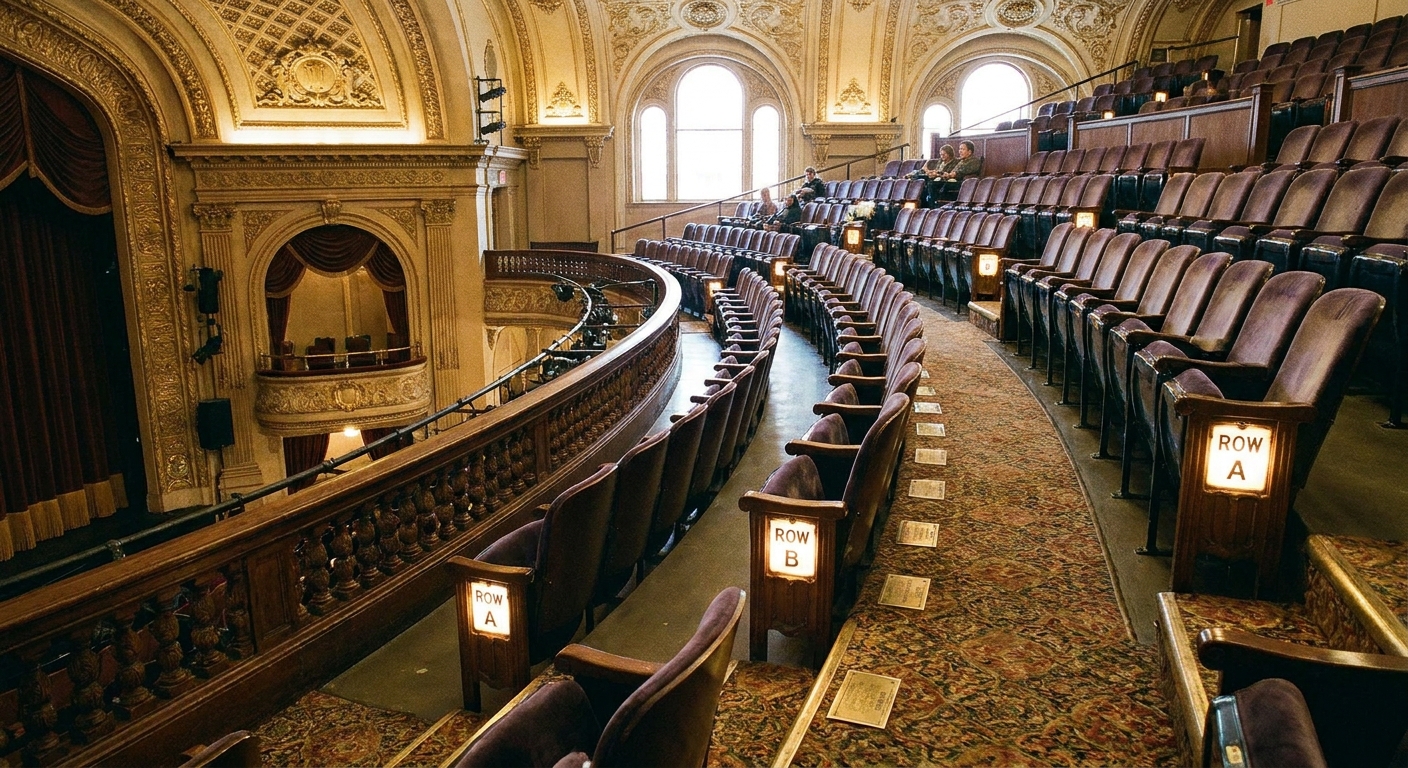
Many theaters start at the front with Row A and work backward. Others start near an aisle break, a cross-aisle, or a rail, then label in the direction that fits the building. Older venues with renovations are especially likely to have quirks.
Different levels can repeat letters
Mezzanine Row A and Orchestra Row A can exist at the same time. That is normal. What matters is the full label: level + section + row + seat.
Why some venues skip letters
If you have ever noticed a seating chart that jumps from Row H to Row J, you spotted a long-running house convention: many venues skip letters that can be confused at a glance.
Commonly skipped letters
- I (can look like 1)
- O (can look like 0)
Sometimes it is legacy
Some venues also avoid letters that have caused repeated ticketing errors in their building, especially if row markers are small, lighting is low, or a font makes certain letters ambiguous.
Sometimes the building changed
Renovations can create the illusion of skipped rows. A building might remove a row to add an accessible cross-aisle, widen legroom, or rework sightlines, while keeping the original lettering beyond that point so older paperwork and internal maps still match.
Read a seat map fast
When you are staring at a seat chart on your phone with the timer ticking, use this quick checklist.
Step 1: Find the stage
Look for “Stage” or “Screen.” In an arena-style venue, look for a compass direction or a reference like “North.” Make sure you know what “front” means on that particular map.
Step 2: Spot sections and aisles
Sections are usually blocks separated by aisles. Seat numbers often make more sense once you notice where the aisles are because numbering frequently starts at an aisle and moves outward.
Step 3: Check the number pattern
Scan one row. If you see 1, 3, 5 marching away from an aisle on one side and 2, 4, 6 on the other, you are looking at the classic odd-even split. If you see 1, 2, 3, 4 across, it is a straight-across system.
Step 4: Confirm row lettering rules
Look for any note that the venue skips letters, or that the first row is not A. If there is a cross-aisle, check whether row letters restart after it.
Step 5: Match your ticket format
Tickets are typically some version of:
- Level (Orchestra, Mezzanine, Balcony)
- Section (Left, Center, Right, or a number)
- Row (letter or number)
- Seat (number)
If your ticket includes a section, do not ignore it. In multi-section rooms, “Row F Seat 12” can exist in more than one place.
If the venue offers an interactive map or a legend, use it. It often reveals whether numbering starts at an aisle, a wall, or the center split.
House left and stage left
One more detail that makes seat maps feel like a magic trick: theaters use two different “left and right” systems.
House left and house right are from the audience’s perspective as you face the stage. Stage left and stage right are from the performer’s perspective as they face the audience.
Seat numbering sometimes lines up neatly with these labels, and sometimes it does not. The real anchor is the map: aisles first, then the number pattern.
FAQ
Are odd seats always on the left?
No. Odds can be on either side depending on the venue’s system. The most reliable method is to look at the seat map for one row and see which side shows 1, 3, 5 versus 2, 4, 6.
Why is my seat number so high if I am near the center?
It depends on where numbering starts. If numbering runs straight across from a wall, center seats can land in the middle of a larger sequence. If numbering starts at an aisle and moves outward, a higher number may mean you are closer to the wall, not the center.
Why do some rows use numbers instead of letters?
Some venues prefer numbered rows for consistency across levels, or because their internal ticketing system is set up that way. You will see this often in arenas, concert halls with many sections, and newer multipurpose spaces.
Why are I and O missing from row letters?
They are easy to confuse with 1 and 0, especially on small row plaques or in low light. Skipping them is a simple way to prevent wrong-seat mix-ups.
What if my seat map does not match what I see in the room?
First, double-check the level and section. If it still looks off, ask an usher before the row fills in. Many theaters have numbering quirks because of renovations, removable seating, or section reconfigurations for different events.