Lights down. Curtain up.
And then sometimes, after the applause settles, the show has one more scene: the conversation. In theater, that post-show chat is called a talkback, and it is one of the best ways to peek behind the curtain without stepping onstage.
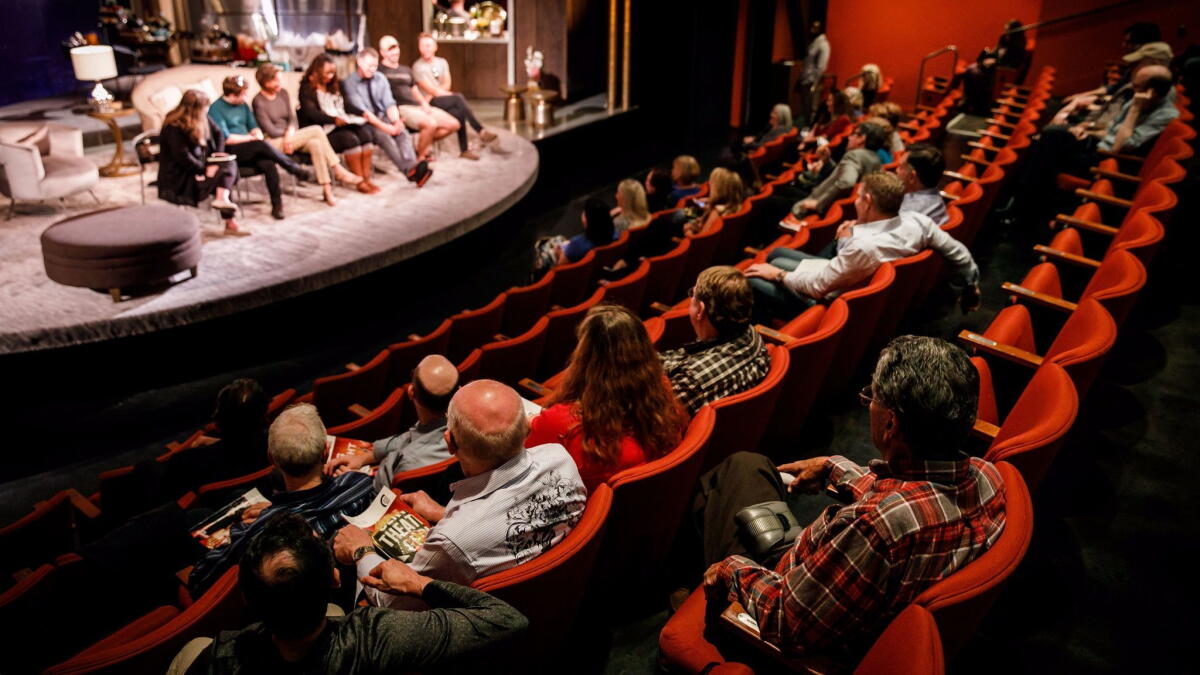
What a talkback is
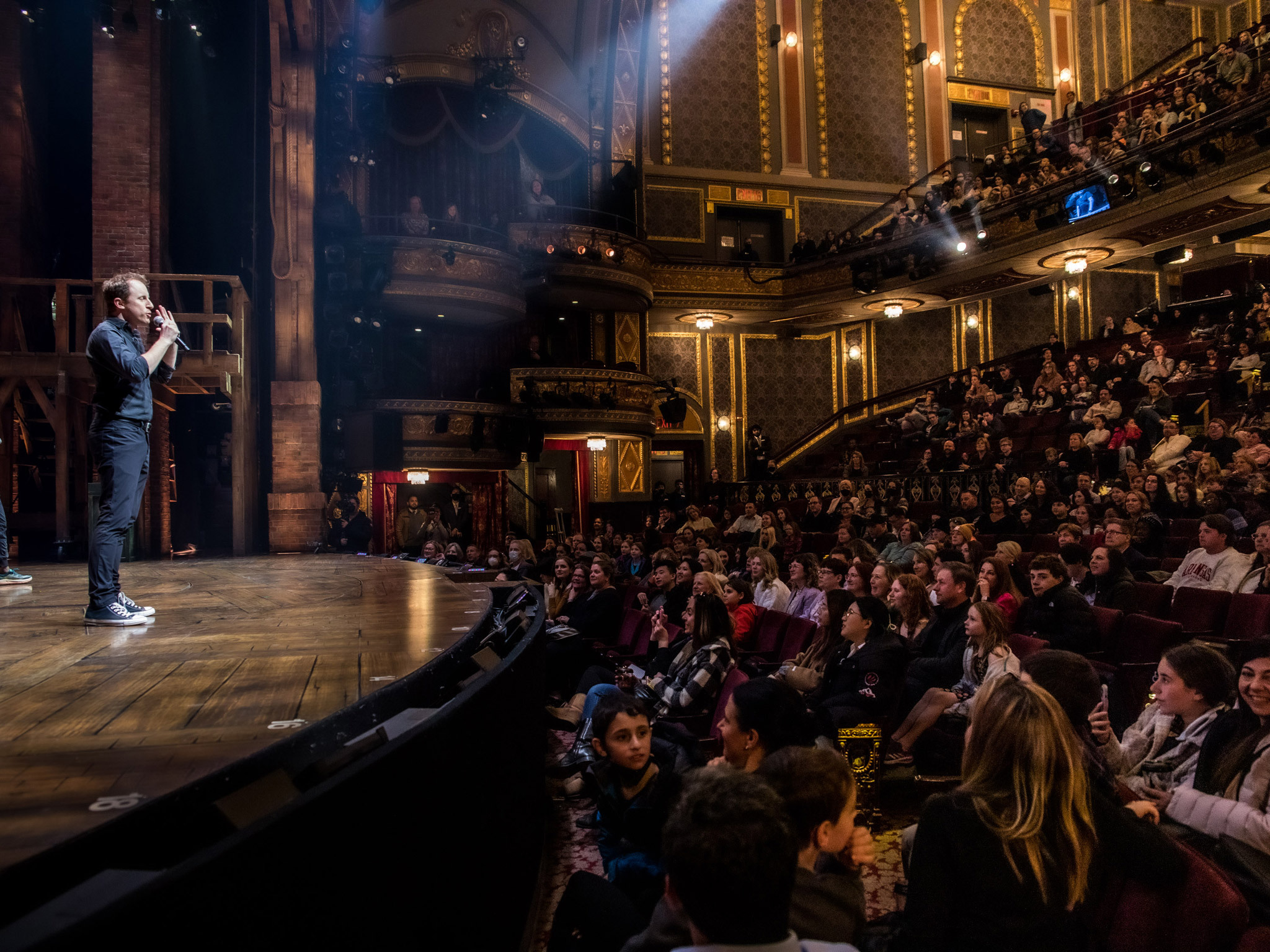
A talkback is a structured conversation held after a performance, where audience members can ask questions and hear from the people who made the production. Depending on the venue and the show, talkbacks might include:
- Actors (often still in costume, sometimes changed already)
- The director
- The writer (playwright, or for a musical the book writer, lyricist, or composer)
- Designers such as lighting, sound, costumes, or sets
- A moderator from the theater, a guest host, or a community partner
The vibe can range from a quick Q&A to a deeper discussion about themes, staging choices, historical context, or how a tricky moment is pulled off.
When talkbacks happen
Most talkbacks happen right after the show. The curtain call ends, some audience members leave, and those who stay settle back in for a short conversation.
You will often see talkbacks scheduled:
- On specific nights (for example, Thursdays, matinees, or preview performances)
- After opening, once the show has found its rhythm
- For student matinees or school group performances
- For special events such as new-play festivals, community nights, or accessibility programs
If a talkback is planned, it is usually listed on the theater’s website, lobby signage, or announced before the performance. Sometimes it is a surprise bonus, but most of the time, it is on the calendar.
How questions work
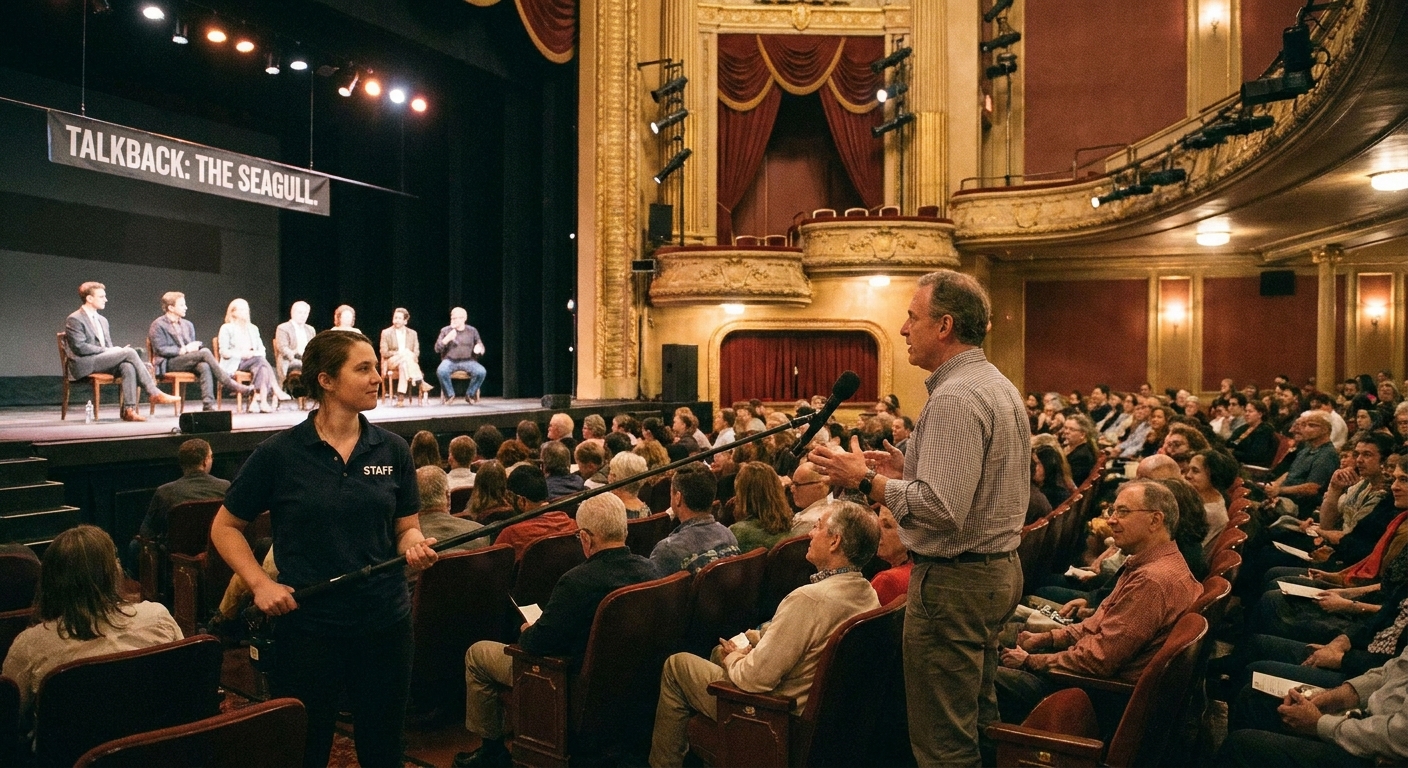
Talkbacks are often run as a Q&A, with a moderator keeping things moving and making sure multiple voices are heard. Here is what you can expect:
The theater sets the tone
The moderator starts with a welcome, introduces who is onstage, and may offer a reminder about respectful language and how questions will be handled.
Questions start fast, or warm up slowly
Some talkbacks open straight into questions. Others begin with one or two starter prompts from the moderator, especially if the audience is quiet at first.
Questions come from the house
Many venues use handheld microphones in the aisles. In smaller rooms, you may simply raise your hand and speak from your seat. Some theaters also accept questions on cards or via a QR form, which can be especially helpful if you are shy or the room is large.
Time is limited
Talkbacks are commonly 10 to 30 minutes, but it varies. Special events, community discussions, or student sessions sometimes run 30 to 45 minutes or longer when the schedule allows.
What makes a great question
If you want your question to land well, aim for something specific and curious. A few audience-friendly approaches:
- Ask about a choice: “What led to staging that moment in this way?”
- Ask about process: “How did the cast rehearse the physical sections?”
- Ask about design: “How was that lighting shift timed?”
- Ask about meaning: “What conversations did you hope the ending might spark?”
It is usually best to keep it to one question at a time. If you have two, ask the first and see if there is time for a follow-up.
Talkback etiquette
Talkbacks are casual, but they are still part of the performance environment. A few simple habits help everyone enjoy it.
- Stay seated and listen. It is a shared conversation, not a private chat.
- Be mindful with spoilers if the moderator asks the audience to avoid detailed plot reveals, especially during festivals, rotating repertory, or multi-show events.
- Speak clearly, especially if you are not using a microphone.
- Keep it respectful. Challenging questions are fine. Personal attacks are not.
- Let others in. If you have already asked one, consider saving your next for later.
If you want to say thank you, keep it brief and then ask your question. Your future self, and everyone behind you, will appreciate it.
Also, it is normal for artists to gently decline certain topics. Not every talkback is the right place for questions about internal conflicts, private life details, or specific casting decisions, and a moderator may redirect those.
If you are nervous about speaking, you can absolutely just listen. Plenty of audience members treat talkbacks like a bonus behind-the-scenes feature, no participation required.
What you might hear
The best talkbacks pull your attention toward the craftsmanship you just witnessed. Depending on the show, conversation might cover:
- Rehearsal discoveries and how scenes changed over time
- Character work and relationships onstage
- Staging choices like pacing, movement, or use of space
- Design challenges like quick changes, sound effects, or scene transitions
- Context such as the time period, source material, or real-world inspirations
- Audience responses and how live energy shapes a performance
Sometimes you will also hear honest little surprises, like a moment that was almost cut, a prop that misbehaved in previews, or a line that consistently gets a laugh in one city and silence in another.
And if the talkback is scheduled in advance, you may also find accessibility support in the room, like ASL interpretation or captions, depending on the theater and the event.
Talkback vs. stage door
A talkback and a stage-door greeting both happen after the show, but they are very different experiences.
Talkback
- Where: inside the theater, often with the cast or creative team onstage
- What it is: a moderated group conversation or Q&A
- Focus: the production, themes, and how the work was made
- Access: shared, public, and time-limited
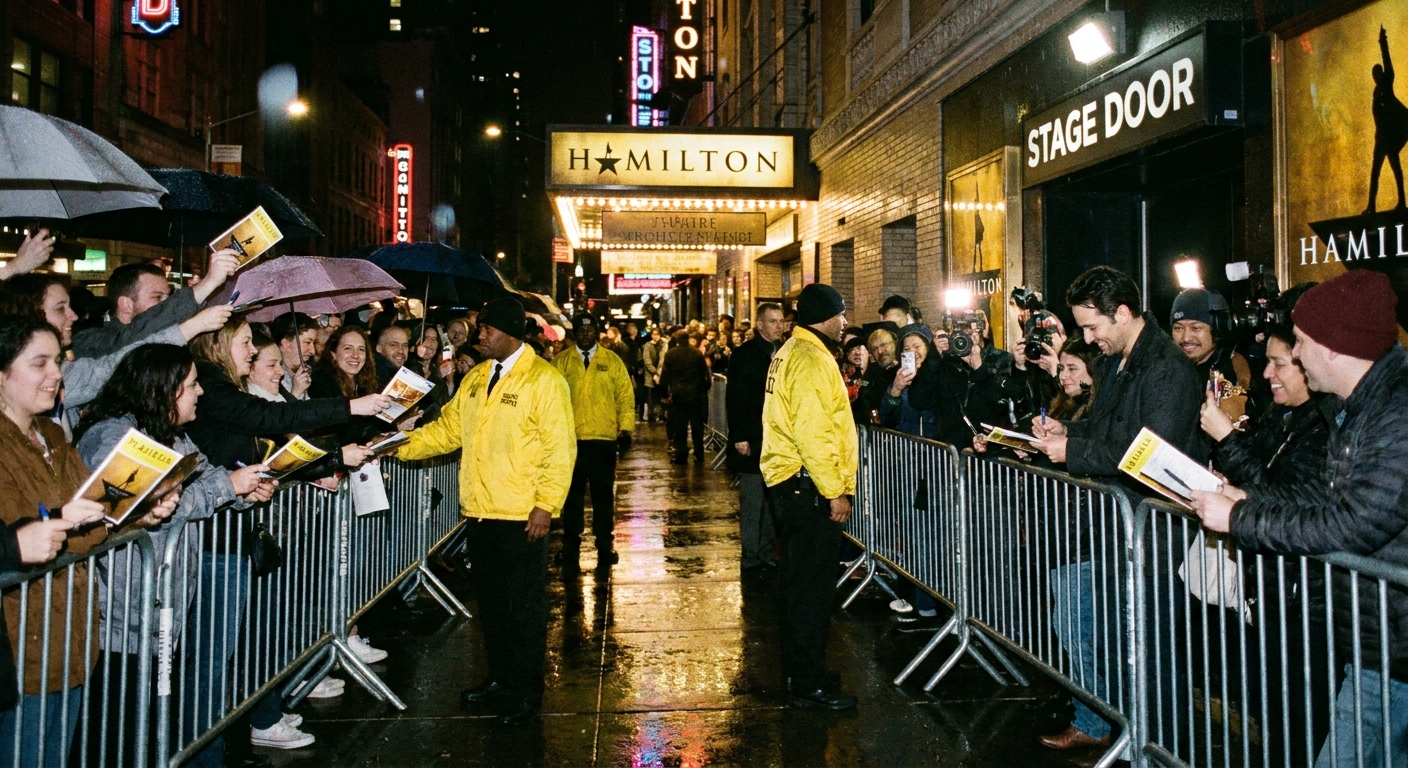
Stage door
- Where: outside, near the performers’ exit
- What it is: informal greetings, quick hellos, sometimes autographs or photos if permitted
- Focus: brief personal interaction and congratulations
- Access: depends on the venue, the night, and the performer’s availability
In short: a talkback is conversation with the room. Stage door is quick connection, one person at a time.

Planned or spontaneous?
Most talkbacks are planned, even when they feel casual. The theater has to coordinate staffing, timing, and who will be available to participate.
That said, smaller theaters, fringe shows, college productions, and festivals sometimes do things more ad hoc. You might get an impromptu, “We can take a few questions,” right after curtain call. If that happens, you will usually hear an announcement before people start heading out.
Do you have to stay?
Nope. If you need to leave, you can slip out as the applause ends, or during the first moments of setup. If you do stay, it is courteous to remain for most of the conversation, since movement in the aisles can be distracting.
FAQ
How long does a theater talkback last?
Many talkbacks run 10 to 30 minutes, but it depends on the event and the venue’s schedule. Some special nights go longer.
Can you ask anything in a talkback?
You can ask a wide range of questions, but the best talkbacks stay focused on the work: story, staging, acting, design, rehearsal process, and themes. Personal or invasive questions are usually discouraged, and moderators may redirect them.
Do actors stay in character during a talkback?
Generally, no. Talkbacks are typically out of character, with performers speaking as themselves about the production. In rare cases, a themed event might play with format, but the standard is straightforward conversation.
What if I missed part of the show or did not understand it?
That is exactly the kind of moment talkbacks can help with. You can ask about a confusing plot point or a choice you did not read the way you expected. Keep the question clear and curious, and you will likely get a thoughtful answer.
The encore thought
A great performance can feel like magic. A talkback is where you get to hear about the strings, the glue, the late-night rehearsals, and the artistic arguments that shaped what you just saw. If you have ever wanted the director’s cut, theater-style, staying for the talkback is your front-row seat.