Lights down. Curtain up.
Once a show opens, choreography does not get to live in a rehearsal bubble. It has to survive eight shows a week, new spacing, tired bodies, quick costume changes, and the occasional last-minute replacement. That is where the dance captain comes in.
The quick definition
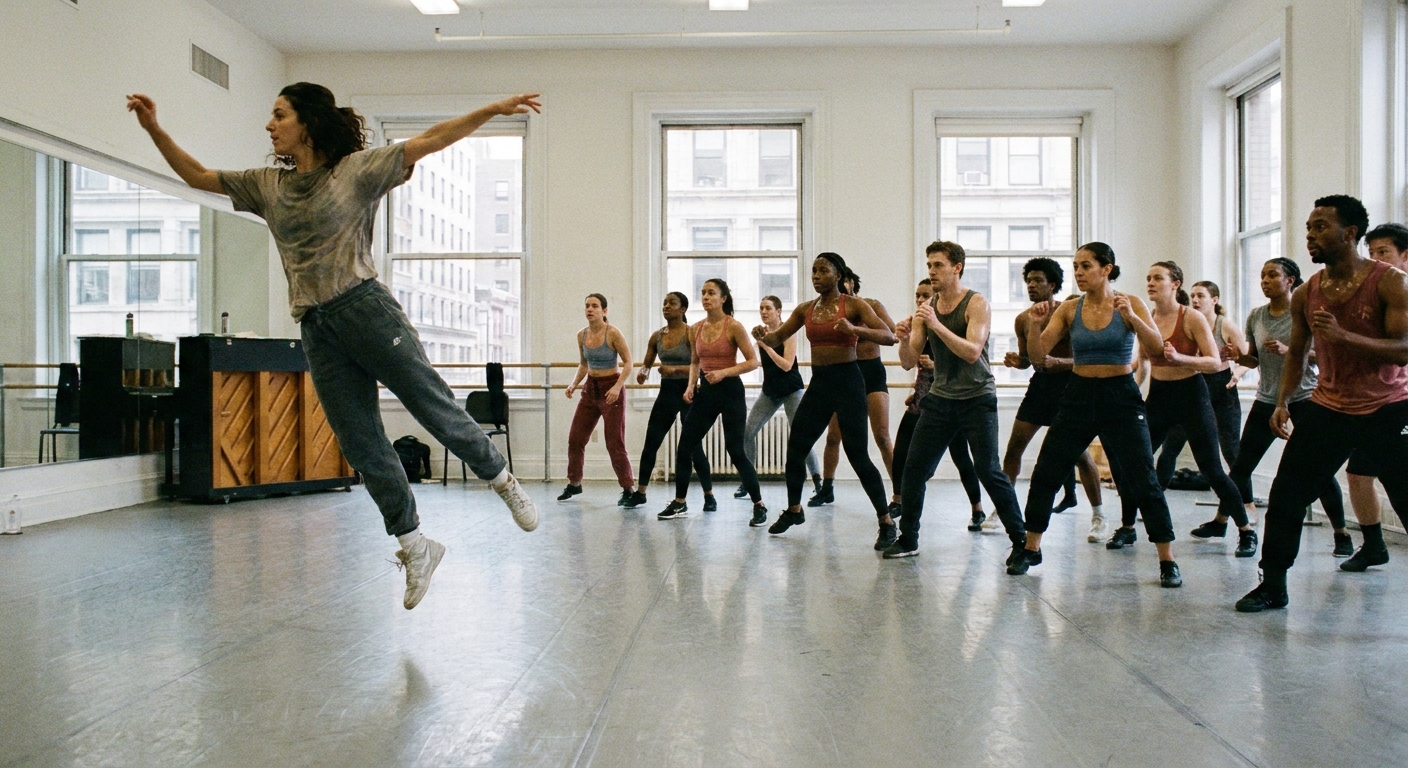
A dance captain is a member of the cast, often from the ensemble, who is responsible for maintaining the show’s choreography once the show is up and running. In practice, that means they help keep dances clean and consistent, teach choreography to replacements, and often give dance notes and lead brush-up rehearsals during the run.
If the choreographer creates the vocabulary, the dance captain helps make sure everyone keeps speaking it the same way, night after night.
What a dance captain does
The exact duties vary by production, union agreements, and the choreographer’s preferences. But most dance captains live in the overlap between performance and upkeep.
Keep choreography consistent
Opening night is not the finish line for choreography. Spacing shifts when sets are adjusted, tempos can subtly change with a live orchestra, and performers naturally develop small variations over time. A dance captain helps preserve the intended version of the choreography so the show stays recognizable and repeatable.
- Tracking details like arms, facings, counts, and transitions
- Helping reset spacing when marks shift or staging tightens
- Keeping group unison crisp in ensemble numbers
Give dance notes
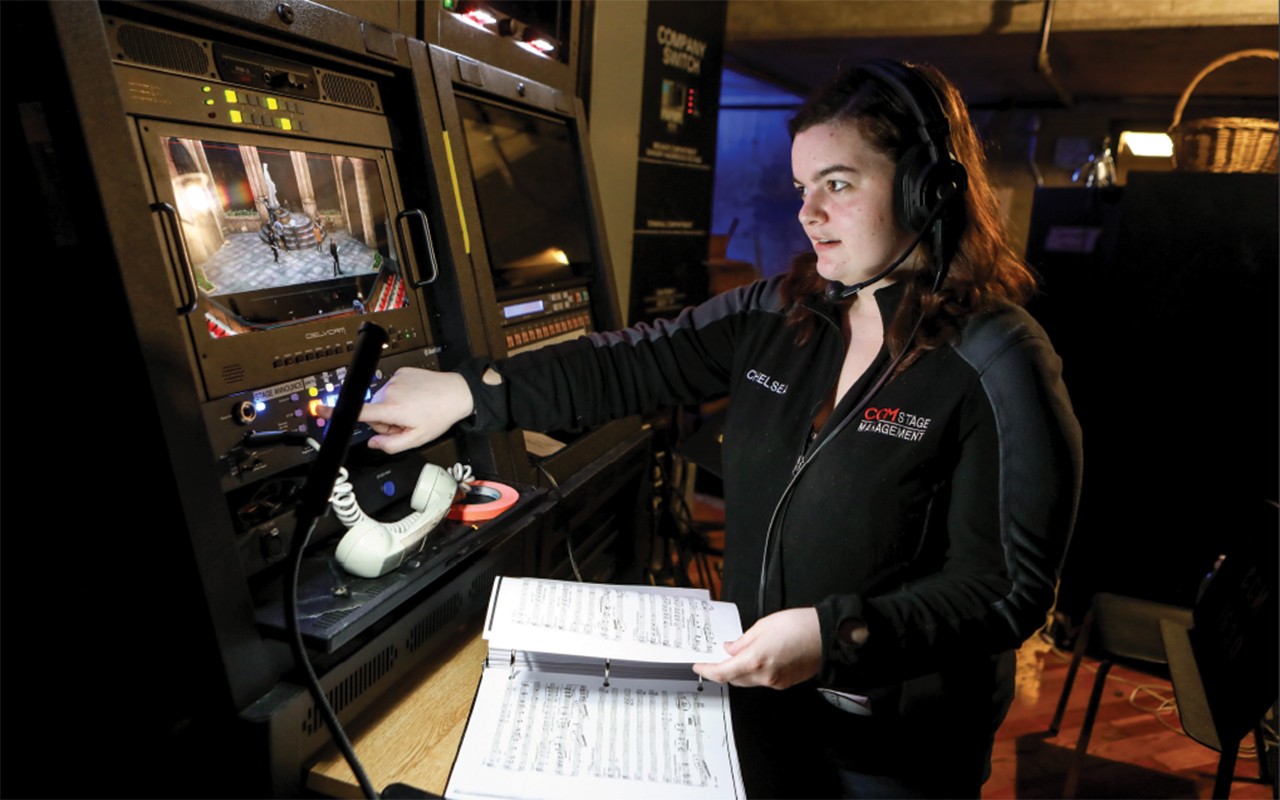
During the run, notes are often shorter and more targeted than they were in previews. Depending on the production, notes may be delivered directly by the dance captain, routed through stage management, or saved for scheduled brush-ups.
Notes might cover:
- Timing issues like rushing, dragging, or missed accents
- Safety concerns like traffic patterns and lifts
- Style consistency, especially in partner work or featured moments
- Cleanliness, including lines, levels, and synchronization
Teach replacements and keep tracks clean
When someone joins the company after rehearsals are long over, they still need to learn the choreography at show speed. Dance captains often help teach a role or ensemble track, usually in coordination with stage management and, when available, the choreographer or dance supervisor.
This can include:
- Walking a new performer through choreography counts and patterns
- Using approved reference materials such as choreographer notes, rehearsal reports, and permitted video
- Making sure the new performer learns the correct version, not a drifted one
- Running put-ins for specific numbers rather than full-run rehearsals
Lead dance calls and brush-ups
Some productions schedule periodic dance calls to keep big numbers tight, especially in shows with demanding ensemble work. The dance captain may lead these sessions, often under stage management’s umbrella, while coordinating timing, space, and priorities.
A typical brush-up can be as simple as: everyone called for one number, marking it once for spacing, then running it full out to re-lock counts, transitions, and traffic. It is small, surgical maintenance, but it keeps the machine running.
Dance captain vs choreographer
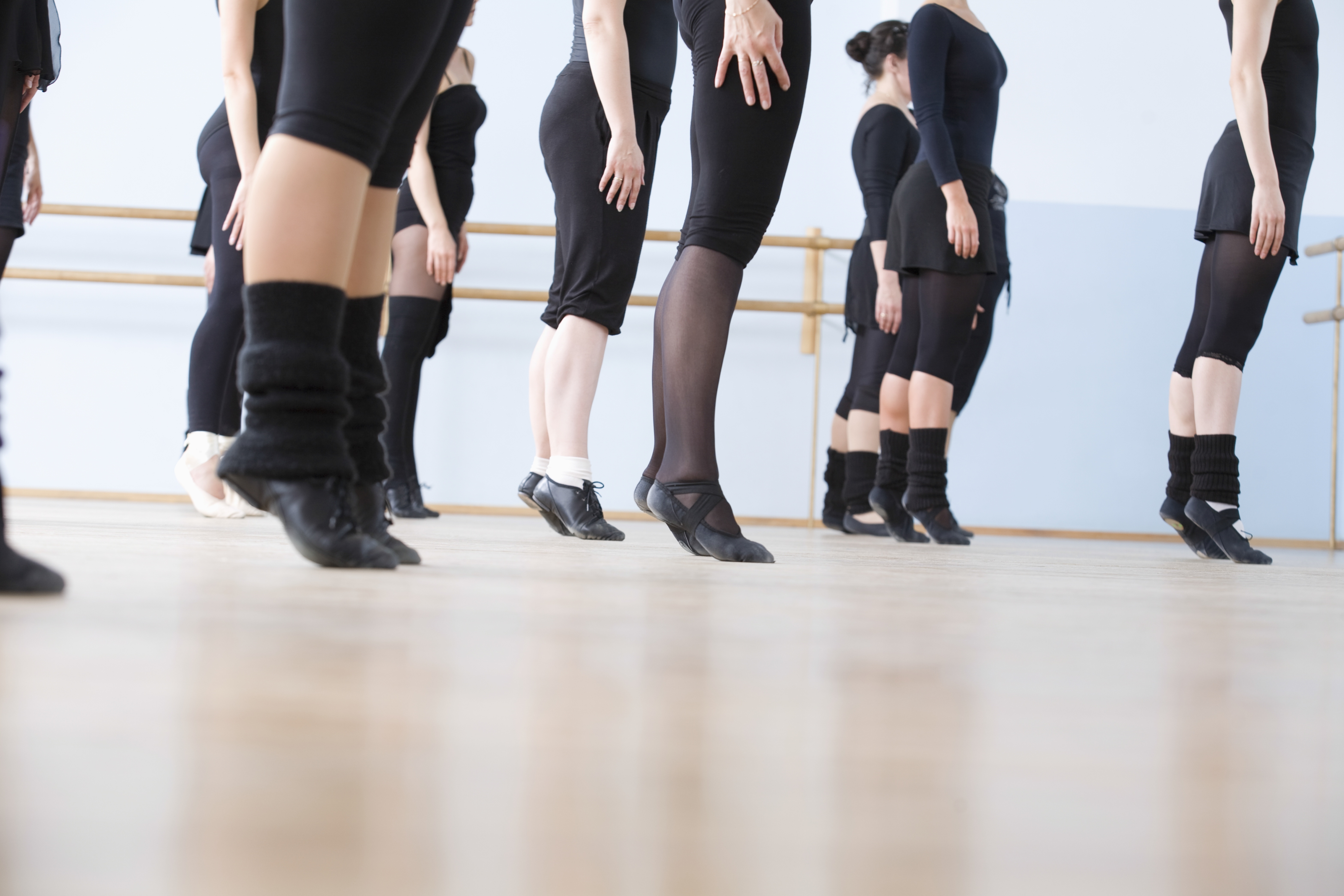
It is easy to blur the roles because both deal in movement. The key difference is creation versus maintenance.
- The choreographer designs and stages the choreography. They shape style, storytelling, and the overall movement language, and they decide what the choreography is.
- The dance captain helps the company keep performing that choreography accurately once the show is in performance mode and the choreographer is no longer in the room every day.
In many productions, the choreographer (or a dance supervisor) returns periodically to check the show. Even then, the dance captain is the person on the ground who helps keep the choreography from quietly changing between visits. If something needs a real change, dance captains typically flag it up the chain rather than rewriting it on the fly.
Dance captain vs swing vs understudy
These are all vital positions in a theater ecosystem, but they solve different problems.
Dance captain vs swing
A swing is a performer who learns multiple ensemble tracks and is ready to jump into whichever track is needed when someone is out. Swings are coverage specialists.
- Swing: covers multiple roles or tracks, often without performing a single track every night
- Dance captain: performs their own track and also helps keep choreography consistent across the cast
A swing can be a strong candidate for dance captain duties in some companies, but the titles are not automatically the same.
Dance captain vs understudy
An understudy is assigned to cover a specific principal role (or a small set of roles) and steps in when that performer is out.
- Understudy: covers specific role(s), usually principal roles
- Dance captain: maintains the choreography for the whole company or large parts of it
Understudies absolutely need choreography support when they go on, but the dance captain’s job is broader than any one part.
Can someone be both?
Sometimes, yes. In some productions, a dance captain may also understudy a role, or a swing might be appointed dance captain. Whether that happens depends on the production’s needs, staffing, and the performer’s workload.
Why the role matters
Theater is live, which means it naturally changes. A dance captain helps make sure it changes in the right ways and not the accidental ones.
- Consistency: audiences across the run see the show the creative team intended
- Safety: traffic patterns, lifts, and fast transitions stay reliable
- Company morale: performers get clear, specific feedback and support
- Continuity: replacements and put-ins integrate smoothly into group numbers
They also help keep communication clean. On many shows, the dance captain is in regular contact with stage management and company management, and they may coordinate safety concerns with other captains when movement overlaps with high-risk work.
What a dance captain is not
Because the title sounds authoritative, it can get misread. A dance captain typically is not:
- The choreographer’s replacement in terms of rewriting or reinventing choreography
- The stage manager (even though they work closely together)
- A director who gives acting notes, unless specifically asked within the production’s structure
They are a keeper of choreography, not the sole author of it.
How dance notes happen
Every show has its own rhythm, but dance notes often follow a familiar pattern:
- Observation: the dance captain watches a run, a specific number, or a section that has been flagged
- Prioritizing: safety and clarity first, polish second
- Delivery: short, specific notes that can be applied quickly, often in coordination with stage management
- Follow-up: a brush-up rehearsal or a quick revisit at the next call if needed
Good notes tend to be actionable. Think “the diagonal shift is two counts earlier” rather than “that looked messy.”
FAQ
Is the dance captain always in the ensemble?
Often, yes. Dance captains are frequently ensemble members because they are deeply embedded in group numbers and can track how choreography looks across the stage picture. But a dance captain can come from other parts of the cast depending on the show.
Do dance captains get paid more?
Some productions provide additional compensation or a stipend for dance captain responsibilities, but it varies by contract, production budget, and union rules. It is a real extra workload, so it is typically recognized in some way when possible.
Does the dance captain run rehearsals alone?
Sometimes, but usually with stage management present or with stage management’s approval. Stage management schedules and oversees rehearsals, while the dance captain focuses on choreography content and clarity within the production’s agreed process.
What is the difference between dance captain and assistant dance captain?
An assistant dance captain supports the dance captain, especially in large shows with heavy dance content. They might help teach sections, lead smaller brush-ups, or cover when the dance captain is onstage or unavailable.
Is a dance captain the same as a rehearsal captain?
Not exactly, and the terminology can vary by company and region. Rehearsal captain is sometimes used as a general term for someone who helps maintain staging, spacing, and traffic during rehearsals or when creatives are away. A dance captain specifically focuses on choreography and movement material, even though there can be overlap in real life.