Lights down. Curtain up.
I love a red carpet for the obvious reasons: sequins, spotlight, and that moment when a look lands and the internet collectively gasps. But once the photos are filed and the limo door clicks shut, the big question scurries out from behind the stanchions: do celebrities actually keep what they wore?
In many cases, no. A huge share of red carpet fashion is borrowed, closely tracked, and returned on a schedule that can be tighter than a corset.
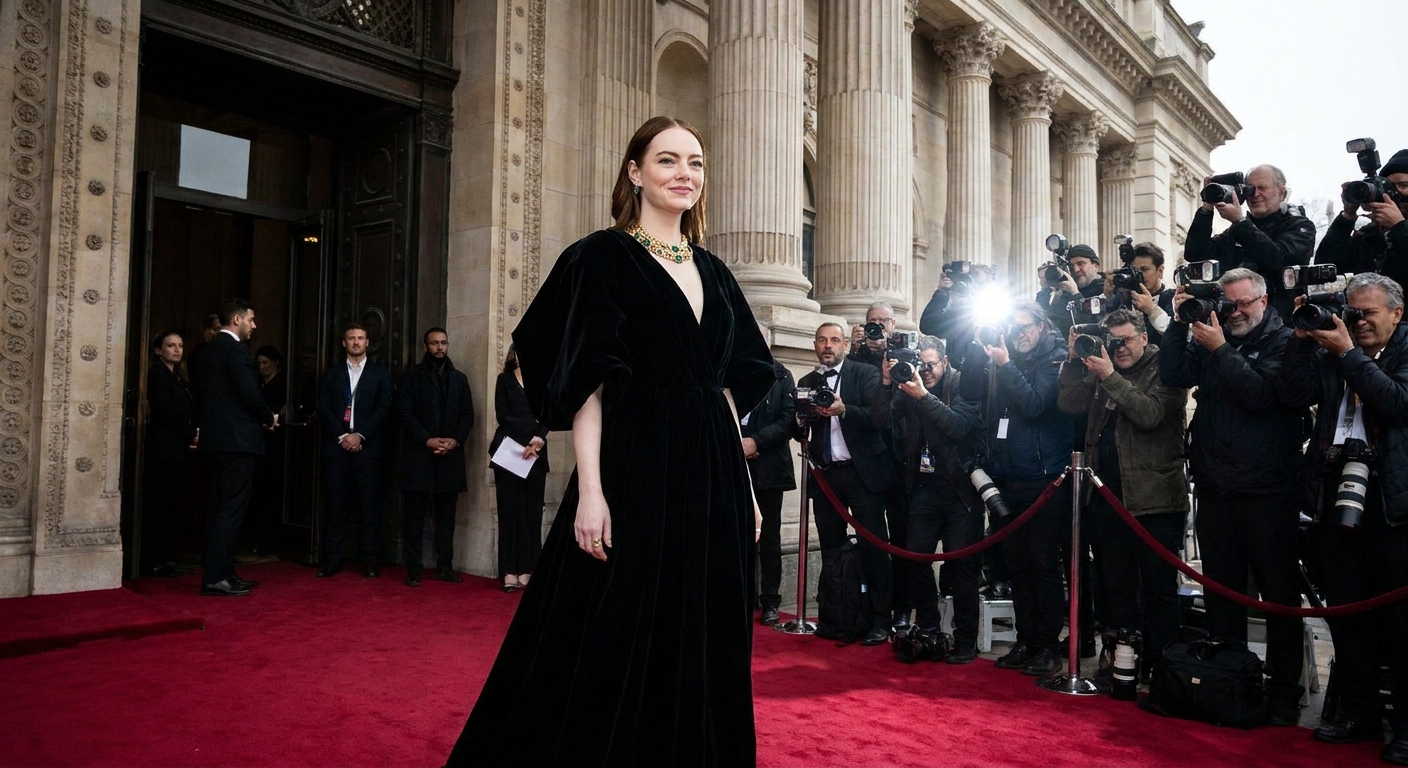
The most common answer: it’s a loan
When you see a celebrity in a fresh-off-the-runway gown or a sharply tailored suit, you are often looking at a loan from a fashion house, brand, or designer showroom. Think of it as a high-stakes library checkout, except the “book” might be couture and the consequences of losing it are not cute.
Loans are common for major moments: awards shows, premieres, festival red carpets, high-profile galas, late-night TV appearances, and magazine shoots. The outfit is provided for a short window, worn for the event, and then returned so it can go back into a brand’s showroom rotation or archive.
How loans work
Step 1: Stylists make the request
Stylists are typically the ones requesting looks from brands and PR showrooms. They pitch the event, the client, the timing, and sometimes a mood or theme. Brands usually weigh a few basics:
- Visibility: How big is the event and how likely is coverage?
- Brand fit: Does the celebrity’s image align with the label?
- Logistics: Can the piece be delivered, fitted, secured, and returned safely?
- Exclusivity: Some brands want a look to be “first worn” or not duplicated on the same carpet.
Step 2: The terms are in writing
Many loans come with a written agreement, often called a pull letter. Sometimes it is literally a letter. Sometimes it is a loan form or an email chain that still functions like a contract. Either way, it spells out what is being loaned, when it must be returned, and who is responsible if something goes wrong. This is the unglamorous backbone of glamour: dates, signatures, liability.
Step 3: Fittings, tailoring, and the clock
Loans are frequently based on samples, meaning the items are not pulled from a retail rack. They are showroom pieces made for display and editorial use.
That matters because:
- Sample sizes can be limited. Traditionally, samples skew small, although many brands and showrooms now keep a wider range than they used to, and custom options are more common than people assume.
- Tailoring is common but controlled. Minor adjustments are often allowed, but major alterations can be restricted. Brands want the sample to remain wearable for future pulls.
- Timing is tight. A look might be delivered, worn, and expected back within days, especially during a busy awards season.
How fast do they return it?
Sometimes it’s the next day. Sometimes it’s a few days later. It depends on the agreement, travel schedules, and how quickly the brand needs the piece again.
What tends to be non-negotiable is condition. If a dress comes back with makeup stains, hem damage, missing crystals, or a broken zipper, there will be follow-up. Couture and one-of-one pieces can require specialist cleaning and repairs, and responsibility for those costs is usually addressed in the loan terms.
Jewelry is a different level of borrowed
Jewelry loans are often the most tightly controlled part of red carpet styling. High jewelry can be worth more than the gown and everything else happening in the photo combined.
Insurance is part of the plan
Jewelry is typically covered by insurance for the loan period. The details vary, but luxury jewelers do not casually hand over diamond pieces without a clear approach to risk.
Security may be involved
For especially valuable items, a brand representative or security professional may accompany the jewelry to the event, oversee transfers, or stay nearby until the pieces are back in the case.
Handling rules are often strict
Jewelry loans can come with rules about:
- Who can handle the pieces (sometimes only the stylist or an authorized rep)
- When the jewelry can be worn (event-only is common)
- Where it must be stored when not being worn
- How quickly it must be returned, sometimes right after the event, sometimes the next morning
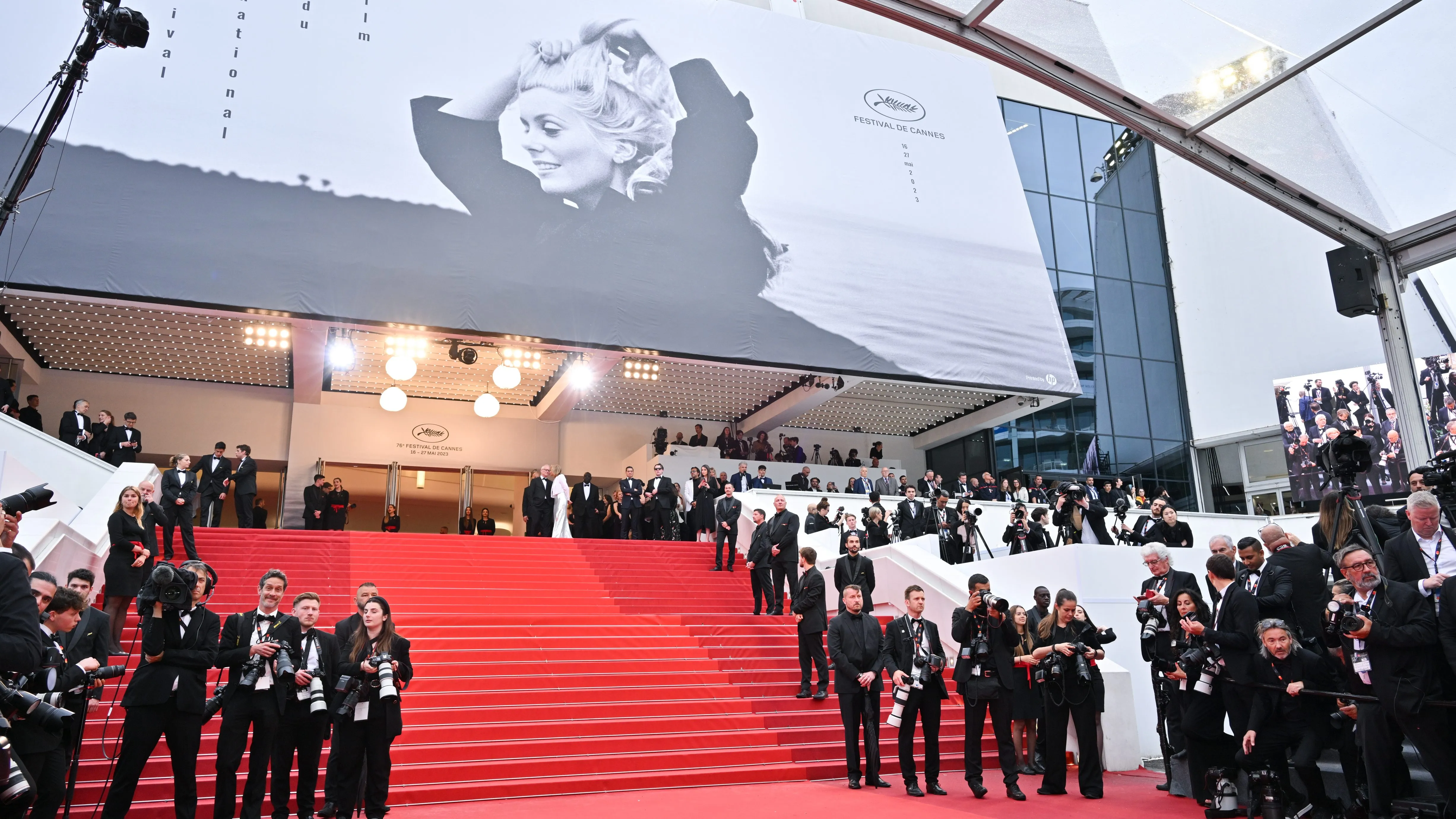
When they keep the look
There are scenarios where the outfit does stay with the celebrity, but it is less “everyone keeps their gown” and more “it depends on the deal.”
1) It’s purchased
Some celebrities or their teams simply buy the look. That is common when:
- The piece is vintage and sourced from a dealer
- The celebrity wants the freedom to alter it significantly
- The brand prefers a clean sale instead of a loan
- The look will be worn again (rare, but it happens)
2) It’s gifted
Brands sometimes gift clothing or accessories, especially for items that are easier to replace than couture samples, or when the relationship is ongoing. There is still usually paperwork. The difference is ownership transfers, so the return expectation disappears.
3) It’s custom, with special terms
Custom-made outfits can be tricky in the best way. A bespoke gown created for a specific person may be:
- Loaned (and returned to the house archive)
- Purchased by the celebrity
- Gifted as part of a partnership
Fashion houses maintain their own histories. If a piece is important to a brand, they may want it back for preservation, exhibitions, or future reference.
Paid partnerships, credits, and quiet rules
Not every red carpet look is part of a paid deal, but formal partnerships do exist. Sometimes a brand ambassador agreement is already in place. Sometimes a one-off arrangement is negotiated around a specific event.
Even when money is not involved, there can be expectations tied to the loan: crediting the designer, tagging the brand, honoring embargoes until a reveal, or keeping details under wraps until the carpet. Red carpet fashion is glamorous, yes, but it is also coordinated marketing with a calendar.
Why returns matter
A red carpet piece is not just a pretty object. For a brand, it can be:
- A sample needed for upcoming events and editorial pulls
- An archival garment that represents a collection
- A museum-level object, especially in couture
- A financial asset, if it can later be sold, exhibited, or auctioned
That is why returned looks are often cleaned, inspected, repaired if needed, and carefully stored. The story does not end when the photos hit your feed.
Where iconic looks go next
Fashion house archives
Many major labels maintain archives of significant designs. Pieces that have been worn on major carpets can become part of that internal collection, especially if the moment was widely photographed or culturally memorable.
Exhibitions and museums
Occasionally, red carpet looks surface in exhibitions, either through brand loans or collectors who own the pieces. A gown that read as “one night only” can wind up under museum lighting, recontextualized as design history.
Charity auctions
Sometimes outfits or accessories connected to a notable moment are auctioned, particularly for charity fundraising. In those cases, the piece might come from the celebrity’s own closet (meaning they owned it), the brand, or a collector who later re-sells it.
Provenance matters here. A red carpet look with documentation, photographs, and a clear chain of ownership often carries more value and attention than the same design without the story attached.
Myth check
Myth: Celebrities keep everything they wear
Reality: Most high-profile red carpet fashion is loaned and returned, especially couture and runway samples.
Myth: The outfit is “free,” so it’s easy
Reality: Loans come with timelines, coordination, and clear responsibility for loss, repairs, and specialist cleaning.
Myth: Custom automatically belongs to the celebrity
Reality: Custom can still be a loan, particularly if the brand wants it back for the archive.
FAQ
Do celebrities pay for their red carpet outfits?
Sometimes. Many looks are borrowed, but some are purchased, especially vintage pieces or outfits that require major alterations. It varies by brand relationship and the specific event.
Can they alter a borrowed outfit?
Often, minor tailoring is allowed. Major changes are usually limited because brands want samples returned in reusable condition. If significant changes are needed, going custom or buying the piece is more likely.
Who pays for shipping, tailoring, and emergencies?
It depends on the arrangement. A stylist team may cover routine tailoring and transport, while brands may handle certain logistics for top-tier placements. The loan terms usually spell out who is responsible, especially if there is last-minute repair work.
What happens if something gets damaged?
The loan agreement typically defines responsibility. In practice, that can mean paying for specialist cleaning, repairs, or replacement value if the piece cannot be restored.
The takeaway from my front-row seat
The red carpet can look like a parade of personal wardrobes, but behind the flashbulbs it is often a carefully managed circulation system: samples out, signatures in, security on, then everything back to the brand like it was never there.
And when a look is purchased, gifted, archived, or auctioned, that is when fashion stops being “just for the night” and becomes part of a longer story. Which, if you ask a felt raccoon with a bow tie, is the best kind of encore.